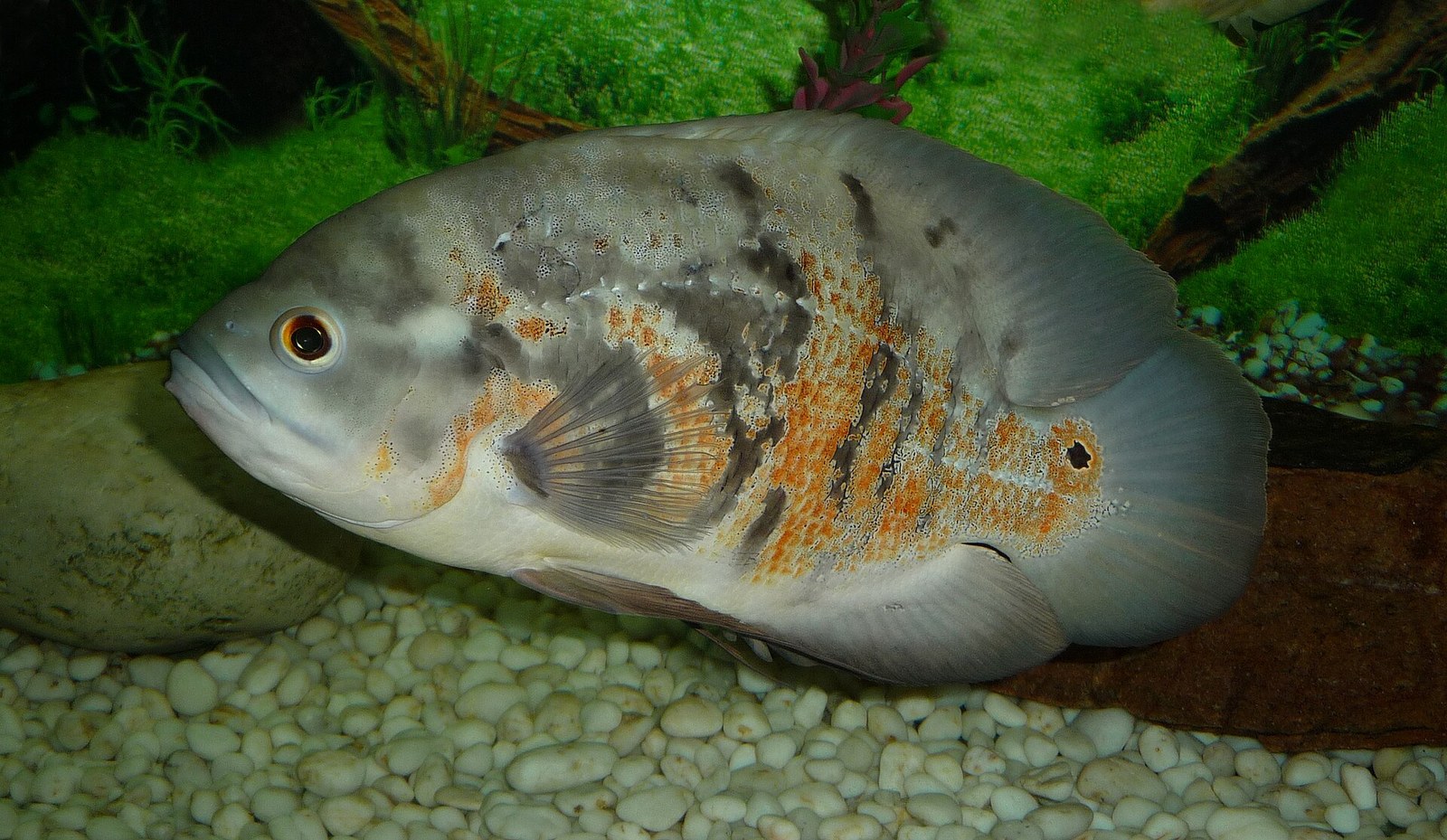
Oscar tank maintenance is a waste-management job, not a weekly attempt to make everything sterile. A large cichlid can turn a generous meal into food fragments and nitrogenous waste remarkably efficiently. Your aim is to remove what should leave while protecting the biological processes that must stay. A repeatable routine makes that balance easier than alternating between neglect and a dramatic deep clean.
Let the aquarium set the workload
Begin with regular observations and a test log. Track ammonia, nitrite and nitrate along with temperature and pH, noting feeding changes and livestock additions. In an established system, ammonia and nitrite should not be detectable on appropriate tests. Their appearance deserves investigation rather than acceptance as a normal feature of keeping a messy fish.
Nitrate trends can help you assess waste accumulation, but one result is not the whole maintenance plan. Visible debris, declining flow, uneaten food and changes in fish behavior also matter. Test your replacement water so you know what a water change can realistically accomplish. A source already containing nitrate affects how you interpret the aquarium's result.
Set an initial routine you can keep, then adjust it with evidence. Maidenhead Aquatics recommends excellent external filtration and frequent partial water changes for Oscars, but does not supply a universal percentage. Tank size, usable water volume, food input and stocking prevent a single schedule from fitting every system.
Prepare the change before removing water
Have suitable replacement freshwater ready before draining the aquarium. If your water supply contains chlorine or chloramine, use an appropriate conditioner according to its instructions. Check temperature with a reliable thermometer rather than your hand. Keep the preparation method consistent so each maintenance session does not introduce a new chemistry experiment.
Use dedicated aquarium containers and hoses that have not held detergents or household chemicals. Inspect connections and plan where waste water will go. A large Oscar aquarium can release a lot of water quickly, so do not leave a siphon unattended or rely on an unsecured hose staying where you put it.
- Confirm replacement water preparation and temperature.
- Protect electrical connections from splashes.
- Follow equipment instructions before lowering the water level.
- Mark the intended refill level clearly.
Siphon debris without rebuilding the territory
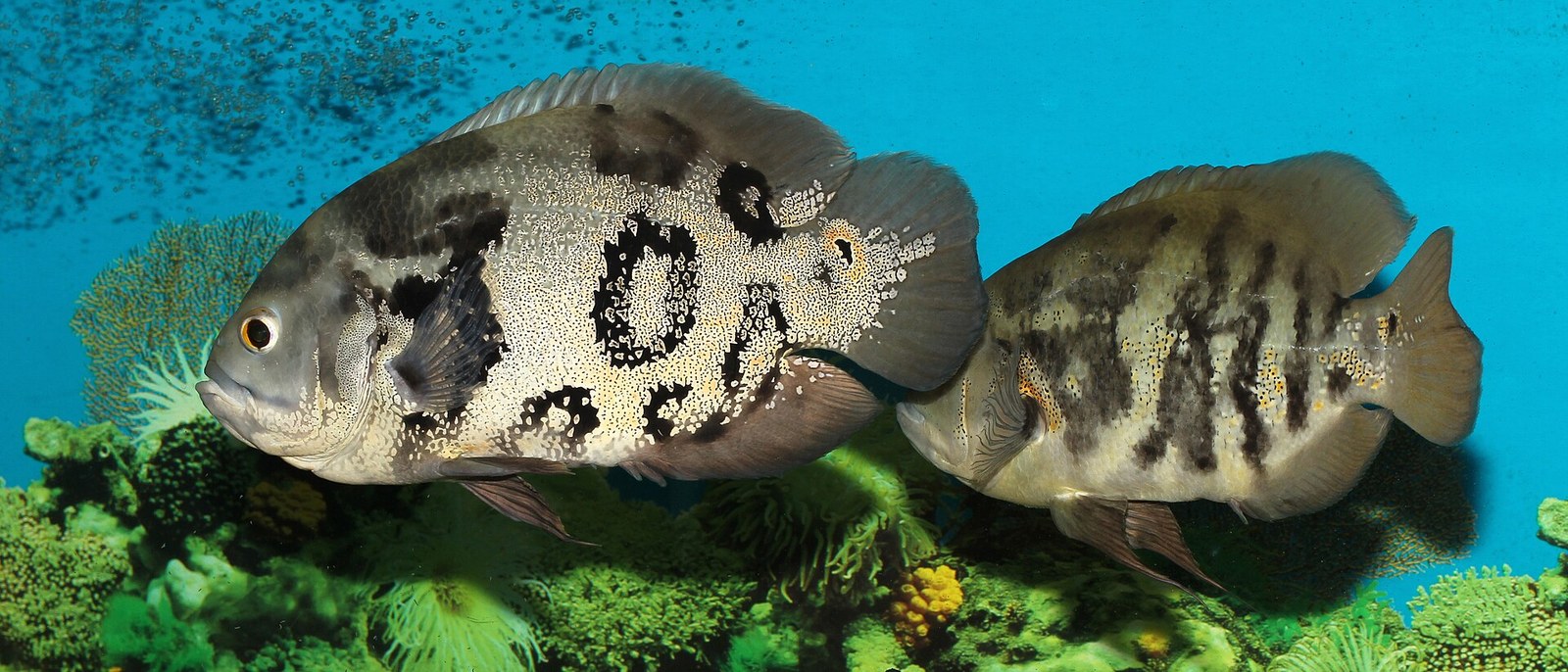
Use the siphon to collect settled waste from accessible substrate and around structures, watching where the Oscar is throughout the process. Do not blindly push the tube behind decor where the fish may retreat. If the fish investigates the hose, pause and reposition instead of turning cleaning into a chase.
Inspect the stability of rocks and wood while you work. Oscars can undermine objects by moving substrate, and a structure that was safe when installed may need attention later. Address a hazard, but avoid moving every feature simply because you have your hands in the aquarium. Familiar shelter helps keep disturbance manageable.
Clean viewing surfaces with aquarium-safe tools that cannot trap grit and scratch the glass. Do not use household sprays near open water. Replace worn cleaning materials that could shed fragments. The display need not look newly assembled after every session; the important results are removed waste, safe structures and a fish that can return to its normal routine.
Preserve the biological filter while restoring flow
A filter contains different working components. Mechanical material traps particles, while established biological media supports microorganisms that process dissolved waste. Treating every component as disposable can remove much of the system's waste-processing capacity at once. Follow the manufacturer's instructions for servicing the specific filter you own.
When appropriate for the media, gently rinse accumulated debris in removed aquarium water or otherwise suitably dechlorinated water rather than disinfecting established biological material. Avoid unnecessary wholesale replacement. Keep media from drying during routine service and restore the filter correctly, checking seals and priming steps as required.
Check intake guards, impellers and outlet paths for obstruction. Better flow after cleaning is useful, but flow alone does not demonstrate biological performance. Continue testing after major service, media changes or any event that may have disrupted the filter.
Investigate recurring dirt at its source
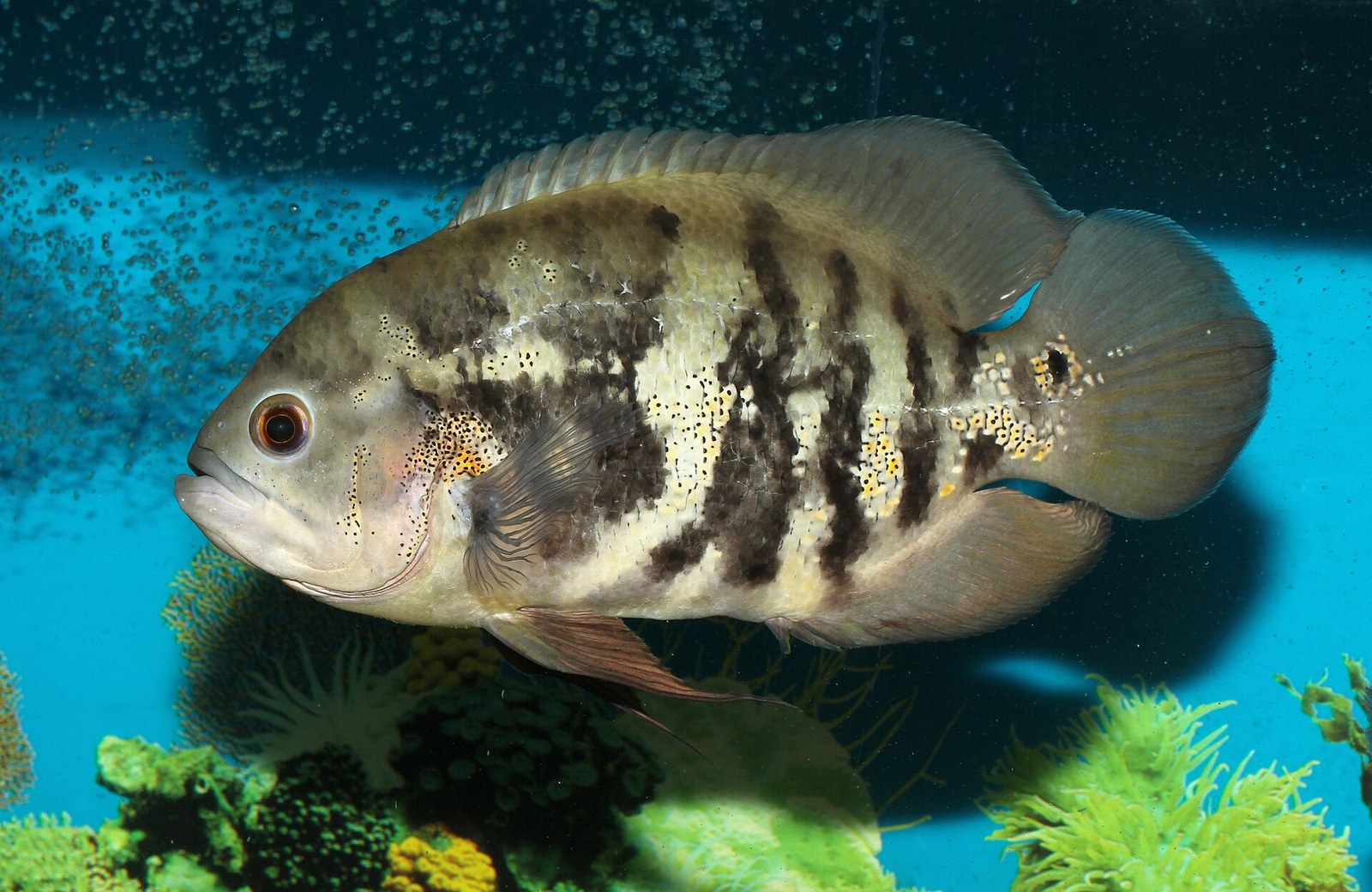
If debris returns unusually quickly, observe an entire feeding. Is the Oscar swallowing the food, shredding oversized pieces or leaving treats behind the decor? Reduce waste by adjusting food size and portions, not by making the aquarium tolerate an unlimited food supply. Account for contributions from every person who feeds the fish.
Look for poorly circulated pockets where waste collects. Adjust outlets thoughtfully without creating a current that prevents comfortable resting. Keep decor from blocking access to the areas that need regular siphoning. If an arrangement cannot be cleaned without dismantling it, simplify it instead of letting debris accumulate unseen.
Additional fish are another common explanation. Each tank mate adds waste and may change the Oscar's feeding behavior. A supposed algae eater does not remove the need for maintenance and can introduce compatibility problems. Review the complete adult stocking plan before buying another filter to compensate for a system that is simply too crowded.
Finish with checks that prevent the next emergency
After refilling, confirm that all equipment intended to run is operating normally. Verify filter flow, heater function and actual temperature; inspect the floor and connections for leaks. Keep watching the Oscar briefly rather than walking away as soon as the last bucket is empty. Comfortable respiration and coordinated movement are useful immediate checks.
Record what you changed, including approximate water volume and filter work. This makes later symptoms easier to interpret and helps identify a maintenance interval that works. If a power interruption or equipment failure occurs, use the same record to communicate with an experienced professional.
Have a safe backup aeration plan and know how your filter should be restarted after an extended outage. Do not open or repair electrical equipment while it is energized, and follow manufacturer guidance. Consistent maintenance does not promise that nothing will fail; it gives you a stable baseline and a practical way to respond when something does.
Continue reading: Living With an Oscar: Plan for the Years Beyond the First Tank.
Sources and further reading:
- Astronotus ocellatus (Oscar) - Seriously Fish
- Oscar - Maidenhead Aquatics
- Management of Aquarium Fish - MSD Veterinary Manual
Photo credits: George Chernilevsky (Public domain (copyright holder release; not CC0)), George Chernilevsky (Public domain (copyright holder release; not CC0)), George Chernilevsky (Public domain (copyright holder release; not CC0)). Images resized and compressed for web display. Each image retains its linked license.


