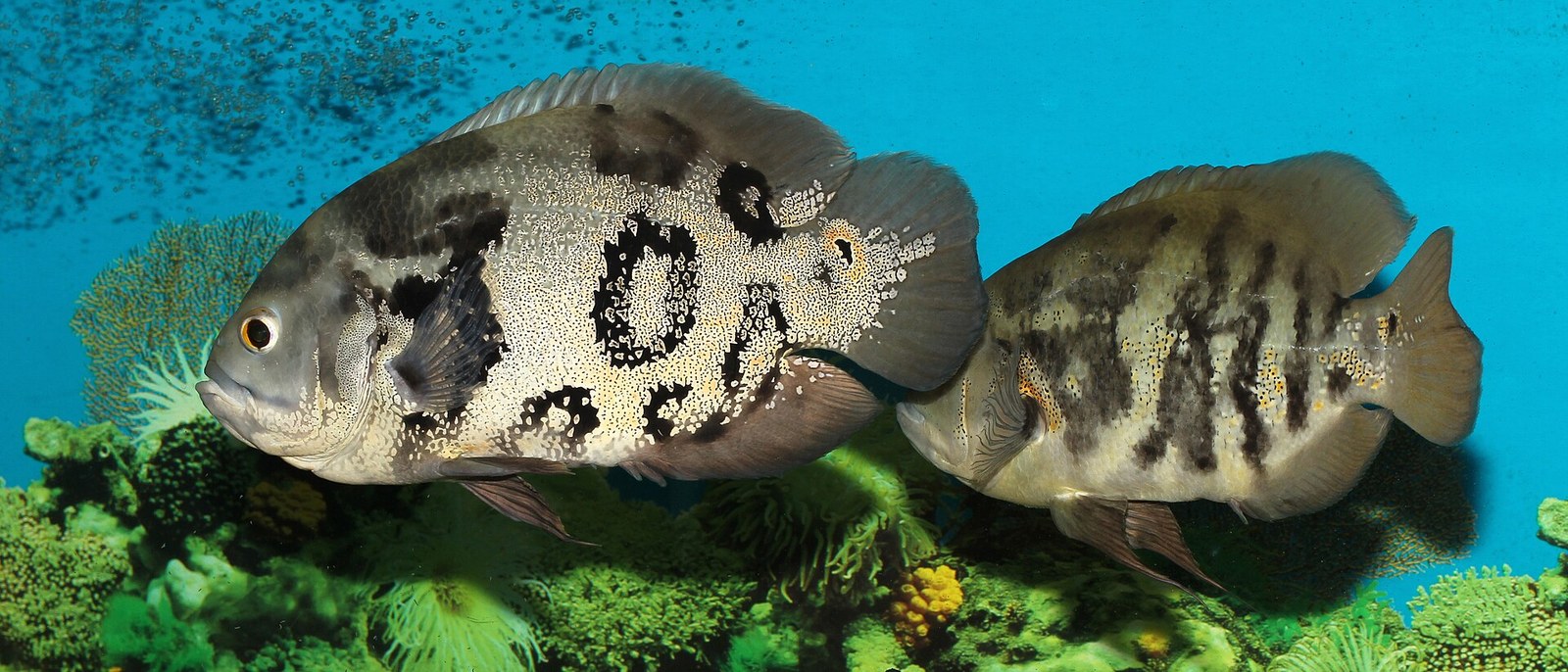
Living with an Oscar means sharing your home with a large aquarium system as well as a fish. The purchase is usually the easiest part. The more important decisions involve how you will manage water changes, holidays, equipment failures and moves after the novelty has faded. A realistic plan protects both the animal and the pleasure you hope to get from keeping it.
Think beyond the juvenile in the shop
An Oscar offered for sale may fit comfortably into a small retail compartment, but that is not a model for its adult home. Seriously Fish reports 350 mm standard length and a typical lifespan of ten to twenty years. Neither figure promises an exact outcome for your fish, yet both establish the scale of the long-term commitment.
Before buying, imagine the adult aquarium in your current home and in the homes you may occupy later. Could you still maintain it during a busy working period, a change in mobility or a household move? A future upgrade is only a plan if the space, funds and timing are genuinely available.
Consider meeting an experienced Oscar keeper or viewing a mature specimen at a reputable aquarium business. Adult size is easier to understand in person than through a close-up photograph. If the full project is unrealistic, choosing a smaller species is a responsible decision rather than a lesser form of fishkeeping.
Make the aquarium part of a workable room
Choose a location with appropriate structural support, a suitable stand and safe electrical access. Seriously Fish's 150 x 60 cm base reference is for one adult, and the complete installation occupies more room than the glass box. Hoses, filter cabinets and maintenance access all need usable space. Seek qualified advice where support or electrical safety is uncertain.
A quiet viewing position can make daily observation enjoyable without forcing the fish to face constant disturbance. Keep the aquarium away from avoidable temperature extremes and places where household chemicals are sprayed. Plan how to carry or drain water without repeatedly crossing cluttered walkways.
Also consider what happens during a minor leak. Nearby flooring, electrical connections and furniture should not depend on the assumption that every seal and hose remains perfect forever. Sensible layout reduces the impact of ordinary mistakes and makes the system less stressful for everyone who shares the home.
Divide responsibility without multiplying meals
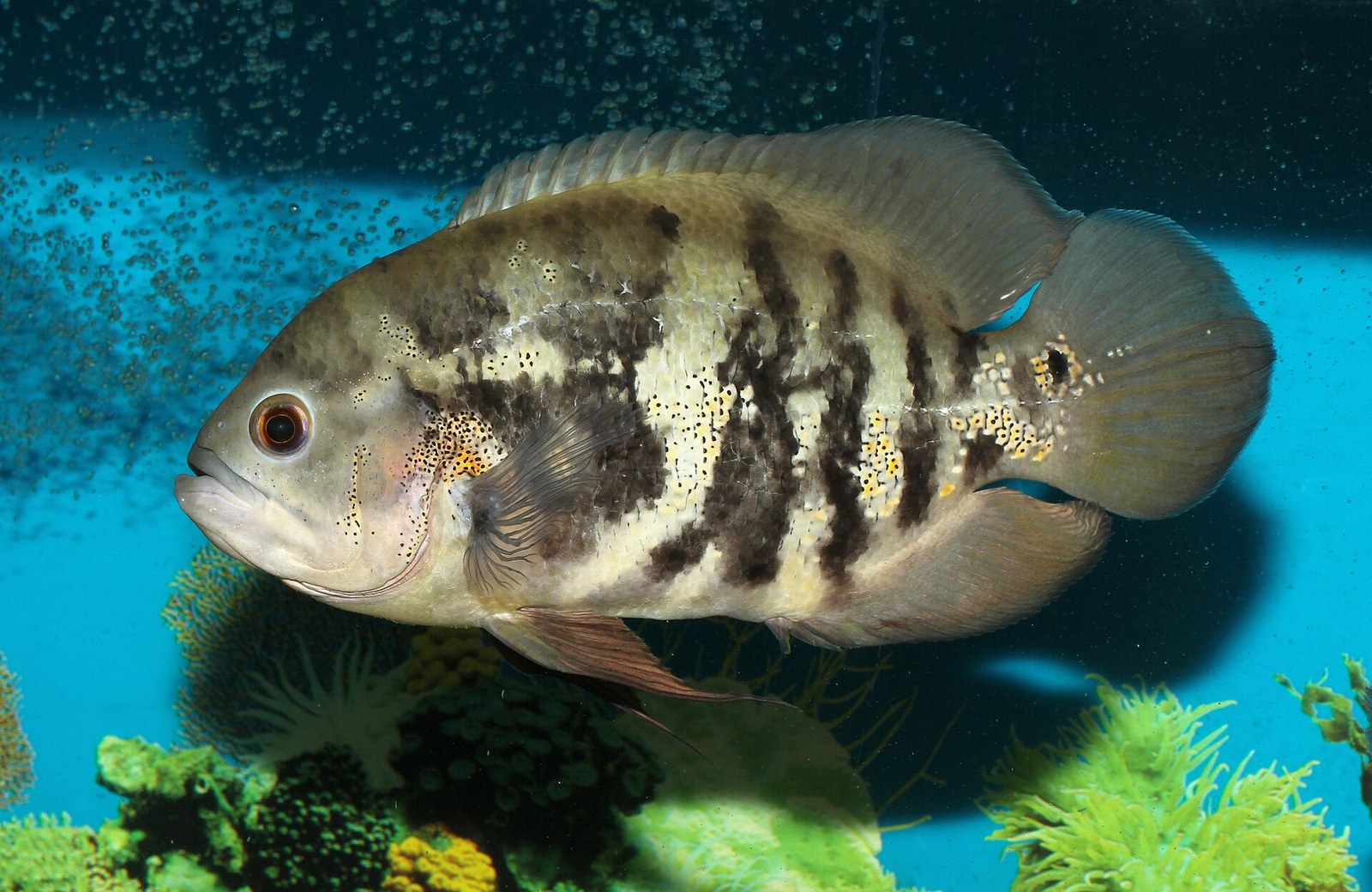
A household can enjoy one Oscar together, but essential tasks need clear ownership. Decide who feeds, who tests water, who maintains filters and who checks that a missed task is completed. An attractive chart is useful only if someone actually consults it. Keep the routine short enough that it remains usable.
The most common shared-care confusion is food. An Oscar may greet each person with the same eager response, leading everyone to believe nobody else has fed it. Premeasured portions and a simple completed-meal marker prevent this without requiring the family to guess at the fish's appetite.
- Name one adult responsible for the overall care plan.
- Log feeding and water changes in one place.
- Keep test instructions with the test kit.
- Agree that new fish or products require discussion first.
Children can sketch the fish, record observations and help with supervised measurements. They should not tap the glass, lift the lid unsupervised or put their hands into the aquarium to seek contact.
Prepare a holiday handover that can actually work
Choose a sitter who can visit, follow instructions and recognize a basic equipment problem. Demonstrate the routine before departure and let the person practice while you are available. A page of unfamiliar aquarium terminology handed over at the door is not a useful training session.
Preportion food and explain that extra feeding is not kindness. Give the sitter a clear view of normal filter flow and a way to read temperature. Describe the Oscar's usual behavior, including where it rests, while emphasizing that gasping or loss of balance is not ordinary sulking.
Leave contact details for yourself, a knowledgeable local backup and an aquatic-veterinary service. Test any automatic feeding device well before travel and arrange human checks; automation can dispense food but cannot reliably interpret a fish in distress or repair a failed filter.
Budget for interruptions and changing needs
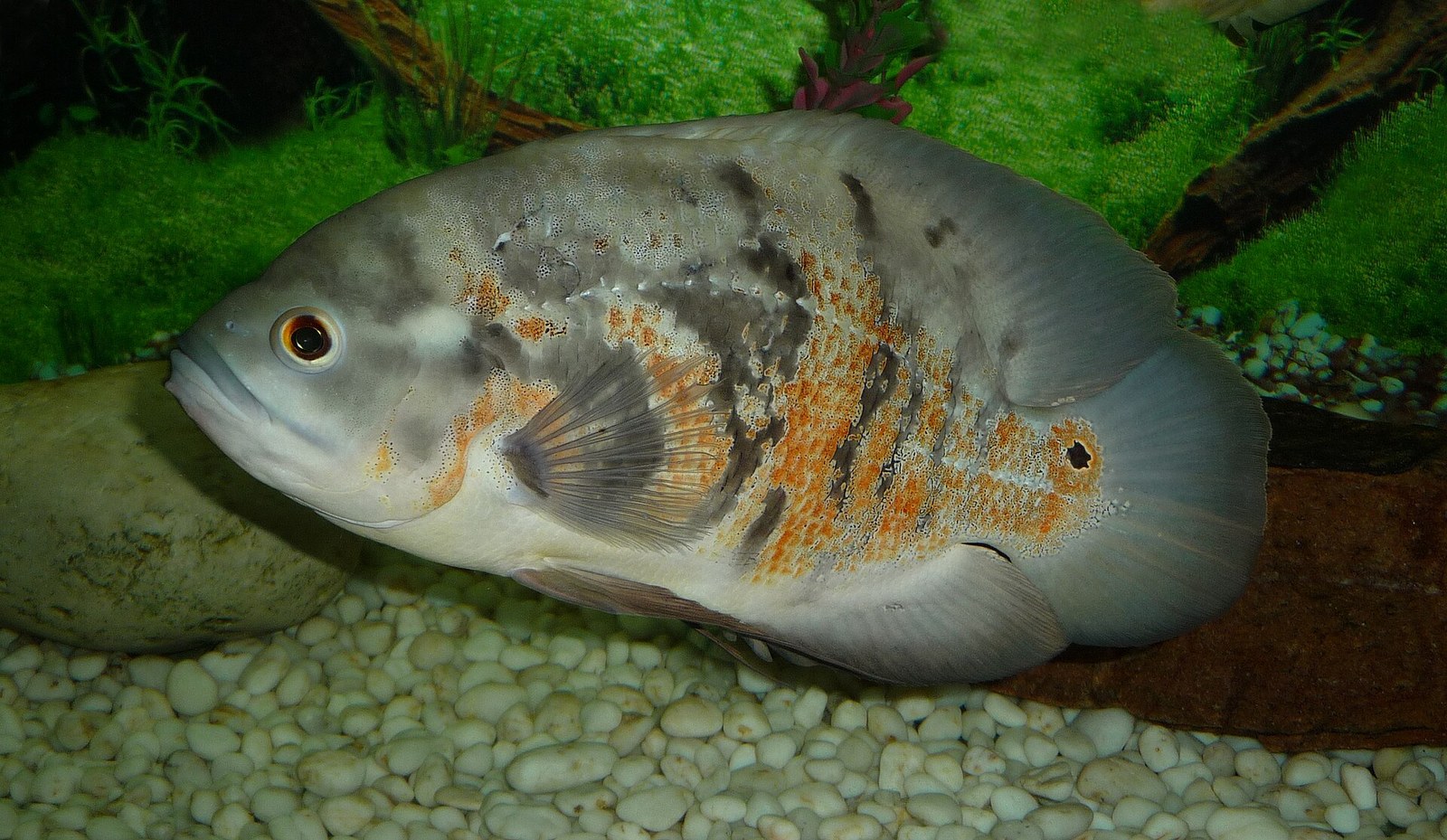
Ongoing costs include food, water preparation, electricity, test reagents, replacement equipment and veterinary care. A large tank may also require professional moving help. Build some flexibility into the budget instead of spending everything on the initial display and hoping the rest will be inexpensive.
Know which equipment failure needs an immediate response. Loss of circulation or aeration can become serious, while a decorative light failure is usually a different level of problem. Keep a safe backup aeration option and follow manufacturers' instructions for its use. Do not improvise unsafe electrical arrangements around water.
If planning a move, contact an experienced aquarium mover or specialist early. The Oscar, filter media, aquarium and stand each need an appropriate transport plan. An established tank should not be carried full of water, and a fish should not be left in improvised transport accommodation longer than necessary. Arrange the destination before dismantling the current home.
Define companionship on the fish's terms
The appeal of an Oscar is often its visible attention to daily life. Enjoy that without demanding physical affection or interpreting every action as a human emotion. Watching the fish investigate, feed and settle can be a satisfying routine precisely because it requires patience rather than constant intervention.
Do not add a companion impulsively when the aquarium feels too quiet. Sources differ about social housing, and compatible pairs need a larger setup than the single-adult reference. An unsuitable second fish can make life worse for both animals and complicate your long-term plans.
Keep photographs and a simple care history as the years pass. They are useful for recognizing gradual changes and for any future handover. Long-term success is not measured by how crowded or elaborate the aquarium becomes; it is measured by whether you can continue meeting this particular animal's needs.
Continue reading: Oscar Care Guide: Build the Adult Aquarium First.
Sources and further reading:
- Astronotus ocellatus (Oscar) - Seriously Fish
- Oscar - Maidenhead Aquatics
- Management of Aquarium Fish - MSD Veterinary Manual
Photo credits: George Chernilevsky (Public domain (copyright holder release; not CC0)), George Chernilevsky (Public domain (copyright holder release; not CC0)), George Chernilevsky (Public domain (copyright holder release; not CC0)). Images resized and compressed for web display. Each image retains its linked license.


