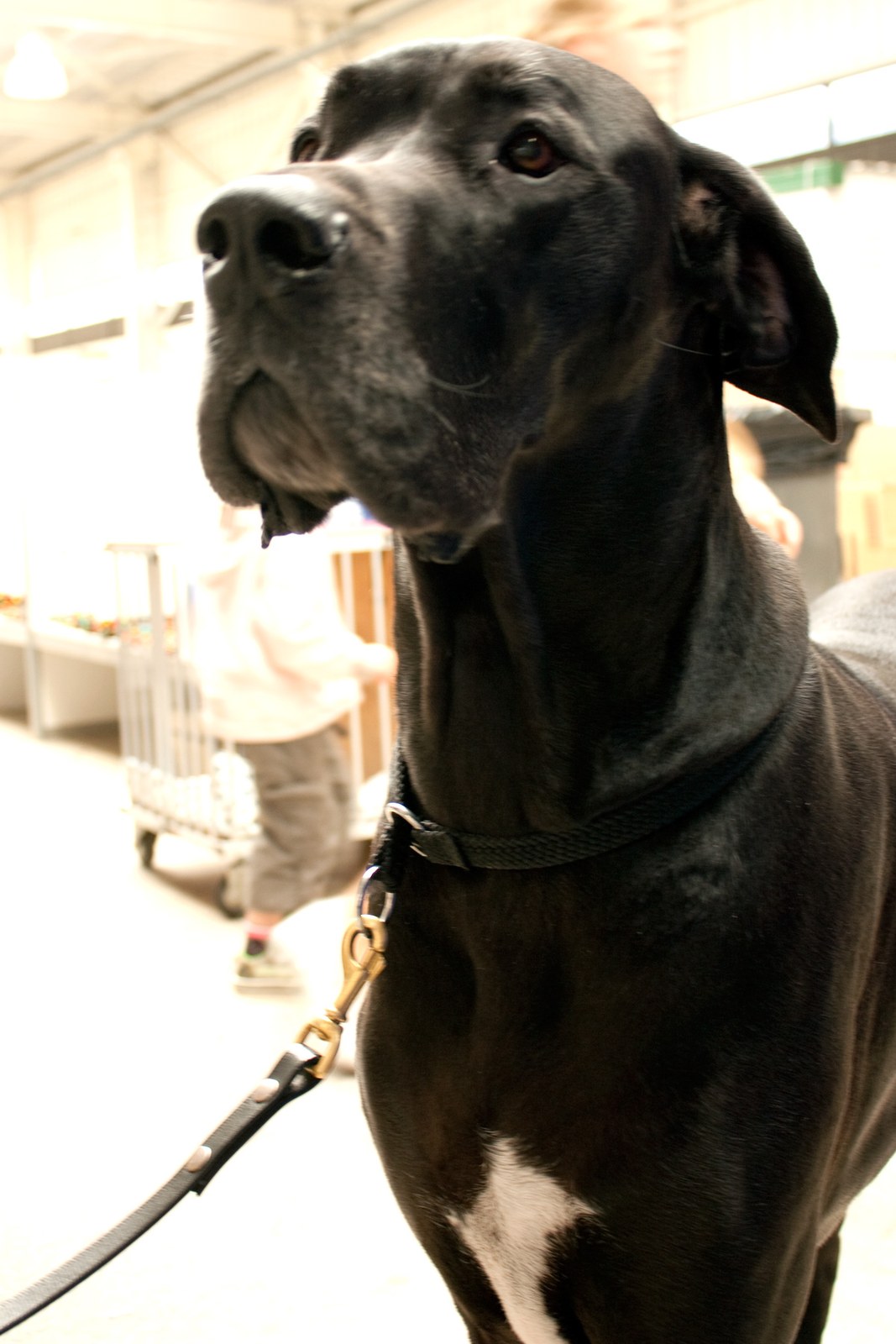
A Great Dane's short coat makes grooming look easy, but the size of the dog changes the logistics. You need a safe place to work, comfortable footing, and cooperation that does not depend on holding a powerful animal still. Grooming is also a chance to notice sore skin, damaged nails, or a painful tail before discomfort becomes a bigger problem.
Set up a safe grooming space first
Choose a floor-level area with good light and secure traction. A Dane standing on a sliding towel may struggle even when it is willing to cooperate. Gather brushes, towels, appropriate products, and rewards before starting so you do not leave the dog balancing awkwardly while searching for equipment. Keep an exit route clear rather than trapping it in a narrow corner.
Introduce tools without immediately using them. Let the dog see a brush, reward calm interest, then try one gentle stroke and pause. Build toward longer sessions only while the dog remains comfortable. Several short opportunities can be more useful than insisting on completing every task at once.
If the dog suddenly resists a familiar action, consider pain, not disobedience. A sore hip can make standing difficult; an inflamed ear can make head handling unwelcome. Ask for professional help when necessary and describe the dog's needs before booking a grooming appointment. Large size is a reason for better planning, not stronger restraint.
Brush the coat and look beneath the hair
Great Danes shed despite having short coats. Gentle brushing with a soft brush or suitable grooming mitt helps remove loose hair and lets you inspect the skin. Follow the coat without scraping or repeatedly rubbing one area. Check pressure carefully over bony points and stop if the dog flinches or the skin becomes irritated.
Look for redness, scabs, bald patches, parasites, lumps, or unusual odor. Seasonal changes can alter the amount of loose hair, but persistent itching or progressive hair loss is not something to diagnose from the season alone. Photographs can help document a changing patch for your veterinarian, especially when taken in similar light.
Wash bedding and vacuum resting areas to manage shed hair instead of repeatedly bathing the dog. A shiny coat does not prove that an animal is free of internal disease, and coat color cannot establish pedigree or health. Avoid unprescribed skin supplements or oils offered as a solution to every coat problem; first work out why the change occurred.
Bathe according to need, with secure access
Use bathing for genuine dirt, odor that needs cleaning, or a veterinarian-directed skin plan. A rigid schedule is less useful than assessing the individual. Before wetting the dog, make sure the route into and out of the washing area is secure. A walk-in setup may be easier than a raised tub; never assume you can safely lift a reluctant adult over a high edge.
Use comfortably lukewarm water and a dog-appropriate shampoo. Avoid the eyes and ear canals, rinse thoroughly, and dry the coat gently. Keep the room comfortable and prevent slipping while the dog steps away. Do not leave it unattended, tie it in a way that risks choking, or use hot drying air to finish faster.
Repeated soiling, persistent smell, or greasy inflamed skin needs investigation rather than stronger perfume. Skin disease may require a specific product and method from the veterinary team.
Keep ears natural and monitor the tail
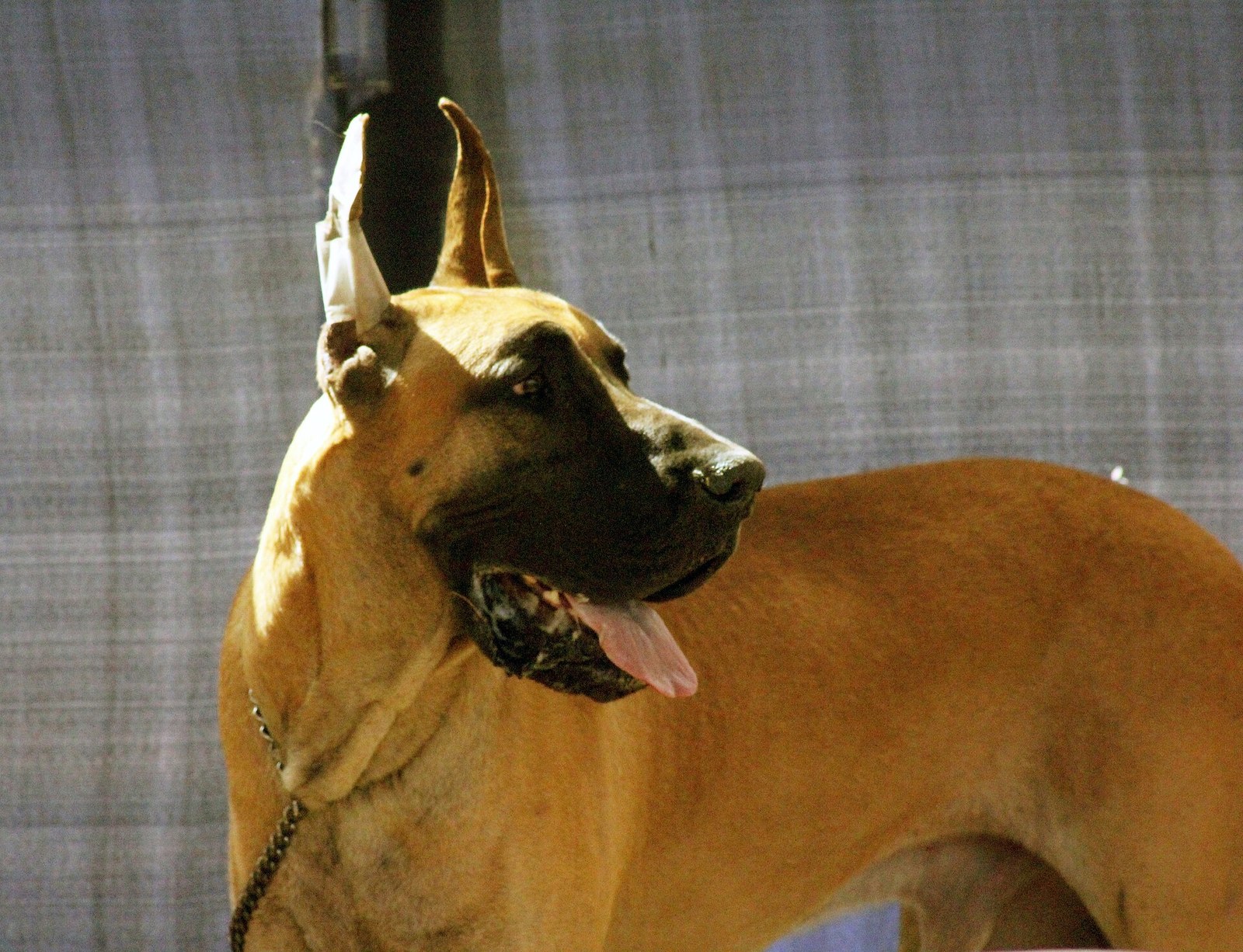
Natural Great Dane ears fold forward and do not need cosmetic cropping, taping, or shaping. Inspect the visible ear during relaxed handling and note new redness, odor, discharge, scratching, or head shaking. These signs can have different causes, so ask for veterinary assessment rather than selecting an old ear medicine from the cupboard.
Do not insert cotton swabs into the canal or fill it with homemade cleaner. If cleaning is necessary, have the clinic show you the appropriate product and technique for that dog. A painful ear is not a training challenge to solve by holding the head tighter.
Leave the tail natural too. Its length and movement deserve practical room in the home: shift sharp-edged objects and avoid shutting the tip in doors. Repeated impacts can cause injuries that are difficult to heal if the dog keeps striking the same surface. Report wounds, swelling, or recurrent bleeding promptly. A tight improvised bandage can cause further harm; medical treatment belongs with the veterinarian, not a cosmetic routine.
Make nail and dental care gradual
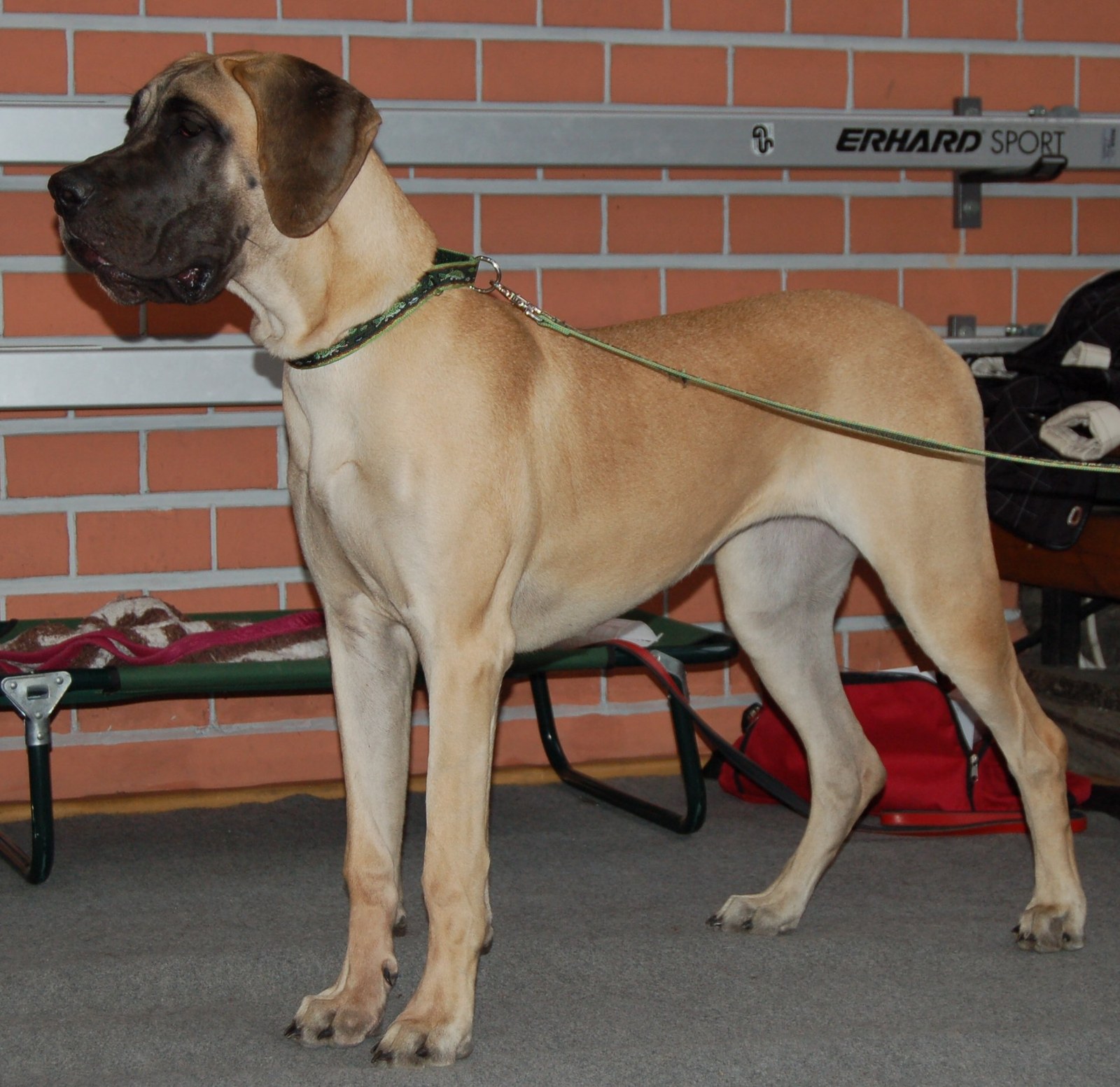
Long nails can interfere with comfortable footing, but trimming should not become a struggle. Ask a veterinary professional to demonstrate how to identify the quick and remove small amounts safely. Dark nails can make the living tissue harder to judge. Practice paw contact separately from clipping, and stop before either handler or dog becomes frustrated.
Use a simple maintenance checklist:
- Inspect nails, including any dewclaws, for overgrowth or damage.
- Look between toes for trapped debris, redness, or soreness.
- Use suitable tools and conservative cuts only when confident.
- Reward cooperation and allow breaks between paws.
- Seek help for painful, split, embedded, or bleeding nails.
Introduce tooth brushing gradually with a dog-appropriate toothpaste, starting with brief lip contact and easy access to a few teeth. Do not use human toothpaste or household tartar-scraping tools. Bad breath, dropping food, drooling, or reluctance to chew deserves examination. Very hard chews are not a dependable substitute for dental care and can damage teeth.
Separate routine maintenance from medical treatment
During grooming, notice whether your Dane can stand comfortably, turn its head, and tolerate touch in familiar places. Check pressure areas and bedding if an older dog spends more time lying down. Record a new lump or lesion and ask the veterinarian what follow-up is appropriate; do not squeeze, cut, or repeatedly apply products to an unexplained change.
Clean tools between uses and explain any suspected contagious skin problem before visiting a groomer. Keep sessions flexible for puppies, seniors, and dogs with mobility limitations. A successful routine leaves the dog comfortable and willing to participate again. A perfectly finished coat is less important than a trusting relationship and early recognition of discomfort.
Continue reading: Living With a Great Dane: Space, Family, and Long-Term Plans.
Sources and further reading:
- Royal Kennel Club: Great Dane breed standard
- Association for Pet Obesity Prevention: Great Dane weight comparison
- PetMD: Great Dane
- American College of Veterinary Surgeons: Gastric Dilatation-Volvulus
- MSD Veterinary Manual: Nutritional Requirements of Small Animals
Photo credits: Rexness (CC BY-SA 2.0), localpups (CC BY 2.0), Lilly M (CC BY-SA 2.5). Images resized and compressed for web display. Each image retains its linked license. This dog shows cropped ears. Ear cropping and tail docking are cosmetic procedures; the Great Dane profile presents natural folded ears as normal anatomy and does not recommend cropping. Retained for breed representation with this disclosure.


