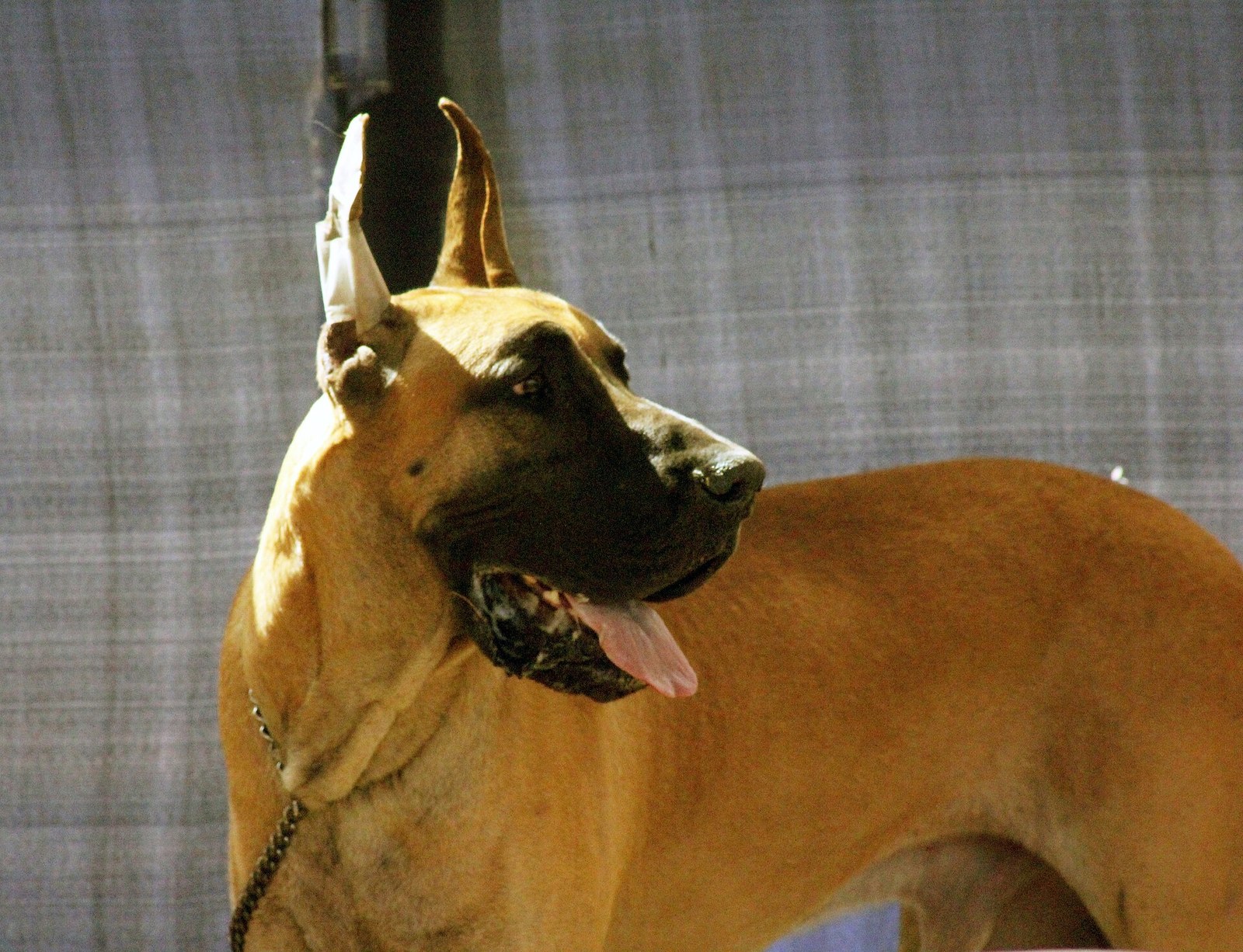
Living with a Great Dane means sharing everyday space with a dog that can reach a kitchen worktop and occupy an entire doorway. The breed's affectionate reputation is appealing, but the practical questions deserve equal attention. Before committing, imagine a workday, a rainy evening, a holiday, and an emergency with an adult giant dog rather than only a cuddly puppy.
Choose the individual, not the impressive silhouette
Despite the name, the Great Dane is German in origin. Its history includes boar hunting and guarding estates, but a modern companion should be chosen for compatibility rather than an intimidating image. Meet suitable dogs where possible and ask a rescue or responsible breeder about temperament, handling, previous living arrangements, and health information.
Ask for actual medical and breeding-screening records, not assurances based on size or coat color. The Great Dane Club of America highlights hip, heart, thyroid, and eye screening, but normal results cannot guarantee unaffected offspring. For an adult rescue, information about daily behavior and current clinical needs may be especially useful even when family records are unavailable.
PetMD gives an estimated lifespan of seven to ten years. Some individuals live outside that range; it is not a promise or a deadline. Think through changes in work, housing, relationships, and mobility over that period. A household should want the relationship and accept the care responsibilities, not simply enjoy the novelty of owning an enormous dog.
Evaluate access rather than counting rooms
A large property is not automatically a suitable home, and a smaller one is not automatically unsuitable. Look at how the dog will enter, turn, rest, and reach a toilet area. Slippery stairs, a tiny lift, or a narrow hallway can create difficulties that floor area alone does not reveal. Consider what happens if the dog becomes lame or cannot climb.
Provide a supportive bed in a quiet place and enough clearance that people do not repeatedly step over the sleeping dog. Move fragile items out of tail range and secure food, rubbish, medicines, and household chemicals at adult-Dane reach. Gates and doors must be robust enough for safe separation.
Check tenancy, building, and insurance conditions before adoption rather than assuming a friendly dog will be exempt. Plan nonslip routes and safe vehicle access. The most important space may be the route to help: can a sick adult get from the resting area into suitable transport without being dragged down stairs?
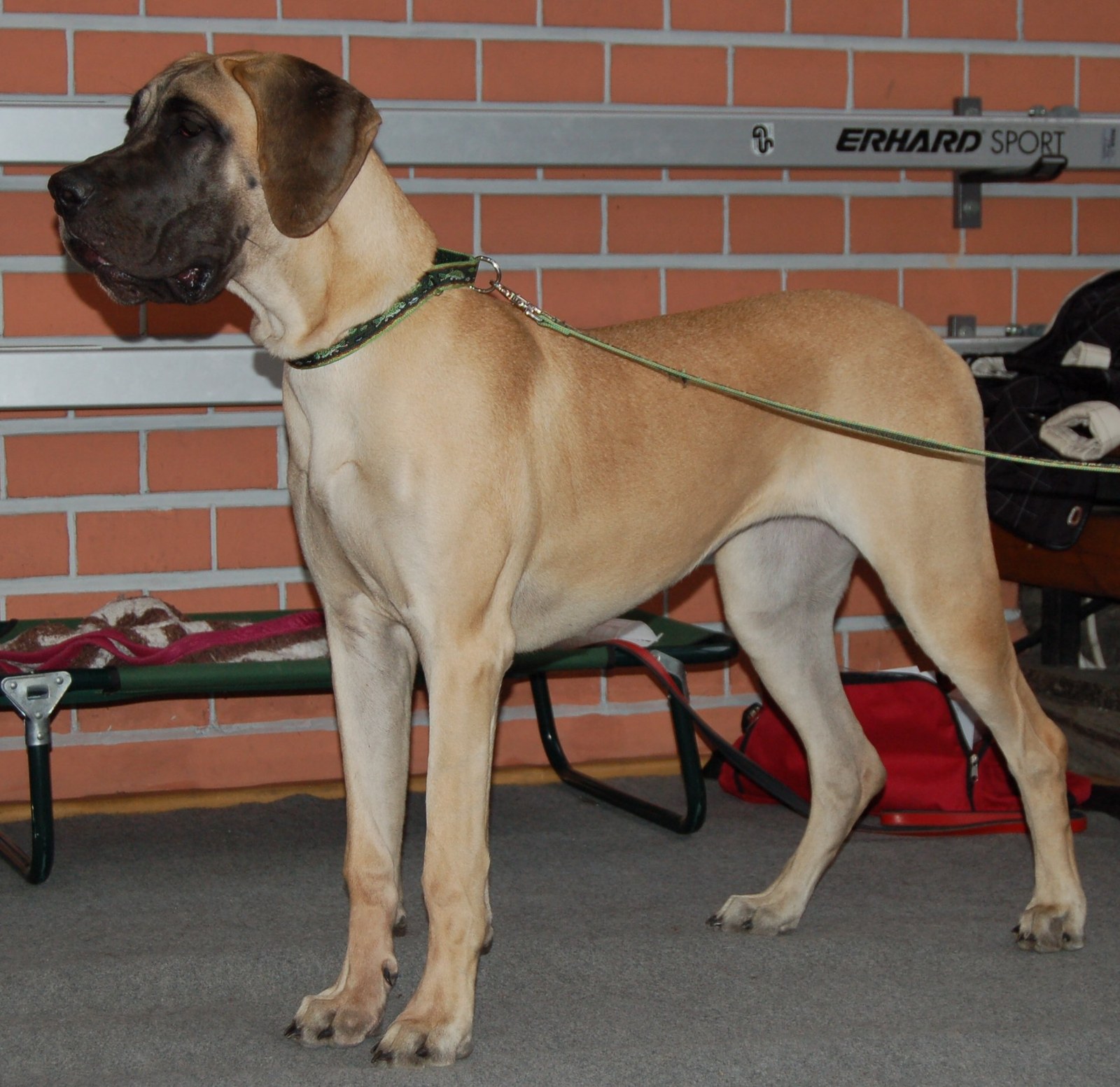
Build family safety around supervision and choice
An affectionate Dane can still injure someone accidentally. Excited greetings, leaning, or a sudden turn may knock over a child or an adult with limited balance. Teach calm greeting and mat skills while managing visitors with secure barriers. Guests should not need to fend off a giant dog while removing their coats.
Children need active adult supervision and clear rules: do not climb on the dog, pull its ears or tail, interrupt meals, or disturb sleep. Provide a dog-only retreat and a way for children to play separately. If the supervising adult is distracted, use physical separation rather than relying on the dog's reputation.
Other pets also need thoughtful introductions and protected resources. Previous friendliness does not guarantee safety with every cat or dog. Avoid forced meetings and give each animal its own resting and feeding space. A Dane that freezes, retreats, or growls needs distance and assessment, not punishment for failing to act like a gentle giant.
Make workdays realistic and financially sustainable
Many Great Danes enjoy close companionship, so plan how the dog will receive care during absences. Puppies need frequent attention and toileting opportunities; an adult's comfort alone depends on health, learning history, and individual tolerance. There is no single number of hours that makes separation suitable for every Dane. Build alone-time gradually and arrange help before long absences begin.
A capable walker or sitter must be able to manage the dog's strength humanely. Meet them in advance and demonstrate cues, equipment, and routines. Persistent distress while alone needs a veterinary and qualified behavior plan, not punishment for noise or damaged furniture.
Budget categories should include:
- Complete food appropriate to life stage and body condition.
- Durable, correctly sized beds, walking equipment, and barriers.
- Preventive examinations and any recommended screening.
- Insurance or savings for investigations and emergencies.
- Skilled holiday cover and suitable transport.
Costs vary by location and individual need, so avoid relying on a fixed internet price. Read policy exclusions and limits carefully; having a policy is not proof that every future condition or procedure will be covered.
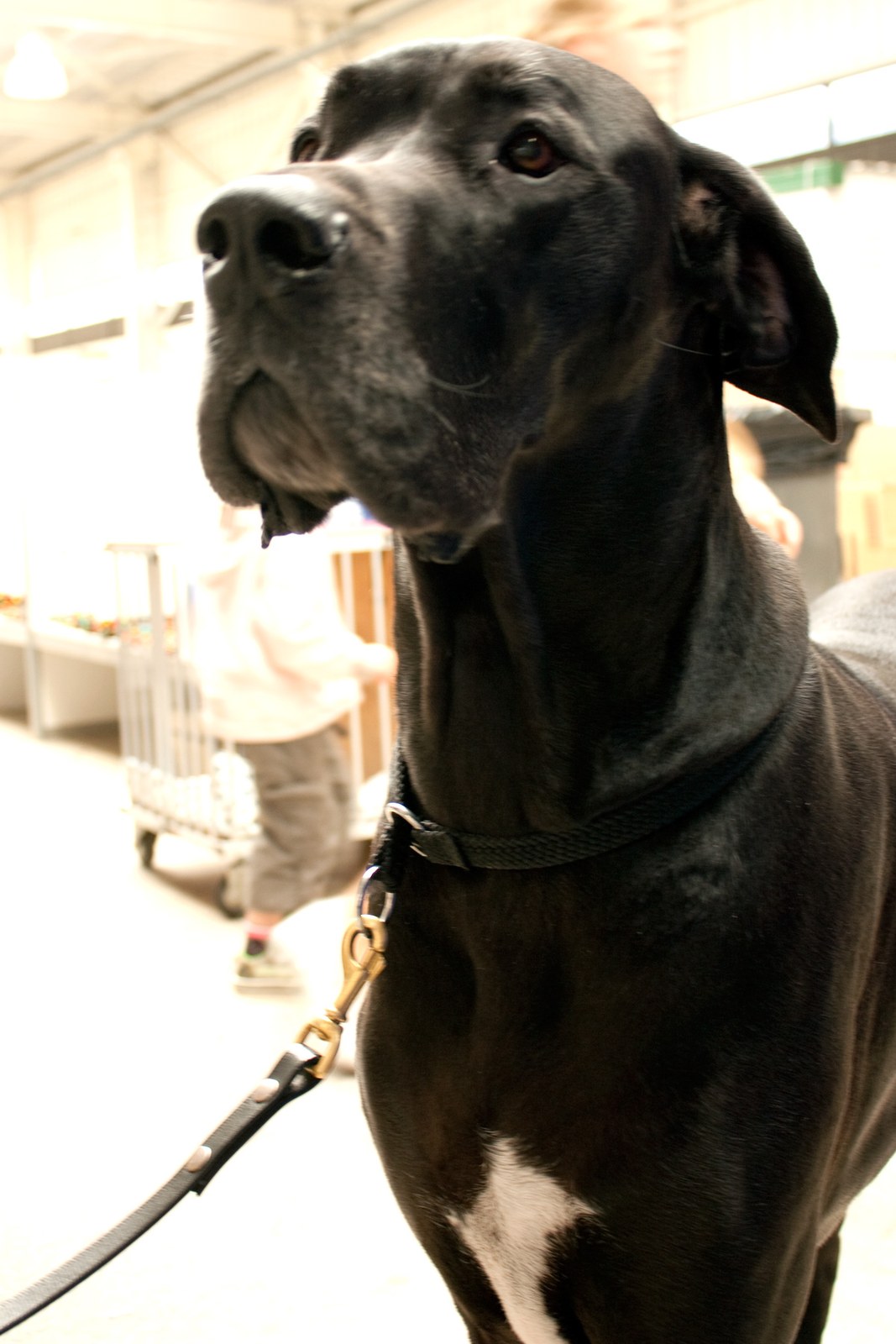
Prepare travel and caregiver handovers in advance
Practice entering the vehicle before a journey becomes necessary. Use suitable, correctly fitted restraint and ensure the dog can travel without overheating or being cramped. Do not leave a Dane in a parked vehicle. Check accommodation and carrier policies before booking, including whether an adult of that size is accepted.
For international travel, verify current destination, transit, and return requirements with official authorities and your veterinarian. Rules and documentation differ; a previous trip or another owner's experience does not establish today's requirements.
Adapt the household as your Dane ages
An older Dane may benefit from easier toileting access, more traction, supportive bedding, and changes to vehicle entry. Introduce adjustments before a crisis when possible. A stable ramp or a different resting location should be taught gently rather than imposed when the dog is already frightened or painful. Ask the veterinary team about safe assistance for reduced mobility.
Do not assume that reluctance to rise, weight change, reduced appetite, or irritability is simply old age. Pain, dental disease, cardiac problems, and other illnesses deserve assessment. Preserve enjoyable sniffing, comfortable interaction, and choices about rest while adapting activity to the individual.
Discuss quality of life with your veterinarian when chronic problems develop, including comfort, eating, toileting, sleep, and interest in familiar activities. Long-term care is not measured by how youthful the dog looks. A successful home remains safe and responsive as needs change, allowing companionship to continue without overlooking discomfort.
Continue reading: Great Dane Care Guide: A Safe Start for a Giant Companion.
Sources and further reading:
- Royal Kennel Club: Great Dane breed standard
- Association for Pet Obesity Prevention: Great Dane weight comparison
- PetMD: Great Dane
- American College of Veterinary Surgeons: Gastric Dilatation-Volvulus
- MSD Veterinary Manual: Nutritional Requirements of Small Animals
Photo credits: localpups (CC BY 2.0), Lilly M (CC BY-SA 2.5), Rexness (CC BY-SA 2.0). Images resized and compressed for web display. Each image retains its linked license. This dog shows cropped ears. Ear cropping and tail docking are cosmetic procedures; the Great Dane profile presents natural folded ears as normal anatomy and does not recommend cropping. Retained for breed representation with this disclosure.


