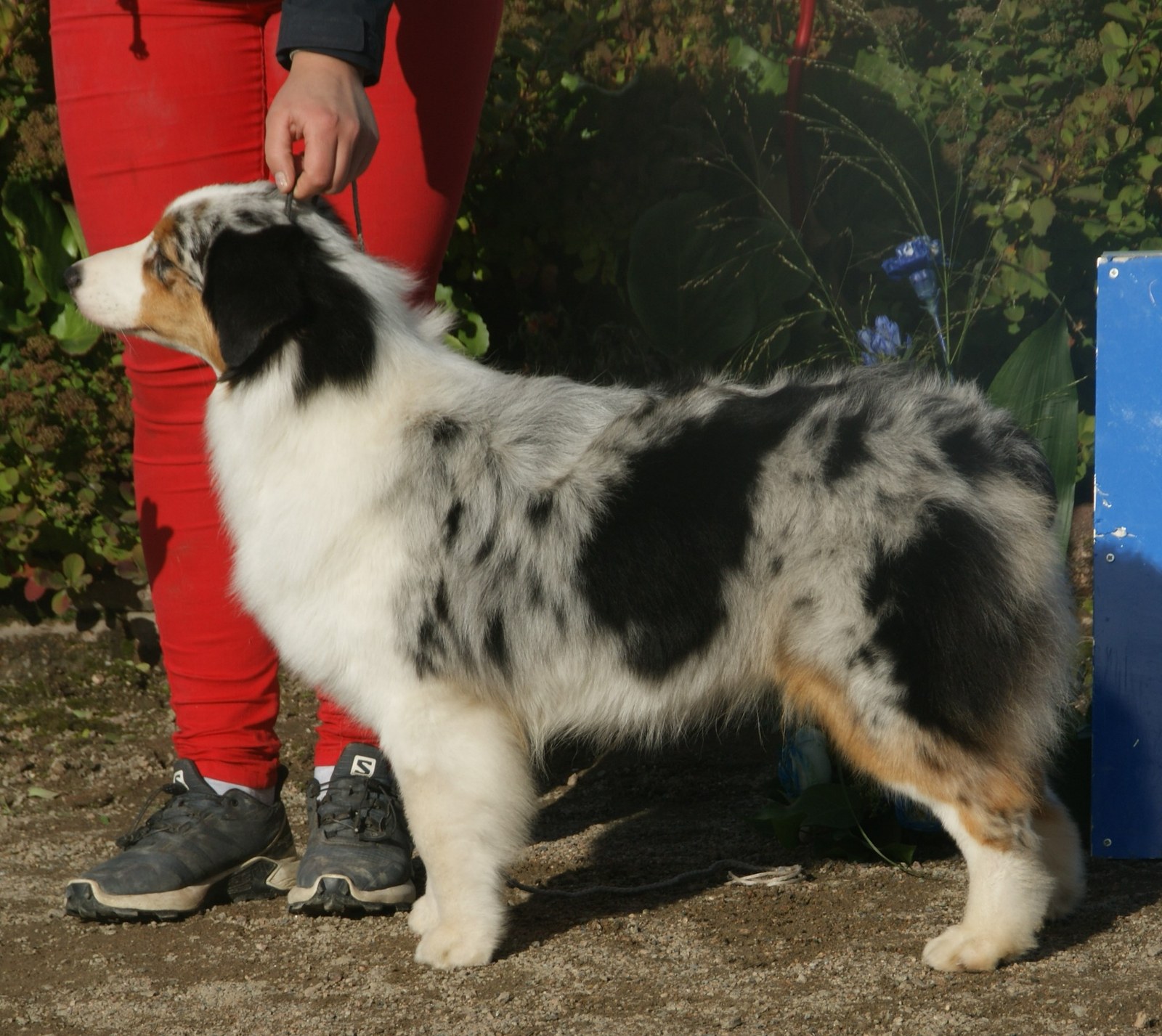
Australian Shepherd grooming should make the dog comfortable, not merely produce a smooth-looking top layer. The breed's medium-length, weather-resistant coat has an undercoat that varies with climate, and feathering can hide tangles close to the skin. A quick sweep over the back may leave those areas untouched. Build a calm routine that reaches the coat properly, checks the skin, and includes feet, mouth, and ears without forcing prolonged restraint.
Understand the coat before choosing tools
The breed standard describes hair of medium texture, straight to wavy, with moderate feathering on the backs of the forelegs and hindquarters. Undercoat quantity varies, so two Aussies living together may not require identical sessions. Regular shedding is expected, with heavier periods of coat turnover. Weekly brushing is a useful starting point from breed-care guidance, but inspect the individual and increase attention when loose hair or tangles accumulate. A calendar cannot tell you whether the skin is comfortable.
Choose a brush appropriate for the coat and a comb that helps check whether small sections are clear to the skin. Ask a knowledgeable groomer to demonstrate on your dog instead of buying every tool advertised as a shedding solution. Strong pulling, repeated scraping, and aggressive use of cutting tools can damage skin or coat. Removing the most hair is not the goal. Work toward a comfortable, untangled coat, stopping if the dog shows pain, redness, or persistent efforts to escape.
Brush in small sections and inspect hidden areas
Work on a nonslip surface at a height that is safe for both of you. Begin where the dog tolerates touch easily and separate small sections rather than dragging a brush through the entire coat at once. Support the hair near its base if a small tangle needs gentle attention, avoiding traction on the skin. Check the result with a comb without forcing it through resistance. Short sessions can be more productive than finishing one painful marathon.
Give particular attention to areas where friction and moisture encourage tangling:
- Behind the ears and beneath the collar or harness.
- The armpits and feathering along the legs.
- The hindquarters and longer hair around the rear.
- Areas that stayed damp after a walk or swim.
- Spots the dog repeatedly licks or avoids having touched.
Tight mats close to the skin need professional help. Do not slide scissors underneath them: skin can be pulled into the mat and cut without being visible. If there are sores, odor, swelling, or marked pain, contact the veterinary team rather than booking only a cosmetic trim.
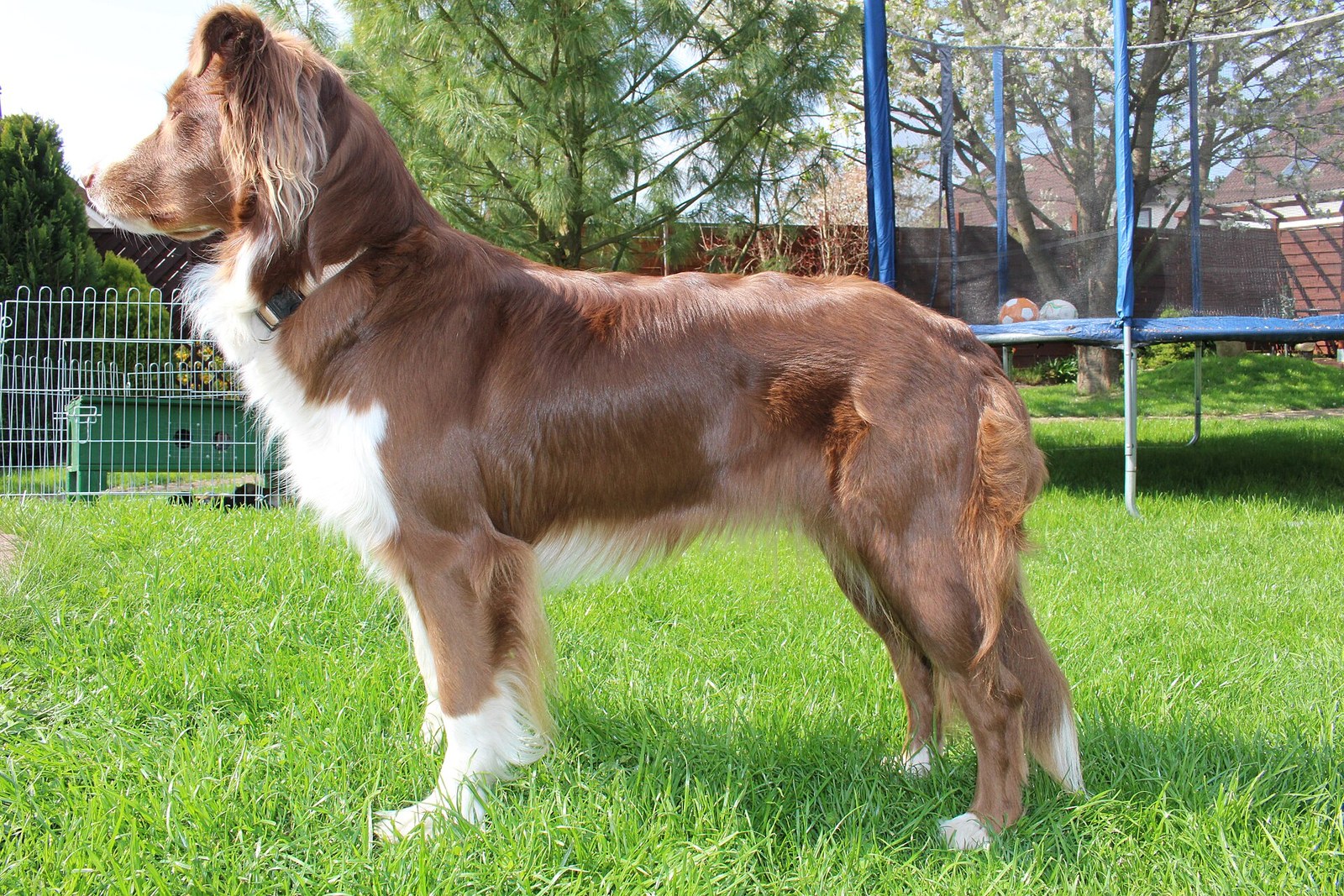
Bathe for a reason and dry the undercoat
Choose bathing according to genuine soiling, coat condition, and veterinary advice, not an arbitrary need for perfume. Gather towels, a suitable canine shampoo, and a stable footing surface before starting. Check for mats first, because washing is not a reliable way to loosen tightly tangled hair. Use comfortable water, avoid directing it into ears or eyes, and rinse thoroughly so product does not remain against the skin.
Dry carefully through the coat, paying attention to dense or folded areas rather than judging by a dry-looking surface. If a dryer is used, it should be appropriate for dogs, introduced gradually, and operated without excessive heat or frightening force. Stop if the dog is distressed. Recurrent strong odor, greasy patches, redness, or persistent itching deserves assessment instead of repeated shampoo changes. A dog that keeps becoming soiled around the rear may have a digestive or mobility problem, so investigate the cause rather than simply washing more frequently.
Manage summer comfort without routine close shaving
A thick coat can make owners assume that removing it is the only way to keep an Aussie comfortable. Routine close shaving is not the default recommendation for this double-coated breed. Maintain the coat by removing loose hair gently and resolving tangles, while managing the dog's surroundings and workload. Shade, fresh water, suitable ventilation or cooling, and outings timed for safer conditions matter more than a cosmetic summer transformation. A brushed coat does not make vigorous exercise in excessive heat safe.
Medical clipping and removal of severe matting are different situations, and animal comfort takes priority over preserving appearance. A veterinarian or qualified groomer can advise on the least stressful appropriate approach. Avoid absolute claims that every clipped coat is permanently ruined; regrowth and underlying skin health vary. Likewise, do not promise that leaving the coat untouched prevents overheating. Monitor the actual dog, reduce exertion in unsuitable conditions, and treat abnormal breathing, weakness, or collapse as urgent concerns rather than normal post-grooming tiredness.
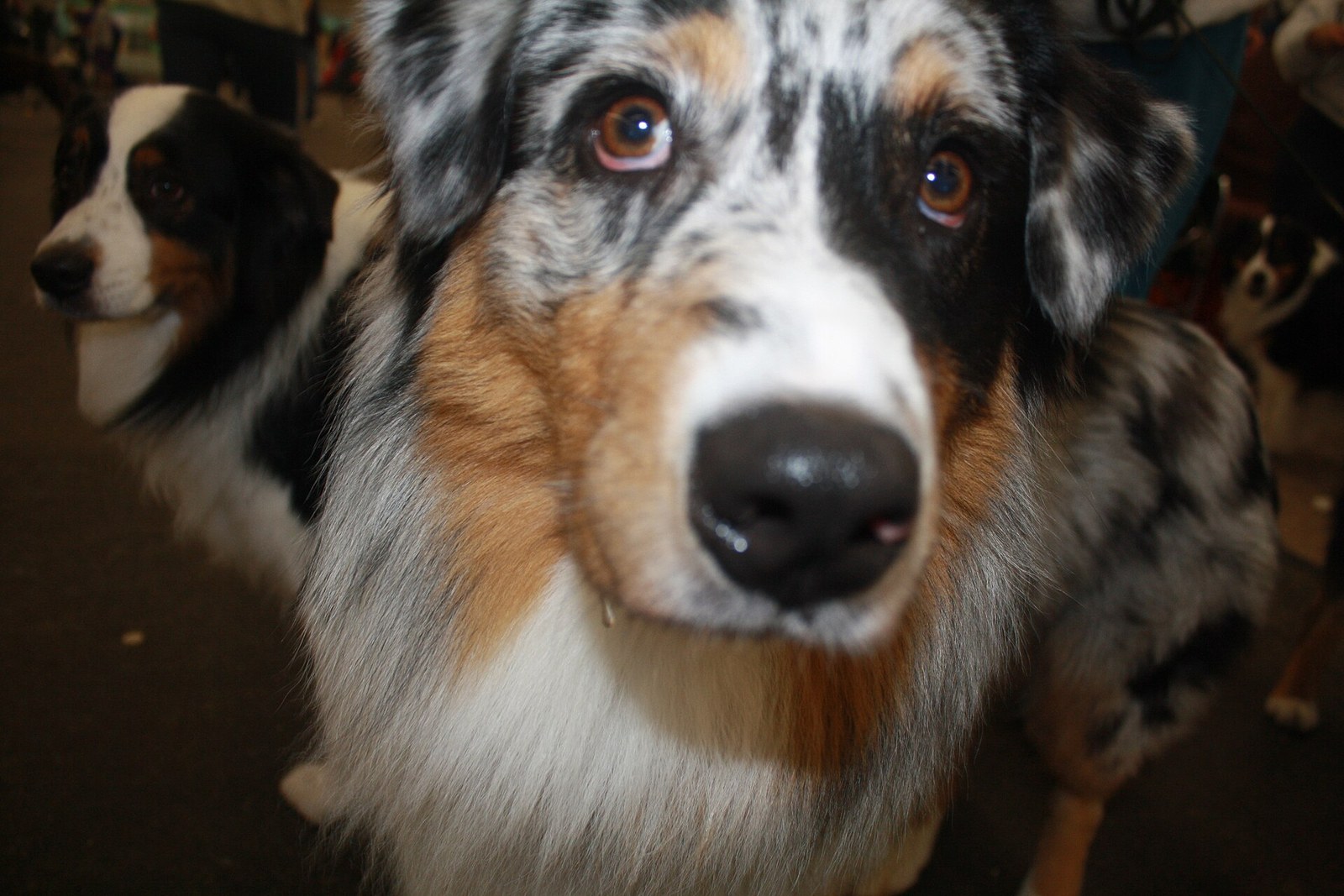
Include nails, feet, ears, and teeth
Inspect pads and between the toes after outings for debris, injuries, or persistent moisture. Keep nails at a comfortable length with conservative trims or professional help. Ask for a demonstration if you cannot identify the quick, especially on dark nails. Practice offering a paw separately from clipping so every touch does not predict an uncomfortable event. A torn nail, swelling, or ongoing bleeding needs veterinary advice.
Look at the visible ear without probing deeply. New odor, discharge, head shaking, pain, or redness should be assessed before introducing cleaners. Do not insert cotton swabs into the canal or use leftover ear medication. For teeth, build gradual brushing with an appropriate canine product and veterinary instruction. Avoid human toothpaste and do not scrape tartar with household instruments. Bad breath, dropped food, drooling, or a sudden reluctance to have the face touched can indicate pain. Chews and attractive white front teeth do not establish that the whole mouth is healthy.
Make grooming cooperation part of health care
Let the dog participate in small, predictable steps. Reward standing comfortably, a brief brush stroke, or a moment of paw handling, then pause before frustration develops. Choose a time when the dog is calm but awake, and avoid cornering it on a slippery floor. If it suddenly resists a task previously tolerated, consider pain or skin disease rather than stubbornness. Explain any concerns and existing medical information to the professional who will handle the dog.
Keep tools clean and record recurring problem areas. An older Aussie may need shorter sessions, more comfortable footing, and help reaching positions that used to be easy. Successful grooming is measured by skin health, freedom of movement, and growing cooperation, not by whether every strand looks ready for a show photograph.
Continue reading: Living With an Australian Shepherd: A Realistic Household Guide.
Sources and further reading:
- United States Australian Shepherd Association: Breed Standard
- PetMD: Australian Shepherd
- Washington State University: MDR1 for Dogs
- Royal Kennel Club: What Is Merle?
- WSAVA: Global Nutrition Guidelines
Photo credits: Canarian (CC BY-SA 4.0), Trickdog-Fina (CC BY-SA 3.0), Fido Factor from USA (CC BY-SA 2.0). Images resized and compressed for web display. Each image retains its linked license.


