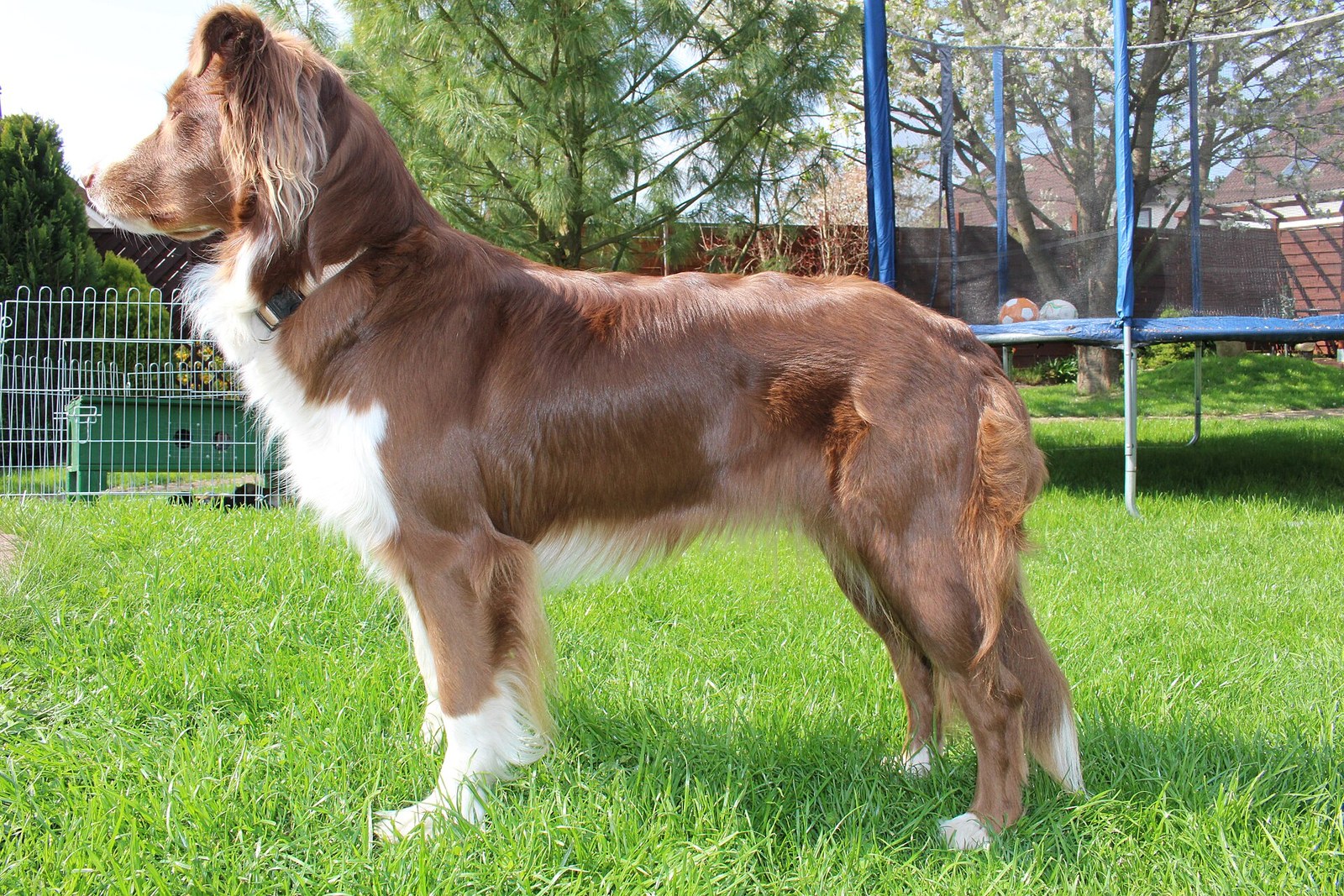
Living with an Australian Shepherd can be deeply rewarding when you enjoy an observant dog that wants to participate. It can be difficult when the expectation is a decorative companion that exercises itself in the yard. The useful question is not whether Aussies are good dogs, but whether your household can consistently support this particular individual. Picture an ordinary rainy workday, an unexpected visitor, and a week when you are ill before planning the perfect weekend hike.
Match the individual to your ordinary life
Consider how much practical attention you can provide, who manages outings, and whether the home has places for uninterrupted rest. An Australian Shepherd may enjoy challenging activities, but no dog should need constant entertainment to feel safe. Meet adults when possible and ask a rescue or responsible breeder about behavior around people, animals, movement, and time alone. The answers should include difficulties as well as attractive qualities.
This breed was developed in the United States despite its name. It is not interchangeable with the distinct Miniature American Shepherd, and casual mini Aussie advertising should not replace accurate information. Ask about identity, expected size, health records, and the actual dog rather than buying a label. Published lifespan estimates around 12-15 years describe a substantial commitment, not a promise of longevity. Think through future housing, changing work patterns, and who will care for the dog if the original enthusiastic family member cannot.
Build workdays around needs and available support
Before work, provide a suitable toilet opportunity and activity without creating a frantic race to exhaustion. Leave the dog in a safe environment with water and an established resting routine. Alone time needs gradual teaching; you cannot assume that affection for the family predicts comfort during a long absence. If a dog is pacing, vocalizing persistently, or attempting escape, arrange support and obtain behavior advice instead of extending the duration until it gives up.
A walker, trusted sitter, or another appropriate arrangement may make a workday manageable. Choose help based on competence with your individual dog, not simply the promise of maximum exercise. A crowded daycare or uncontrolled group walk can overwhelm a reserved or movement-sensitive Aussie. Ask how dogs are assessed, how rest and separation are provided, and how emergencies are handled. An apartment can suit some dogs with realistic access and support, while a large property can still leave a dog isolated and frustrated.
Make child safety a shared adult responsibility
Running games can trigger pursuit, barking, or heel-nipping. Prevent access to that setup with gates, leads where appropriate, and adult supervision before the dog becomes excited. Do not expect a young child to train an adult herding dog while being chased. Teach an alternative response in easier situations, and obtain qualified help if the behavior is persistent or unsafe. Herding ancestry is an explanation, not permission to nip.
Children can help prepare rewards or observe calm training while an adult manages the interaction. Teach them to leave the dog alone while eating, chewing, sleeping, or resting behind a barrier. Give the dog a retreat no child can follow it into. A previously patient dog may react differently when painful, tired, or cornered, so supervision remains necessary even after many peaceful encounters. If the dog growls, create distance and examine what made it uncomfortable rather than punishing a warning or requiring the child to continue touching it.
Plan introductions to visitors and other animals
An Aussie does not have to welcome every visitor with physical contact. Arrange a bed or secure area away from the entrance before opening the door. Ask guests to ignore the dog initially and let it observe from a comfortable distance. Avoid crowding, leaning over, or reaching into the retreat. Reward calm choices and provide a separate rest period when the household becomes busy. A party is not the moment to test whether a nervous dog has become sociable.
Introductions to another dog should be controlled, gradual, and responsive to both animals. Provide separate feeding and resting access rather than expecting immediate sharing. Cats need protected escape routes and a plan that prevents chasing; apparent interest should not be confused with safe behavior. Small prey animals require secure separation, not a supervised experiment to discover whether the Aussie has learned enough restraint. Some individual combinations are not suitable for shared access. Compatibility depends on observation and management, not a universal breed promise.
Prepare for travel, sitters, and inconvenient days
A holiday plan needs more than food and a spare key. Choose someone comfortable with your dog's handling, activity, rest, and known triggers. Demonstrate the lead setup, feeding measurements, secure exits, and how the dog signals discomfort. Leave permission arrangements for veterinary treatment as appropriate, along with the regular clinic, after-hours service, transport plan, and medical records. If MDR1 testing has been done, make the report easy to locate.
Write down information a caregiver can act on:
- The normal feeding, toileting, exercise, and rest routine.
- Visitor, child, and other-animal boundaries.
- Current treatments and the location of genetic results.
- Behaviors that need distance or an immediate call for help.
- Emergency contacts and a backup caregiver.
Introduce travel restraint or a suitable carrier gradually, and protect temperature and ventilation during journeys. Never leave the dog in a parked vehicle. Check current destination and transport requirements before booking cross-border trips. Keep a backup for illness, delayed travel, or a broken gate; good ownership includes uneventful continuity when the main plan fails.
Adjust expectations as the dog matures
An adolescent may need more environmental help than it did as a small puppy, even when it already knows familiar cues. Keep training achievable and consistent instead of interpreting every lapse as lost respect. An older Aussie may prefer gentler outings, softer footing, easier access to beds, and shorter grooming sessions. Preserve sniffing, choice, and companionship rather than retiring the dog from every enjoyable activity.
Budget for ongoing examinations and unexpected investigations without relying on a fixed online lifetime price. Update support plans as health and behavior change. A satisfying life together is not measured by sport titles or distance covered. It is a home where the dog can participate, recover, communicate discomfort, and receive dependable care through each stage of life.
Continue reading: Australian Shepherd Care: Build a Balanced Daily Routine.
Sources and further reading:
- United States Australian Shepherd Association: Breed Standard
- PetMD: Australian Shepherd
- Washington State University: MDR1 for Dogs
- Royal Kennel Club: What Is Merle?
- WSAVA: Global Nutrition Guidelines
Photo credits: Trickdog-Fina (CC BY-SA 3.0), Fido Factor from USA (CC BY-SA 2.0), Ron Armstrong from Helena, MT, USA (CC BY 2.0). Images resized and compressed for web display. Each image retains its linked license.


