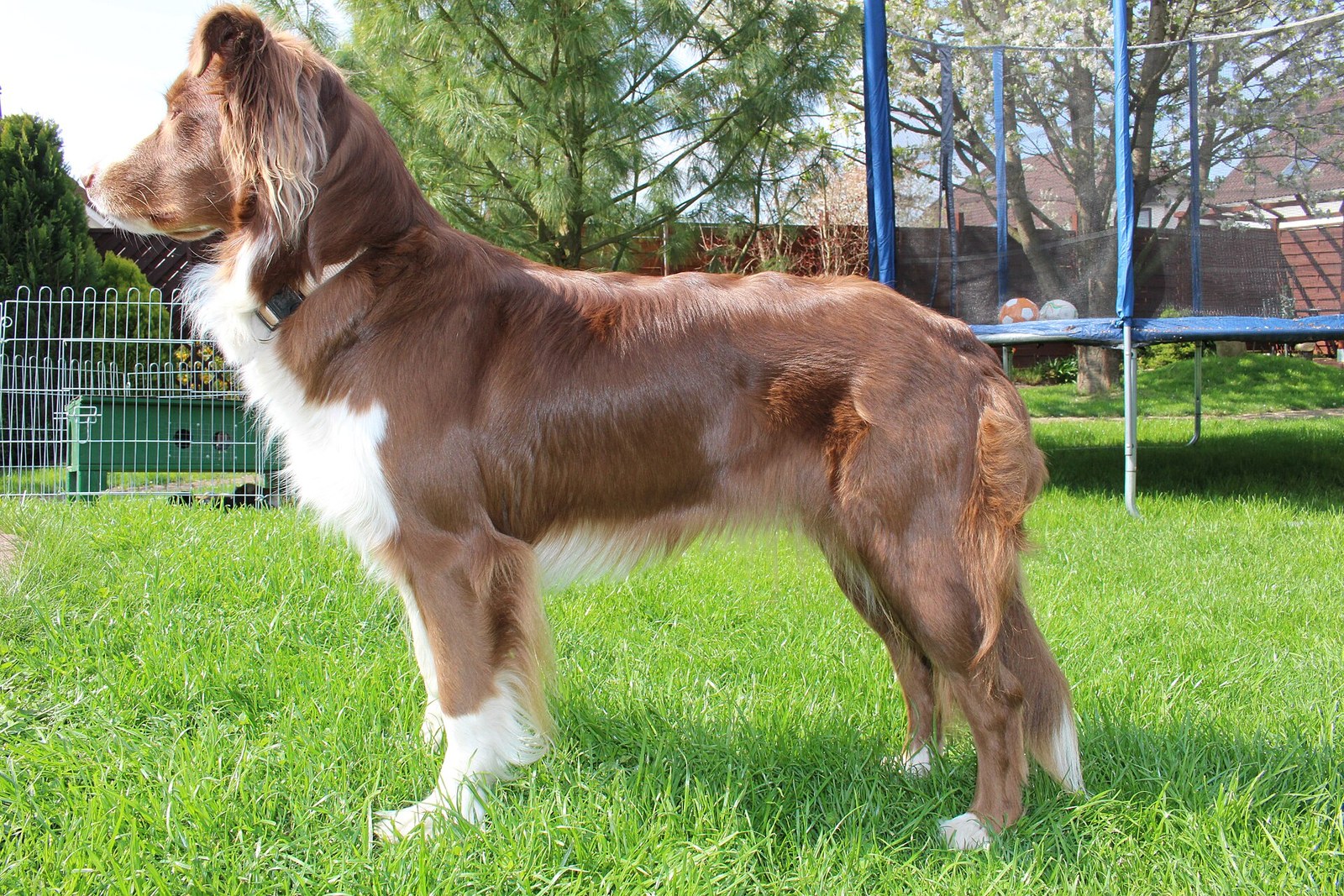
Australian Shepherd nutrition is often complicated by a simple assumption: an active-looking herding dog must need a high-energy diet. Some working Aussies do have substantial energy demands, but many companions spend much of their day resting between outings. Feed the individual rather than the breed's reputation. A complete diet, measured intake, clean water, and regular body-condition assessment provide a stronger foundation than fashionable ingredients or a fixed number of cups.
Read the nutritional purpose before the marketing
Look for a food described as complete and appropriate for your dog's life stage. In the United States, review the nutritional adequacy statement; in the UK, distinguish complete food from complementary products intended to accompany another diet. A treat, topper, or supplementary meat product should not quietly become the main meal. Puppy growth, adult maintenance, and a veterinarian-directed therapeutic diet are different nutritional purposes, even when the packages use similar imagery.
Ask who formulates the product, what nutritional expertise the manufacturer uses, and how quality and nutritional adequacy are evaluated. WSAVA's nutrition resources emphasize information beyond an attractive ingredient list. A named meat ingredient is not proof of a balanced diet, and an unfamiliar-sounding nutrient is not automatically harmful. Avoid selecting solely because a label says natural, ancestral, or performance. If the current diet is complete, well tolerated, and suitable for the individual, novelty alone is not a reason to replace it.
Use body condition rather than a breed-weight target
PetMD describes typical adult Australian Shepherds at 40-65 pounds, but that pooled span is not a feeding prescription. The breed standard supplies preferred shoulder heights, not an ideal weight for every dog. Sex, frame, muscle, reproductive status, and lifestyle affect the number on the scale. A healthy smaller adult should not be fed toward the upper end simply to resemble a photograph of a larger male.
Ask the veterinary team to demonstrate body-condition assessment beneath the coat. Feel over the ribs, evaluate the waist, and consider muscle as well as fat. The double coat can disguise gradual weight gain or loss. Weigh on a consistent scale when practical and look at trends alongside comfort and activity. A package feeding guide offers a starting estimate, not an instruction to keep the same amount forever. Review intake after lifestyle changes, illness, or a significant shift in exercise, and seek advice about unexplained weight changes rather than merely adjusting the bowl.

Make meals and training rewards one budget
Measure the day's food before distributing meals and training portions. Weighing dry food can be more consistent than loosely filling different cups, particularly when several people feed the dog. Divide the allowance into a routine that suits the individual and your veterinarian's advice. Predictable meals make appetite changes easier to notice than repeatedly topping up an unmeasured bowl. Keep fresh water freely available, including after activity; do not restrict water as a training shortcut.
Useful feeding habits include:
- Reserve part of the complete food for easy training exercises.
- Count edible chews, filled toys, toppers, and table extras.
- Share one reward allowance with the whole household.
- Feed separately when animals compete or guard resources.
- Remove access to another pet's food and stored food bags.
Adapt nutrition to growth and real workload
A puppy needs an appropriate growth diet, not an adult plan copied from a fit older dog. Ask your veterinarian to review growth and body condition, and do not add mineral or vitamin supplements to a complete food without a clinical reason. Faster growth and a heavier puppy are not useful goals in themselves. Keep food puzzles easy enough that the puppy eats adequately rather than spending every meal frustrated.
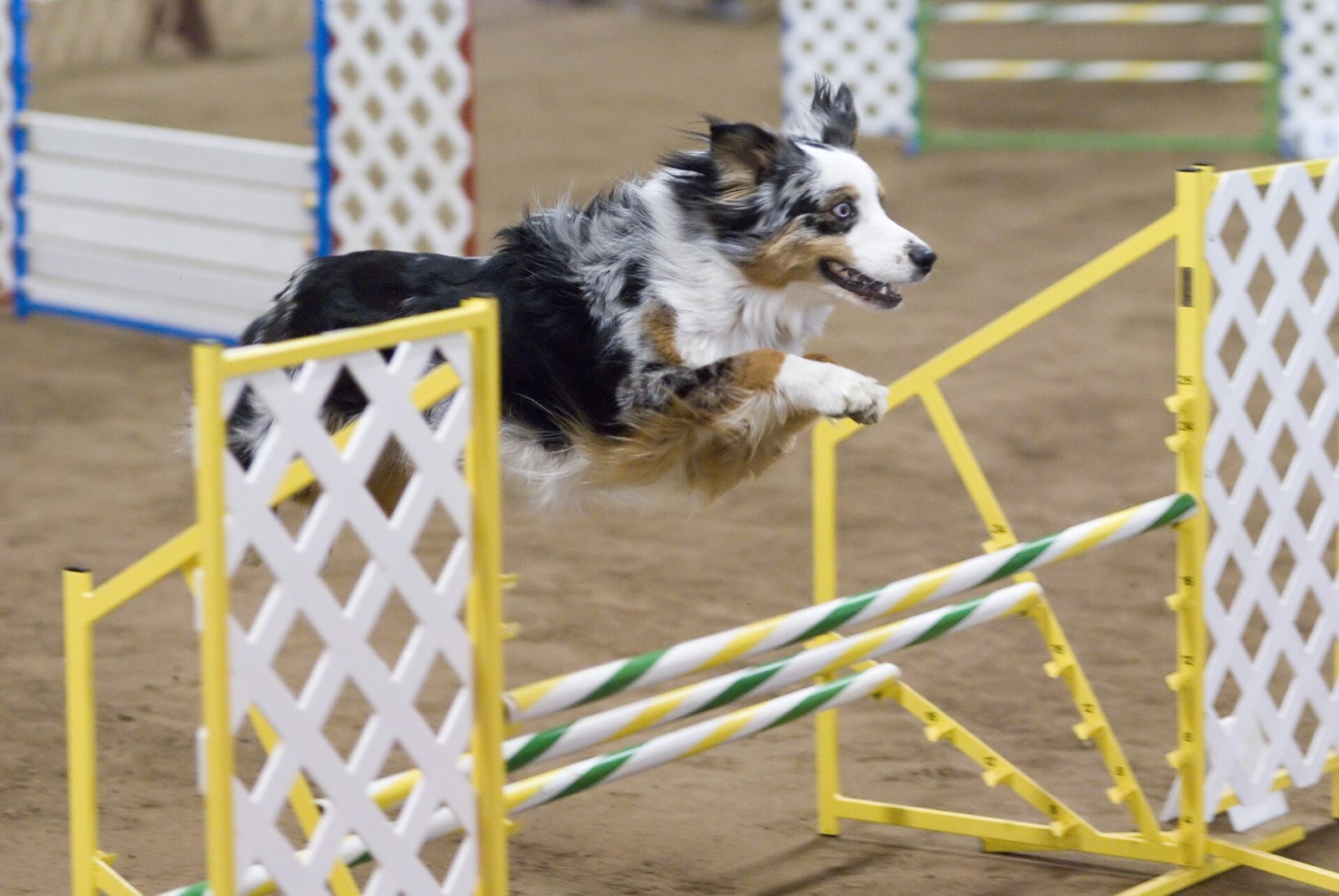
A genuinely hard-working adult may need different energy support from a companion taking ordinary walks. Discuss actual workload, recovery, and weight trends before switching to a calorie-dense sport formula. During reduced activity after injury, the balance may change again. Senior dogs also vary: one may need fewer calories while another loses muscle or appetite and needs investigation. Treat labels such as senior as prompts to examine nutritional suitability, not as substitutes for an individual plan. Therapeutic diets and supplements belong in a veterinary discussion when disease is present.
Introduce changes without creating a food standoff
Obtain the exact existing food and feeding history before bringing an Aussie home. Moving, unfamiliar people, and a new routine can already affect appetite. If a change is appropriate, introduce it gradually in a way your dog tolerates while observing stool quality, comfort, and actual intake. Some dogs sort the mixture, so check what remains rather than assuming every offered ingredient was eaten. Persistent vomiting, diarrhea, or poor intake is a reason to ask for help, not to keep progressing through a transition plan regardless.
Do not withhold the familiar food to force acceptance of an unsuitable alternative. Likewise, avoid cycling through many rich toppers when the dog repeatedly refuses meals; that can obscure a medical problem and unbalance intake. Store food according to its label, retain batch information, and wash bowls and food toys thoroughly. Homemade or raw menus are not automatically complete or safer. If you want a home-prepared diet, seek appropriately qualified veterinary nutrition advice rather than combining internet recipes and supplements.
Recognize when a feeding issue needs a clinician
New appetite loss can reflect stress, mouth pain, digestive disease, or another illness. A dog that approaches food and then backs away is providing different information from one that has always preferred a quieter eating area. Record timing, stool changes, vomiting, drinking, and possible access to missing objects or unsafe food. Arrange prompt veterinary advice for persistent or unexplained changes, and seek help sooner for puppies, medically vulnerable dogs, or any dog that also seems unwell.
Bring food packaging, reward details, weight notes, and existing medication information to the consultation. MDR1 status also belongs in the medical record, but it does not determine calorie needs or justify a special unproven diet. Good feeding decisions remain practical: choose an appropriate complete food, measure what the dog actually eats, assess the individual, and respond when the pattern changes.
Continue reading: Australian Shepherd Health: Screening, MDR1 and Warning Signs.
Sources and further reading:
- United States Australian Shepherd Association: Breed Standard
- PetMD: Australian Shepherd
- Washington State University: MDR1 for Dogs
- Royal Kennel Club: What Is Merle?
- WSAVA: Global Nutrition Guidelines
Photo credits: Trickdog-Fina (CC BY-SA 3.0), Fido Factor from USA (CC BY-SA 2.0), Ron Armstrong from Helena, MT, USA (CC BY 2.0). Images resized and compressed for web display. Each image retains its linked license.


