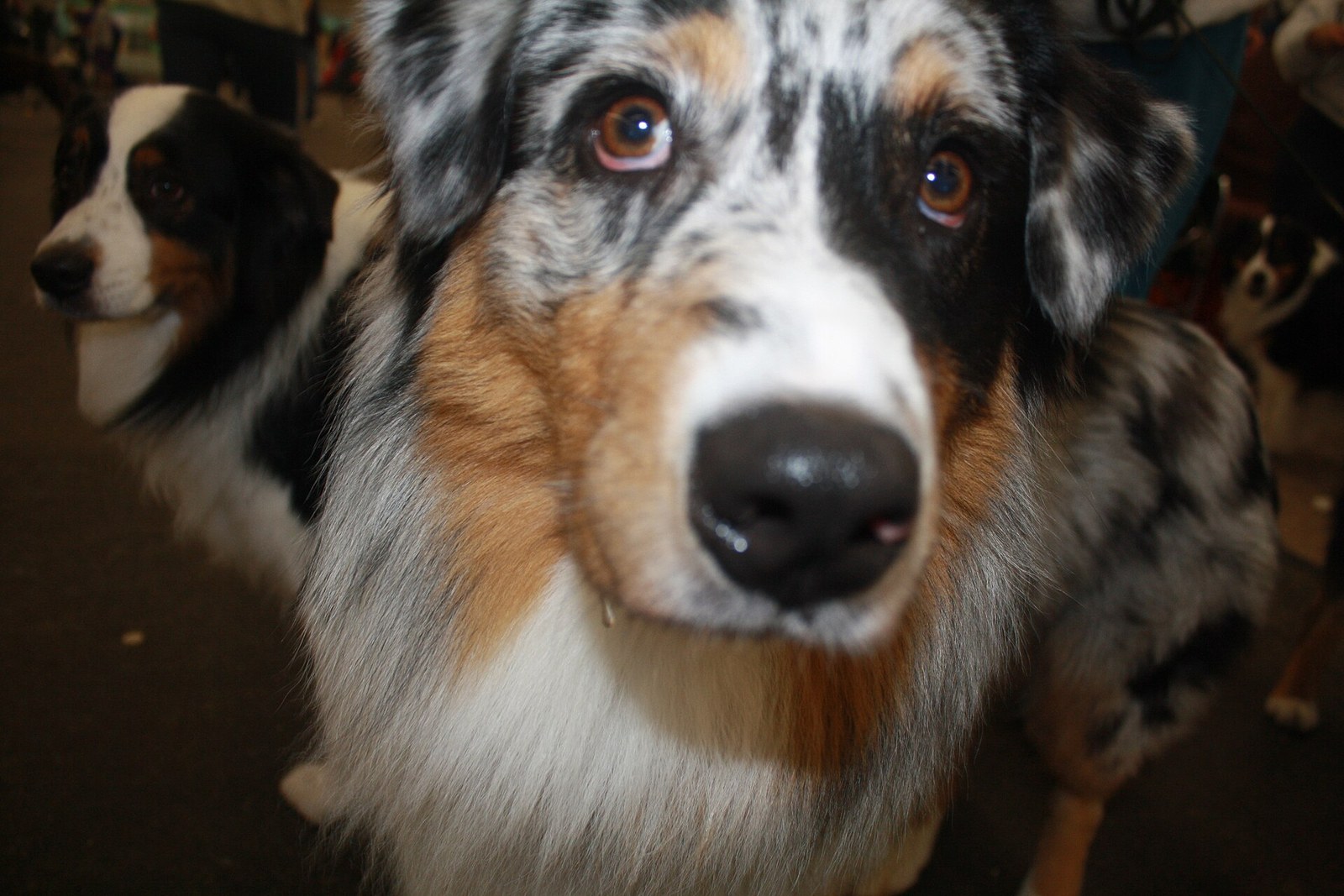
Australian Shepherd health planning begins with separating risk from diagnosis. The breed has recognized inherited concerns, but an individual does not have a disorder merely because it appears on a breed list. Conversely, an energetic dog with an attractive coat can still have an important medical issue. Use documented screening, individual veterinary assessment, and clear observations together. No photograph, seller's promise, or single genetic panel can replace that combination.
Learn what screening can and cannot tell you
Before obtaining a puppy, request the actual health records relevant to the parents and proposed litter. Ask who performed the tests, when they were completed, which dog each result identifies, and what any finding means. A general statement that the parents were vet checked does not establish formal hip evaluation or specialist eye screening. Ask about family health history too, because some conditions cannot be excluded through an available DNA test.
Hip assessment and specialist eye examinations are particularly useful discussion points for Australian Shepherd breeding dogs. Other screening and genetic tests may be appropriate to the line and local scheme. Your veterinarian can help interpret the records without treating every commercial panel as equally informative. Screening can reduce uncertainty, not guarantee unaffected offspring. A reassuring result addresses a particular test at a particular time. It does not exclude every orthopedic, neurological, ocular, or acquired disease the puppy could later develop.
Take movement changes seriously
Hip and elbow dysplasia are developmental joint disorders reported in the breed. Owners may notice stiffness after rest, an altered gait, difficulty rising, or reluctance to take part in a previously enjoyed activity. These signs are not specific to dysplasia; injury, soft-tissue pain, and other problems can look similar. A veterinarian needs to examine the dog and decide whether imaging or other investigations are appropriate. Do not diagnose from a short video or the shape of the hindquarters.
Keep the dog comfortably lean and build activity gradually, while recognizing that good husbandry cannot erase inherited susceptibility. A puppy should not be pushed into repetitive high-impact work to prepare for adult sport. If a dog limps, stop the demanding activity rather than trying to tire it past the discomfort. Record when the problem appears and any change afterward. Do not borrow another animal's pain treatment or use human medicines; safe decisions depend on the patient's health and medication history, including any MDR1 result.
Combine eye examinations with relevant genetic information
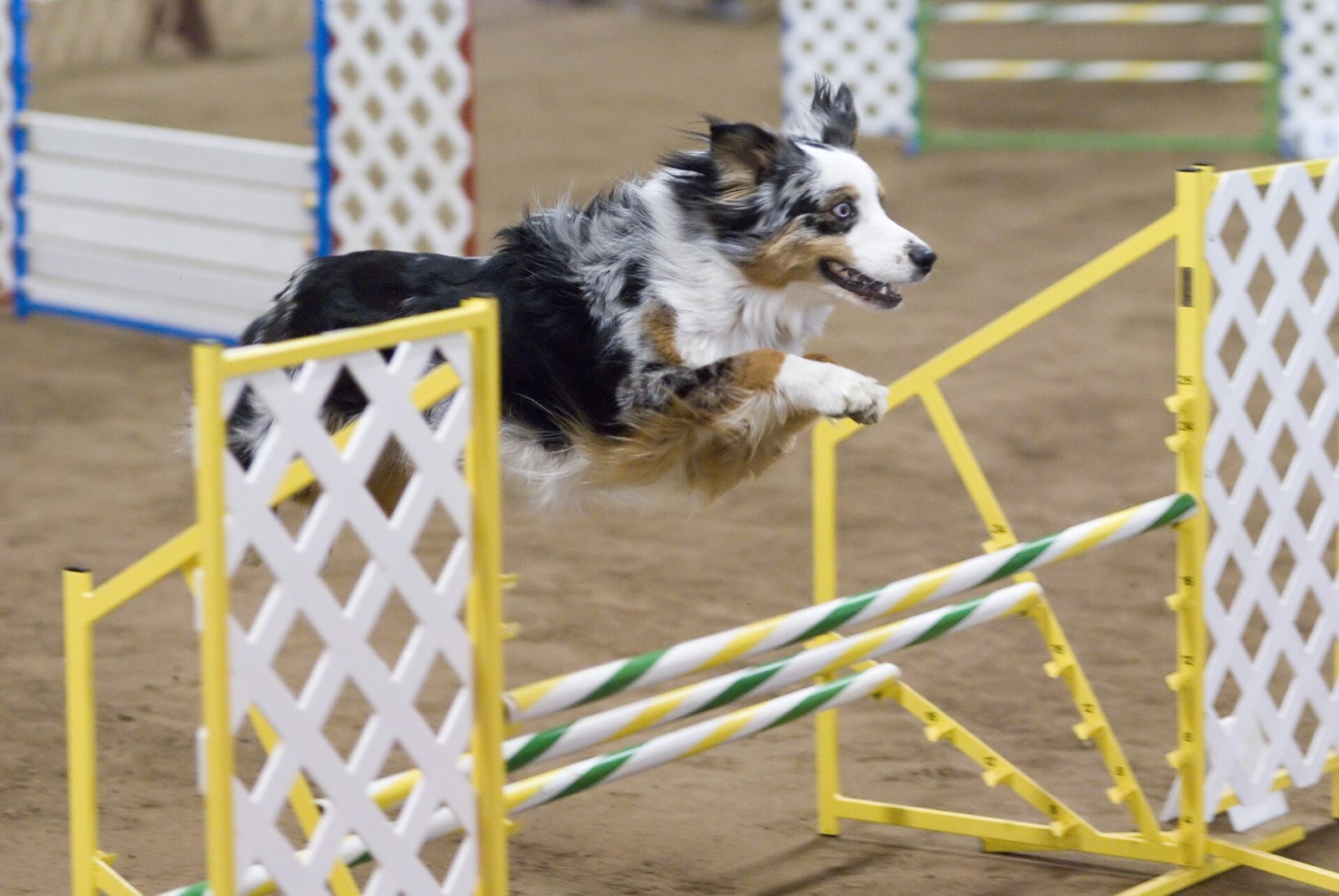
Inherited cataracts and other eye disorders are recognized concerns in Australian Shepherds. Some conditions have useful genetic tests, but no single panel establishes that a dog has normal eyes now and will retain normal vision throughout life. Specialist eye examinations provide different information from a DNA sample. When reviewing breeding records, ask which disorders were assessed, whether follow-up examination is advised, and how the findings affect the proposed pairing.
At home, watch for new squinting, redness, cloudiness, rubbing, hesitation in familiar spaces, or changes in locating objects. A painful eye or sudden apparent vision loss needs urgent veterinary assessment rather than a wait for the next routine screening date. Blue eyes or different-colored eyes alone do not diagnose eye disease, and brown eyes do not guarantee its absence. Avoid leftover eye preparations; treatment that was suitable for another problem may be inappropriate for the current one.
Put MDR1 results where every clinician can find them
MDR1 drug sensitivity is particularly relevant to Australian Shepherd owners. A genetic variant can alter the handling of certain medications and increase the risk of serious adverse effects. Washington State University emphasizes that individual testing is the way to establish a dog's genetic status. Appearance, coat color, and an assumption about relatives are not substitutes for that dog's result. Ask your veterinarian how to obtain and interpret a suitable test.
Keep the laboratory report with medical records and share it with emergency clinics, referral teams, and anyone arranging procedures. Tell the clinic if the dog has not been tested rather than guessing a result. MDR1 status guides professional treatment choices; it is not a reason to abandon treatment. Do not stop prescribed medicine or parasite prevention independently. An unaffected result also does not make every substance safe or eliminate ordinary adverse reactions. This guide intentionally gives no drug lists or doses because prescribing needs the individual patient and clinical context.
Understand merle risk without stigmatizing appearance
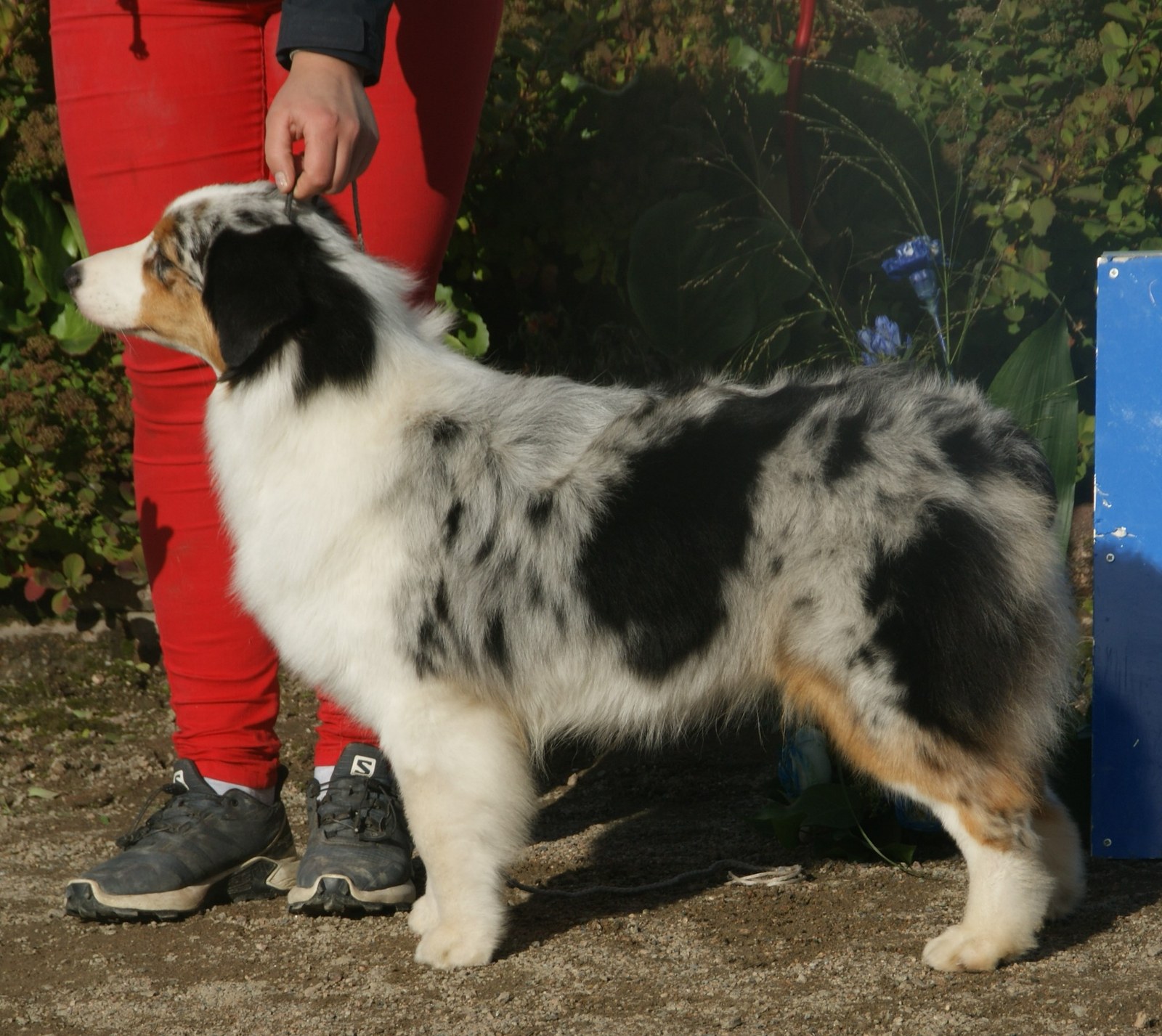
Merle is a coat-pattern trait, not a diagnosis of deafness or blindness. Inheriting two merle copies increases the risk of congenital hearing impairment and eye-development abnormalities. Responsible breeding avoids merle-to-merle pairings and seeks informed advice where parentage or genetic status is uncertain. Visual guesses should not be the sole basis of breeding decisions. The practical message is prevention of avoidable risk, not a claim that every patterned dog is unhealthy.
Not every merle dog, or even every double-merle dog, has the same outcome. An individual with uncertain hearing or vision needs assessment; a hearing test such as BAER may be recommended. Dogs with sensory disabilities can have good lives with appropriate communication and environmental support. Do not use color to dismiss their welfare needs or assume their capabilities. A health examination and a management plan are more useful than an online label assigned from a photograph.
Make an emergency plan for seizures and acute illness
Epilepsy occurs in the breed, but seizures can have multiple causes. For a suspected seizure, protect the dog from nearby hazards without restraining it or putting hands in the mouth. Note the duration if safe, contact a veterinarian promptly, and follow the clinic's instructions. Prolonged or repeated episodes, poor recovery, breathing difficulty, or collapse requires immediate emergency attention. Do not delay because a previous episode stopped by itself.
Prepare information the clinic can use:
- When signs began and whether they have recurred.
- Recent eating, drinking, movement, and behavior changes.
- Current treatments and available genetic reports.
- Possible toxin exposure, swallowed objects, or excessive heat.
- Relevant screening and previous examination records.
Routine examinations and attentive care support earlier decisions, but neither can promise a disease-free life. Use breed information to ask better questions, then let the dog's actual findings guide care.
Continue reading: Australian Shepherd Training: Channel Drive Without Escalating It.
Sources and further reading:
- United States Australian Shepherd Association: Breed Standard
- PetMD: Australian Shepherd
- Washington State University: MDR1 for Dogs
- Royal Kennel Club: What Is Merle?
- WSAVA: Global Nutrition Guidelines
Photo credits: Fido Factor from USA (CC BY-SA 2.0), Ron Armstrong from Helena, MT, USA (CC BY 2.0), Canarian (CC BY-SA 4.0). Images resized and compressed for web display. Each image retains its linked license.


