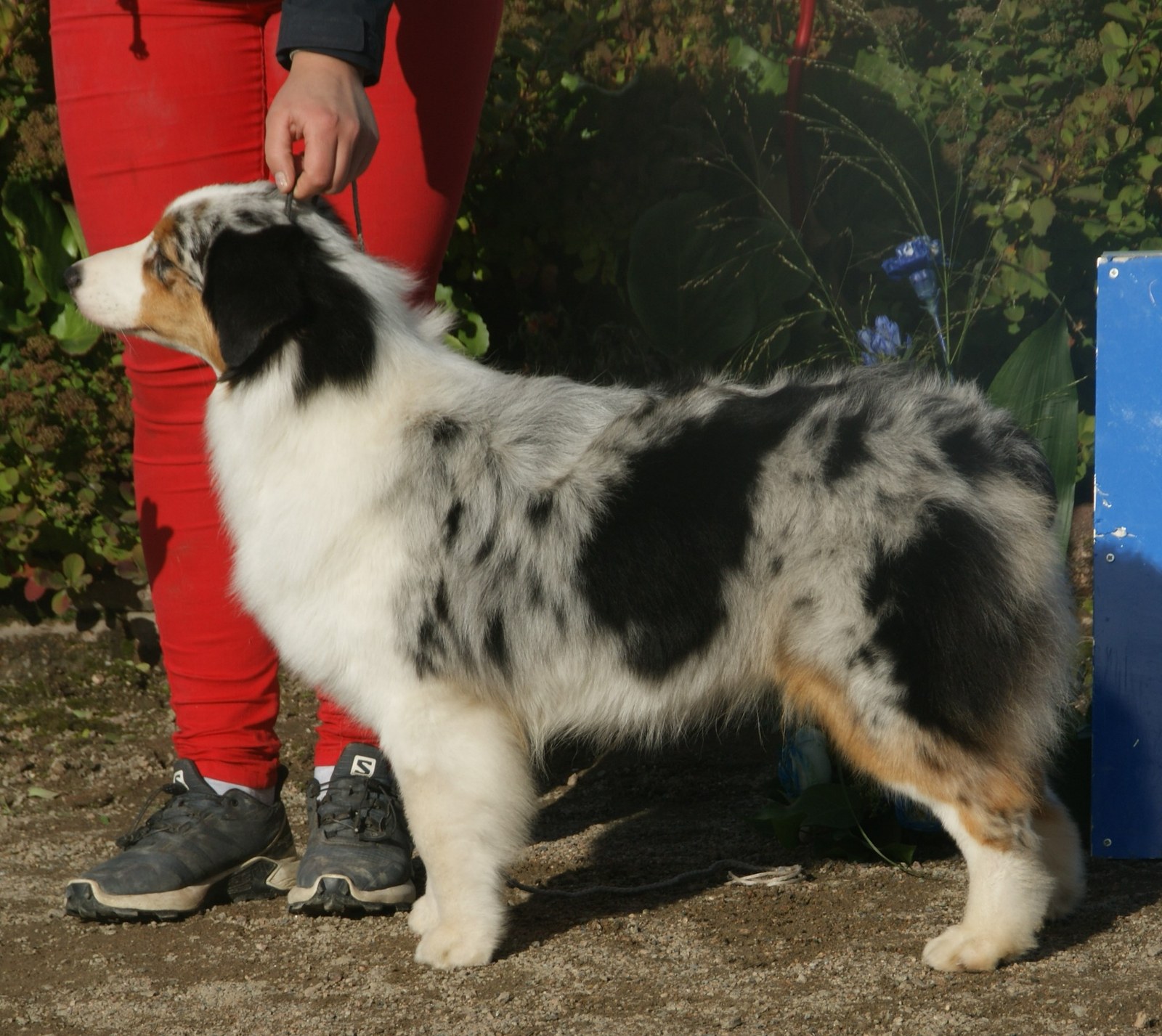
Australian Shepherd care works best when activity and recovery receive equal attention. This is a herding breed developed in the United States, not a dog whose name explains its country of development. Many Aussies enjoy working closely with people, but enthusiasm does not eliminate the need for sleep, boundaries, or medical care. Start with a routine your household can maintain on an ordinary weekday rather than an idealized schedule of constant adventures.
Prepare a home that makes good choices easy
Set up a comfortable resting area away from busy doorways and give the dog a way to leave interactions. A bed behind a gate can be useful when visitors arrive or children begin energetic play. Introduce a crate positively if you choose to use one; it should not become prolonged storage or a punishment for being active. Place water where the dog can reach it without competing with another pet.
Check fences, gate catches, and the route from your front door to the street. An Aussie watching a cyclist may move before a person finishes a recall cue. Keep leads ready at exits and make sure visitors know the door routine. Secure food waste, medicines, cables, and chewable small objects. Choose toys for the individual dog's chewing style and remove damaged items. A safe environment prevents rehearsal of unwanted behavior and protects the dog while training develops.
Combine movement with thinking and recovery
Daily activity should include opportunities to sniff and explore as well as purposeful interaction. A walk at the dog's investigative pace, a food search, and brief skill practice offer different experiences from repeated ball chasing. Endless high-speed fetching can keep an excitable dog aroused without teaching recovery. It also cannot replace the gradual conditioning needed for physically demanding activities. The goal is a fulfilled dog, not an exhausted athlete.
Adjust outings to maturity, body condition, existing injuries, weather, and the dog's response afterward. Puppies need self-paced exploration and rest rather than forced distance running or repetitive high-impact jumps. Older dogs may enjoy the same familiar route at a slower pace with more sniffing. If stiffness, limping, reluctance, or an unusual change in breathing appears, stop and seek veterinary advice. Build any new sport gradually with appropriate professional guidance instead of assuming that a herding pedigree supplies instant fitness.
Make the daily sequence observable
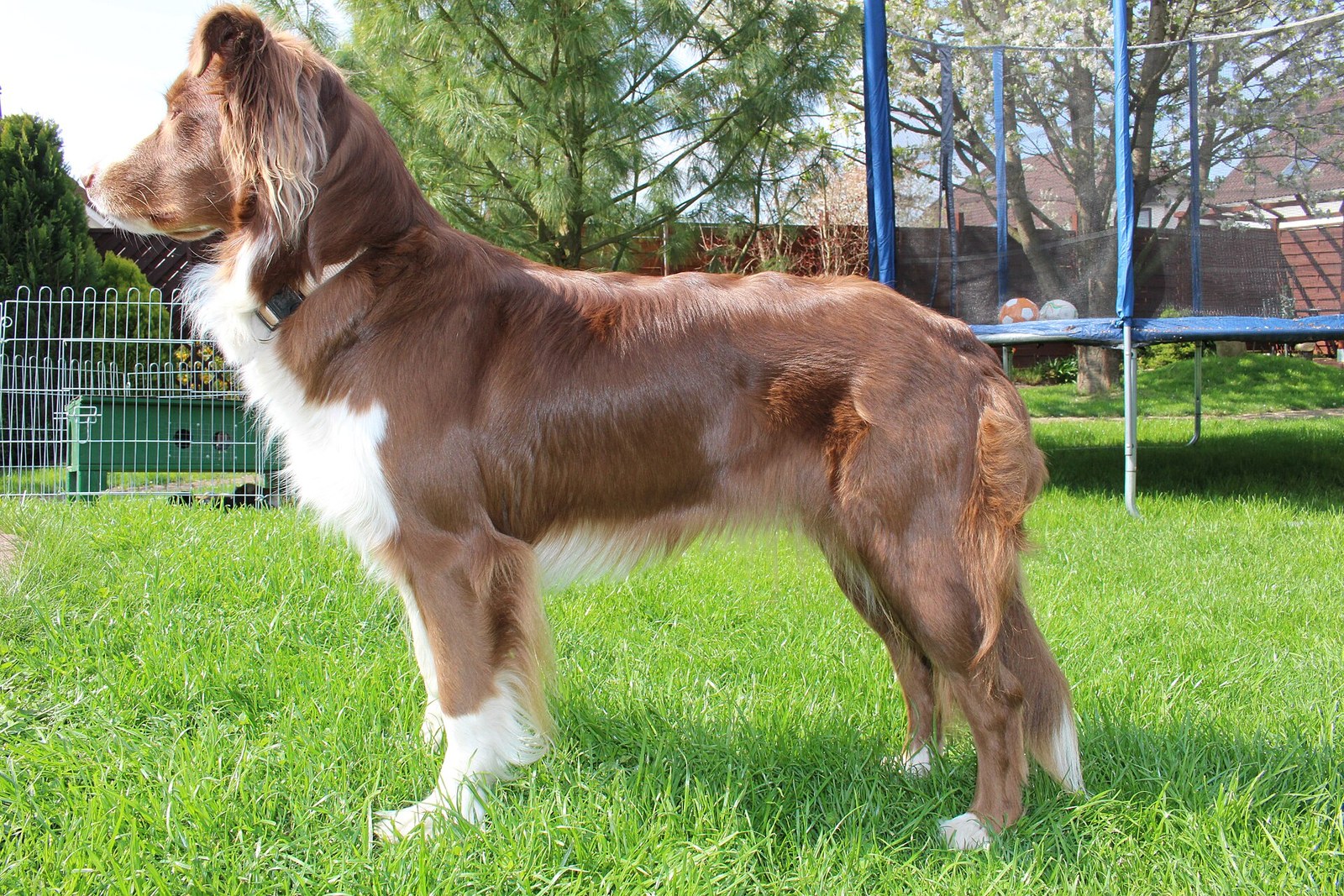
Predictability does not mean following a rigid clock. It means giving the dog reliable opportunities for toileting, eating, activity, companionship, and quiet. Start the day by noticing how the dog rises, moves, and responds to breakfast. A quick check can reveal a problem that disappears into the bustle once everyone leaves. Measure food and confirm that clean water is actually available, not hidden behind a closed door.
A manageable daily sequence can include:
- A toilet outing and an observation of normal movement.
- Measured complete meals, with some food reserved for training.
- Varied outdoor activity appropriate to conditions and fitness.
- Short opportunities to practice useful household skills.
- Quiet rest without children or other animals disturbing the bed.
- A final check of paws, coat, appetite, and toileting changes.
Teach household skills before you need them
Reward the dog for checking in, following you away from a distraction, and relaxing on a mat. Practice when the environment is easy rather than waiting until a delivery driver appears. Introduce a consistent invitation to move behind a gate, pairing it with something worthwhile. A dog that understands the routine does not have to be grabbed by the collar every time the doorbell rings.
Aussies may be reserved with unfamiliar people. Allow observation at a comfortable distance instead of asking strangers to crowd or touch them. Socialization means learning that the world is manageable, not collecting the largest possible number of greetings. Use brief, positive exposures and allow retreat. Teach children that the bed, food bowl, and sleeping dog are off limits. Manage running games with barriers if they trigger chasing or nipping; herding ancestry explains the tendency but does not make injury acceptable.
Keep feeding and grooming practical
Choose a complete diet suited to life stage, and use body-condition and weight trends to review portions with your veterinarian. The typical adult span of 40-65 pounds is a descriptive range, not a target every Aussie should reach. Activity varies greatly between a working adult and a companion recovering from surgery. Include rewards and food puzzles in the daily intake rather than treating enrichment calories as invisible.
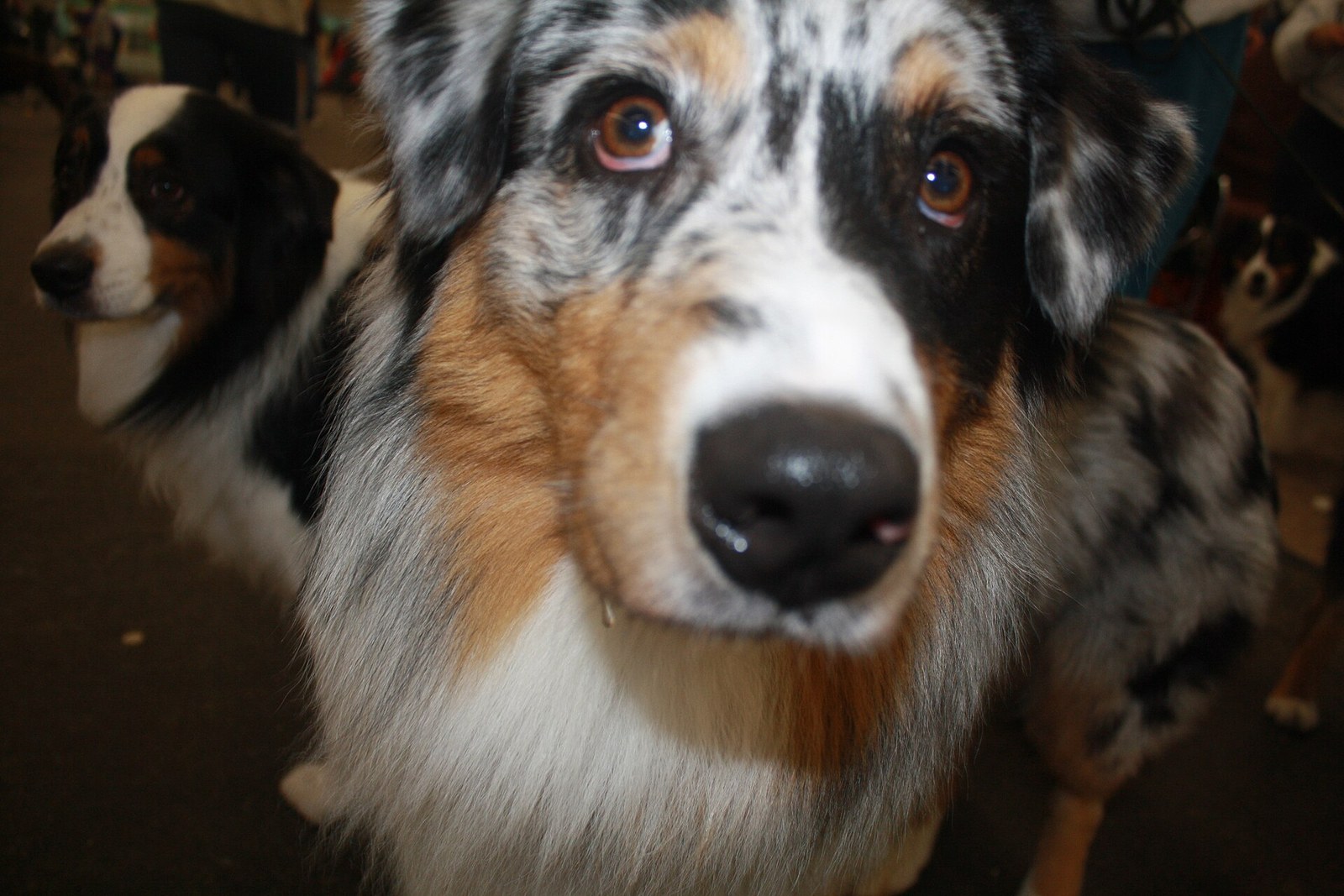
Brush the medium-length double coat regularly, increasing attention when loose undercoat accumulates. Check behind the ears, feathering, armpits, and hindquarters for tangles before they tighten. Inspect paws after rough terrain and dry damp areas well. Routine close shaving is not a substitute for managing heat through shade, water, timing, and reduced exertion. Build cooperation for tooth brushing, nail care, and handling through small rewarded steps. Pain or strong resistance deserves investigation rather than firmer restraint.
Build a veterinary and backup-care plan
Arrange a baseline examination and bring adoption records, food information, and any screening results. Discuss hip and eye health, appropriate prevention, and individual MDR1 testing. This inherited drug-sensitivity issue needs a visible place in the medical record so clinicians can choose treatment appropriately. Breed identity alone does not tell you an individual result, and concern about sensitivity is not a reason to abandon necessary preventive care.
Identify an after-hours clinic and a caregiver who can manage your dog if work, illness, or travel disrupts the routine. Demonstrate leads, gates, meals, rest periods, and emergency contacts. Reliable daily care includes contingency plans, not just good intentions. As your Aussie matures, keep adapting the balance of movement, mental work, and recovery to the dog in front of you.
Continue reading: Australian Shepherd Nutrition: Feed the Dog, Not the Stereotype.
Sources and further reading:
- United States Australian Shepherd Association: Breed Standard
- PetMD: Australian Shepherd
- Washington State University: MDR1 for Dogs
- Royal Kennel Club: What Is Merle?
- WSAVA: Global Nutrition Guidelines
Photo credits: Canarian (CC BY-SA 4.0), Trickdog-Fina (CC BY-SA 3.0), Fido Factor from USA (CC BY-SA 2.0). Images resized and compressed for web display. Each image retains its linked license.


