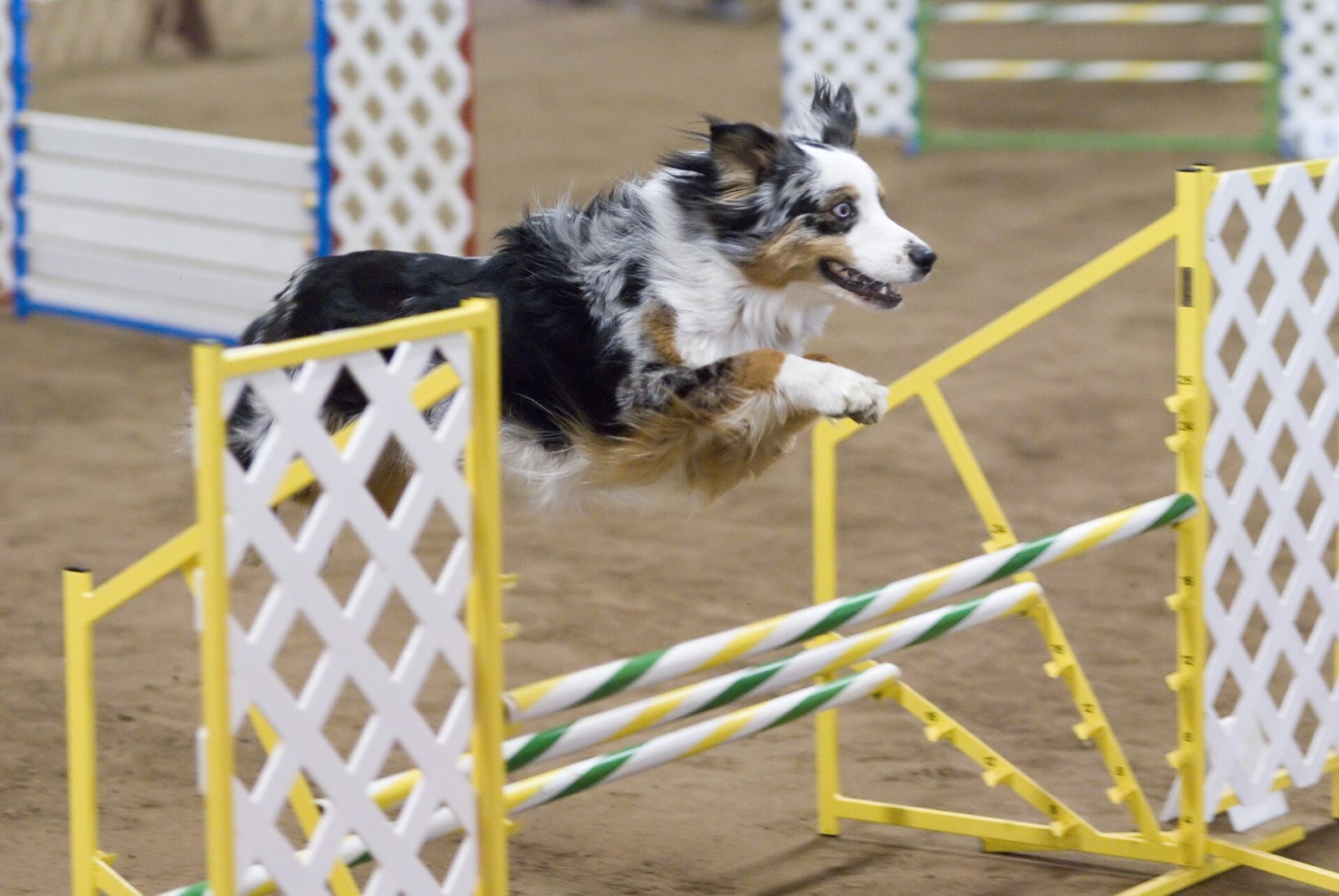
Australian Shepherd training is not a contest to see who has more determination. A quick-learning dog needs clear information, achievable practice, and an environment that prevents dangerous mistakes. Herding ancestry can make movement especially interesting, while sensitivity and initial reserve can make overwhelming situations difficult. Training should help the dog function comfortably in your household, not simply produce an impressive collection of tricks or tire it beyond the point of choice.
Find the conditions in which learning is possible
Begin with a dog whose basic needs are met: comfortable temperature, opportunities to toilet, adequate sleep, and appropriate activity. A dog that cannot disengage from a passing cyclist may be too close to learn the task you intended. Increase distance, reduce visual exposure, or choose a quieter location. Repeating a cue louder does not make the distraction easier. If usual rewards lose their value, consider fear, arousal, discomfort, or competing interest instead of assuming defiance.
Reward-based methods are the appropriate foundation. The American Veterinary Society of Animal Behavior recommends them for training and behavior modification, rather than aversive approaches. Choose rewards your individual dog values, such as food, sniffing access, or suitable play. Mark the useful response consistently, then deliver the reward. Keep repetitions short enough to preserve interest and change one difficulty at a time. Intelligence does not remove the need for gradual teaching, and repeating an unsuccessful setup only rehearses the same difficulty.
Teach an alternative before movement triggers pursuit
Running children, bicycles, and other animals can prompt chasing or heel-nipping. A herding explanation does not make that behavior safe. Use a lead, sufficient distance, and secure barriers while you teach a different response. Do not practice next to traffic or use a frightened child as a training distraction. Begin with movement mild enough that the dog can notice it and still respond to you.
A practical sequence is:
- Choose a quiet location with room to move farther away.
- Reward voluntary attention before introducing a difficult distraction.
- Let the dog notice manageable movement at a safe distance.
- Practice an already learned turn toward you or move-away cue.
- Keep sessions successful and leave before excitement escalates.
If the dog lunges, freezes, or cannot disengage, change the setup rather than punish the reaction. Persistent chasing or biting needs skilled professional support and careful household management. Keep children and small animals protected throughout the process, not only once training has become reliable.
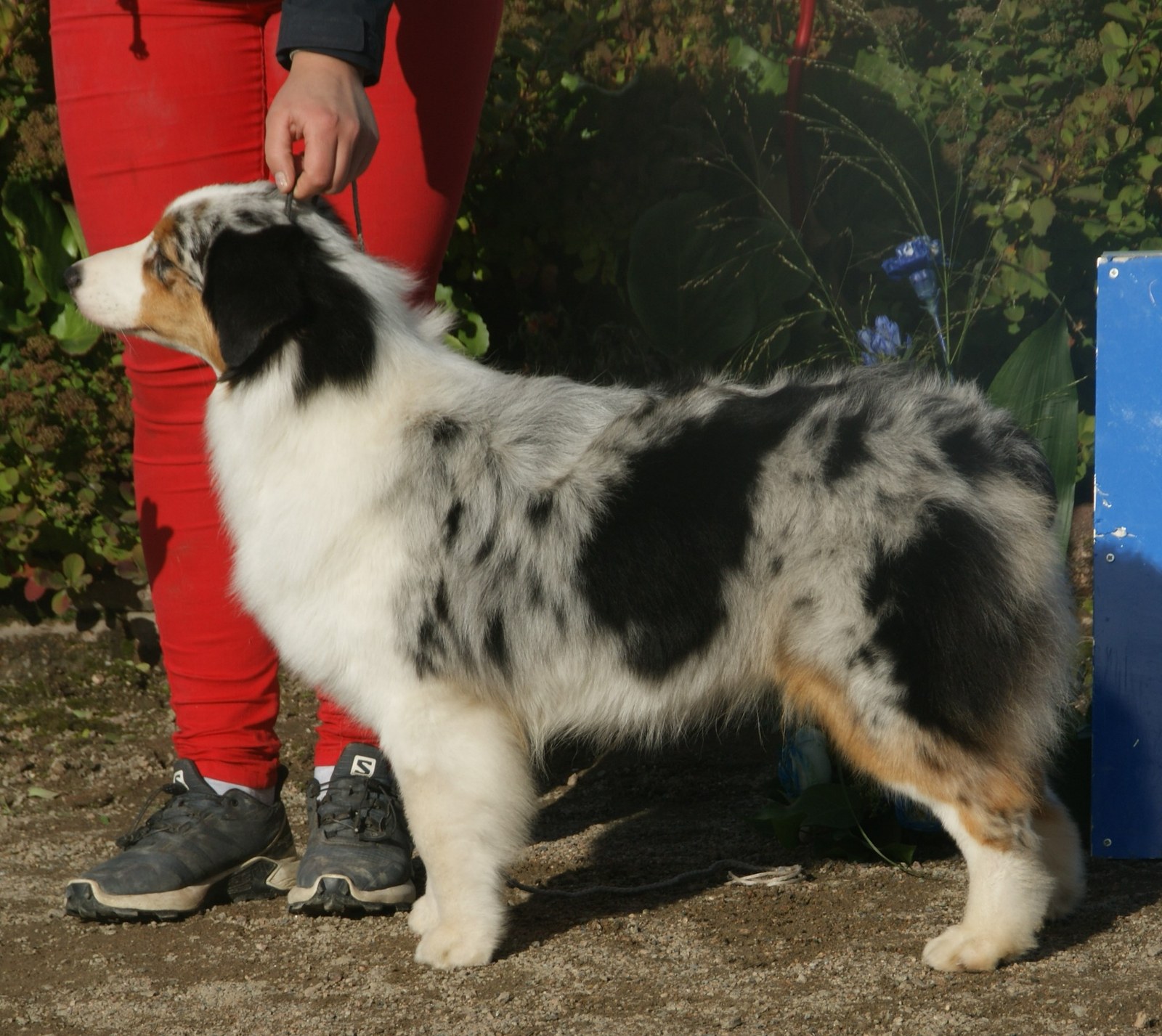
Make settling a skill rather than a test of endurance
Place a comfortable mat where the dog can observe ordinary household activity without being crowded. Reward looking at it, stepping onto it, and relaxing there in small achievable stages. Early practice can happen after a suitable outing when the environment is quiet. Deliver rewards calmly so the exercise does not turn into repeated springing up and racing back. Allow the dog to change position and provide access to water.
Gradually introduce mild distractions while preserving easy successes. A mat cue should not require the dog to tolerate a child touching its face or another animal taking its chew. Protect the resting space and reward calm choices away from formal sessions too. Do not solve every restless moment with a more intense game. Some dogs need help recovering after excitement, and additional stimulation can prolong the cycle. Sudden pacing, inability to get comfortable, or a new loss of sleep may indicate illness or pain and deserves veterinary attention.
Let socialization include distance and choice
An Aussie may be reserved when meeting unfamiliar people. Ask visitors to ignore the dog initially rather than reach over its head or insist on eye contact. Provide a retreat and reward relaxed observation. If food is used, avoid luring the dog into touching distance it would otherwise avoid. A person can toss a reward away from themselves so the dog has room to disengage instead of feeling trapped near the hand.
For puppies, discuss safe social exposure alongside vaccination and local disease considerations with your veterinarian. Socialization can include observing people, hearing ordinary sounds at comfortable levels, and exploring suitable surfaces without direct contact with every dog. For older dogs, follow the same principles of manageable intensity and choice. Forced greetings or overwhelming exposure are not confidence-building shortcuts. If fear is persistent, escalating, or linked to aggression, seek a qualified reward-based behavior professional and veterinary input rather than waiting for the dog to grow out of it.
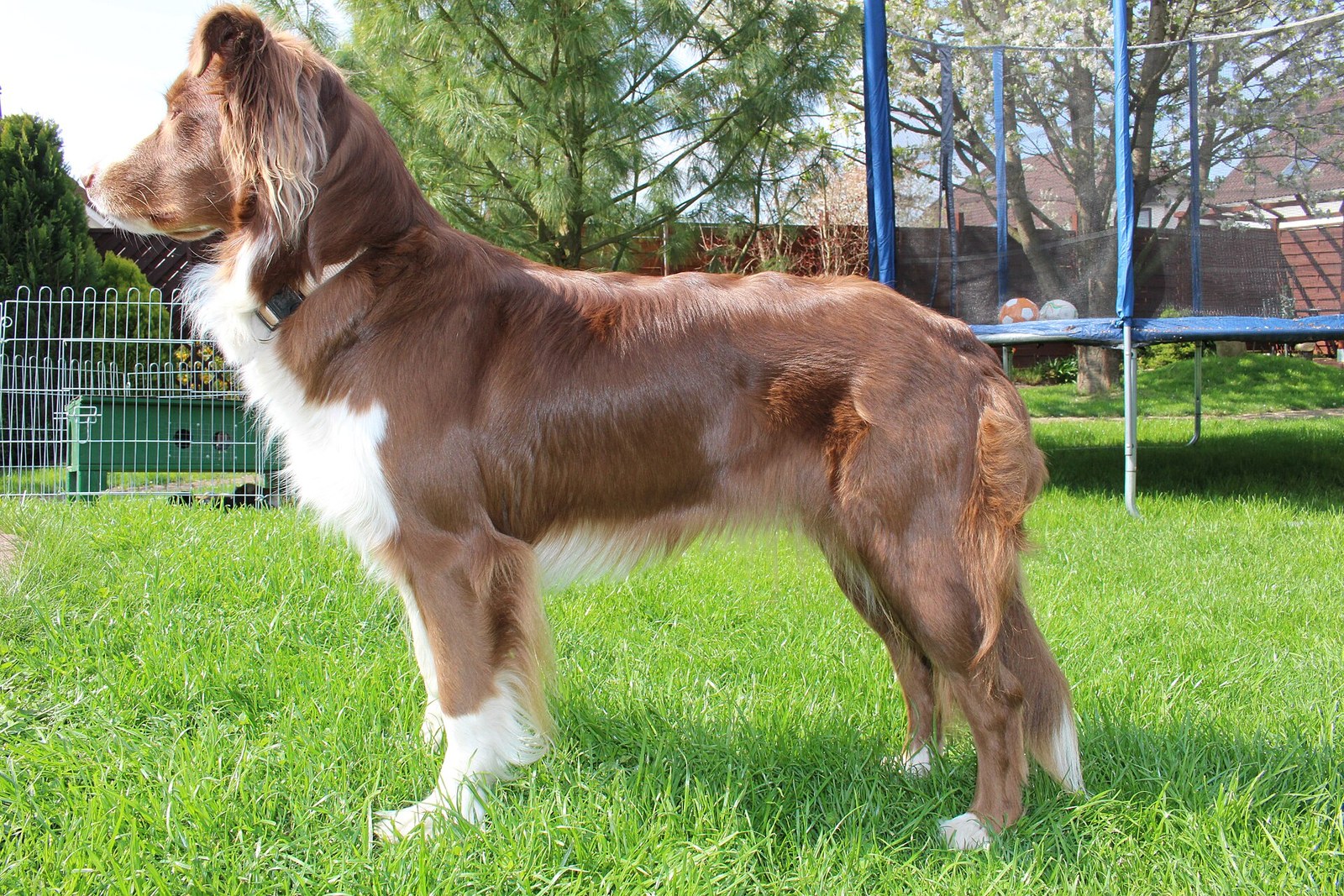
Build recall and lead skills with realistic safeguards
Teach recall in a secure, low-distraction area. Say the cue when the dog is likely to respond, reward arrival generously, and often allow a return to the previous safe activity. If every recall ends enjoyment, the dog may become reluctant to come. Increase difficulty gradually and avoid repeating the cue continuously while the dog ignores it. Use a suitable long line in safe open areas when needed, preventing tangles and sudden high-speed stops.
For lead walking, reward a comfortable position and check-ins while giving meaningful opportunities to sniff. Change direction or increase distance before a distraction becomes overwhelming. Equipment should fit comfortably and support management, not inflict discomfort. Recall is never a replacement for physical control near traffic, livestock, wildlife, or unsafe dogs. Even a trained Aussie can make an unexpected choice when movement is highly compelling. Check local access rules and use secure areas for activities that require freedom to run.
Teach time apart without rehearsing panic
Practice relaxed independence while someone is still nearby. A dog can enjoy a safe activity behind a gate or rest in another part of the room without being abruptly left for a full workday. Introduce brief absences at a level the dog tolerates and increase gradually according to its response. Watching a recording, when available, can distinguish quiet rest from pacing, vocalizing, or frantic attempts to escape.
Arrange a sitter or other suitable support while working on absences the dog cannot yet handle. The timetable belongs to the individual's progress, not a fixed challenge schedule. Successful training leaves an Aussie more capable of everyday life: moving away from distractions, accepting care, resting comfortably, and trusting the people providing guidance.
Continue reading: Australian Shepherd Grooming: Care for the Coat Beneath the Fluff.
Sources and further reading:
- United States Australian Shepherd Association: Breed Standard
- PetMD: Australian Shepherd
- Washington State University: MDR1 for Dogs
- Royal Kennel Club: What Is Merle?
- WSAVA: Global Nutrition Guidelines
Photo credits: Ron Armstrong from Helena, MT, USA (CC BY 2.0), Canarian (CC BY-SA 4.0), Trickdog-Fina (CC BY-SA 3.0). Images resized and compressed for web display. Each image retains its linked license.


