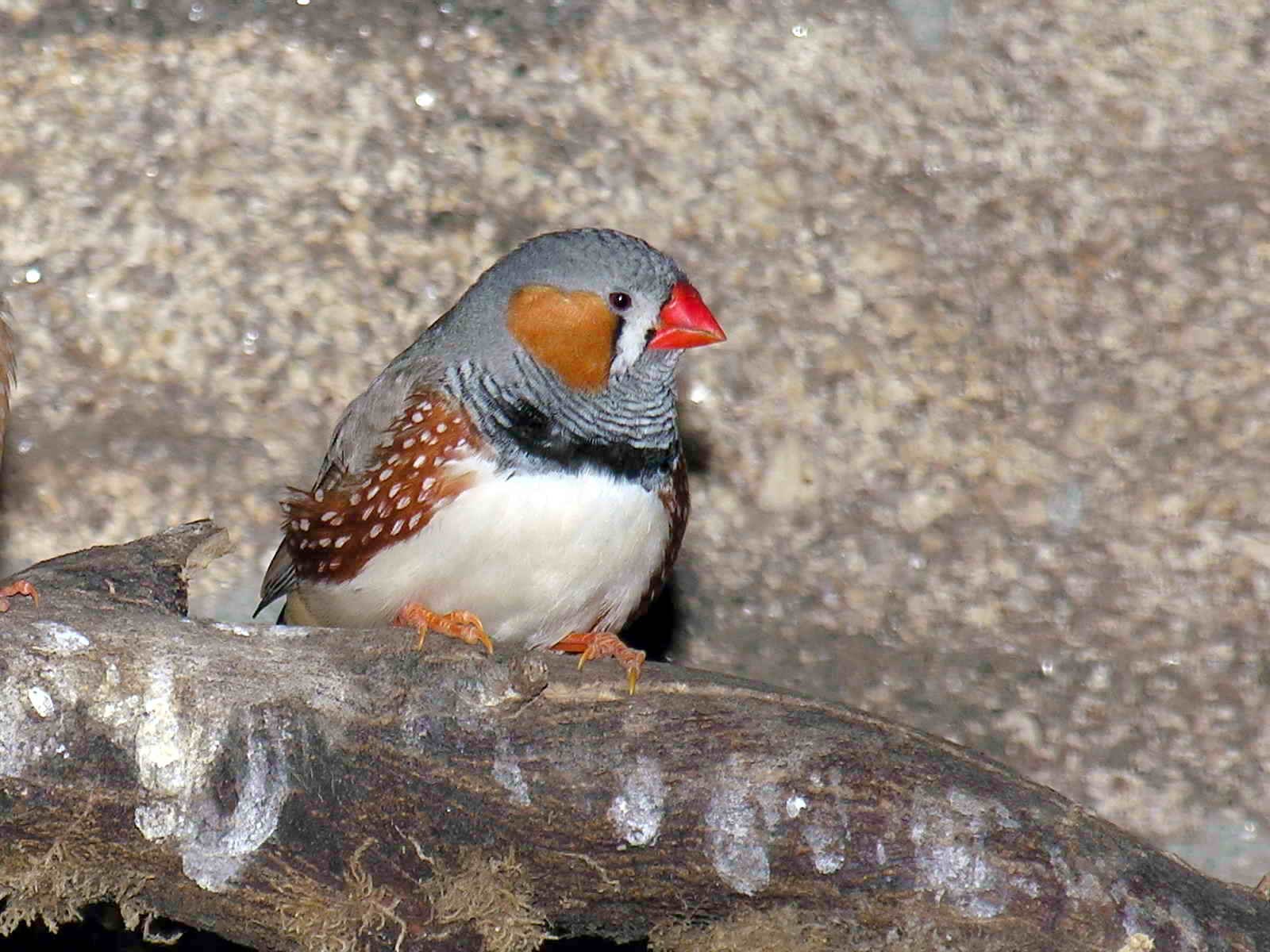
Zebra Finch grooming is mostly something the bird does for itself. Your role is to provide clean bathing water, suitable perches, sound nutrition and an enclosure that does not damage feathers. These tiny Australian finches do not need brushing, cosmetic oils or routine clipping. A useful feather-care routine is mainly a careful housing and observation routine.
Learn what normal preening looks like
During preening, a finch uses its bill to work through feathers and restore their alignment. You may see it stretch a wing, turn toward its back or carefully attend to individual areas. Comfortable preening is part of an ordinary day and may occur near a compatible companion. It should not leave raw skin, bleeding or widespread damaged feathers.
Observe from outside the cage instead of catching the bird to inspect every feather. Look at symmetry when it stretches, whether its tail moves freely between furnishings and whether both wings function during short flights. A clear view of natural movement often reveals more than a close inspection of a frightened bird held still.
Persistent scratching or frantic attention to one area deserves a closer professional assessment. Irritation, injury and social damage can overlap in appearance. Do not assume all scratching means mites, and do not apply powders, sprays or treatments intended for dogs, cats or other birds. The wrong product can add toxicity to an already uncomfortable situation.
Offer a bath with an easy exit
Choose a stable shallow dish that allows a finch to stand and leave easily without swimming. Start with only a shallow layer of clean water, positioning the dish securely where the birds can inspect it. Keep it away from vulnerable electrical equipment and food that would become wet. Let each bird decide whether to bathe; refusing on one occasion is not a grooming failure.
Offer the opportunity early enough for natural drying before the dark rest period. The room should be comfortable and free from direct drafts. Replace or remove water as soon as it becomes dirty, and keep separate clean drinking water available. Bathwater may quickly contain feathers, droppings or food debris and should not remain indefinitely.
A frightened bird should not be chased into a bath or sprayed until soaked. If the pair ignores an unfamiliar dish, try leaving the empty clean dish in view first or using a different stable shape later. Choice and familiarity are more useful than making bathing happen on a fixed schedule.
Understand molt without overlooking damage
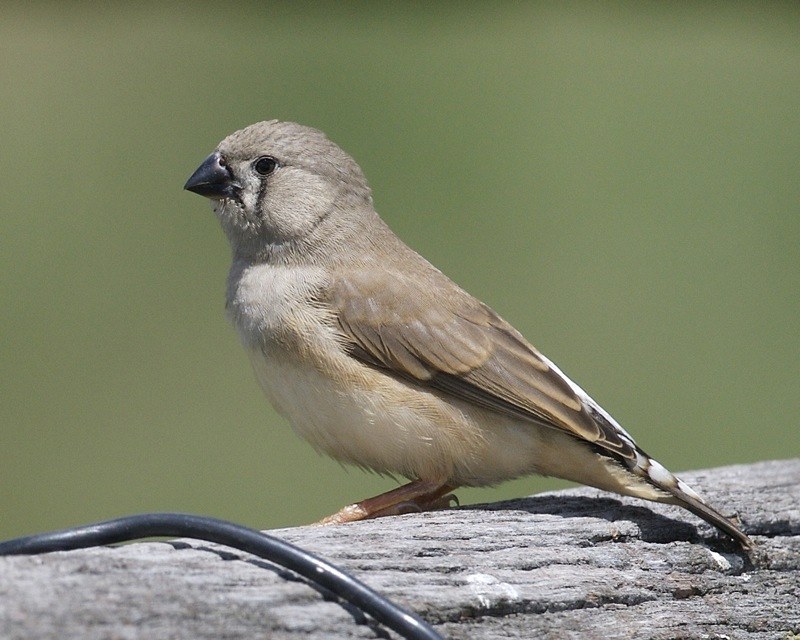
Molt is the replacement of feathers, not a disease. Loose feathers and developing pin feathers can appear while the bird remains active and continues normal feeding. Emerging feathers have protective sheaths, and the bird usually manages them through its own preening. You do not need to pick at them or rub them between your fingers.
Do not assume every domestic Zebra Finch will follow an identical calendar. Light conditions, individual history and reproductive activity can affect feather replacement. Maintain a stable routine, balanced food and bathing opportunities rather than trying to force a molt through supplements or dramatic changes in lighting.
Broad bald areas, broken skin, repeated loss from one region or reduced flight ability are reasons to seek advice. Check whether a companion is pulling feathers, whether a rough accessory catches the tail, and whether the bird appears otherwise unwell. A record of when changes began can help the veterinarian distinguish environmental damage from a medical problem.
Make perches support feet and feathers
Use safe, securely fitted perches that vary in diameter and give the feet different resting positions. Appropriate natural branches should come from identified nontoxic, uncontaminated material and be prepared hygienically. Unknown garden cuttings may carry pesticides or other hazards, so do not use them simply because they look natural.
Arrange perches near opposite ends of a broad enclosure, allowing the birds to fly without scraping wings or tails. Avoid positioning a frequently used perch directly above drinking water or food. A favorite sleeping location can become dirty quickly; inspect the surface rather than following a cleaning calendar blindly.
Sandpaper sleeves and persistently abrasive surfaces are not a safe way to manage nails. Nor should every perch be smooth and identical. Watch how each bird grips, lands and rests. Favoring a foot, repeatedly slipping, swelling or a pressure sore needs professional attention, not another rough perch added as a cure.
Clean in a way that preserves safety
Replace soiled paper liners and wash food and water dishes daily. Keep spare dishes ready so wet containers can dry fully before reuse. For larger cleaning jobs, plan a secure temporary enclosure and maintain visual or social reassurance where appropriate, without compromising quarantine or risking an escape between cages.
Remove organic dirt before disinfecting with a veterinarian-recommended bird-safe product. Follow the product's dilution, contact-time and rinsing instructions rather than mixing household chemicals. Keep birds away from sprays and fumes throughout the process, and return them only when the enclosure is rinsed, dry and safe.
A simple inspection during cleaning prevents many avoidable problems:
- Check perches for sharp splits or accumulated droppings.
- Remove fraying fibers, loose threads and broken accessories.
- Confirm that doors and feeder openings still latch securely.
- Inspect dishes for cracks and hard-to-clean residue.
- Preserve the open flight lane when replacing furnishings.
Leave trimming and injuries to professionals
A nail that snags repeatedly or a bill that looks overgrown warrants avian veterinary assessment. The bird may need treatment, a professional trim or changes to its environment, but catching and cutting a finch at home can cause serious injury. Small body size makes both restraint and blood loss especially consequential.
Routine wing clipping is not a feather-care requirement. Zebra Finches rely on flight, and clipping does not make an unsafe room safe: a bird may still escape, fall or be reached by another pet. Protect movement with appropriate cage spacing, secure doors and supervised room safety rather than reducing normal flight to solve a housing problem.
Bleeding from a feather, foot or any other site needs urgent veterinary help. Do not pull a damaged feather or repeatedly restrain the bird to inspect it. Call ahead, minimize disturbance and arrange secure transport. The best grooming outcome is a bird that can maintain its own plumage comfortably, not one subjected to frequent cosmetic intervention.
Continue reading: Living With Zebra Finches: Daily Rhythms and Long-Term Plans.
Sources and further reading:
- Zebra Finch — The Australian Museum
- Australian Zebra Finch Taeniopygia castanotis — BirdLife International
- Proper Care, Husbandry, and Breeding Guidelines for the Zebra Finch, Taeniopygia guttata
- Overview of Pet Birds — MSD Veterinary Manual
- Management of Pet Birds — MSD Veterinary Manual
Photo credits: Luis Miguel Bugallo Sánchez (Lmbuga) (Creative Commons Attribution-ShareAlike 3.0 Unported (CC BY-SA 3.0)), Lip Kee Yap (Creative Commons Attribution-ShareAlike 2.0 Generic (CC BY-SA 2.0)). Images resized and compressed for web display. Each image retains its linked license.

