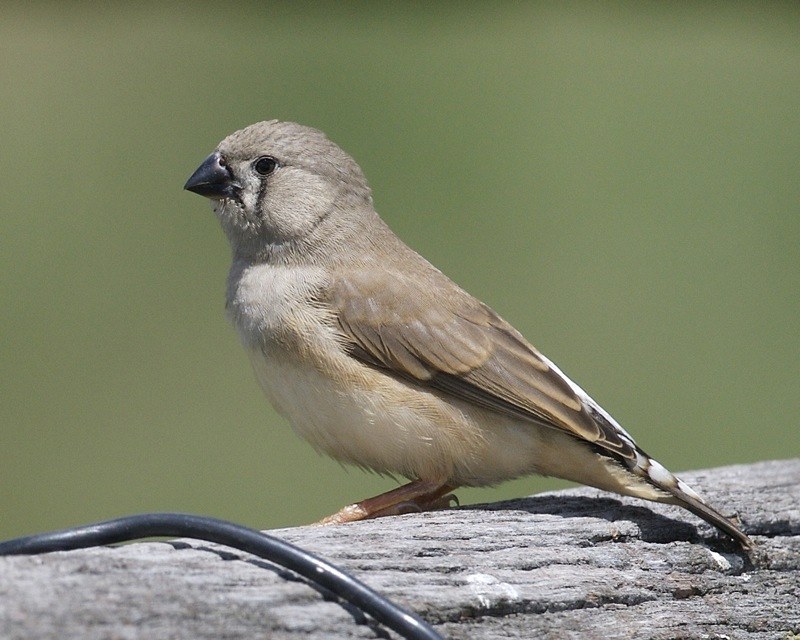
Feeding Zebra Finches well means checking what each bird swallows, not simply buying a bag with a finch on the label. Australian wild birds specialize in grass seeds, but a captive bird choosing from an unlimited bowl of favorite seeds does not recreate wild foraging. A balanced plan must meet nutritional needs while respecting how strongly a small finch may prefer familiar food.
Understand the seed bowl problem
Zebra Finches remove the outer husk from seeds before eating the kernel. Those light shells remain behind, making a nearly exhausted dish look deceptively full. Look closely at the contents when refreshing food and watch actual feeding. A finch investigating an empty bowl is not evidence that food is available.
A seed mixture can also look varied while offering an uneven diet, because the bird selects preferred ingredients. Nutritional gaps may develop without obvious thinness. The solution is not to treat seed as poison, but to avoid making a freely selected seed-only ration the entire nutritional plan. Advice designed for a large parrot should not automatically become a finch feeding schedule.
For a pair, access matters as much as ingredients. Place feeding stations far enough apart that one bird cannot guard both easily. Observe the quieter individual during normal feeding periods. If it approaches only after the other bird leaves, check whether it gets sufficient time and food rather than assuming social proximity means equal intake.
Change familiar food without creating a hunger test
Ask an avian veterinarian familiar with finches to help select an appropriate finch-sized formulated diet and decide how it fits with seed and fresh foods. Product texture and particle size matter: a food suitable nutritionally may still be difficult for a tiny bird to handle. Start by learning the existing routine and establishing a baseline for both birds.
Introduce unfamiliar food alongside a reliable familiar option. Let the birds inspect it in a recognizable dish, and make one manageable change at a time. Seeing crumbs or pellet dust is not proof of adequate consumption. Watch swallowing, compare food offered with food left, and interpret droppings and weight together. A bird can manipulate a new food without eating enough of it.
Keep a simple transition log rather than relying on memory:
- Record the foods already eaten reliably by each bird.
- Offer one new item while maintaining familiar food access.
- Note actual eating, leftovers and any guarded feeding station.
- Use the veterinarian's low-stress weighing plan consistently.
- Pause changes and seek advice if intake or condition deteriorates.
Make fresh foods useful rather than decorative
Small portions of washed leafy greens and finely prepared vegetables, such as broccoli or grated carrot, can provide variety within a balanced plan. Offer manageable pieces in a clean dish or secure holder, not in a wet heap under a perch. A tiny serving is easier to inspect, replace and compare than a large amount that conceals what was eaten.
A cautious finch may need repeated low-pressure exposure before sampling something unfamiliar. Try the same safe vegetable in a different presentation on another day rather than changing everything at once. Do not smear food onto the bird or push pieces into its bill. Interest from one bird may encourage the other, but neither should lose access to dependable nutrition while exploring.
Remove moist food promptly, sooner in warm conditions, and do not leave yesterday's vegetables for another attempt. Fruit is not essential as a large dietary component, and sweet foods should not displace more useful nutrition. Home sprouting brings additional hygiene demands; do not assume a damp seed tray is safe simply because sprouts are marketed as natural.
Separate calcium questions from grit claims
Insoluble grit is not required for seed-hulling Zebra Finches. They are not poultry swallowing whole grains with their hulls intact. Some older husbandry literature includes grit among standard cage supplies, but that does not establish a need for household finches. Avoid routinely adding digestive grit or gravel because a package calls it essential for all birds.
Calcium is a different subject, particularly for females that lay eggs. Ask the veterinarian whether the current diet supplies enough and whether a specific calcium source is appropriate. A cuttlebone or mineral item does not prove a bird is consuming an adequate amount, and it cannot correct every imbalance in a seed-only diet.
Do not combine multiple vitamin powders, mineral products and enriched foods without checking the complete plan. Supplements in drinking water can alter its taste and complicate hygiene. Neither extra calcium nor a breeding food is a safe home response to a weak, straining hen; those signs require urgent assessment rather than an improvised nutritional rescue.
Keep drinking water dependable
Fresh water must remain available throughout the day. Wash drinking dishes daily and replace water whenever contaminated. If using a bottle, check that it releases water correctly and that each bird knows how to use it. During a change of equipment, retain the familiar drinking arrangement until successful use of the new one is clear.
Bathing dishes are not substitutes for protected drinking water. Zebra Finches may soil bathwater rapidly, so offer a clean shallow bath separately and remove it when dirty. Position food and water outside the line of droppings from favored perches. This small layout change can make sanitation more reliable than repeated cleaning alone.
Adjust the plan to the individual bird
There is no useful universal calorie allowance or ideal weight that fits every domestic Zebra Finch. Published wild adult averages around 12 grams provide context, not a goal for all pet color strains and body types. Your veterinarian can assess body condition and help you establish meaningful trends for each bird using an appropriate small scale.
Never offer avocado, chocolate, caffeine or alcohol. Keep salty snacks and sugary human foods out of the routine, and prevent contamination from kitchen fumes or cleaning sprays during food preparation. Store dry food sealed, dry and within its usable date; discard supplies that smell musty or show moisture or pests.
Molting, laying, illness and recovery can change nutritional priorities, but they do not justify guessing at concentrated supplements. Bring the actual food packaging and your intake notes to veterinary appointments. A practical feeding plan is one the birds reliably eat, you can monitor, and a species-experienced professional can adjust before a small problem becomes a crisis.
Continue reading: Zebra Finch Health: Spot Illness Early and Know When to Act.
Sources and further reading:
- Zebra Finch — The Australian Museum
- Australian Zebra Finch Taeniopygia castanotis — BirdLife International
- Proper Care, Husbandry, and Breeding Guidelines for the Zebra Finch, Taeniopygia guttata
- Overview of Pet Birds — MSD Veterinary Manual
- Management of Pet Birds — MSD Veterinary Manual
Photo credits: Lip Kee Yap (Creative Commons Attribution-ShareAlike 2.0 Generic (CC BY-SA 2.0)), Luis Miguel Bugallo Sánchez (Lmbuga) (Creative Commons Attribution-ShareAlike 3.0 Unported (CC BY-SA 3.0)). Images resized and compressed for web display. Each image retains its linked license.

