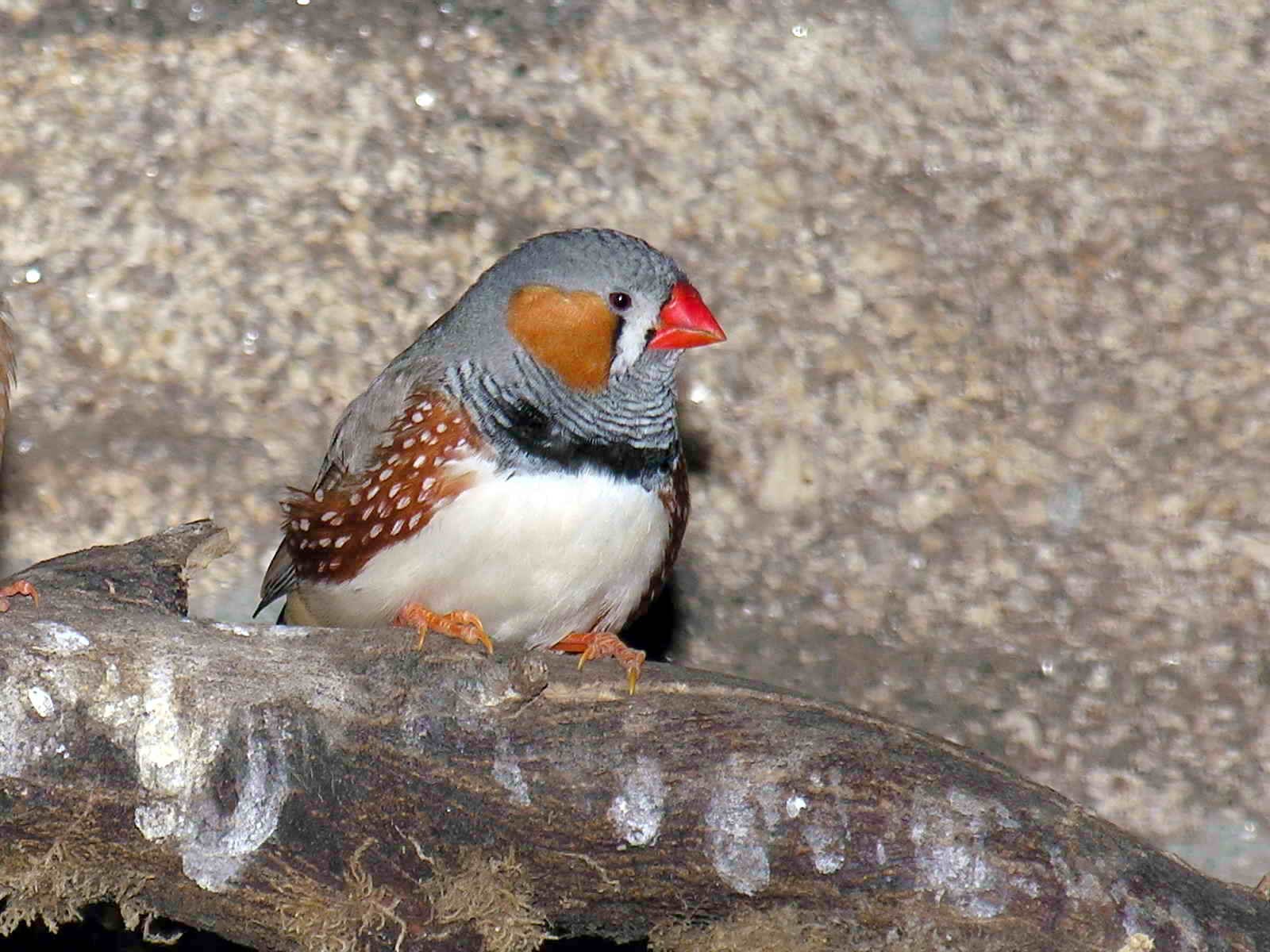
Zebra Finch health problems can begin with changes so small that a busy household misses them: one bird waits longer to eat, rests apart from its companion, or stops making its usual calls. Birds can mask illness, and a small finch has little margin for prolonged poor intake. Your most useful skill is noticing a departure from that individual bird's normal day, then acting at the right level of urgency.
Establish a baseline while your finches are well
Observe both birds before approaching the cage. A healthy routine includes responsive posture, comfortable breathing, balanced movement and reliable access to food and water. A bird briefly fluffed during rest is different from one that stays fluffed, inactive and detached from its companion. Compare behavior across the day instead of treating a single pose as a diagnosis.
Use plain liner paper to make droppings easier to inspect. Bird droppings contain fecal material, white urates and liquid urine; wetter output after moist foods is not automatically intestinal diarrhea. Persistent changes, greatly reduced output or changes accompanied by weakness deserve professional attention. If birds share a cage, be honest about whether you can tell which bird produced an abnormal dropping.
Ask your veterinarian about low-stress weighing with a suitable gram scale and a familiar perch or small carrier. A consistent method and each bird's own trend are more useful than comparing every pet with a published wild average. Do not chase the flock repeatedly to collect a number. Record the date, weight and any change in appetite or activity so the clinic can interpret the pattern.
Recognize emergencies without waiting for certainty
Labored breathing at rest is an emergency. Signs may include open-mouth breathing, obvious effort with each breath, a sustained tail movement linked to breathing, or an inability to settle comfortably. Collapse, ongoing bleeding and a bird unable to perch also require urgent care. You do not need to identify a disease before calling for help.
Cage-floor sitting is particularly concerning when unusual, especially with closed eyes, weakness, straining or reduced responsiveness. Do not assume a female is merely preparing to lay or a recently transported bird is simply tired. Telephone an avian veterinary service immediately, describe what you see, and ask where the bird should be taken if that clinic cannot receive it.
If fumes are suspected, move the bird away from the exposure to clean air if you can do so safely, then seek emergency advice. Keep transport quiet and comfortably temperate without unmonitored direct heat. A carrier should protect a weak bird from falling; ask the clinic whether a low perch or a lined floor is more suitable for the specific situation.
Treat breathing changes as a problem, not a diagnosis
Respiratory signs may arise from infection, irritants or other disease, and different problems can look similar from outside a cage. A wheeze or clicking sound is not enough to diagnose air-sac mites. Online descriptions can help you explain a sign, but they should not become a shopping list for antiparasitic products or antibiotics.
Review the environment immediately: smoke, vaping, aerosols, fragrance products, cleaning fumes and overheated nonstick coatings are relevant exposures. Birds can be affected by air moving between rooms, so a cage outside the kitchen does not guarantee protection. Tell the veterinarian about recent cooking mishaps, renovations, new appliances or sprayed products, even if the association seems uncertain.
Never spray an insecticide into the enclosure or apply another animal's medicine to a finch. Treatment depends on the cause, the bird's condition and an accurately assessed dose. The useful information you can provide is the timing of symptoms, exposure history, changes in companions and a short observation made without delaying urgent travel.
Take repeated laying and straining seriously
Australian Zebra Finches can breed readily under favorable captive conditions. Females may lay infertile eggs even without a male, so a same-sex household does not remove every reproductive concern. Repeated laying can place demands on a hen's body, especially when nutrition is inadequate or reproductive stimulation continues.
Straining, weakness, an altered stance, labored breathing or difficulty perching may accompany reproductive disease, including difficulty passing an egg. These signs overlap with other illnesses and need urgent veterinary assessment. Do not wait to feel an egg, and do not try steaming, oiling the vent, pulling an egg or pressing the abdomen. A tiny bird can be harmed by attempts intended to help.
For prevention, review diet, access to nests and nesting material, and a predictable dark rest period with the veterinarian. Nonbreeding birds do not need enclosed nests as beds. If eggs have already appeared, seek an individualized plan rather than repeatedly removing them on a fixed internet schedule, which may encourage further laying in some birds.
Investigate food, feather and foot changes together
A finch may seem to eat while finding only empty seed husks, struggling with an abnormal bill or being displaced from the feeder. Check actual food availability and social access before concluding that weight loss is mysterious. A seed-only diet can contribute to nutritional problems, but abruptly forcing a new diet onto an unwell bird adds another hazard.
Feather loss can reflect normal replacement, social damage or illness. Broad bare patches, wounds, persistent scratching or an inability to fly normally warrant assessment. Do not automatically blame molt or parasites. Watch how companions interact, whether feathers snag on furnishings and whether one bird spends long periods avoiding another. Safe separation may be necessary while veterinary advice is arranged.
Foot swelling, favoring one leg, snagging nails or difficulty gripping may also alter feeding and movement. Provide stable, appropriate perches and have abnormalities examined; do not treat an overgrown beak or nail as permission for amateur cutting. Veterinary assessment can address both the immediate problem and contributing housing or medical factors.
Use quarantine and records as preventive tools
New birds can look healthy while carrying infection. Plan quarantine before purchase or adoption, using separate equipment and preferably a separate room, with duration and testing guided by an avian veterinarian. A spare cage beside the residents is not meaningful separation from shared air, spilled food or direct contact. Wash hands between groups and avoid mixing utensils.
Arrange a new-bird examination and ongoing checkups at intervals appropriate to the birds' ages and histories. Keep a concise record that can travel with them:
- Current foods and supplements, including packaging details.
- Weight trends and observations for each identified bird.
- New arrivals, bird-show visits or other possible exposures.
- Egg laying, injuries and significant behavior changes.
- The first time each new symptom was noticed.
Good prevention does not mean diagnosing everything at home. It means making eating, movement and social behavior easy to observe, reducing avoidable exposures, and recognizing when professional help is needed. A timely call with clear information is more useful than a confident guess based on a symptom photograph.
Continue reading: Zebra Finch Behavior: Trust, Song and Peaceful Companionship.
Sources and further reading:
- Zebra Finch — The Australian Museum
- Australian Zebra Finch Taeniopygia castanotis — BirdLife International
- Proper Care, Husbandry, and Breeding Guidelines for the Zebra Finch, Taeniopygia guttata
- Overview of Pet Birds — MSD Veterinary Manual
- Management of Pet Birds — MSD Veterinary Manual
Photo credits: Luis Miguel Bugallo Sánchez (Lmbuga) (Creative Commons Attribution-ShareAlike 3.0 Unported (CC BY-SA 3.0)), Lip Kee Yap (Creative Commons Attribution-ShareAlike 2.0 Generic (CC BY-SA 2.0)). Images resized and compressed for web display. Each image retains its linked license.

