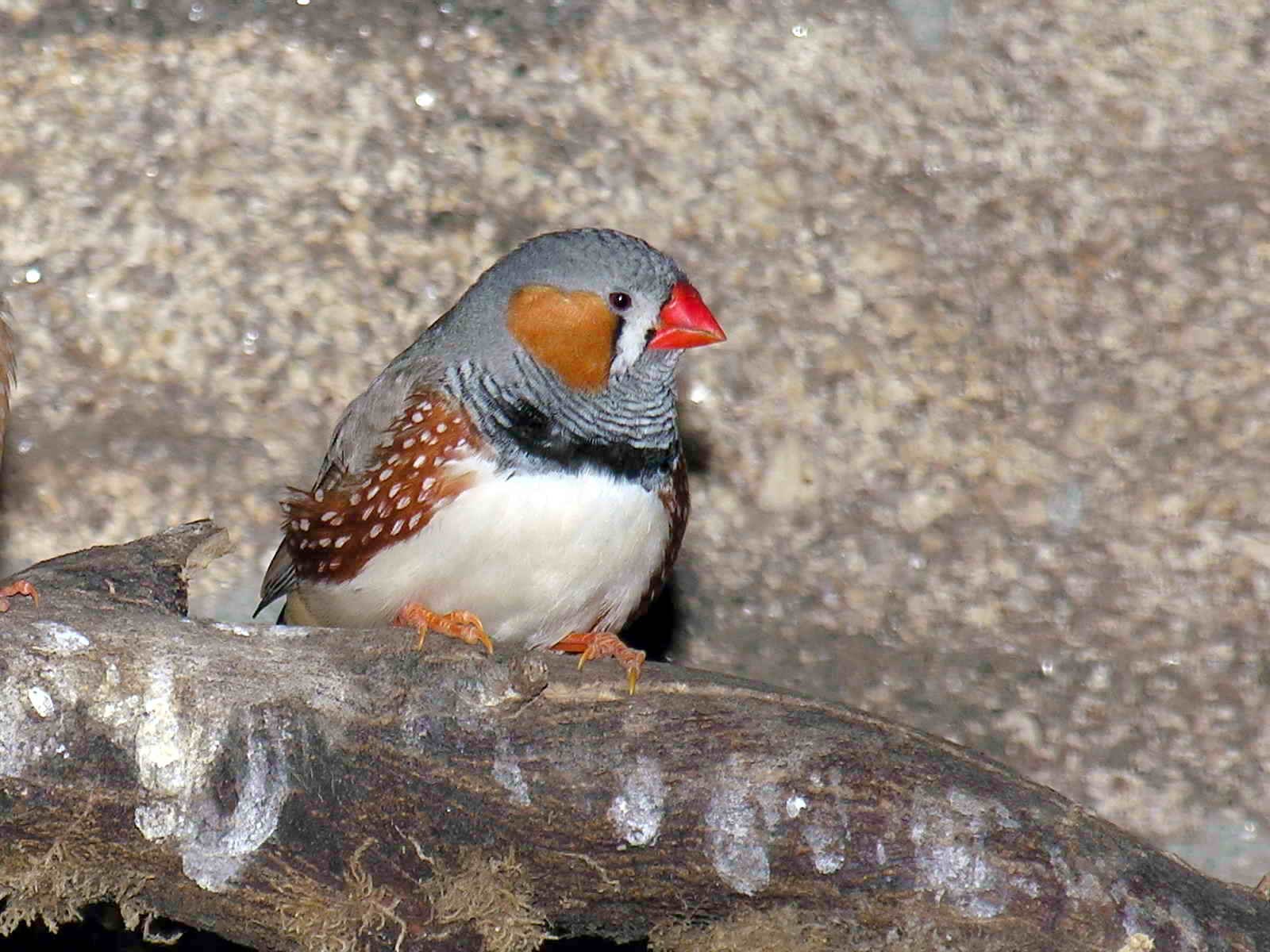
Zebra Finch care starts with a change of perspective: you are creating a small flock's living space, not furnishing a cage for a cuddly ornament. These Australian birds are active seed foragers that benefit from compatible company and repeated short flights. A well-planned setup makes ordinary behavior easy to see and keeps daily maintenance manageable.
Know which Zebra Finch you are bringing home
This guide concerns the Australian domestic Zebra Finch, Taeniopygia castanotis in taxonomies that separate it from the Timor Zebra Finch. Older sources often call the Australian form Taeniopygia guttata castanotis, within a broadly defined Taeniopygia guttata. That history explains why reputable resources use different names. It does not mean advice about every population or every finch species is interchangeable.
Choose a captive-bred bird or an appropriate rescue with a known feeding history. Ask whether both birds are independently eating, already compatible, and accustomed to bowls or drinkers like yours. Unweaned birds are not beginner pets. Arrange an avian veterinary appointment before collection, and check any local rules that affect keeping or transporting birds.
Make horizontal flight the housing priority
For a compatible pair, an editorial shopping target is roughly 100 cm long × 50 cm deep × 50 cm high, about 39 × 20 × 20 inches. This target applies veterinary principles favoring generous housing and exercise to a small, active flyer; it is not a quoted legal or biological minimum. Longer usable flight space is preferable. A tall cage with little width cannot compensate for an obstructed route between perches.
Choose secure construction and close bar spacing, around 10 mm, checking every opening and feeder hatch for escape or entrapment. Put suitable natural perches near opposite ends so the birds can fly between them. Provide different safe diameters and stable footing without crowding the middle. Avoid abrasive perch covers, sharp wire ends, frayed fibers and furnishings that force birds to brush their wings against obstacles.
Place the cage where the pair can observe household life without constant traffic or looming hands. Keep food and water away from droppings falling from overhead perches. Position more than one feeding station so a dominant bird cannot control the entire food supply, and confirm that both individuals actually use the available resources.
Plan companionship without accidentally planning chicks
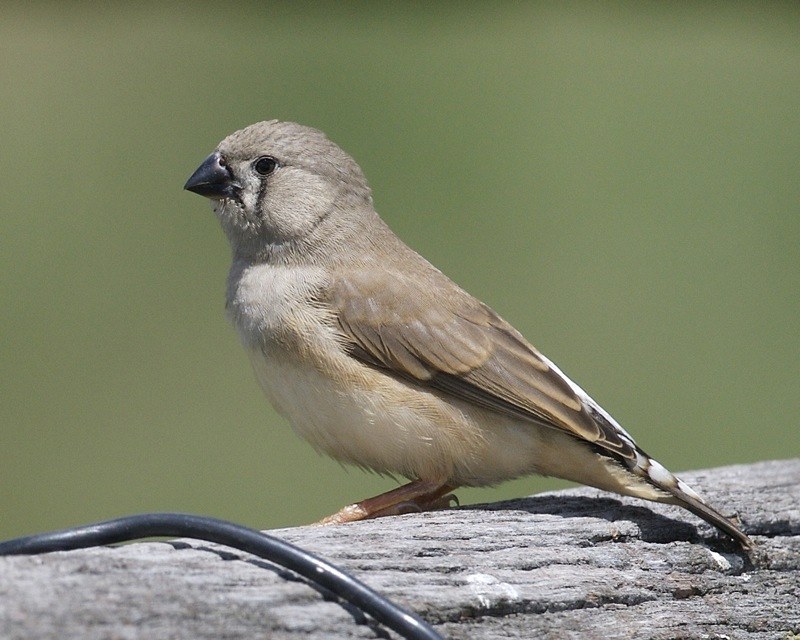
An established compatible pair is often a sensible starting point. Same-sex companions may work, but sex alone cannot guarantee peace. A male and female can reproduce readily, and females may also lay infertile eggs without a male. Nonbreeding birds do not require nest boxes or enclosed sleeping huts. Avoid adding nesting material merely because a cage looks bare.
Newcomers need a separate quarantine arrangement and veterinary guidance before introductions. Use separate equipment and, where feasible, a separate room; ask the veterinarian to determine the duration and testing appropriate to the birds' histories. After clearance, begin with separate cages and watch reactions before any shared enclosure. Never place an unfamiliar bird directly into an established pair's cage.
Look beyond whether the birds sit together for a moment. Persistent chasing, exclusion from food, feather pulling or one bird hiding continuously are problems, not a harmless pecking order. Have a spare cage ready for safe separation. Social needs do not justify forcing incompatible birds to remain within reach of each other.
Feed the birds, not just the bowls
A dish that looks full may contain mostly empty seed husks. Check kernels and actual eating rather than topping up blindly. Seed alone is not a complete long-term diet, but abruptly replacing familiar seed with unfamiliar pellets can leave a tiny finch hungry even with a full bowl. Work with an avian veterinarian experienced with finches on a gradual, measurable transition.
Suitable finch-sized formulated food, an individualized seed component and small portions of appropriate vegetables can form part of that plan. Introduce unfamiliar foods while keeping a reliable food source available. Monitor each bird's intake, droppings and weight trend rather than assuming the more adventurous bird represents the pair. Seed-hulling finches do not require insoluble grit to digest their food.
Build a practical cleaning and observation rhythm
Watch the pair briefly before opening the cage each morning. Note posture, breathing, balance and whether both birds approach food normally. Replace drinking water, wash dishes and remove dirty liner paper. Plain paper makes changes in droppings easier to see than deep bedding, although droppings still need interpretation alongside behavior and diet.
Offer a shallow dish of clean plain water for voluntary bathing, then remove it when dirty. Arrange bathing early enough for feathers to dry naturally before night in a comfortable, draft-free room. Zebra Finches maintain their own feathers through preening; they do not need shampoo, oils or forced spraying. For deeper cleaning, use a safe temporary enclosure rather than releasing frightened birds into an unsecured room.
Keep a short checklist where another caregiver can follow it:
- Confirm both birds are active and eating, not merely present.
- Refresh water and verify that drinkers actually dispense it.
- Remove wet food promptly and wash contaminated dishes.
- Check cage doors, perch stability and any damaged accessories.
- Record unusual behavior and contact the veterinarian when needed.
Protect air quality, sleep and flight safety
Birds share the air in your home. Keep them away from smoke, vaping, scented aerosols, harsh cleaning fumes and cooking areas. Overheated nonstick coatings can create a rapidly dangerous exposure; distance from a pan is not a dependable protective measure in connected indoor air. Manage these hazards before adoption rather than relying on a cover over the cage.
Provide a predictable light schedule with an uninterrupted dark, quiet night, often around 12 hours. Avoid extending the day with television or bright room lights, and discuss persistent laying with your veterinarian. If using a cage cover, preserve ventilation and make sure the birds cannot pull loose threads through the bars. Darkness is a sleep arrangement, not a treatment for daytime noise.
Cats and dogs must not have access to the cage or flight area. If you offer supervised room flight, close doors and windows, stop fans, secure mirrors and glazing, and exclude other pets first. Do not routinely clip wings to compensate for unsafe housing; flight is central to a finch's normal movement and confidence.
Prepare for illness before it happens
Budget for veterinary care for both birds and identify an emergency service willing to treat finches. A bird may mask illness until it has little reserve left. New inactivity, altered eating, persistent fluffing or an unexplained weight decline needs prompt professional advice, even if the companion looks normal.
A useful emergency kit is simple: a secure ventilated carrier, clean paper, the clinic's contact details and a brief record of diet and recent changes. Your aim is not to treat everything at home. It is to notice a change early and get a fragile bird to appropriate help without adding avoidable stress.
Continue reading: Feeding Zebra Finches: A Balanced Diet Without Risky Swaps.
Sources and further reading:
- Zebra Finch — The Australian Museum
- Australian Zebra Finch Taeniopygia castanotis — BirdLife International
- Proper Care, Husbandry, and Breeding Guidelines for the Zebra Finch, Taeniopygia guttata
- Overview of Pet Birds — MSD Veterinary Manual
- Management of Pet Birds — MSD Veterinary Manual
Photo credits: Luis Miguel Bugallo Sánchez (Lmbuga) (Creative Commons Attribution-ShareAlike 3.0 Unported (CC BY-SA 3.0)), Lip Kee Yap (Creative Commons Attribution-ShareAlike 2.0 Generic (CC BY-SA 2.0)). Images resized and compressed for web display. Each image retains its linked license.

