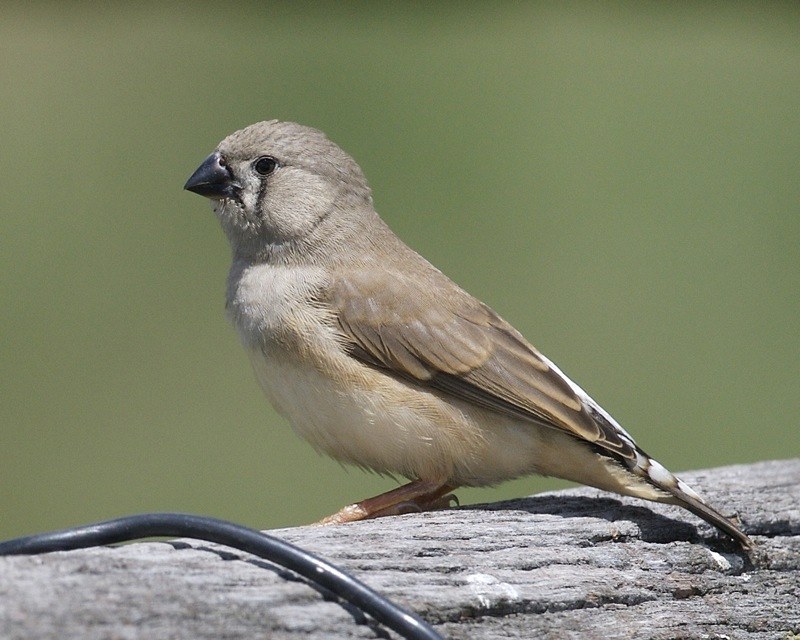
Living with Zebra Finches means sharing your home with a small social world. You may spend less time touching the birds than you would with a tame parrot, but you will learn their favorite perches, morning calls and feeding routines. The commitment is not smaller because the birds are small: a pair still needs daily attention, thoughtful space and access to suitable veterinary care.
Decide whether observation is your kind of companionship
Zebra Finches suit people who enjoy watching active birds make choices and interact. A comfortable pair may become confident around routine care while remaining unwilling to sit on a hand. That is not a failure of bonding. If your main wish is a bird that seeks frequent physical contact, these finches may not match your expectations.
Their calls are usually modest compared with many parrots, but they are repeated throughout the active day. Males also sing. Listen to a settled pair in person if possible rather than relying on a short edited clip. A home office used for calls, or a bedroom occupied by a daytime sleeper, may be an awkward location despite the birds' small voices.
Published captive lifespan information suggests planning for roughly four to eight years, with some birds living longer. That is a planning range, not a promise or a replacement for individual health assessment. Consider who will care for the birds if your work, housing or family circumstances change during those years.
Choose the room before buying the cage
Set aside enough width for a genuine flight enclosure and enough clearance to clean around it. A cage that technically fits between furniture may be difficult to service without frightening the birds. Stable positioning, secure doors and a comfortable observation distance matter more than matching a room's decoration. Avoid putting the enclosure where every passerby brushes against it.
Household air is a major part of the decision. Kitchens, smoking areas, aerosol use and strong cleaning products are incompatible with a safe bird space. Overheated nonstick coatings are a serious hazard, including when fumes travel from another room. Discuss changes with everyone who lives in the home rather than treating bird safety as one person's private routine.
Choose a place where a predictable dark, quiet night is possible. A television running beside the cage late into the evening can disrupt that rhythm. If a cover is used, preserve ventilation and keep loose fibers out of reach. Never keep the cage dark during the day merely to suppress normal calls.
Make daily care easy to repeat
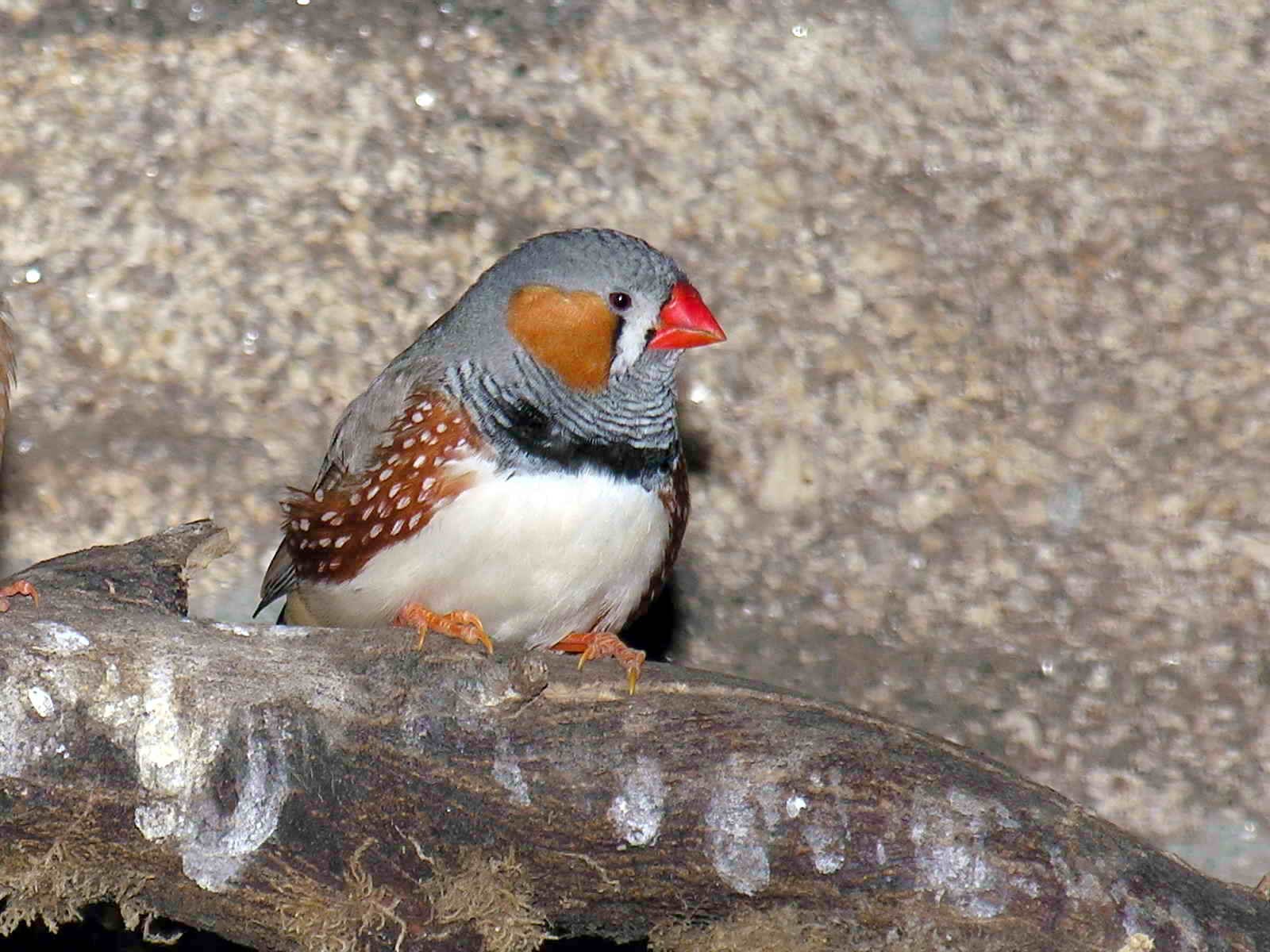
Allow time each morning to watch both birds before you start cleaning. You are checking that each is moving, breathing and eating normally, not simply counting two bodies. Replace drinking water and inspect seed dishes for edible kernels beneath the husks. Remove dirty paper and note anything that differs from the previous day.
Plan a second check later, especially after offering fresh foods or bathing water. Moist leftovers should not linger, and a bath may need removing long before bedtime. Seed husks and fine feathers will escape some enclosure designs, so choose nearby surfaces that are easy to clean without spraying products around the birds.
Divide responsibilities explicitly:
- Name the adult responsible for the morning health check.
- Keep food labels and safe serving instructions together.
- Assign dish washing and liner changes rather than assuming they happen.
- Record unusual behavior where every caregiver can see it.
- Keep the emergency clinic number beside the routine instructions.
Children can help spot behaviors, count feeding visits or replace supplies under supervision. They should not tap the bars, chase birds or carry a finch around the house. Adult responsibility remains essential, especially when a child loses interest or misses a subtle change in health.
Manage a pair rather than collect birds impulsively
An established compatible pair often provides a clearer starting point than a mixed group assembled one bird at a time. Social finches need real companions, but adding individuals changes the social situation. More birds require more space, additional resources and a plan for incompatible combinations, not simply another perch.
Same-sex housing may avoid fertile eggs but still needs observation; females can lay infertile eggs, and males are not automatically compatible. A male-female pair can produce chicks, so do not provide nest boxes casually. Before adopting a pair, ask how sex was assessed and whether the birds have already lived together peacefully.
Other profiles, including society finches, Bourke's parakeets, Pacific parrotlets and Senegal parrots, are useful comparisons for choosing a pet, not suggested cage mates. Parrots can injure small finches, and even another finch species may have different social or housing needs. Separate enclosures are the safer starting point for different species.
Plan travel, absences and emergencies
Arrange an in-person caregiver for every day you are away. Large food containers do not solve husk accumulation, and a full bottle can still fail to dispense water. A visitor must check the birds themselves and know what to do if one is sitting low, breathing abnormally or not eating. Test the arrangement while you are still reachable.
Leave permission and payment arrangements for veterinary care, transport equipment and the clinic's details. Give practical examples of urgent signs: labored breathing, bleeding, straining, collapse or unusual cage-floor sitting. A caregiver should call for professional help rather than waiting for you to reply from another time zone.
For moves or travel, use secure ventilated carriers and check applicable transport rules beforehand. Avoid exposing birds to fumes in a vehicle or leaving them in temperature extremes. Keep familiar food available during disruption, and do not combine a stressful move with a forced diet conversion or immediate introduction to new companions.
Prepare for changes over the birds' lifetime
Budget beyond the purchase price for examinations, emergency treatment, replacement equipment and a separate quarantine or recovery cage. Older birds or those with mobility changes may need individualized perch arrangements and closer monitoring. Adjust with veterinary guidance while preserving safe movement and reliable access to resources.
If one bird dies, the survivor needs observation and a veterinary review of possible shared illness or exposure. Do not immediately introduce a replacement because loneliness seems urgent. After health concerns are addressed, plan compatible company through appropriate quarantine and gradual introduction. Human attention can support the transition but is not a permanent substitute for finch social contact.
A satisfying home for Zebra Finches is built around continuity: dependable food, clean air, safe flight and a companion they can live beside comfortably. Your reward is a pair that remains confident enough to forage, call and rest naturally while you become a trusted part of their daily surroundings.
Continue reading: Zebra Finch Care: Build a Home for Flight and Companionship.
Sources and further reading:
- Zebra Finch — The Australian Museum
- Australian Zebra Finch Taeniopygia castanotis — BirdLife International
- Proper Care, Husbandry, and Breeding Guidelines for the Zebra Finch, Taeniopygia guttata
- Overview of Pet Birds — MSD Veterinary Manual
- Management of Pet Birds — MSD Veterinary Manual
Photo credits: Lip Kee Yap (Creative Commons Attribution-ShareAlike 2.0 Generic (CC BY-SA 2.0)), Luis Miguel Bugallo Sánchez (Lmbuga) (Creative Commons Attribution-ShareAlike 3.0 Unported (CC BY-SA 3.0)). Images resized and compressed for web display. Each image retains its linked license.

