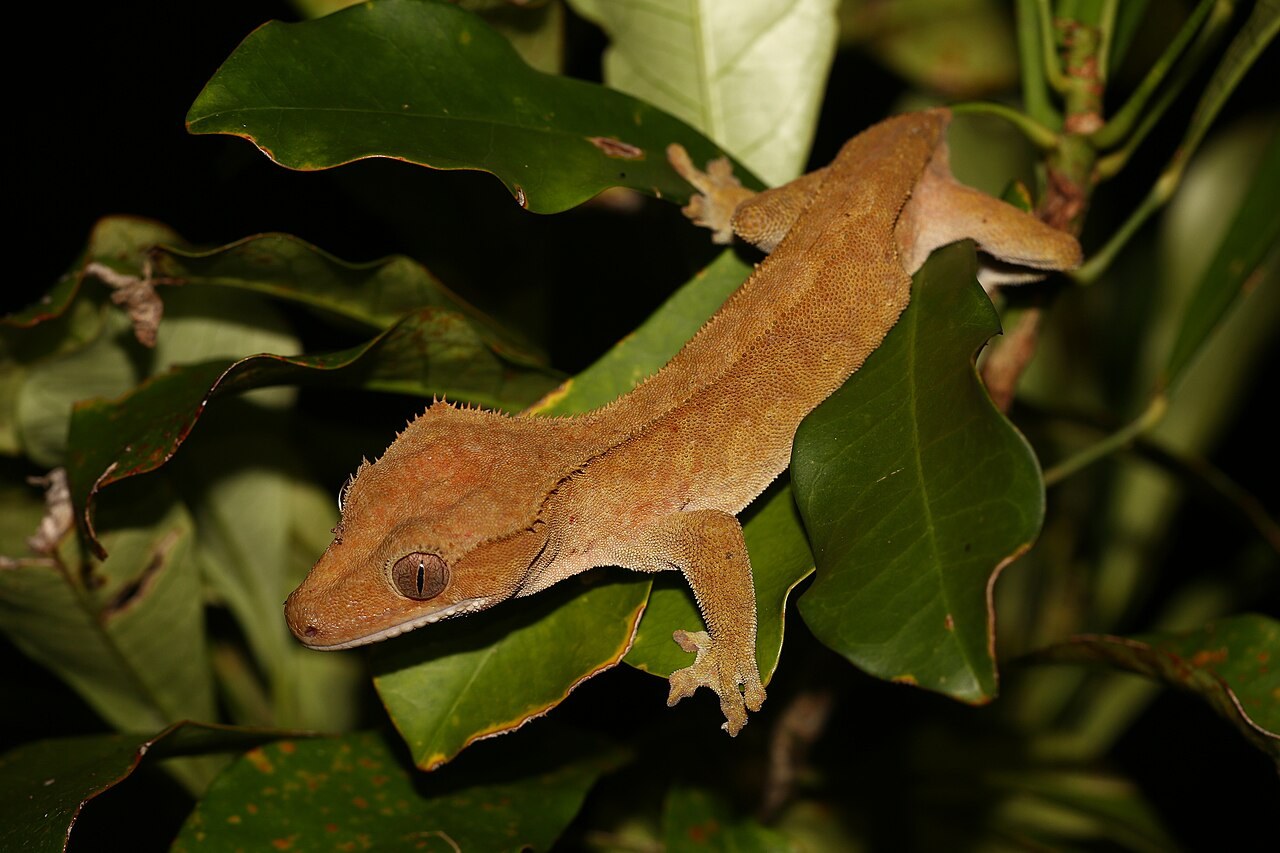
Crested gecko health problems are easier to recognize when you know the animal's normal evening routine, feeding pattern and body condition. A hiding gecko is not automatically ill, and an active one is not automatically healthy. This guide helps you organize observations and reduce avoidable risks; it does not replace examination by a reptile veterinarian or provide a diagnosis from appearance alone.
Build a baseline before interpreting symptoms
Arrange a reptile-veterinary assessment after acquisition and discuss an appropriate preventive-care schedule. Bring the food labels, enclosure dimensions and recent temperature and humidity readings. Useful records describe where and when measurements were taken: a midday perch surface and an overnight air minimum are not equivalent numbers. Ask whether fecal testing is appropriate for the animal's history.
Keep new arrivals in a separate, easily monitored enclosure, ideally in a separate room from existing reptiles. Use dedicated equipment and agree the quarantine duration and testing plan with your veterinarian; there is no single observation period that rules out every infection. Care for established healthy animals before newcomers, washing hands and changing contaminated items between them.
Record weight trends, visible food intake, droppings and evening movement. Photographs can document body outline without repeated restraint. A consistent decline in condition deserves attention even if each individual measurement seems small. Avoid relying on social-media examples of very heavy geckos as the definition of health.
Recognize overheating and other immediate emergencies
Heat stress is a major preventable risk for this species. The care ranges used here are warm daytime air of 24–26°C (75.2–78.8°F), cool air of 21–24°C (69.8–75.2°F), with independent surface checks for hotspots rather than an unsupported numerical perch-surface target. Night air can fall to 18–20°C (64.4–68°F). These separate measurements should never become one constant whole-enclosure setting.
Treat 29°C (84.2°F) as a precautionary intervention threshold, not a safe maximum to test. Direct sunlight, a stuck thermostat or a hot room can overwhelm a previously stable arrangement. Turn off unnecessary heat and move the animal out of a dangerous environment into a secure, appropriately temperate location while contacting a veterinarian.
Transport in a secure ventilated container protected from direct sun. Call ahead so the receiving clinic can advise on safe transport conditions.
Investigate poor grip and nutritional changes
A gecko that repeatedly falls, trembles or struggles to support itself may have a serious problem. Nutritional bone disease is one possible cause, but trauma, retained skin and other illnesses can also affect climbing. Visible jaw or limb changes are not something to manage by increasing a supplement until the appearance improves. Arrange veterinary assessment and reduce fall hazards while awaiting instructions.
Prevention starts with a genuinely complete commercial crested gecko diet and a coordinated insect-feeding plan. Baby fruit puree is not a balanced substitute. Separate insect requirements vary among products, and an insect-containing complete formula may not require additional prey nutritionally. Dusting decisions should account for the complete food, gut-load, vitamin D3 and actual UVB provision.
Keep approximately UVI 0.7 available at the exposed upper perch, grading to zero in shade in this approach. More UVB or more vitamin powder is not automatically better. Take the exact supplement packaging to the appointment so the veterinarian can evaluate overlapping ingredients rather than guess from a brand name.
Check skin, toes and breathing without invasive handling
Look at toes during normal climbing and observe the eyes without forcing the mouth open or pulling the animal from its retreat. Persistent retained skin can constrict small toes. Swelling, discoloration, discharge, wounds or worsening grip justify prompt veterinary advice; do not peel the skin, rub the eyes or apply household creams.
Use a humidity cycle rather than permanent saturation: a brief 70–80% RH rise after misting, followed by drying toward 40–50% RH before the next substantial misting. Measure at perch height away from spray, supply fresh water and maintain cross-ventilation. Clean humid cover can provide choice during shedding without leaving all bedding soaked.
Noisy breathing, discharge around the nose or mouth, and persistent open-mouth breathing need examination. Poor ventilation and contaminated wet surfaces are avoidable environmental problems, but correcting them does not diagnose or cure an established infection. Breathing distress belongs in the urgent category, even if the humidity display looks exactly on target.
Take appetite loss, tail wounds and egg problems seriously
One missed meal is different from a pattern of falling weight and reduced activity. Review access to food, recent changes and measured conditions, then contact a veterinarian if refusal persists with other concerning signs. Diarrhea, unusual droppings or weight loss may justify parasite testing, but routine home deworming can obscure the problem and expose the animal to inappropriate treatment.
A crested gecko's dropped tail does not regrow. Many animals adjust after healing, but fresh tail loss is still an injury. Keep the gecko quietly housed on clean, easily monitored surfaces, seek veterinary advice and avoid manipulating the stump. Persistent bleeding, swelling, discharge or exposed tissue requires prompt attention.
Females can produce infertile eggs without a male. Prolonged straining, marked swelling, weakness or tissue protruding from the vent needs urgent advice. Do not squeeze the abdomen, attempt to remove eggs or assume that a visibly swollen animal merely needs more food. Reproductive problems cannot be safely resolved from a photograph alone.
Protect the household and prepare useful veterinary records
Reptiles may carry Salmonella while appearing healthy, and their water, furnishings and feeding equipment can spread contamination. Wash hands with soap and running water after contact. Keep habitats and equipment out of kitchens and food-preparation areas, and never kiss the gecko or allow it near your mouth.
Children under five, adults 65 and older, and people with weakened immune systems face greater risk of severe illness. Reptiles are not recommended for households containing these higher-risk people; discuss the implications before acquisition rather than relying on a claim that captive breeding makes an animal germ-free.
Prepare this information when calling the clinic:
- Symptoms, when they began and whether they are getting worse.
- Weight trend, recent meals, droppings and shedding history.
- Actual air, surface, nighttime and humidity readings.
- Food labels, supplements, lamp details and recent habitat changes.
Continue reading: Crested Gecko Handling and Behavior: Safer, Calmer Contact.
Sources and further reading:
- RSPCA: Caring for your Crested Gecko
- ReptiFiles: Crested Gecko Care Manual and Terrarium Size Guidelines
- ReptiFiles: Crested Gecko Temperatures & Humidity
- ReptiFiles: Crested Gecko Food
- CDC: Reptiles and Amphibians
Photo credits: Lennart Hudel (CC BY 4.0 International). Images resized and compressed for web display. Each image retains its linked license.
