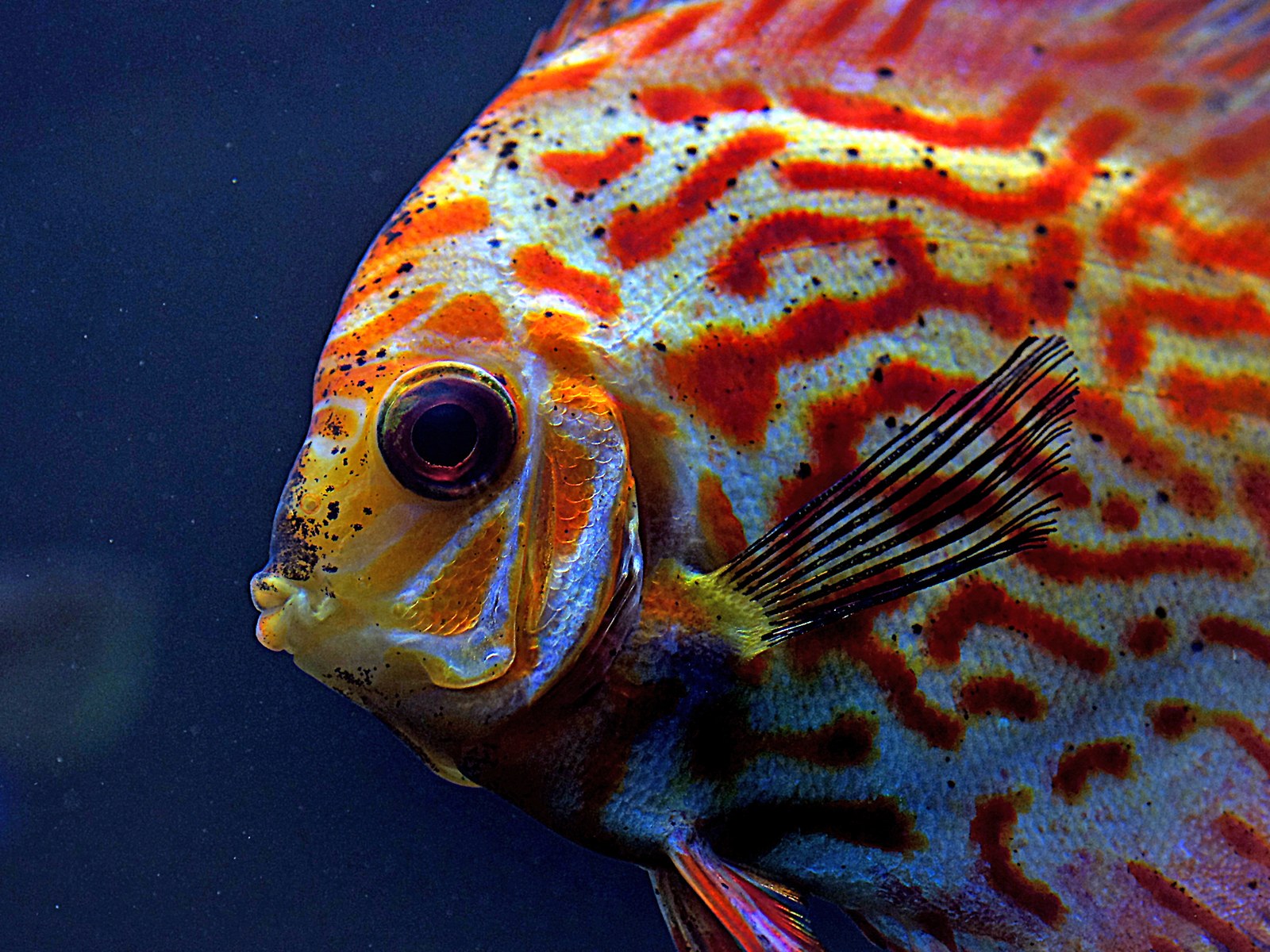
Living with discus can be deeply satisfying if you enjoy the routine behind the display. It is less appealing if the aquarium is expected to look after itself between occasional cleaning sessions. Before comparing colors, consider time, adult group space and dependable backup care. These choices determine whether the fish fit your household more than the price of a particular strain.
Choose a workload you can sustain
Maidenhead Aquatics recommends small varied meals at least three times daily, alongside efficient filtration and regular partial water changes. That creates recurring observation and cleaning tasks. Decide how meals will fit workdays, weekends and unexpected absences, and how you will confirm that every discus eats rather than simply dispensing food.
Water preparation may also need planning if your source differs from the adopted aquarium guidance of 27-30 C and pH 6.0-6.5. Learn the tests and develop a repeatable method before adding fish. A complicated routine that only one person understands is vulnerable when that person becomes unavailable.
The reviewed references differ in their shorthand assessment of difficulty. Instead of choosing the most reassuring label, test whether you can operate the actual system consistently. A mature filter, prepared water and a competent backup keeper are more meaningful evidence of readiness than confidence alone.
Plan for the adult group rather than the shop display
Discus are social, and Maidenhead suggests beginning with five or six fish. Their adult accommodation must be considered separately from the Seriously Fish aquarium reference of about 120 by 45 by 45 cm, quoted as 255 liters, for a breeding pair or a few juveniles. That limited example is not verified capacity for the mature group you intend to keep.
Discuss a larger adult-group system with an experienced keeper or specialist, leaving room for shelter, feeding access and safe withdrawal. Also plan a separate functioning quarantine or hospital aquarium. An upgrade promised for some undefined future date is not the same as having the space and funds secured.
Consider the physical work: access to the substrate, filter servicing, replacement-water storage and safe equipment placement. A beautiful location that makes every water change awkward can undermine long-term care. Follow aquarium and stand requirements and seek appropriate advice about structural support when necessary.
Ask the supplier questions that matter
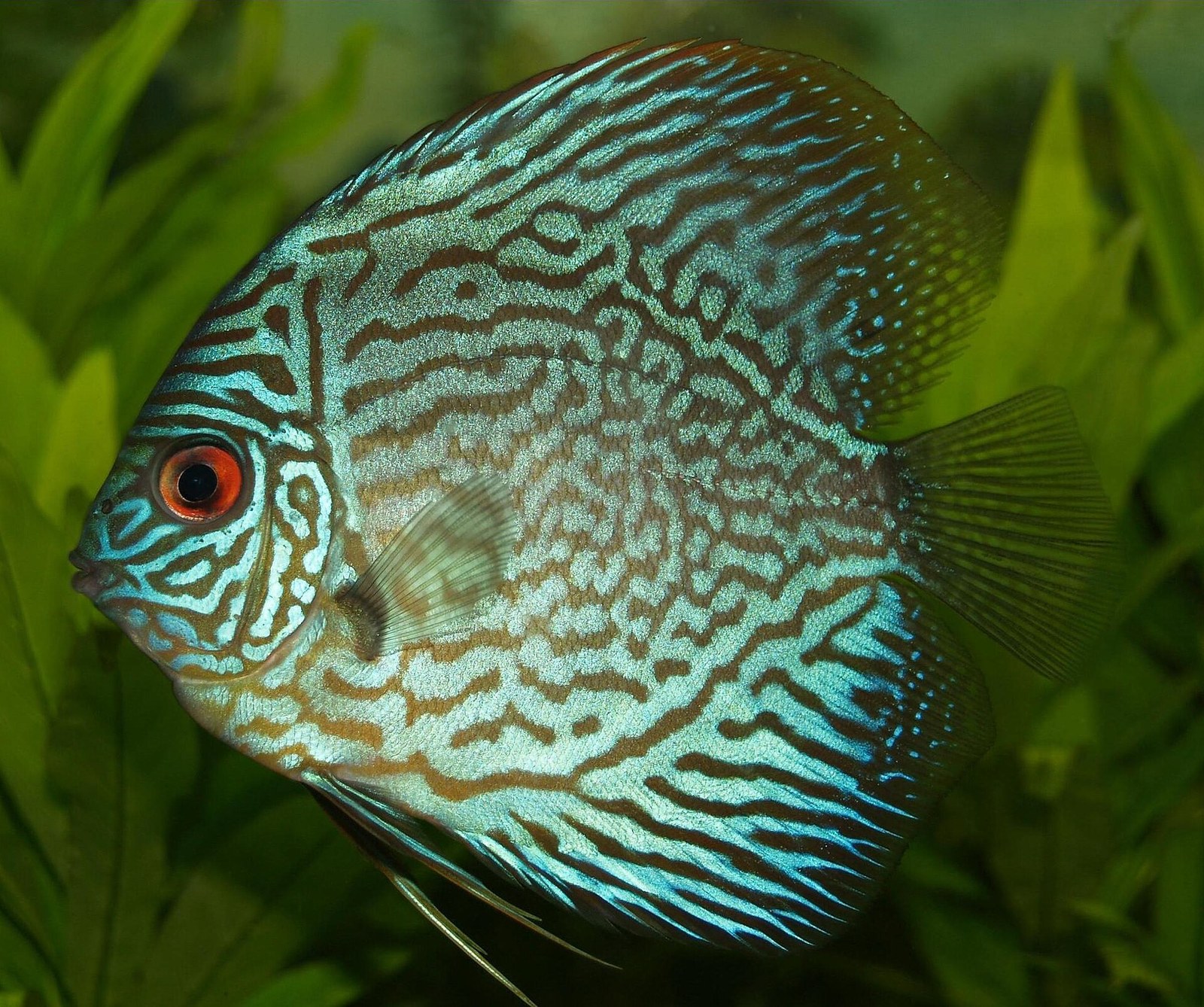
Commercial discus may have mixed ancestry, and Symphysodon classification has competing interpretations. Treat a retail color name as a strain description unless the seller has more specific documentation. You do not need an invented pedigree to care responsibly for a fish; you need honest information about its origin and established routine.
Ask to see the group eat and observe quieter individuals as well as the boldest specimen. Find out the current foods, water conditions, source and any recent treatment history. A seller who can explain these details offers more useful information than one who promises that an expensive color is automatically hardy.
- Ask whether the fish are captive-bred or wild-origin.
- Record the actual water tests and units used.
- Note the food and schedule the fish recognize.
- Clarify transport and introduction advice before collecting them.
Keep uncertainty explicit. A photograph cannot confirm exact ancestry, and a healthy appearance does not remove the need for quarantine.
Budget for reliability rather than decoration alone
Include heating, filtration, electricity, water treatment, tests, food and maintenance equipment in the budget. Prices depend on location and the chosen system, so use local quotes rather than a generic monthly total. Add replacement parts, backup aeration and access to an aquatic veterinarian. The aquarium's purchase price does not describe its ongoing needs.
Think about changes in your circumstances as well as predictable bills. A move, altered work schedule or illness can make a once-manageable routine difficult. The sources reviewed here do not establish a reliable discus lifespan range, so plan long-term instead of using an unsupported number to define the commitment.
Prioritize tools that make a sound routine easier. Additional gadgets are not a substitute for knowing whether the basic water preparation and feeding plan works.
Make household and holiday care unambiguous
Assign a primary keeper and a trained substitute. Use a visible record so several helpful people do not feed the same meal repeatedly. Children can help identify fish and record observations under supervision, while adults retain responsibility for electrical equipment, water treatment and welfare decisions. Keep products labeled and stored appropriately.
For travel, arrange care around the established feeding and maintenance needs. Provide measured portions, normal water values, equipment instructions and an emergency contact. Test an automatic feeder well in advance if using one, and verify that its delivery point does not exclude shy fish. Someone still needs to notice poor appetite, abnormal breathing or a stopped filter.
Have the substitute practice ordinary checks while you are present, including confirming that equipment has restarted after maintenance.
Keep enjoyment compatible with changing needs
Discus offer quiet opportunities to notice individual routines, feeding confidence and group relationships. Enjoy those observations without expecting every fish to behave identically or every group to remain unchanged. Persistent food exclusion, wounds or declining condition require a response even if separating fish disrupts the appearance of the display.
If care becomes unsustainable, look for help early. A knowledgeable service or a revised household schedule may solve a practical problem, but inadequate adult space needs a genuine accommodation solution. For rehoming, contact a suitable retailer, aquarium organization or experienced keeper and provide health, diet, water and social-history records.
Never release unwanted fish into outdoor waters. A responsible new home must be ready for the fish rather than merely willing to accept them. Choosing discus thoughtfully means considering the whole relationship: not just the excitement of bringing a colorful group home, but the reliable routine that keeps each member well cared for afterward.
Continue reading: Discus Care Guide: Build a Stable Home for a Group.
Sources and further reading:
- Symphysodon aequifasciatus (Discus) - Seriously Fish
- Symphysodon aequifasciatus - FishBase
- Discus-Symphysodon - Maidenhead Aquatics
- Management of Aquarium Fish - MSD Veterinary Manual
- Candidate Species for Florida Aquaculture: Discus Symphysodon spp., a Profitable but Challenging Species for Florida Aquaculture
Photo credits: Bernard Spragg. NZ from Christchurch, New Zealand (CC0), Patrick Farrelly (Public domain (copyright holder release; not CC0)), Gladstone Peixoto Moraes (Public domain (copyright holder release; not CC0)). Images resized and compressed for web display. Each image retains its linked license. Head-and-shoulder crop only, used as a detail shot rather than the species cover. Photo by Patrick Farrelly. Commons marks the image public domain, but its permission text also requests author acknowledgement; attribution is retained here. Not a CC0 dedication. Commercial ancestry is not established by this photograph.


