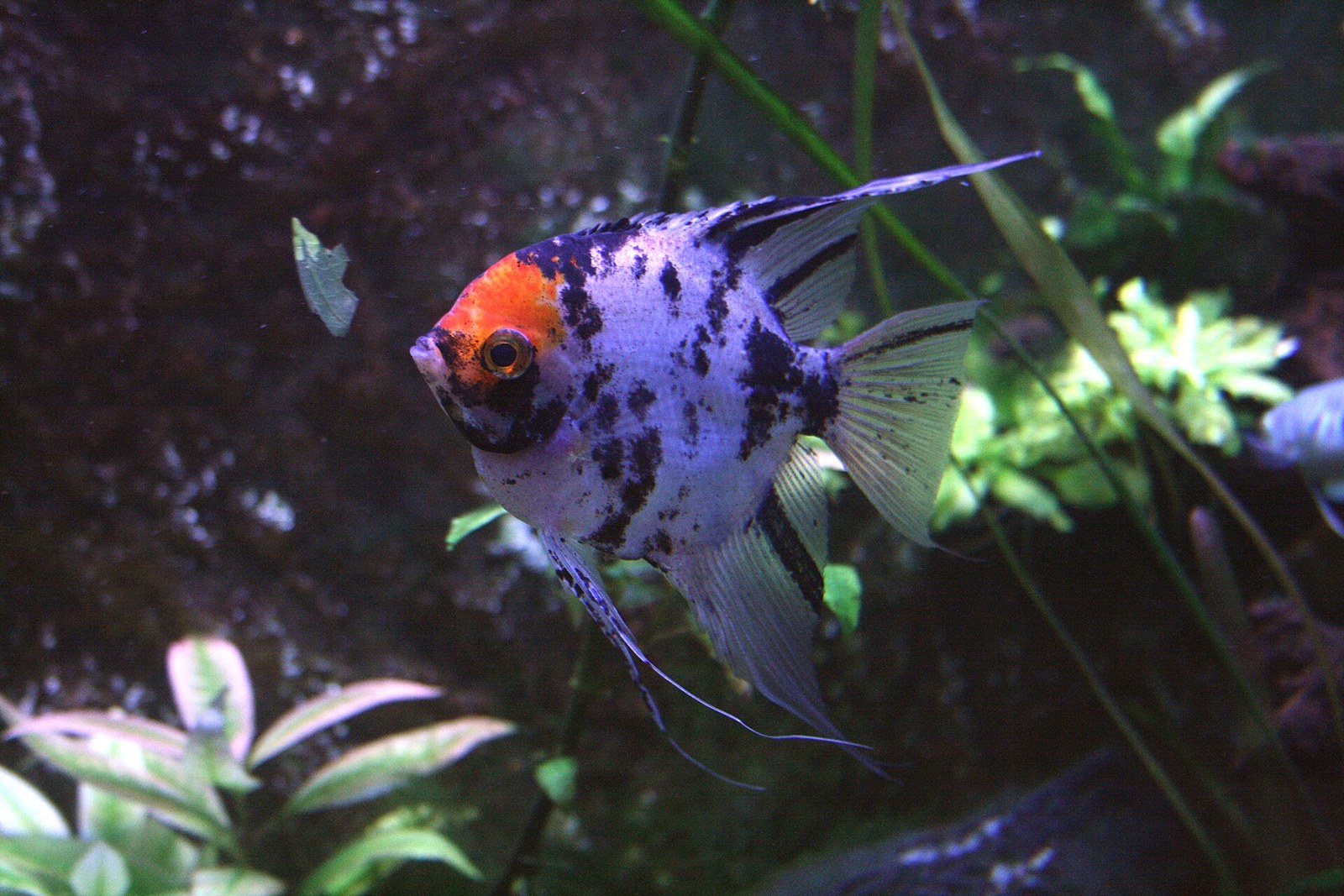
Living with angelfish means sharing a home with a small aquatic system, not just buying an attractive animal. The daily viewing can be wonderfully quiet, but the responsibility includes equipment, water preparation and social decisions. Before choosing a color variety, decide whether your household can support adult accommodation and uninterrupted care when life becomes busy.
Assess the space you can really maintain
This profile starts adult aquarium planning at Aqueon's 55 US gallons or larger recommendation, about 208 liters. That is not a guarantee for a pair or group. A tall-bodied angelfish also needs usable depth and a footprint that allows turning, retreat and access around decorations. Shop juveniles can make a future space problem look deceptively small.
Measure the location, maintenance access and route for moving equipment before ordering anything. Consider where replacement water will be prepared, how a hose or bucket will reach the aquarium, and whether filter servicing requires awkward lifting. Follow tank and stand requirements, and get appropriate advice if you are uncertain about the location's structural suitability.
A display should also leave room for a functioning quarantine or separation system. If there is no feasible place to protect an injured or bullied fish, the stocking plan is incomplete even when the main tank looks generous.
Budget for the system beyond purchase day
The price of the angelfish is only one part of ownership. Build a budget around the aquarium and stand, heating, filtration, tests, conditioner, food, maintenance tools and ongoing electricity and water use. Local costs vary too much for an invented universal monthly figure to be helpful. Price the actual equipment and consumables available to you.
Include replacement parts and access to aquatic veterinary care. A heater or pump can fail at an inconvenient time, and a backup plan is more useful than discovering the nearest shop is closed. Find out who treats fish in your area before a breathing emergency or serious injury occurs.
The reviewed species references do not establish a reliable lifespan range for angelfish. Treat that uncertainty as a reason to plan long-term rather than to assume the commitment ends after a particular number of years. Consider likely household moves, changes in working hours and who would take over care if necessary.
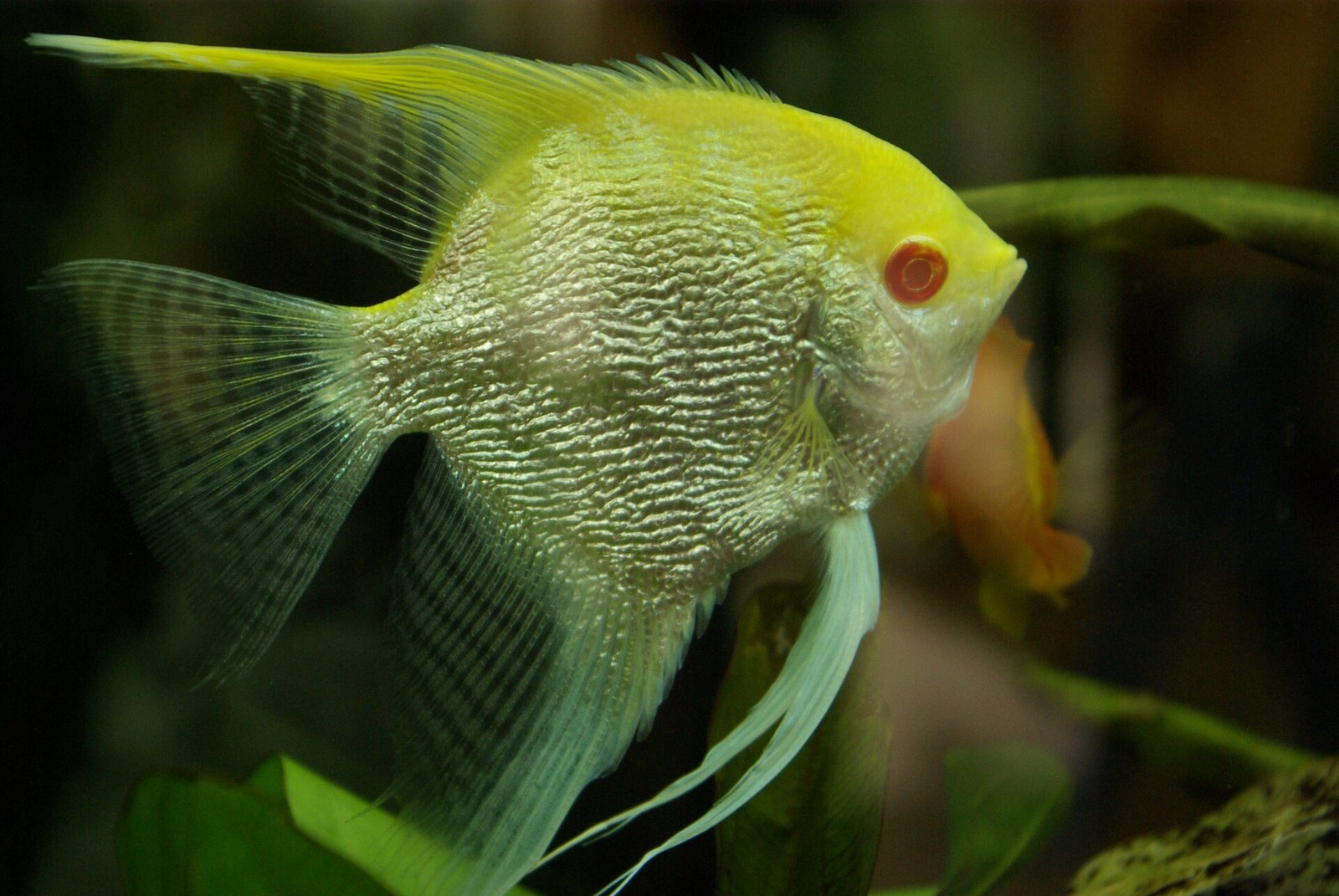
Divide household tasks without diluting responsibility
Several people can enjoy the aquarium, but one person should know whether essential tasks have been completed. Otherwise, fish may receive several generous breakfasts while nobody checks the filter. Agree who feeds, who tests, and who confirms that equipment is working after maintenance. Keep the record near the supplies rather than relying on memory.
Children can identify individual angelfish, record observations and help count successful eaters under supervision. Adults should manage electrical equipment, chemicals, water preparation and welfare decisions. Explain why tapping the glass, putting hands in unnecessarily, or adding an exciting new tankmate without discussion is not part of pet care.
- Assign a primary keeper and a competent backup.
- Record feeding so it is not repeated accidentally.
- Store food and treatment products securely and separately.
- Make urgent contact details easy to find.
Enjoy observation without expecting a performance
Angelfish often become conspicuous at feeding time, which makes them rewarding to watch. Use that opportunity to notice individual preferences and social access rather than encouraging constant begging with extra food. A fish approaching the glass is not evidence that every request deserves a meal.
Their relationships can change with maturity or pair formation. Watch for a fish excluded from food or repeatedly forced behind equipment, even if the aquarium previously seemed harmonious. Do not view necessary separation as spoiling the display. The ability to adapt is one of the most important parts of keeping social cichlids responsibly.
Select any companions using adult size, water needs and behavior together. Tiny fish may become prey; fast or nipping neighbors can create a different problem for flowing fins. Encyclopedia links to other fish are invitations to compare their needs, not permission to combine them. A simpler aquarium is better than a visually varied one that you cannot keep peaceful.
Prepare for travel and equipment interruptions
Arrange holiday care early enough to rehearse it. Show the substitute keeper how to check temperature, filter flow, fish breathing and the water level. Supply measured food portions and explain when not to keep feeding, especially if food is left over or the fish seem distressed. An automatic feeder should be tested well before departure, not installed as you leave.
Write down what to do during a power failure or suspected equipment fault, including how to contact someone with aquarium experience. Keep a suitable backup aeration option and manufacturer instructions accessible. Any emergency electrical action must be safe for the person first; do not ask an inexperienced sitter to dismantle wet equipment.
Plan for changes in your own circumstances
If the tank becomes difficult to maintain, address the cause while fish are still well. A different hose arrangement, clearer task sharing or help from an experienced aquarium service may restore a workable routine. If the adult accommodation is inadequate, however, convenience changes cannot replace the required space.
Responsible rehoming takes preparation. Contact a knowledgeable retailer, local aquarium organization or suitable keeper, and explain the fish's size, relationships, accepted foods and health history honestly. A prospective home needs to accommodate the animal, not simply have an empty aquarium. Ask for transport advice rather than improvising a long journey in an unsuitable container.
Never release angelfish outdoors or abandon them in a public water feature. A thoughtful ownership plan includes a safe ending to your role if circumstances change. That does not diminish the enjoyment of keeping them; it makes the quiet pleasure of watching those tall fins compatible with dependable care.
Continue reading: Angelfish Care Guide: Plan for the Adult Fish.
Sources and further reading:
- Pterophyllum scalare (Angelfish) - Seriously Fish
- Pterophyllum scalare Care - Tropical Fish Hobbyist Magazine
- Angelfish Care Guide - Aqueon
- Angel Fish Pterophyllum scalare - Maidenhead Aquatics
- Management of Aquarium Fish - MSD Veterinary Manual
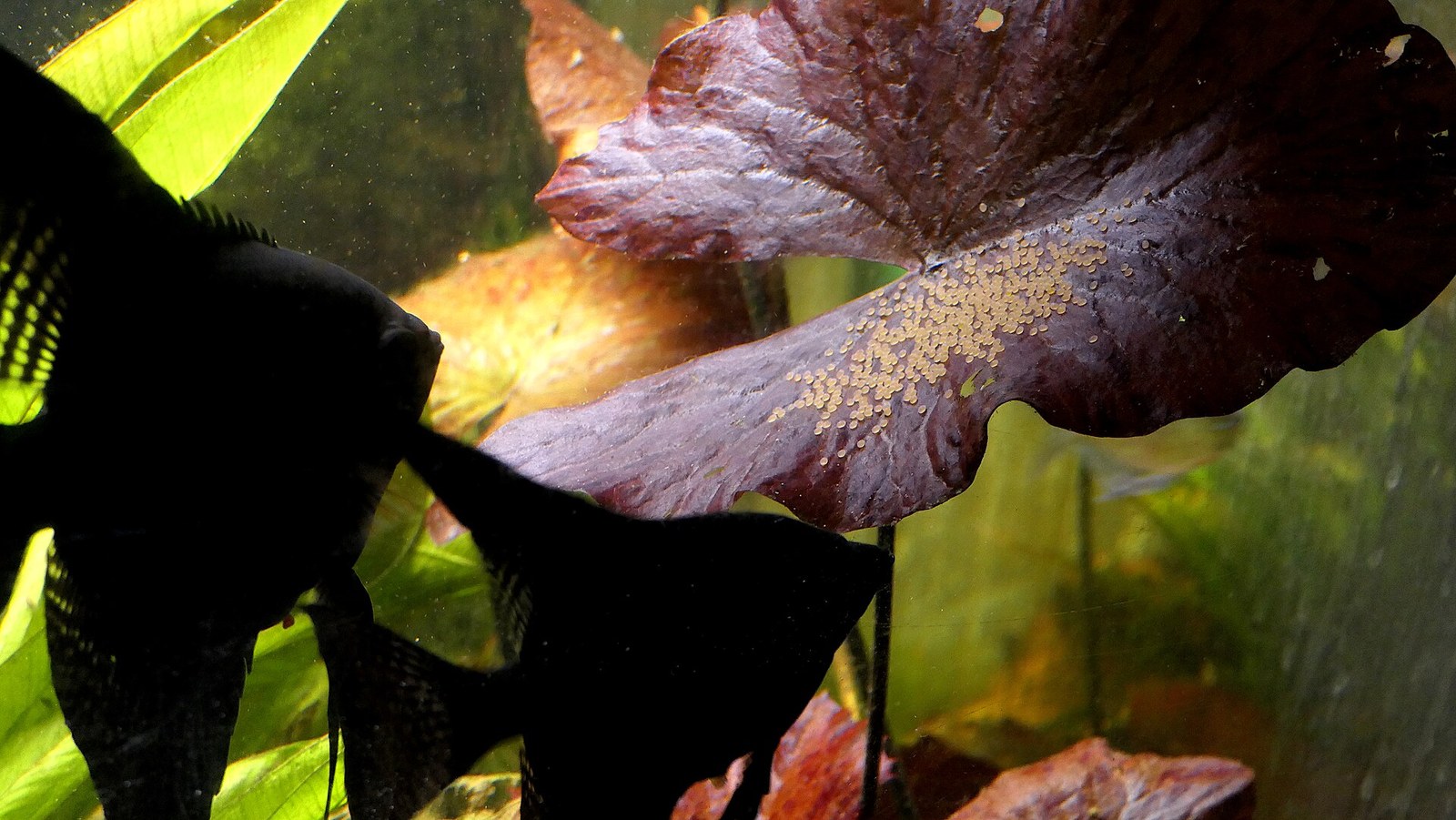
Photo credits: Karelj (Public domain (copyright holder release; not CC0)), Love Krittaya (Public domain (copyright holder release; not CC0)), 5snake5 (CC0). Images resized and compressed for web display. Each image retains its linked license. Dimly lit breeding scene, retained as a secondary photograph rather than the cover.


