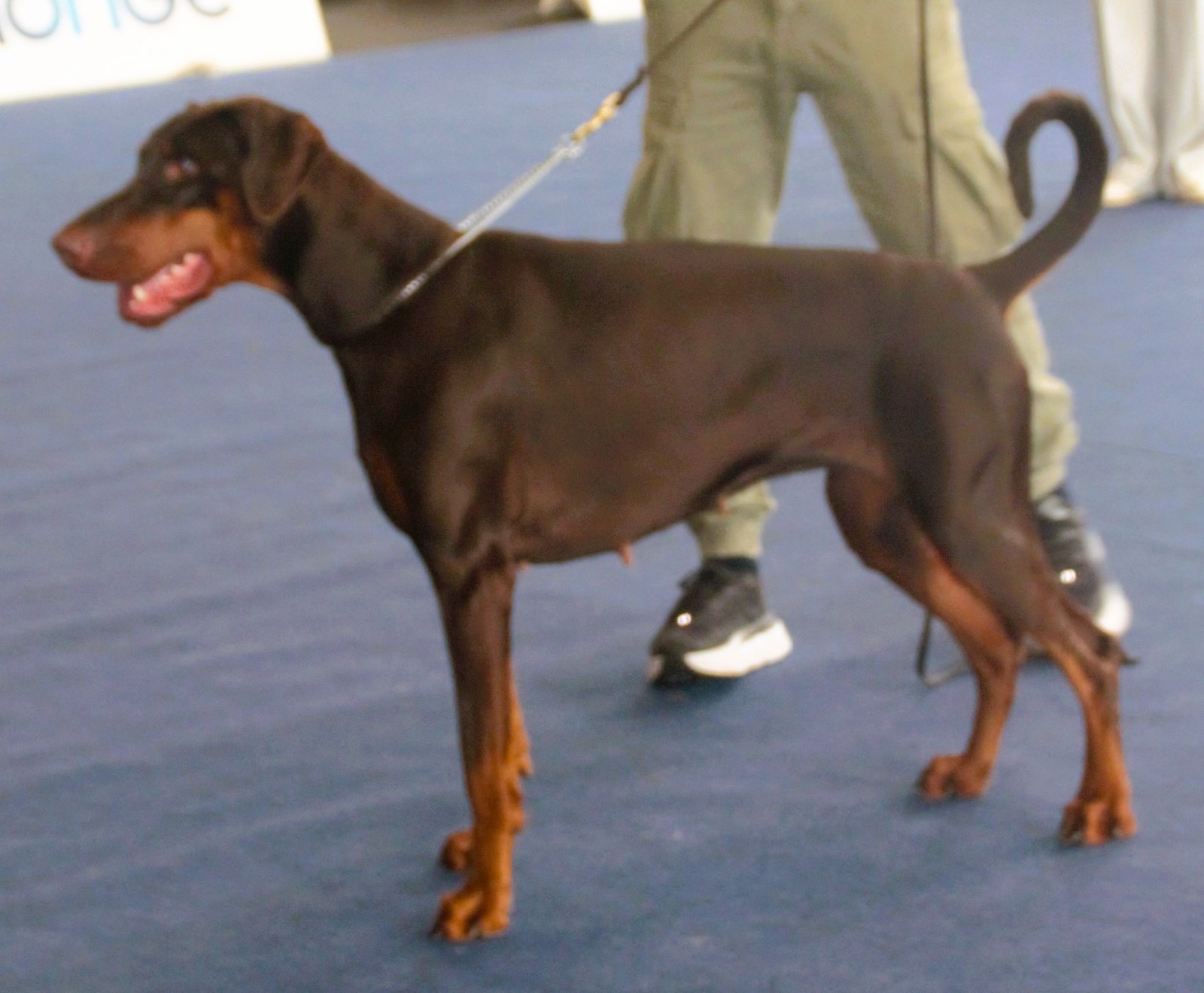
Training a Doberman should make daily life safer and more comfortable for both dog and people. Intelligence and strength do not create a need for intimidation. They make clear teaching, well-timed rewards, and reliable management especially useful. Start with practical goals: walking without dragging you, resting during dinner, returning when called, and feeling safe around ordinary events. A dog's breed label cannot tell you its confidence, preferences, or learning history.
Replace reputation with observation
Watch what happens before a behavior rather than deciding that a dog is stubborn, dominant, or naturally suspicious. Pulling might reflect excitement, a frightening sound, or a history of reaching interesting smells by moving forward. Barking near a doorway might involve surprise or discomfort. The explanation changes the plan. Note distance, context, body tension, and whether the dog can still take food or respond to an easy familiar cue.
Many Dobermans enjoy close interaction, but individuals differ and adolescents may find distractions harder than they did as puppies. Senior dogs may have pain or sensory changes that alter responses. Sudden irritability, unusual reluctance, or loss of a previously comfortable skill deserves a veterinary check. Behavior change can be health information. A breed trait score is an editorial tendency, not a diagnosis or evidence that your dog should behave a particular way.
Make rewards clear and practice achievable
Choose a marker word, such as yes, to identify a useful action, then follow it with a reward the dog values. Begin in a quiet place and reward easy successes. Food from the day's allowance is convenient, but play, sniffing, or moving toward a desired location may also work. Change one challenge at a time instead of adding distance, noise, and duration simultaneously.
Arrange the environment so mistakes are less likely. Put shoes away while teaching toy choices and use a gate during cooking while teaching a bed routine. If the dog struggles, simplify the task; repeating a cue more loudly does not explain it better. AVSAB recommends reward-based training and rejects aversive methods. Do not use alpha rolls, leash jerks, intimidation, or shock, prong, and choke equipment as teaching tools. Consistency means predictable information, not being physically forceful.
Teach walking and recall with a safety backup
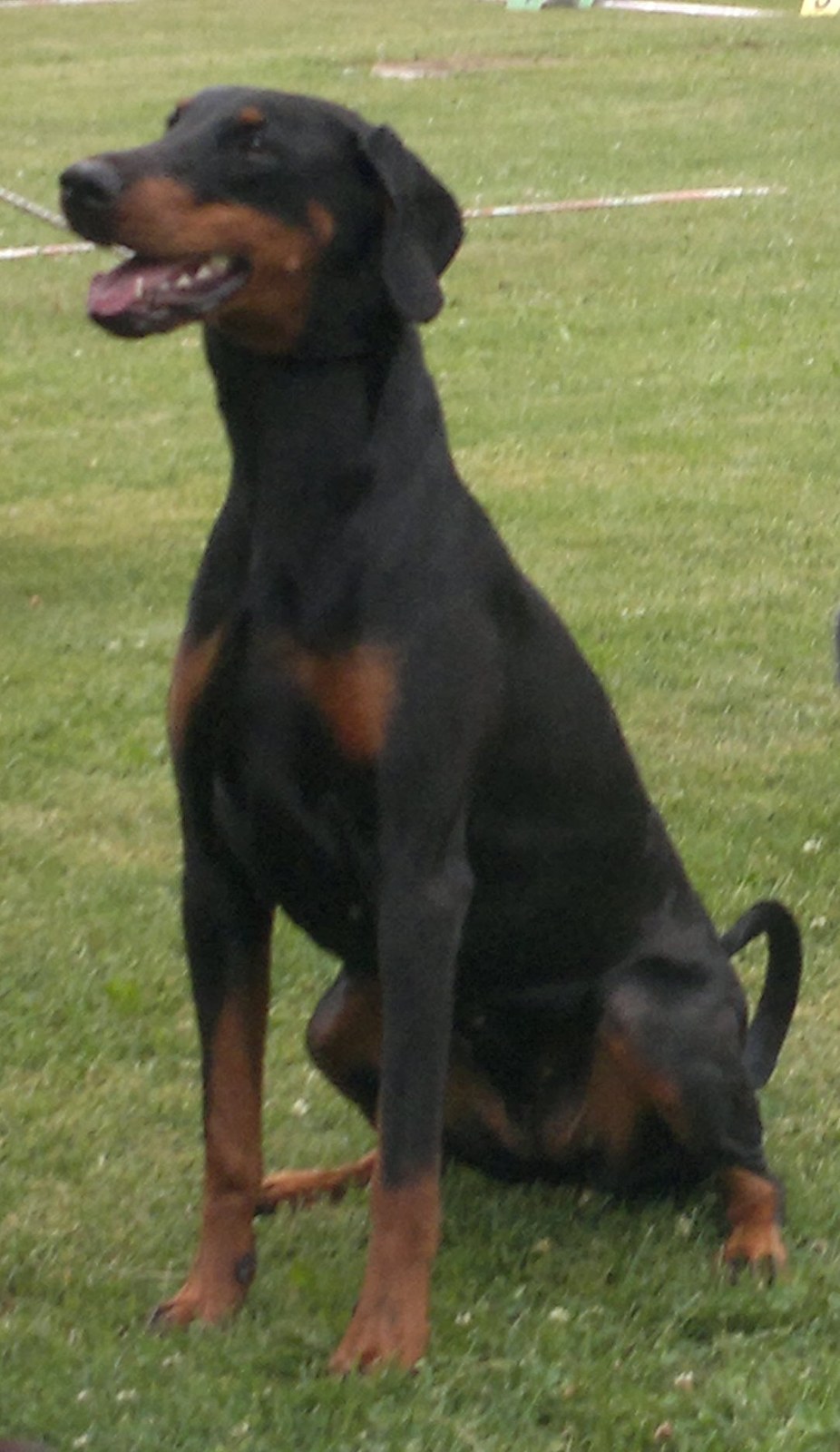
Check that walking equipment fits without rubbing or restricting movement. Reward the dog for being near you before moving into a distracting area. Walk a few steps, mark a loose leash, and reward. When the environment becomes too difficult, create space or choose a quieter route rather than pulling the dog into position. Sniffing can be part of the reward, so a walk need not become a continuous obedience exercise.
For recall, start nearby in a secure area and reward turning toward you and arriving. Gradually practice around manageable distractions. Avoid calling repeatedly when the dog is unlikely to respond, and do not punish it when it finally returns. Use secure fencing or an appropriately managed long line while reliability develops. A long line must be used where it cannot entangle people or traffic; it is not permission to let the dog accelerate into the end of it.
Build a visitor routine and an everyday off switch
Practice the arrival sequence before inviting a crowd. A gate or separate room gives you time to open the door without managing a jumping dog at the same moment. Reward resting on a mat while someone moves quietly nearby, then add slightly more realistic activity. Visitors should ignore the dog initially if attention creates excitement or worry. Meeting a person is optional; comfortable separation is a successful outcome.
A simple practice sequence is easier to repeat:
- Set up the barrier and prepare rewards before the door opens.
- Give the dog enough space to observe without escalating.
- Reward relaxed attention or settling rather than demanding a greeting.
- Allow contact only if everyone is comfortable and the dog chooses it.
- End early if tension, repeated jumping, or avoidance increases.
Socialize for confidence, not compulsory interaction
Useful socialization includes ordinary surfaces, sounds, vehicles, handling, and people viewed from a comfortable distance. For puppies, discuss infection risk and safe exposure options with the veterinarian rather than choosing between uncontrolled contact and complete isolation. Pair manageable experiences with something pleasant and allow retreat. A puppy that freezes or tries to leave needs less intensity, not a longer exposure intended to make it give up.
Not every dog wants close canine play. Parallel walks with suitable dogs may be more manageable than a crowded off-leash area. Prevent chasing of cats or smaller animals and use physical separation when compatibility is uncertain. Supervise children actively, teach them to leave resting and eating dogs alone, and never require a dog to tolerate hugging or rough handling. Calm neutrality is a worthwhile goal. There is no need to make strangers seem threatening or cultivate a protection role for a family companion.
Teach independence and respond early to distress
Start with moments of separation the dog can manage, such as resting behind a gate while you remain nearby. Pair the setup with familiar comfort and return before anxiety escalates. Gradually vary distance and duration according to the response, not a fixed timetable. A camera can help you observe whether the dog rests or shows persistent pacing, vocalizing, panting, or attempts to escape once you leave.
If the dog panics, longer absences are not practice successes. Arrange help and consult your veterinarian or a qualified behavior professional who uses reward-based methods. Distress may require a coordinated behavior and medical plan. A crate is not appropriate as a way to contain frantic escape attempts. Likewise, serious guarding of objects needs management and professional support; teach exchanges without reaching into the mouth or repeatedly taking food away to test tolerance.
Progress is often ordinary: a dog choosing its bed, noticing a passerby without rushing forward, or returning happily from a smell. Those skills build a safer relationship than any performance based on fear, and they remain useful throughout the dog's life.
Continue reading: Doberman Grooming: Short-Coat Care, Natural Ears, and Comfortable Handling.
Sources and further reading:
- FCI: Dobermann breed standard No. 143
- PDSA: Dobermann breed information
- PetMD: Doberman Pinscher
- Cornell Riney Canine Health Center: Dilated cardiomyopathy
- NC State Veterinary Hospital: Doberman Pinscher dilated cardiomyopathy testing
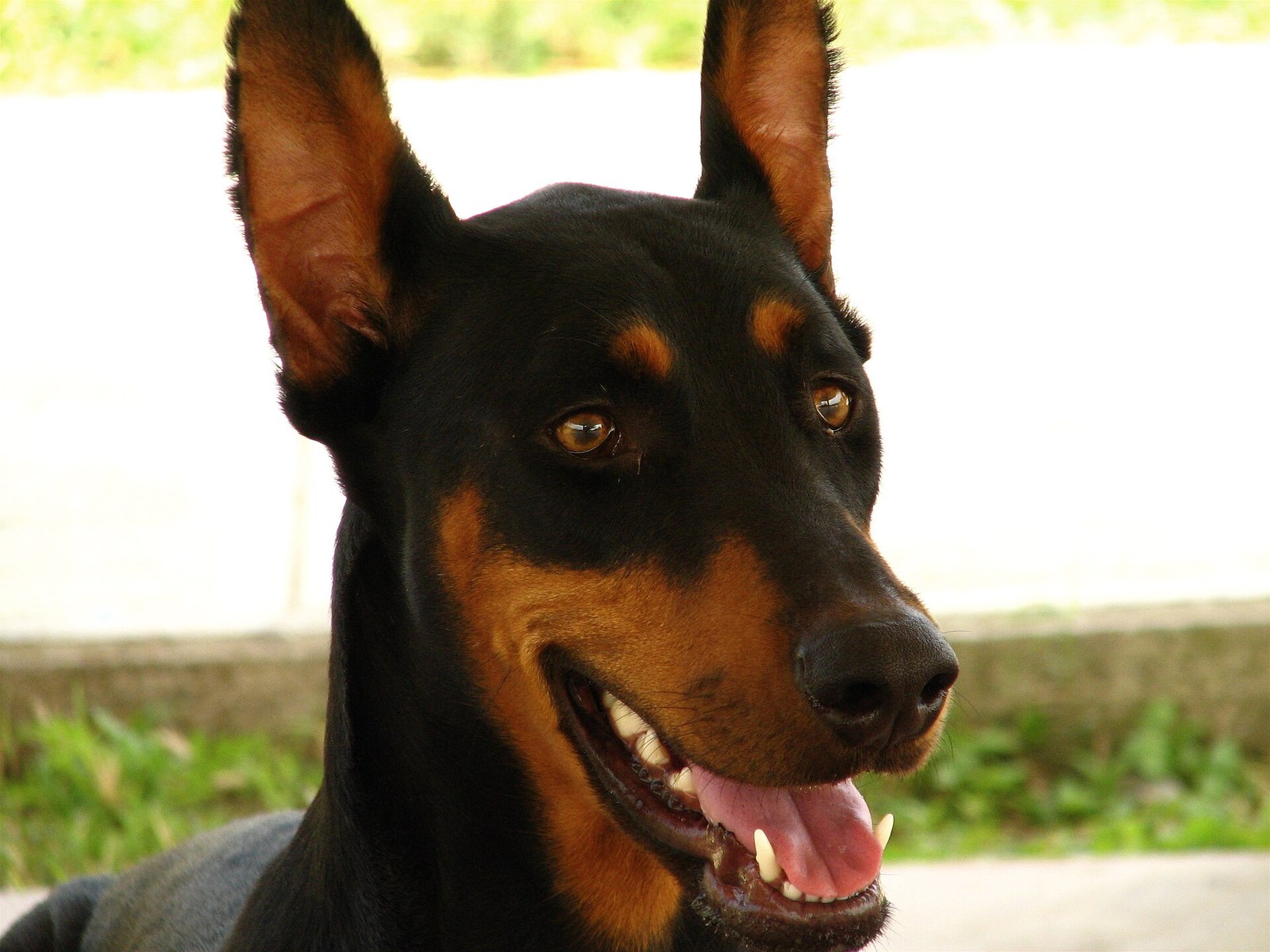
Photo credits: Canarian (CC BY 4.0), Canarian (CC BY-SA 3.0), pato garza (CC BY 2.0). Images resized and compressed for web display. Each image retains its linked license. This dog shows cropped ears. Ear cropping and tail docking are cosmetic procedures; the Doberman profile states they are not routine care recommendations and that natural ears and an undocked tail are normal anatomy. Retained for breed representation with this disclosure.


