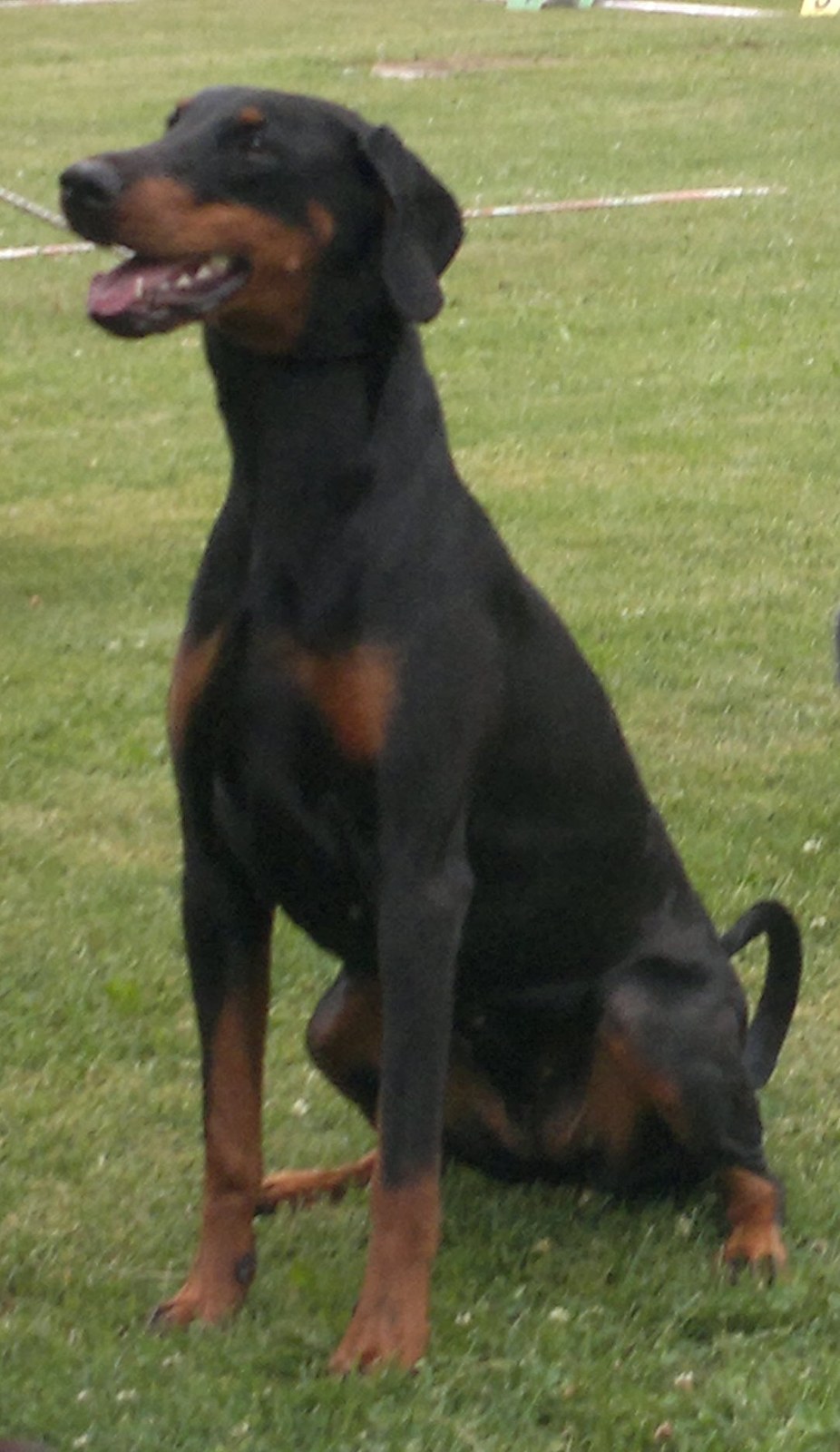
A Doberman's smooth coat can make grooming look almost unnecessary. In reality, short sessions are valuable for skin comfort, safe nails, dental health, and noticing changes early. The aim is not a polished show outline or altered ears. It is a dog that stays comfortable and can participate willingly in ordinary care. Start gently, prepare your equipment, and let the dog's response determine how much you do at once.
Begin with cooperation rather than restraint
Choose a quiet location with non-slip footing and let the dog approach. Touch a comfortable area briefly, mark relaxed cooperation, and reward. Build toward feet, ears, and the face in manageable steps rather than expecting a whole grooming session immediately. A dog that moves away is giving useful information: reduce the difficulty, change your position, or stop. Practice before the nails are urgent or the coat is heavily soiled.
Some owners teach a chin rest or another comfortable start signal to make participation clearer. Keep early sessions easy enough that the dog can succeed. Sudden resistance to a previously familiar touch may reflect pain, not a lapse in manners. Ask the veterinary team to demonstrate necessary handling and to help plan care for an anxious dog. Physical force, frightening tools, and punishment can make the next session harder and obscure the reason the dog is resisting.
Brush the short coat and check the skin beneath
Use a soft brush or gentle grooming mitt to lift loose hairs without scraping. Weekly brushing is a useful starting routine, with adjustments for shedding and the dog's comfort. Short hairs still accumulate on bedding and clothing, and a short coat does not guarantee a low-allergen home. Launder sleeping covers and clean grooming tools as part of the routine rather than trying to solve everything with more brushing.
Look at the skin as you work. Persistent redness, scabs, thinning patches, unusual odor, or repeated scratching deserves veterinary attention. Coat color and shine cannot tell you whether the dog is healthy, and appearance alone cannot establish the cause of hair loss. Avoid buying supplements, human hair products, or strong shampoos to improve a patch before it has been assessed. Photograph a changing area in consistent light if helpful, but do not delay care for an inflamed or painful lesion.
Bathe for a reason and dry without chilling
For a little mud, a local rinse or damp cloth may be enough. When a bath is necessary, gather towels, a dog-appropriate shampoo, and a non-slip mat before starting. Use comfortable water, keep the face and ears protected from direct spray, and rinse thoroughly. Residue can irritate skin even when the product itself is suitable. Keep the experience calm and stop if the dog becomes frightened or physically uncomfortable.
Dry gently and provide a warm, comfortable resting area. Avoid hot airflow and do not leave a wet dog outside in cold conditions. A short coat offers limited insulation, particularly when damp. Recurring smell or frequent soiling should trigger a closer look at skin, ears, teeth, digestion, or mobility rather than automatic repeated bathing. If a veterinarian prescribes a medicated product, follow that specific plan instead of alternating it with other products that may interfere or cause irritation.
Respect natural ears and tails during routine care
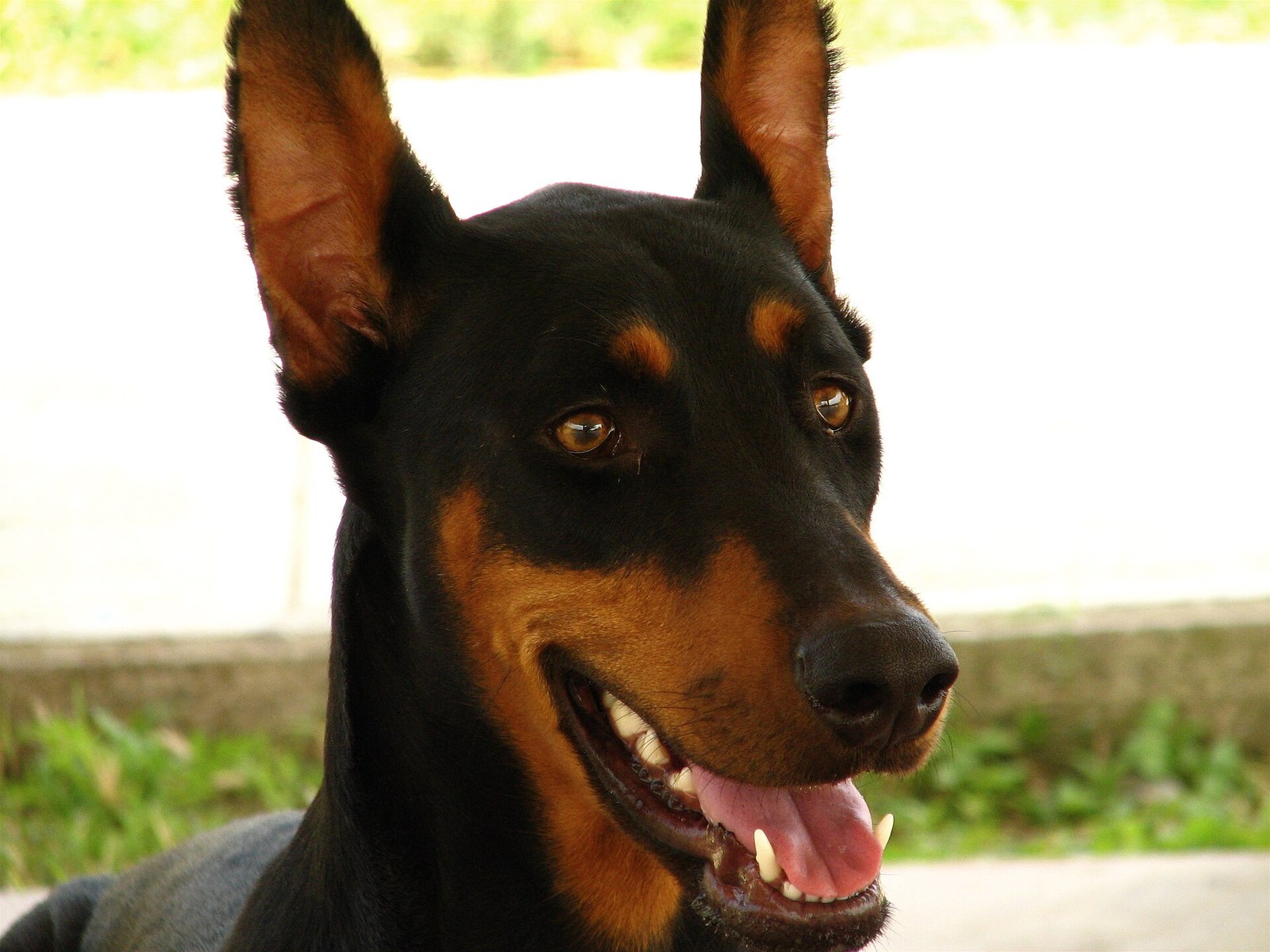
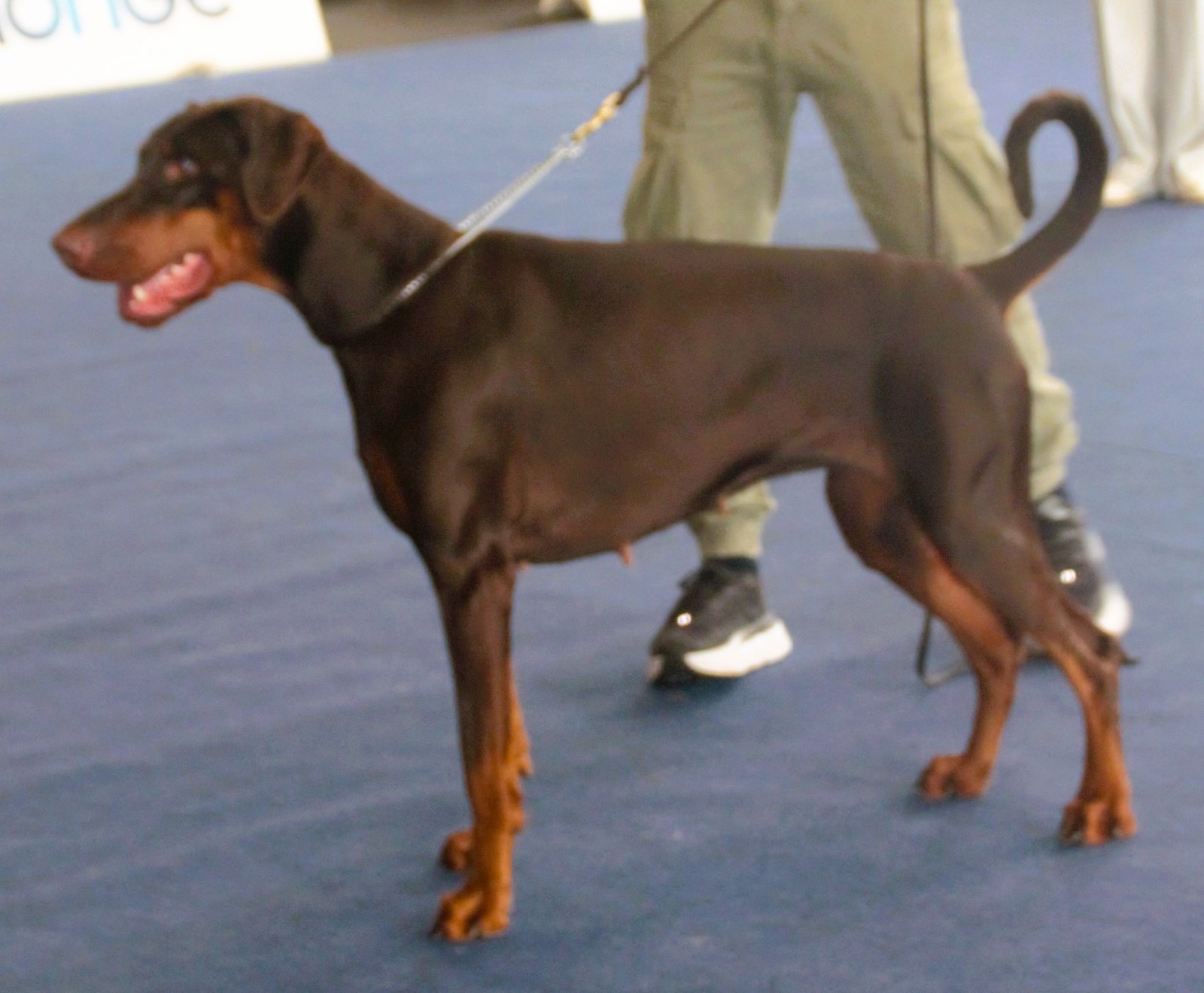
Natural ears and a natural tail are normal Doberman anatomy. The FCI standard describes ears resting near the cheeks and an unaltered tail. Cosmetic ear cropping and tail docking are not grooming necessities and are not promoted here. Medical care for a genuine injury is a different question for the veterinarian. A dog that arrived with previous alterations deserves comfortable care without assumptions about its temperament, pedigree, or previous household.
Inspect the visible outer ear for redness, discharge, odor, or sensitivity. Do not push cotton swabs into the canal or clean deeply as a routine experiment. If cleaning is actually needed, ask which product and technique suit the dog. Head shaking or pain calls for assessment before drops are chosen. Check the tail and tip for wounds after an accidental knock, and keep doors from closing on it. Persistent bleeding or a painful wound needs veterinary advice rather than tight improvised wrapping.
Keep nails and feet comfortable without rushing
Nails that catch, alter footing, or make walking uncomfortable need attention, but the right trimming frequency depends on growth and wear. Ask for a demonstration on your own dog, especially if the nails are dark and the quick is difficult to see. Take conservative amounts and stop before the dog becomes distressed. A grinder needs its own gradual introduction and must not be held against one spot until heat builds.
Before a session, check:
- Good lighting and stable, non-slip footing.
- Tools that are appropriate, sharp or functional, and clean.
- Each paw for cracks, foreign material, or irritated skin.
- Any dewclaws as well as nails that touch the ground.
- Whether the dog is comfortable with the position and touch.
Dobermans can have von Willebrand disease, so tell the groomer about known bleeding problems and veterinary instructions. Persistent bleeding after an injury or trim needs prompt veterinary contact. Do not dig into a torn nail or pull at painful tissue to finish the task.
Include the mouth and know when grooming must stop
Introduce tooth brushing gradually with a dog-safe toothpaste and suitable soft equipment. Start with comfortable lip handling and reward cooperation before progressing. Human toothpaste is inappropriate, and hard objects marketed as dental chews can damage teeth. Home brushing supports oral hygiene but does not replace professional assessment. Bad breath, dropping food, chewing on one side, or reluctance to have the face touched may signal a painful problem.
A grooming appointment is not the place to work through medical deterioration. New weakness, unusual fatigue, or breathing changes deserve veterinary attention. Tell any professional groomer about cardiac disease, prescribed restrictions, bleeding concerns, and handling sensitivities before booking.
A successful session may involve only a gentle brush and two nails. Repeatable cooperation matters more than completing a checklist by force. Over time, these small routines help you distinguish normal shedding and everyday dirt from changes that need medical care.
Continue reading: Living With a Doberman: Family Routines, Other Pets, and Long-Term Planning.
Sources and further reading:
- FCI: Dobermann breed standard No. 143
- PDSA: Dobermann breed information
- PetMD: Doberman Pinscher
- Cornell Riney Canine Health Center: Dilated cardiomyopathy
- NC State Veterinary Hospital: Doberman Pinscher dilated cardiomyopathy testing
Photo credits: Canarian (CC BY-SA 3.0), pato garza (CC BY 2.0), Canarian (CC BY 4.0). Images resized and compressed for web display. Each image retains its linked license. This dog shows cropped ears. Ear cropping and tail docking are cosmetic procedures; the Doberman profile states they are not routine care recommendations and that natural ears and an undocked tail are normal anatomy. Retained for breed representation with this disclosure.


