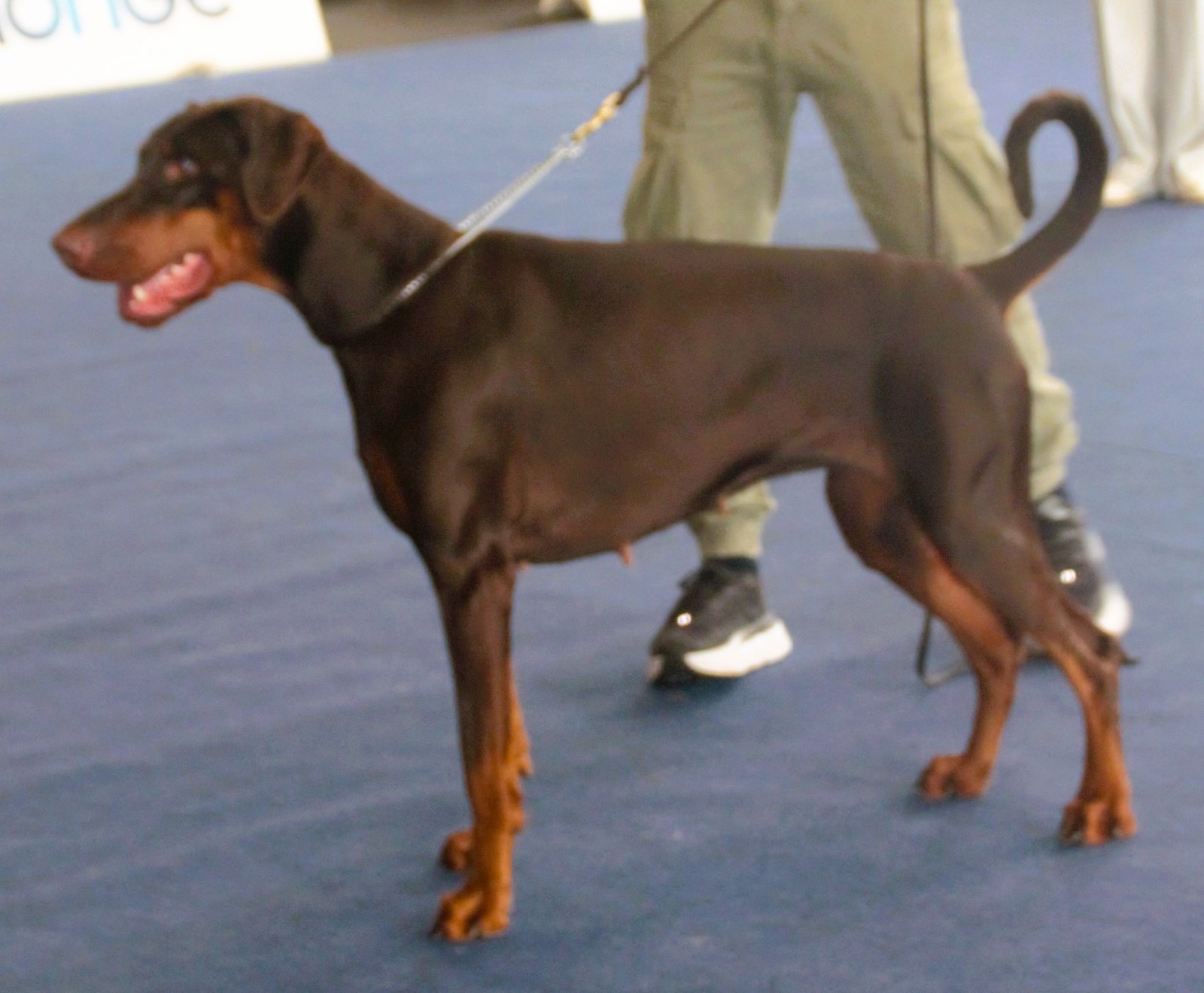
Doberman care works best as a repeatable routine, not a daily attempt to exhaust an athletic dog. These large companions often enjoy close involvement with their people, but they also need sleep, safe independence, and appropriate medical attention. Before bringing one home, decide who will handle ordinary tasks and unexpected appointments. A secure garden and enthusiasm are useful starting points; neither replaces a workable plan for the individual dog in front of you.
Set up a home that supports calm choices
Provide a comfortable indoor bed away from busy doorways, with water and a quiet route to retreat. Use gates to separate the dog from cooking, deliveries, or visiting children without repeatedly grabbing its collar. A crate can be introduced positively as an optional resting or transport skill, but it is not a solution for prolonged isolation or distress. Check that the dog can stretch out comfortably wherever it sleeps.
Inspect floor traction and exits. An enthusiastic youngster can slip on polished flooring, and an older dog may struggle even during an ordinary turn. Secure bins, medicines, cleaning products, and chewable household objects. Fencing needs sound gates and household cooperation, not just height. Agree that doors stay controlled during arrivals and that someone always knows where the dog is before a vehicle or outside gate moves.
Build activity around age and physical comfort
Mix walks with opportunities to sniff, explore, and interact rather than judging success by distance covered. A healthy adult may enjoy active games or a dog sport, but fitness should develop gradually. Puppies need varied, age-appropriate movement without forced running alongside a bicycle or repeated high-impact jumping. Ask your veterinarian about suitable activity when growth, injury, or a medical condition complicates the decision.
Watch the recovery after an outing as well as enthusiasm at the beginning. New reluctance, stiffness, coughing, or unusual fatigue warrants advice; it is not a reason to push harder. DCM can be silent before signs appear, so apparent athleticism is not proof of a healthy heart. Dogs with cardiac or orthopedic diagnoses need an individualized exercise plan. Avoid copying an online target designed for a different dog and treating it as a minimum that must be achieved.
Teach rest alongside everyday skills
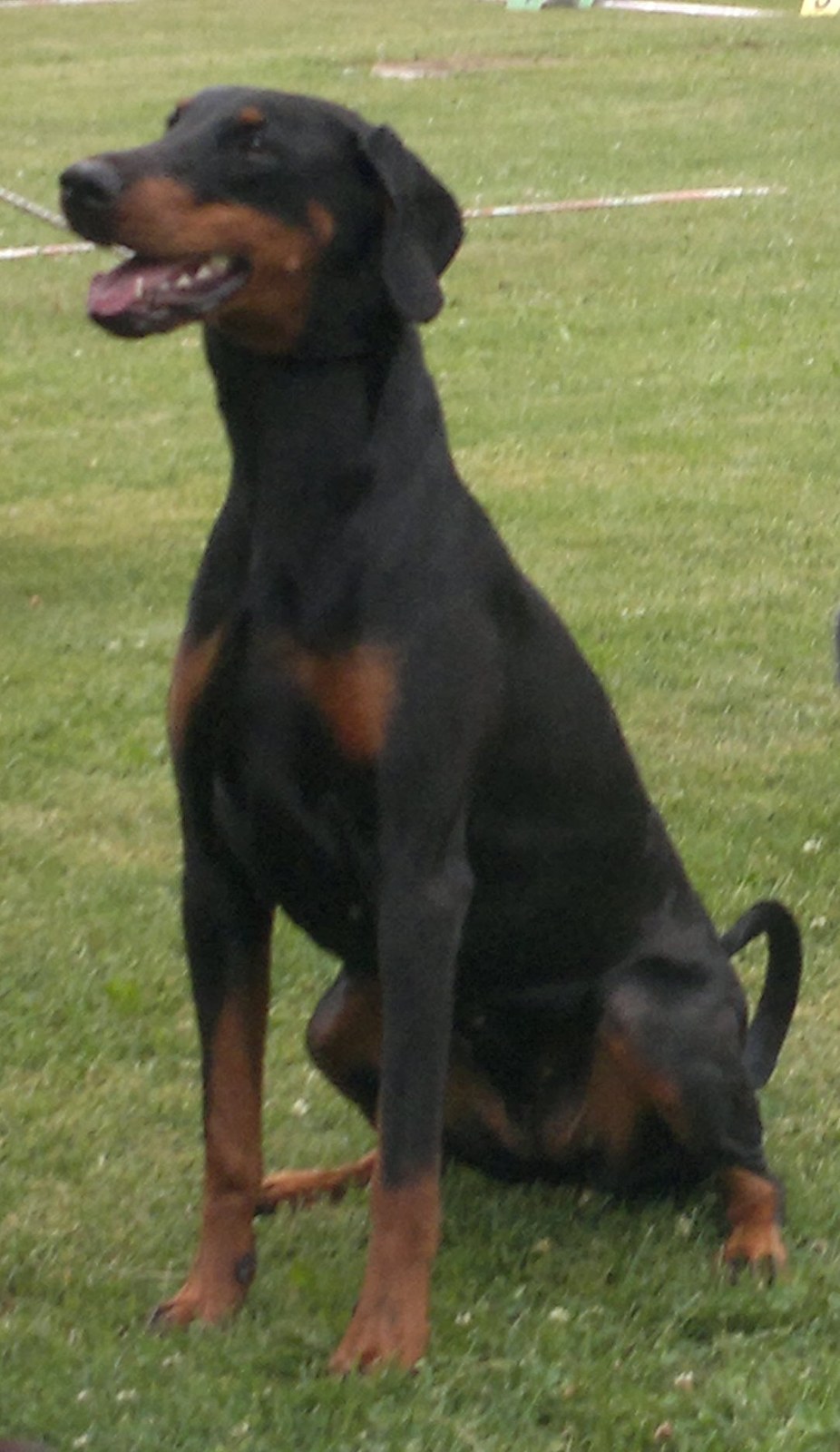
A dog that follows every movement may need help learning that nothing interesting happens for a while. Reward settling on a bed when household activity is quiet, then gradually practice with mild distractions. Keep useful skills small: a few relaxed steps on a loose leash, entering the car willingly, or releasing a toy for an exchange. Finish before frustration rather than adding difficulty because the breed is considered intelligent.
Offer enrichment that the dog can succeed at without becoming frantic. Scatter part of a meal in a safe search area, hide a suitable toy, or practice touching a target with the nose. Supervise food toys and remove damaged pieces. Mental activity complements physical exercise; it does not cancel the need for either movement or rest. On a difficult weather day, several easy indoor activities can help without turning the living room into a jumping course.
Make food and body checks part of the routine
Choose a complete food appropriate to life stage and use a large-breed growth diet for puppies. Keep fresh water available, measure food consistently, and include training rewards in the total allowance. The FCI standard lists males around 40-45 kg and females around 32-35 kg, but these are conformation references, not mandatory household weight targets. A veterinary assessment of body condition and muscle is more useful than trying to match a breed chart.
Build a short observation sequence into feeding and settling:
- Notice appetite and whether chewing looks comfortable.
- Check that water is available and drinking seems usual.
- Watch the dog rise, walk, and turn on a non-slip surface.
- Look for new skin irritation, paw damage, or unusual discharge.
- Record meaningful changes so another caregiver can follow up.
You do not need to perform a medical examination at home. The goal is to recognize a departure from normal and describe it clearly, not diagnose from a checklist.
Adapt outings to weather and household demands
A short coat does not offer much protection from cold, wet conditions. Adjust outings to the dog's comfort and consider a well-fitting coat when appropriate, checking that it does not rub or restrict movement. In hot weather, choose cooler conditions, carry water, and avoid demanding activity. Never leave the dog in a parked vehicle. The ability to keep playing is not a reliable measure of temperature safety.
Arrange backup care for days when work or illness disrupts your schedule. A walker or sitter should understand walking equipment, triggers, feeding, and what happens if the dog seems unwell. Introduce help before an emergency rather than handing a strong, unfamiliar dog to someone at the door. Comfortable time alone should be taught gradually; if separation causes sustained distress, change the arrangement and seek qualified help instead of expecting the dog to cry through it.
Put veterinary planning in place early
Bring previous records to the first appointment and discuss locally appropriate vaccination, parasite prevention, reproductive decisions, and dental care. For a Doberman, cardiac planning deserves an explicit conversation. Negative genetic tests do not rule out DCM, and a general checkup is not identical to an echocardiogram or extended rhythm monitoring. Ask what surveillance is appropriate and let your veterinarian or cardiologist set its timing.
Discuss von Willebrand disease before procedures and review the breed's GDV risk, including whether preventive gastropexy is appropriate. Keep emergency contact details and transport options accessible to everyone who provides care.
A sustainable care plan leaves room for both enjoyment and observation. When routines are shared, equipment is ready, and medical follow-up is planned, you can spend more time enjoying your companion without overlooking the less visible parts of responsible ownership.
Continue reading: Feeding a Doberman: Balanced Meals, Healthy Growth, and Heart Questions.
Sources and further reading:
- FCI: Dobermann breed standard No. 143
- PDSA: Dobermann breed information
- PetMD: Doberman Pinscher
- Cornell Riney Canine Health Center: Dilated cardiomyopathy
- NC State Veterinary Hospital: Doberman Pinscher dilated cardiomyopathy testing
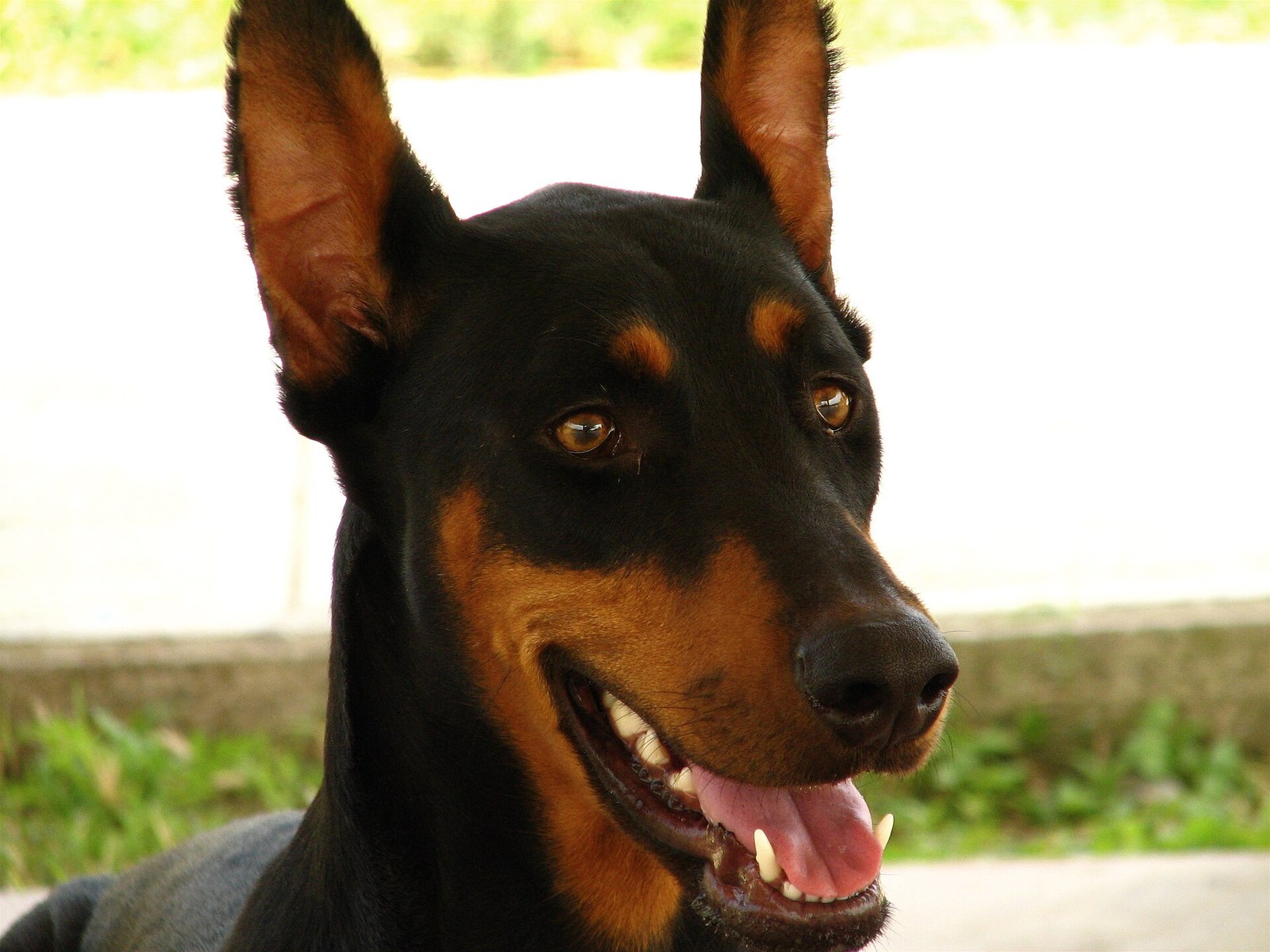
Photo credits: Canarian (CC BY 4.0), Canarian (CC BY-SA 3.0), pato garza (CC BY 2.0). Images resized and compressed for web display. Each image retains its linked license. This dog shows cropped ears. Ear cropping and tail docking are cosmetic procedures; the Doberman profile states they are not routine care recommendations and that natural ears and an undocked tail are normal anatomy. Retained for breed representation with this disclosure.


