Doberman health planning deserves more than a list of possible diseases. Owners need to know what screening can reveal, what it cannot promise, and which changes require immediate action. Dilated cardiomyopathy is particularly important, but bleeding disorders, abdominal emergencies, and mobility problems also matter. A predisposition is not a diagnosis: use this information to organize veterinary care, not to label every symptom or assume that every Doberman will become ill.
Understand why DCM surveillance matters before symptoms
Dilated cardiomyopathy, or DCM, is a disease of the heart muscle that can enlarge the heart and weaken its pumping ability. Abnormal rhythms may also occur. A dog can be outwardly active during an early, clinically silent stage; later problems may include reduced stamina, coughing, breathing changes, weakness, fainting, or collapse. Some affected dogs can experience dangerous arrhythmias and sudden death. Waiting for obvious tiredness is therefore not an adequate surveillance strategy.
Ask your veterinarian about a cardiac plan appropriate to your Doberman, with specialist input when indicated. Echocardiography evaluates structure and pumping, while a Holter monitor records rhythm over an extended period. These tests answer different questions. A routine examination or a brief rhythm recording is not interchangeable with both. The appropriate starting point, follow-up timing, and response to a borderline finding belong with the clinician; this guide does not prescribe a universal screening interval.
Read genetic and clinical results without an all-clear assumption
A genetic panel checks particular variants, not every possible cause of disease. NC State explicitly cautions that a negative result does not rule out a different mutation that could cause a similar disorder. Genetic negative does not mean DCM-free. Conversely, an identified risk variant does not by itself establish current heart failure or predict an exact outcome. A cardiologist should interpret genetic information alongside clinical tests and the dog's history.
Keep the actual reports, including dates, the tests performed, and the veterinarian's interpretation. A normal result describes findings at that assessment, not immunity from later disease. Ask breeders about documented cardiac testing in relatives, but recognize that screening cannot guarantee unaffected offspring. If a dog is diagnosed, follow its prescribed treatment and exercise plan rather than copying another dog's medication. Dietary concerns may warrant investigation, but no food switch or supplement substitutes for cardiac assessment and treatment.

Plan procedures around von Willebrand disease
Von Willebrand disease affects a protein involved in normal blood clotting. A dog may appear healthy until an injury, dental procedure, or operation reveals prolonged bleeding. Give the clinic any genetic results and a history of unusual bruising, nosebleeds, bleeding gums, or problems after previous treatment. The veterinarian may recommend measuring von Willebrand factor or other investigations and will decide how the results affect a planned procedure.
Do not assume that a clean-looking mouth or an uneventful nail trim rules out a bleeding disorder. Equally, a single episode of bleeding does not prove this diagnosis; injuries, medicines, and other diseases can also interfere with clotting. Contact a veterinarian promptly for unexplained bleeding and urgently for persistent bleeding accompanied by weakness, pale gums, or collapse. Avoid human painkillers and leftover medication. Treatment choices and procedural precautions need a clinician who understands the whole history.
Treat suspected GDV as an emergency
Gastric dilatation-volvulus involves stomach distension and twisting, which can rapidly compromise circulation and become fatal. A Doberman's deep chest makes the condition an important topic for preventive discussion. Possible signs include repeated unsuccessful attempts to vomit, drooling, restlessness, looking at the abdomen, pain, or visible swelling. Weakness and collapse can follow. Do not wait for every sign or an obviously enormous abdomen before seeking emergency care.
Preventive gastropexy attaches the stomach to reduce the risk of twisting and is worth discussing with your veterinarian. Its suitability and timing require an individualized surgical decision. It does not prevent all stomach expansion or every abdominal emergency. Feeding multiple smaller meals and avoiding frantic mealtimes may form part of management, but no routine eliminates risk. Do not attempt to decompress the stomach, induce vomiting, or administer household remedies. Call the emergency clinic while arranging immediate transport.
Investigate changes in hips, gait, and neck comfort
Hip dysplasia concerns abnormal joint development and can contribute to pain and arthritis. Limping, reluctance to rise, reduced willingness to jump, or difficulty after exercise deserves examination. These signs are not specific to the hips; paws, knees, muscles, and the spine can cause similar changes. Maintaining appropriate body condition and adjusting activity supports comfort, but neither can guarantee prevention. Growing dogs should not be overfed or forced through repetitive impact exercise.
Dobermans are also associated with cervical spinal disease commonly called Wobbler syndrome, involving compression around the spinal cord in the neck. A wobbly gait, dragging feet, weakness, or neck pain needs veterinary assessment rather than a training correction. Severe sudden weakness or inability to stand is urgent. Provide safe footing and minimize unnecessary movement while seeking instructions. Do not manipulate the neck, apply traction, or use online stretching routines to treat an undiagnosed problem.
Turn observations into a useful veterinary history
Keep routine prevention individualized to age, location, travel, and medical history. Include oral health, skin comfort, body condition, and medication review rather than focusing so heavily on the heart that other problems disappear from view. New hair loss, persistent ear odor, or painful chewing warrants attention even when the dog remains energetic. Sudden behavior changes can also reflect pain or illness and should not automatically be assigned to temperament.
Useful information to bring includes:
- The first noticed change and whether it comes and goes.
- Current medications, supplements, food, and recent changes.
- Original cardiac, genetic, bleeding, and orthopedic reports.
- Changes in appetite, weight, breathing, movement, or stamina.
- A short video of intermittent signs, only if safe to obtain.
Medical vigilance is not a promise that every illness can be prevented. It is a practical way to recognize important changes, avoid false reassurance, and give the veterinary team a better opportunity to help.
Continue reading: Doberman Training: Everyday Skills Without Fear or Confrontation.
Sources and further reading:
- FCI: Dobermann breed standard No. 143
- PDSA: Dobermann breed information
- PetMD: Doberman Pinscher
- Cornell Riney Canine Health Center: Dilated cardiomyopathy
- NC State Veterinary Hospital: Doberman Pinscher dilated cardiomyopathy testing
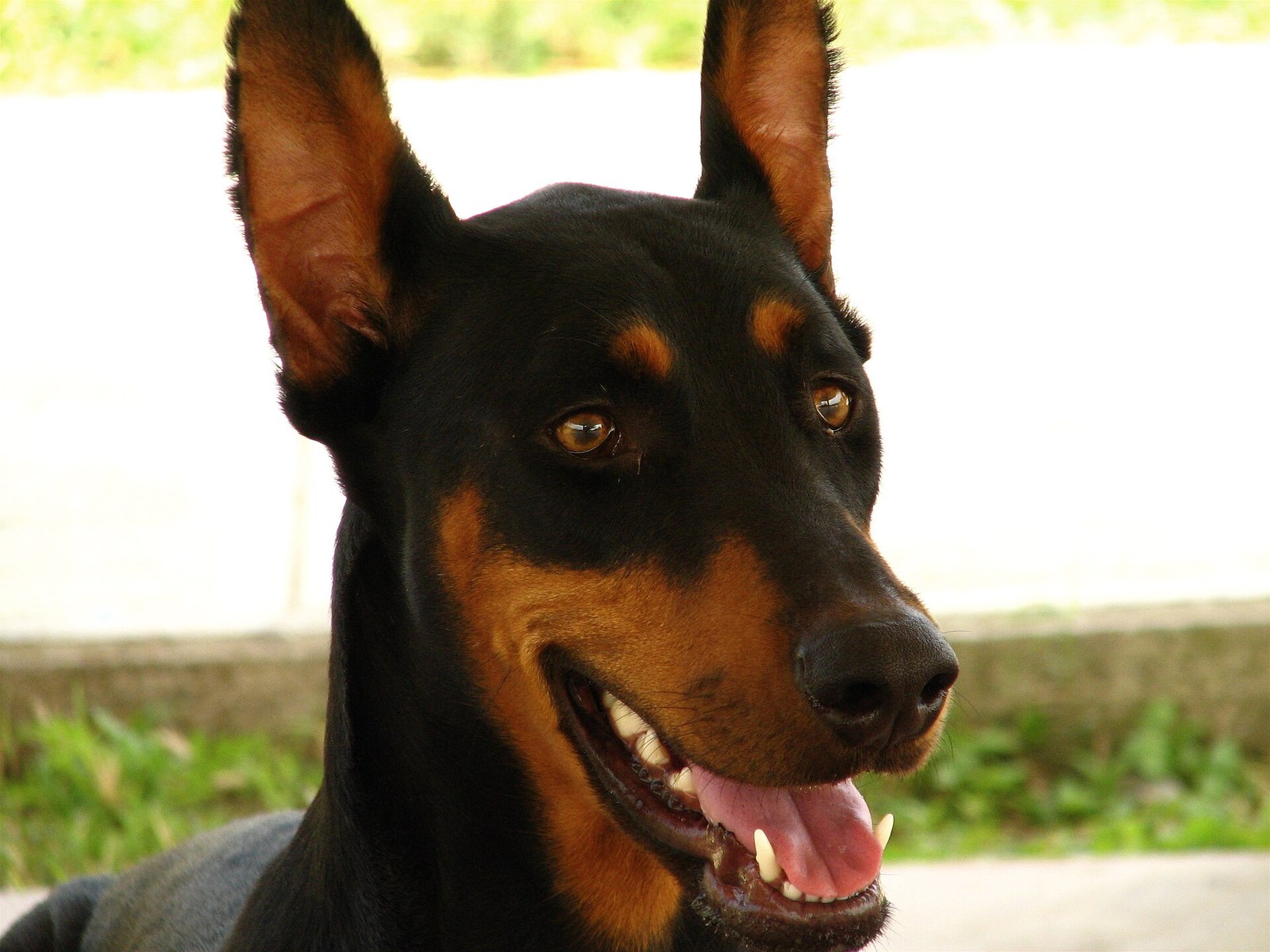
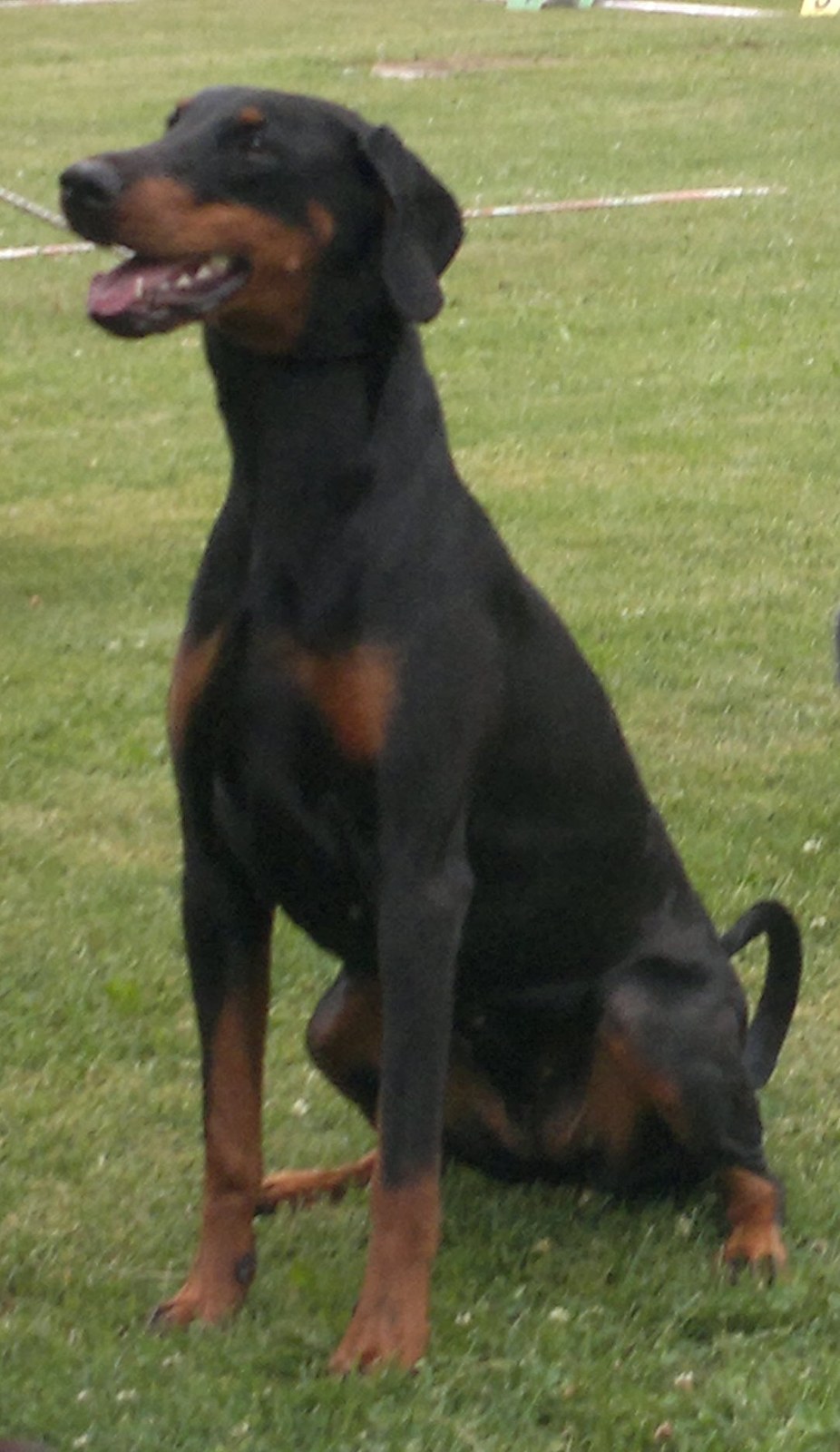
Photo credits: pato garza (CC BY 2.0), Canarian (CC BY 4.0), Canarian (CC BY-SA 3.0). Images resized and compressed for web display. Each image retains its linked license. This dog shows cropped ears. Ear cropping and tail docking are cosmetic procedures; the Doberman profile states they are not routine care recommendations and that natural ears and an undocked tail are normal anatomy. Retained for breed representation with this disclosure.


