Living With a Dachshund: Daily Life & Companionship
What it's really like to share your life with a Dachshund. Their quirky habits, fierce loyalty, and the joys of wiener dog ownership.
Read article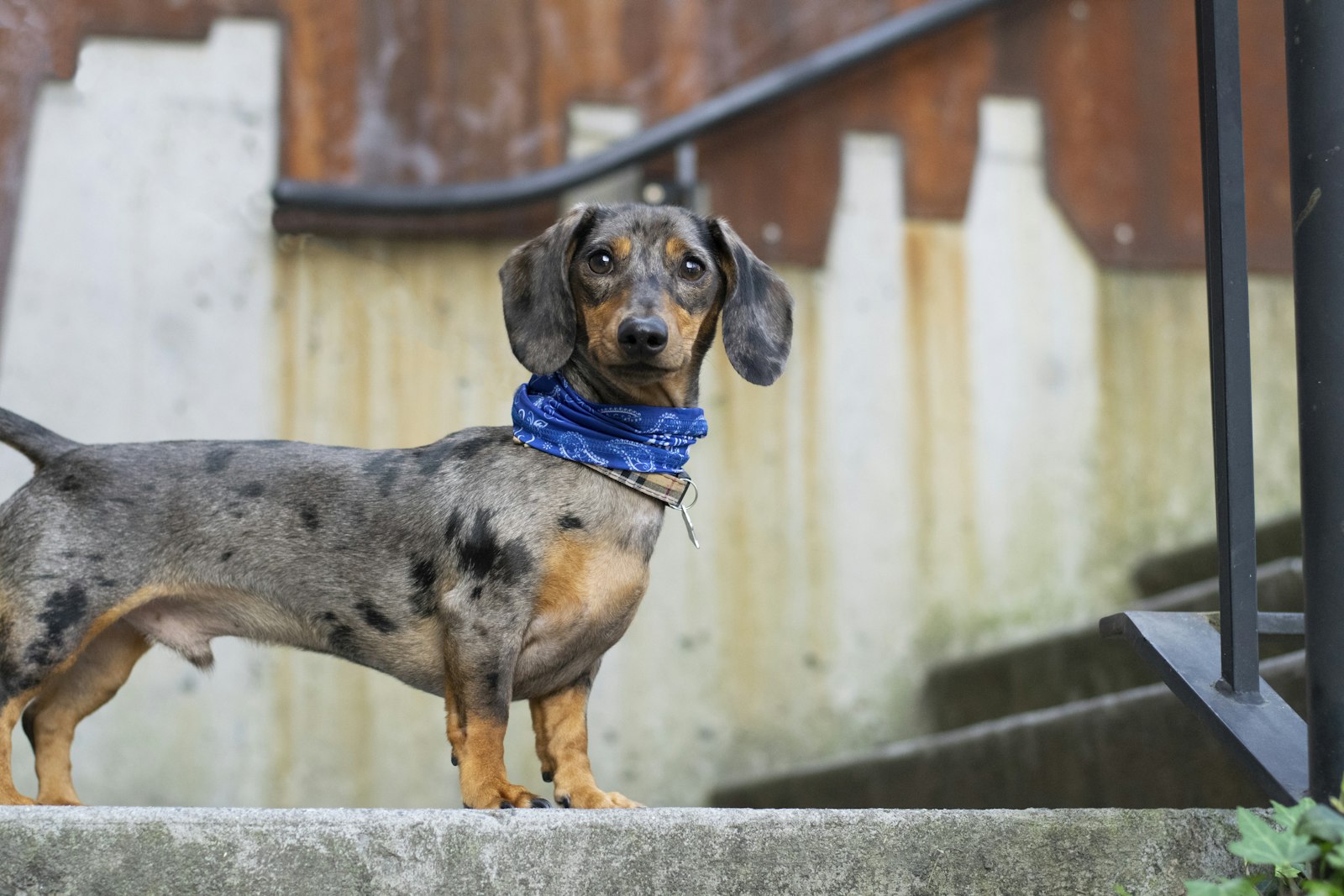




Canis lupus familiaris
Big personality in a small body — bold, curious, and endlessly entertaining
Deep Dive
The Dachshund originated in Germany in the 15th century, specifically bred to hunt badgers. The name literally translates to "badger dog" (Dachs = badger, Hund = dog). Their elongated body, short legs, and powerful front claws were perfectly designed for digging into badger burrows.
Over centuries, different coat varieties were developed: the smooth coat (original), the longhaired (possibly spaniel cross), and the wirehaired (terrier cross). Miniature Dachshunds were bred down to hunt rabbits.
Dachshunds were introduced to America in the late 1800s and quickly became popular. However, their German associations during World War I temporarily hurt the breed's popularity. American breeders worked to rebrand them, and the Dachshund Club of America was founded in 1895. Today, they remain one of the most recognizable and beloved small breeds.
Dachshunds have enormous personalities packed into small bodies. They are bold, curious, and often completely unaware of their size. A Dachshund will confidently approach any dog, regardless of size difference, and has no trouble asserting itself.
They are fiercely loyal to their families and can be protective. Dachshunds make excellent watchdogs — they are alert and will bark at anything unusual. However, this same alertness can lead to excessive barking if not managed.
Their stubborn streak is legendary. Dachshunds are intelligent but independent thinkers, bred to make decisions on their own while hunting. This makes training a challenge — patience, consistency, and humor are essential. They respond best to positive reinforcement and food rewards.
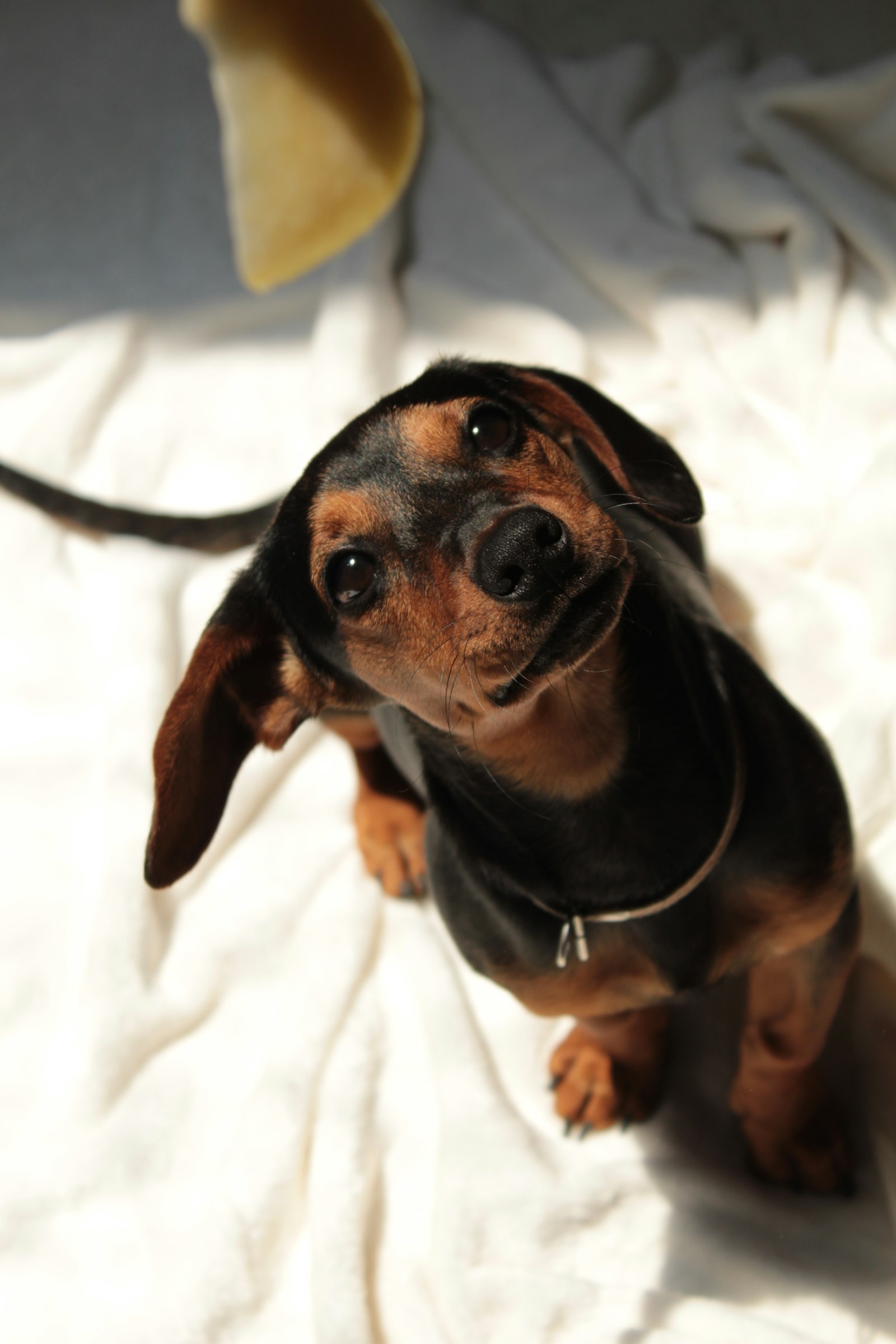
The Dachshund's most distinctive feature is their elongated body supported by short, powerful legs. They have a deep chest, prominent sternum, and a long muzzle. Their ears are long and floppy, framing their expressive, almond-shaped eyes.
Three coat types exist: Smooth (short, shiny, low-maintenance), Longhaired (silky, feathered on ears and tail), and Wirehaired (rough, dense, with distinctive eyebrows and beard). Colors include red, black and tan, chocolate, dapple, brindle, and more.
Standard Dachshunds typically weigh 16-32 pounds, while Miniatures weigh 11 pounds and under. Despite their small size, they are muscular and surprisingly athletic — especially when something interesting catches their attention.
Photo credits: @pupscruffs (Unsplash License), @alondrapvn09 (Unsplash License), @chelsea777 (Unsplash License), @just_anotha_photographer (Unsplash License), @chelsea777 (Unsplash License), @k2kd36 (Unsplash License)
Dachshunds adapt well to apartment living and homes of all sizes. They are moderately active indoors and enjoy short walks and play sessions. However, their exercise needs should not be underestimated — a well-exercised Dachshund is a well-behaved one.
Their most critical care requirement is back protection. Due to their elongated spine, Dachshunds are prone to intervertebral disc disease (IVDD). Prevent jumping on and off furniture, use ramps, maintain healthy weight, and support their back when picking them up.
Dachshunds are diggers and chasers by instinct. Expect them to dig in the yard and chase small animals. A secure fence is essential — they will tunnel under it if motivated. Indoor, they love to burrow under blankets and pillows.
At a Glance
Ownership Guide
Moderate exercise needs — 30-60 minutes of walks and play daily. Avoid excessive jumping or stair climbing to protect their spine. Scent games are great mental exercise.
Feed measured portions of high-quality food. Weight management is CRITICAL — extra pounds put dangerous stress on their spine. Most need 1-1.5 cups daily.
Varies by coat type: Smooth = weekly brushing, Longhaired = daily brushing, Wirehaired = regular hand-stripping. All need regular nail trimming and ear cleaning.
Dachshunds are smart but stubborn. Use positive reinforcement and food rewards. Keep sessions fun and short. Early training and socialization are essential.
Early socialization prevents fearfulness and excessive barking. Expose puppies to various people, animals, sounds, and environments in a positive way.
Annual wellness exams. Discuss IVDD prevention, weight management, and dental care. Watch for signs of back problems — reluctance to move, hunched posture, or yelping.
Wellness
Dachshunds commonly live 12-16 years with proper care. Many reach their senior years in good health.
They are sturdy dogs for their size with good overall health when maintained at proper weight.
The #1 health concern. Their long spine makes them prone to disc disease. Prevent jumping, maintain weight, use ramps.
Extra weight is devastating for a Dachshund's back. Strict portion control and regular exercise are non-negotiable.
Small breeds are prone to dental issues. Brush teeth regularly and schedule professional cleanings.
Kneecap dislocation can occur. Watch for skipping gait or lameness in hind legs.
Further Reading
What it's really like to share your life with a Dachshund. Their quirky habits, fierce loyalty, and the joys of wiener dog ownership.
Read articleComplete Dachshund grooming guide for all three coat types — smooth, longhaired, and wirehaired. Plus nail care, ear cleaning, and dental hygiene.
Read articleExpert training guide for Dachshund owners. Learn how to work with their independent nature for successful house training, obedience, and behavior management.
Read articleComprehensive guide to Dachshund health problems focusing on IVDD, obesity, dental disease, and prevention strategies for a long, healthy life.
Read articleLearn what to feed your Dachshund for optimal health and weight management. Critical nutrition guide for protecting their spine through proper diet.
Read articleComplete care guide for Dachshund owners covering back health, exercise, grooming, nutrition, and training tips for your wiener dog.
Read articleYou May Also Like