Living With a Shiba Inu: Daily Life & Companionship
What it's really like to share your life with a Shiba Inu. Daily routines, apartment living, family dynamics, and building a strong bond with your Japanese companion.
Read article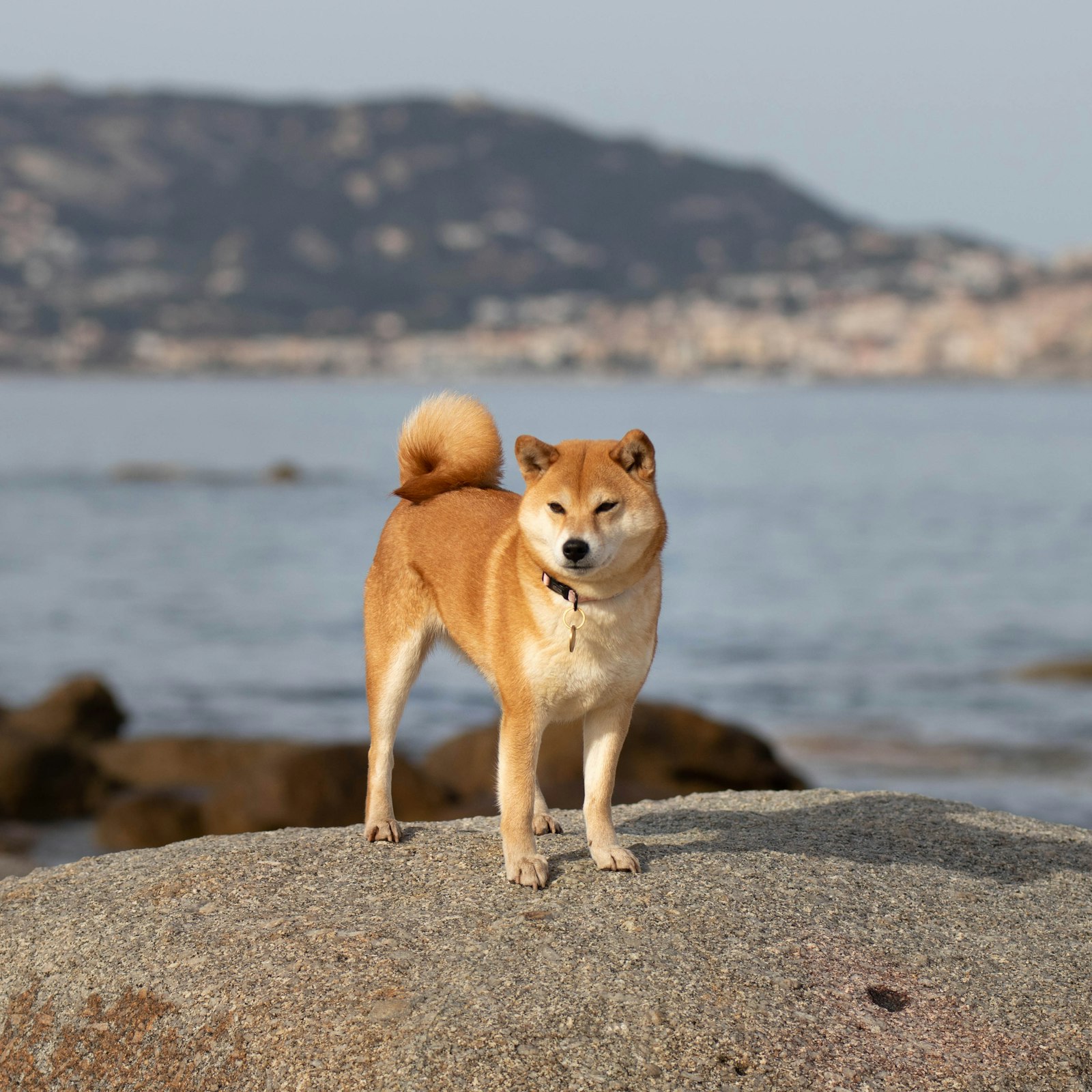

Canis lupus familiaris
Japan's most beloved companion — bold, beautiful, and fiercely independent
Deep Dive
The Shiba Inu is the oldest and smallest of Japan's six native spitz breeds. Originally bred for hunting in the mountainous regions of Japan, these agile dogs pursued small game such as birds and rabbits through dense underbrush.
The breed nearly faced extinction during World War II due to bombing raids and distemper outbreaks. Post-war breeding programs carefully rebuilt the population using three surviving bloodlines: Shinshu, Mino, and San'in. Today, the Shiba Inu is Japan's most popular companion dog and has gained worldwide recognition.
The American Kennel Club officially recognized the breed in 1992, and it has since become one of the most beloved small breeds in the United States, famous for its fox-like appearance and the viral "Doge" meme.
Shiba Inus are known for their bold, confident, and sometimes stubborn personality. They are independent thinkers who form strong bonds with their families but aren't overly clingy. Often described as "cat-like" in their cleanliness and self-sufficiency, Shibas take pride in their personal space.
These dogs are alert and make excellent watchdogs, always aware of their surroundings. They can be reserved with strangers but are deeply loyal to their family members. Early socialization is crucial to prevent aggression toward other dogs.
Shibas are intelligent but not always eager to please, which can make training a challenge. They respond best to positive reinforcement and consistent, patient handling. Their famous "Shiba scream" — a high-pitched vocalization — is typically reserved for moments of excitement or displeasure.
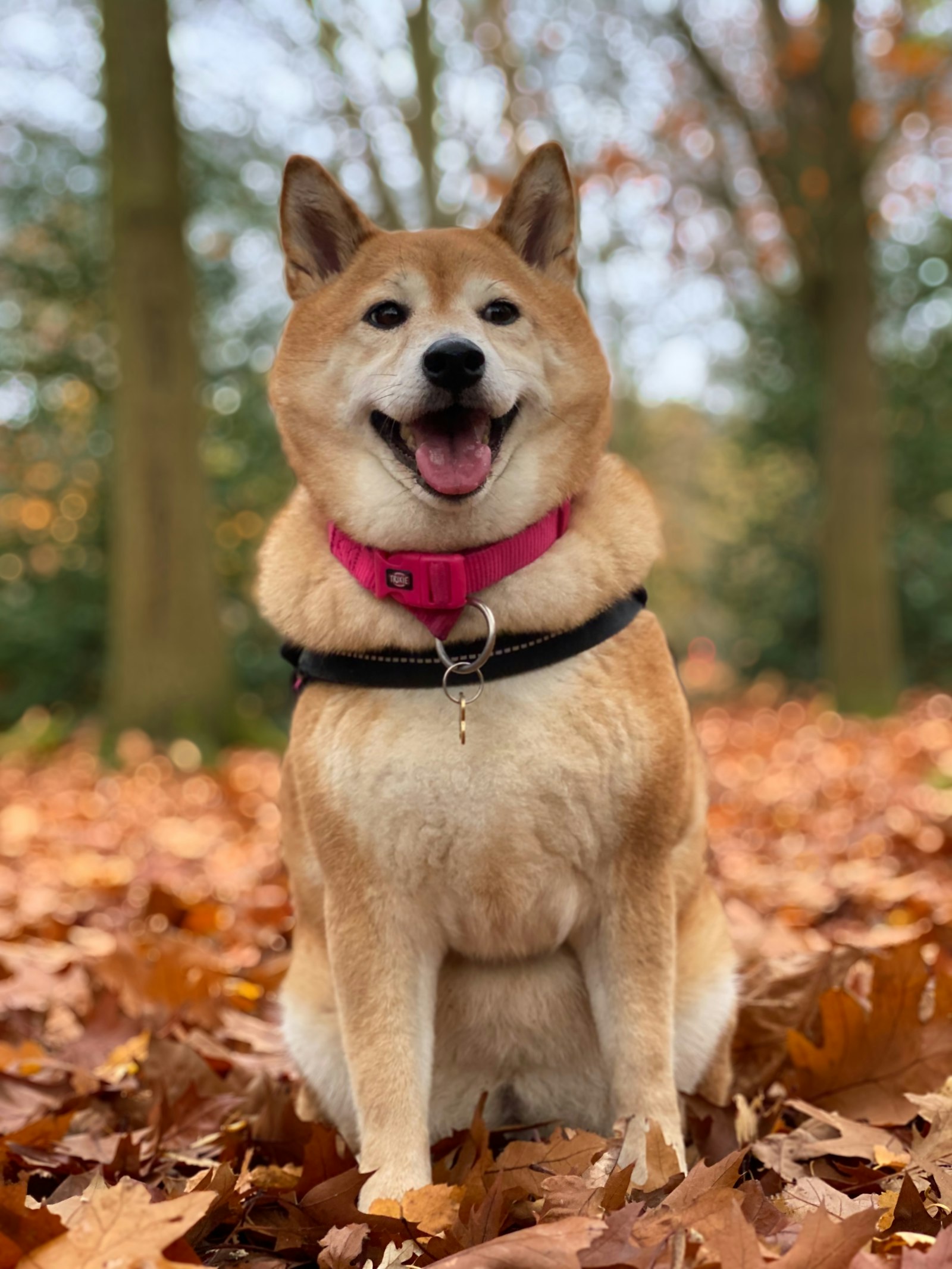
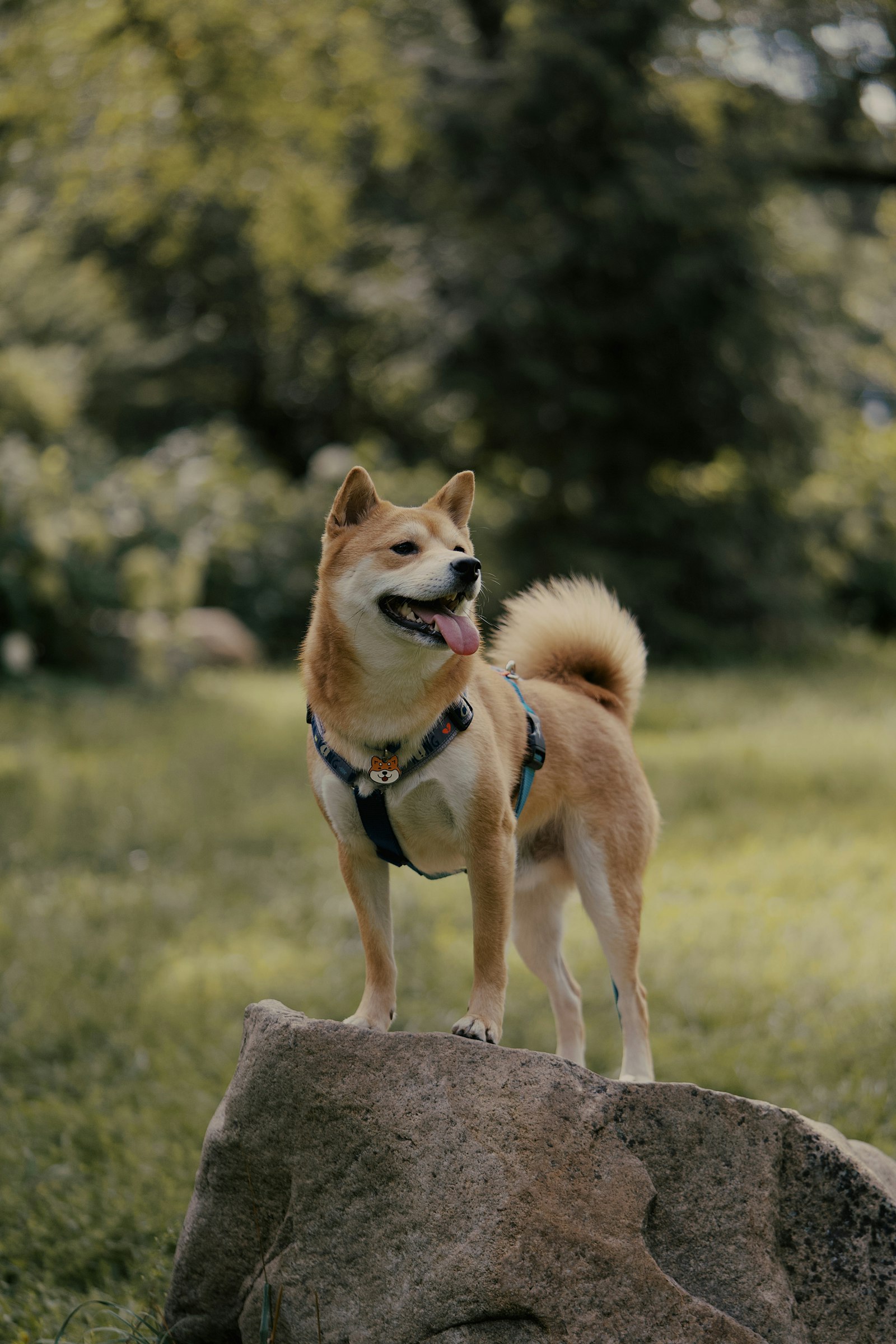
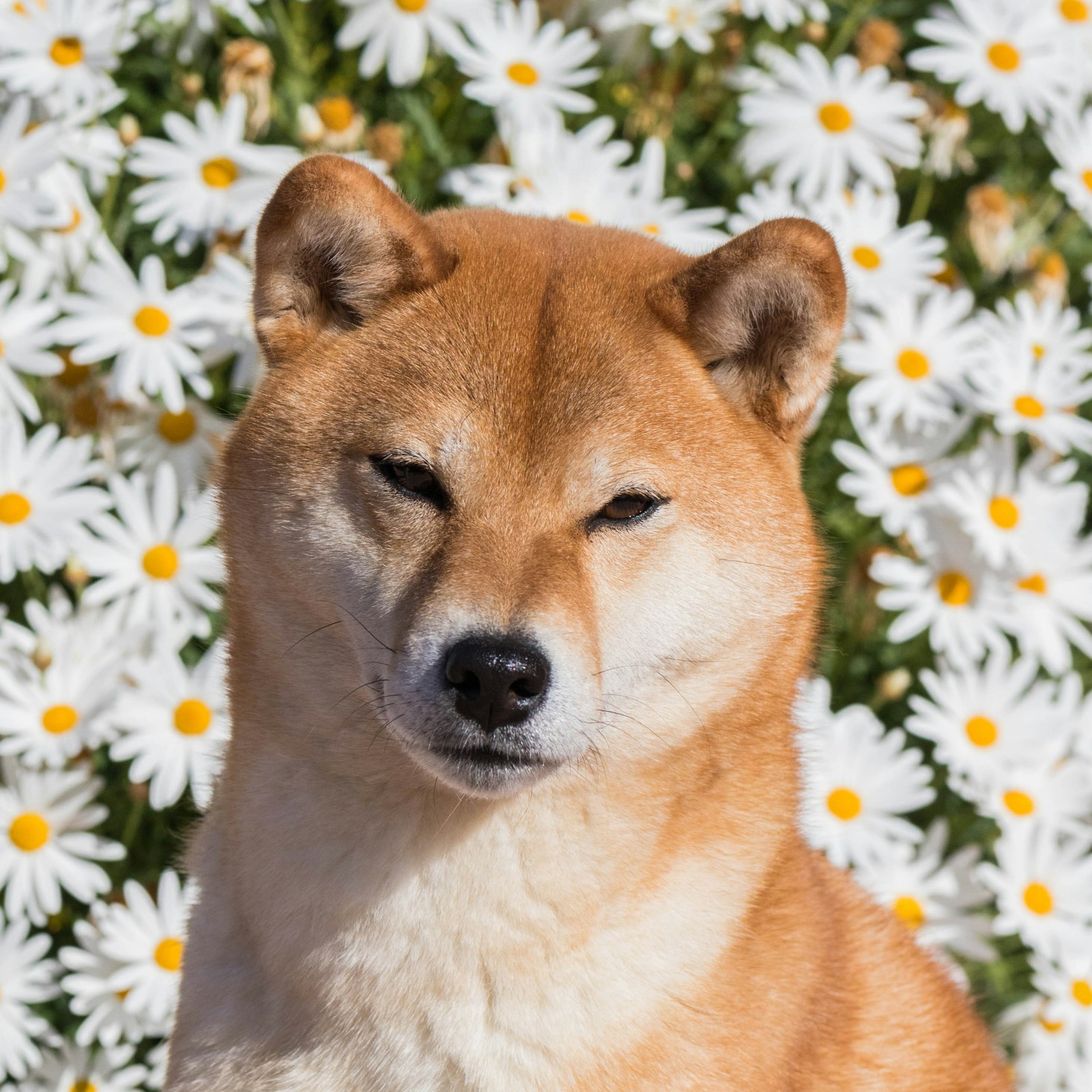
The Shiba Inu has a distinctive fox-like appearance with a compact, muscular body. They have a broad forehead, small triangular ears that tilt forward, and dark, almond-shaped eyes that convey an alert and intelligent expression. Their tail curls over their back in a characteristic sickle or curl shape.
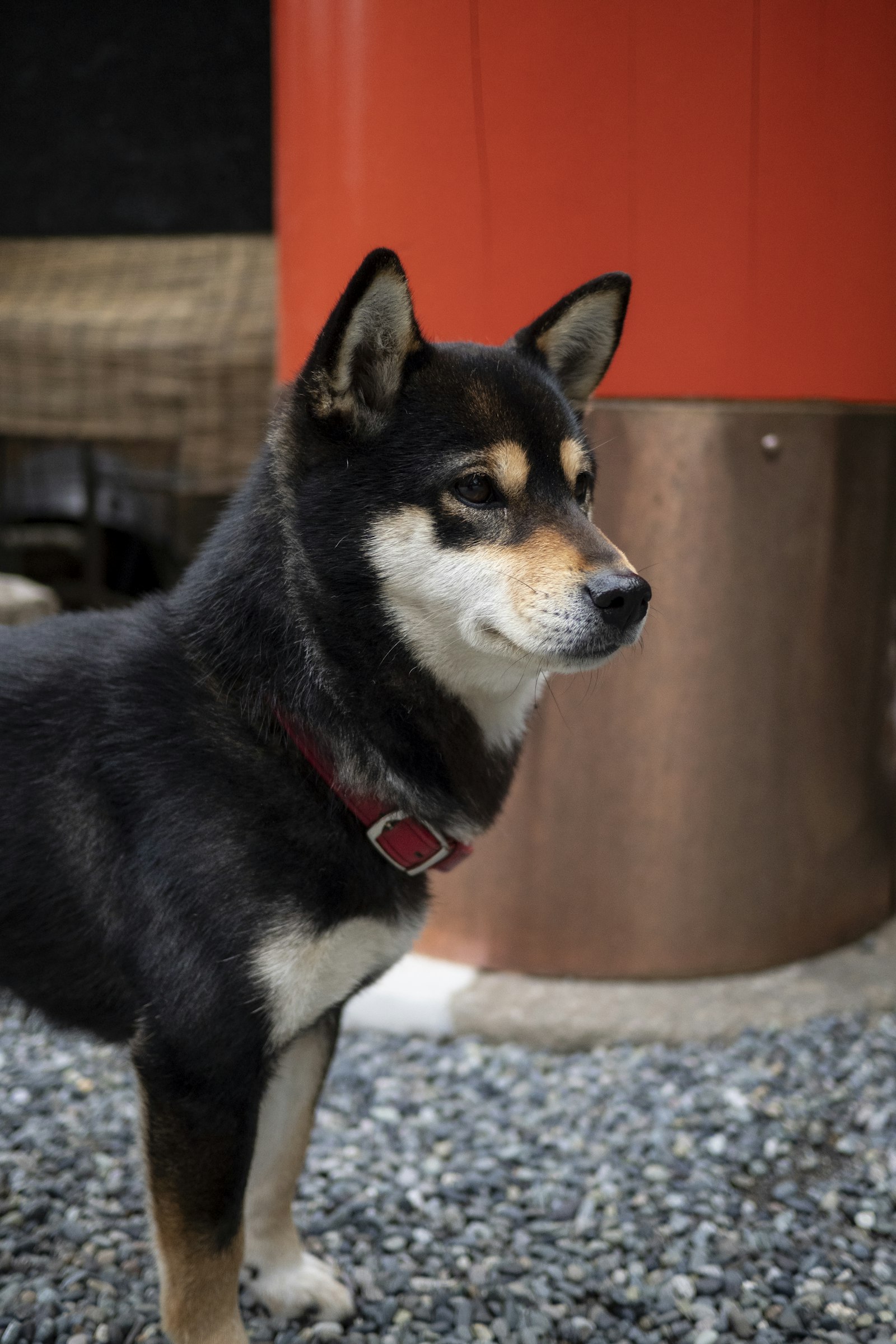
The breed comes in four recognized colors: red (most common), black and tan, sesame (red with black-tipped hairs), and cream. The red Shiba with white markings on the cheeks, chest, and legs — known as "urajiro" — is the most iconic look.
Their double coat consists of a stiff, straight outer layer and a soft, thick undercoat. This coat provides excellent insulation and is relatively easy to maintain, though Shibas "blow coat" heavily twice a year, requiring frequent brushing during these periods.
Photo credits: @leajourniac (Unsplash License), @syinq (Unsplash License), @charlotterush19 (Unsplash License), @refargotohp (Unsplash License), @andrewkusakin (Unsplash License), @leajourniac (Unsplash License)
Shiba Inus adapt well to various living situations, from apartments to houses with yards, as long as they receive adequate daily exercise. They need at least 40-60 minutes of physical activity per day, including walks, play sessions, and mental stimulation.
These dogs are famously clean and often groom themselves like cats. They are relatively quiet indoors but will alert bark when someone approaches. House training is usually straightforward due to their natural cleanliness.
Shibas do best with experienced dog owners who understand their independent nature. They are not recommended for first-time owners due to their stubbornness and strong prey drive. Families with older children who respect the dog's boundaries will find the Shiba to be a wonderful, loyal companion.
At a Glance
Ownership Guide
Shibas need 40-60 minutes of daily exercise. They excel at agility, hiking, and interactive play. A securely fenced yard is essential — Shibas are notorious escape artists.
Feed a high-quality diet appropriate for small, active breeds. Measure portions to prevent obesity. Shibas are generally not picky eaters but monitor for food allergies.
Brush weekly year-round, daily during biannual coat blows. Bathe only when necessary to preserve natural oils. Regular nail trimming and dental care are essential.
Use positive reinforcement and consistency. Shibas respond poorly to harsh methods. Start socialization early. Be patient — their independent nature means training takes time.
Early and ongoing socialization is critical. Expose puppies to various people, animals, and environments. Shibas can be dog-aggressive if not properly socialized.
Schedule annual wellness exams. Stay current on vaccinations and parasite prevention. Discuss breed-specific health screenings with your veterinarian.
Wellness
Shiba Inus are a robust, ancient breed with few genetic health problems. With proper care, they typically live 12-15 years.
With regular brushing and dental care, Shibas typically maintain good oral health throughout their lives.
While less common than in larger breeds, hip dysplasia can occur. Request hip evaluations from breeders and maintain healthy weight.
Shibas are prone to environmental and food allergies. Watch for excessive scratching, ear infections, and skin irritation.
Progressive retinal atrophy (PRA) and glaucoma can occur. Schedule regular eye exams, especially as your Shiba ages.
The double coat is naturally resistant to dirt and odors. Regular brushing keeps it in excellent condition.
Further Reading
What it's really like to share your life with a Shiba Inu. Daily routines, apartment living, family dynamics, and building a strong bond with your Japanese companion.
Read articleComplete Shiba Inu grooming guide covering brushing techniques, coat blowing, bathing, nail care, and dental hygiene for a healthy, beautiful coat.
Read articleExpert training guide for Shiba Inu owners. Learn effective techniques for house training, obedience, socialization, and managing the breed's independent streak.
Read articleComprehensive guide to Shiba Inu health problems including hip dysplasia, allergies, eye conditions, and preventive care strategies for a long, healthy life.
Read articleLearn what to feed your Shiba Inu for optimal health. Complete nutrition guide covering food types, portion sizes, feeding schedules, and common dietary issues.
Read articleComplete care guide for Shiba Inu owners covering exercise, grooming, nutrition, training, and health. Learn how to keep your Japanese companion happy and healthy.
Read articleYou May Also Like


