Living With a Beagle: Daily Life & Companionship
What it's really like to share your life with a Beagle. Daily routines, family dynamics, exercise needs, and building a strong bond with your merry hound.
Read article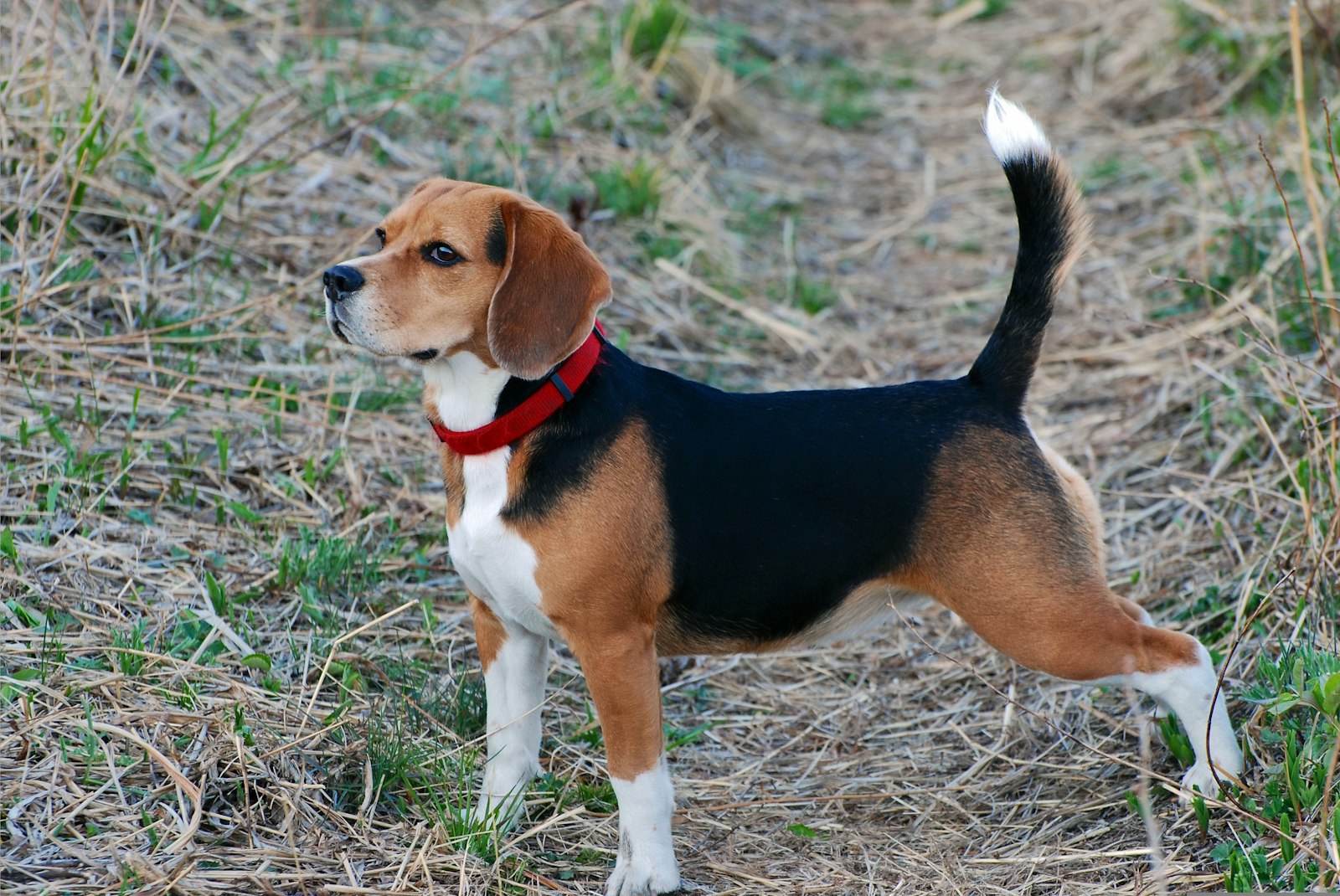




Canis lupus familiaris
The world's most lovable scent hound — friendly, curious, and always on an adventure
Deep Dive
The Beagle's origins trace back to ancient Greece, but the modern breed was developed in England during the 1830s. They were bred from several hound varieties including the Talbot Hound, the North Country Beagle, and possibly the Harrier.
Beagles were specifically developed for hunting hare — a pursuit known as "beagling." Their incredible scenting ability, compact size, and stamina made them ideal hunting companions for hunters on foot.
The breed was brought to America after the Civil War and quickly became one of the most popular family pets. The American Kennel Club recognized the Beagle in 1884, and it has remained a top-10 breed ever since.
Beagles are famously friendly, curious, and merry. They love people and get along well with children and other dogs. Their gentle nature makes them excellent family companions, though their strong scent drive means they can be easily distracted outdoors.
These dogs are pack animals by nature and don't do well when left alone for long periods. They thrive on companionship and will follow their nose anywhere — making secure fencing essential.
Beagles are vocal dogs, known for their distinctive bay and howl. This trait made them excellent hunting dogs but can be challenging in close-quarters living. Training requires patience and positive reinforcement.
Beagles come in two size varieties: under 13 inches and 13-15 inches at the shoulder. They have a compact, muscular body with a slightly domed head, long floppy ears, and a straight back. Their expression is gentle and pleading.
The classic Beagle coat is tricolor (black, white, and tan), though they also come in red and white, lemon and white, and other combinations. Their short, dense coat is weather-resistant and easy to maintain.
Their most distinctive feature is their white-tipped tail, which was bred to help hunters see them in tall grass. Beagles carry their tail happily upright when moving.
Photo credits: @lesya_t (Unsplash License), @gurysimrat (Unsplash License), @oliverpbeagle (Unsplash License), @markrimmel (Unsplash License), @benjmic (Unsplash License), @benofthenorth (Unsplash License)
Beagles adapt well to various living situations but need a securely fenced yard. Their powerful nose means they will follow interesting scents anywhere — never let them off-leash in unsecured areas.
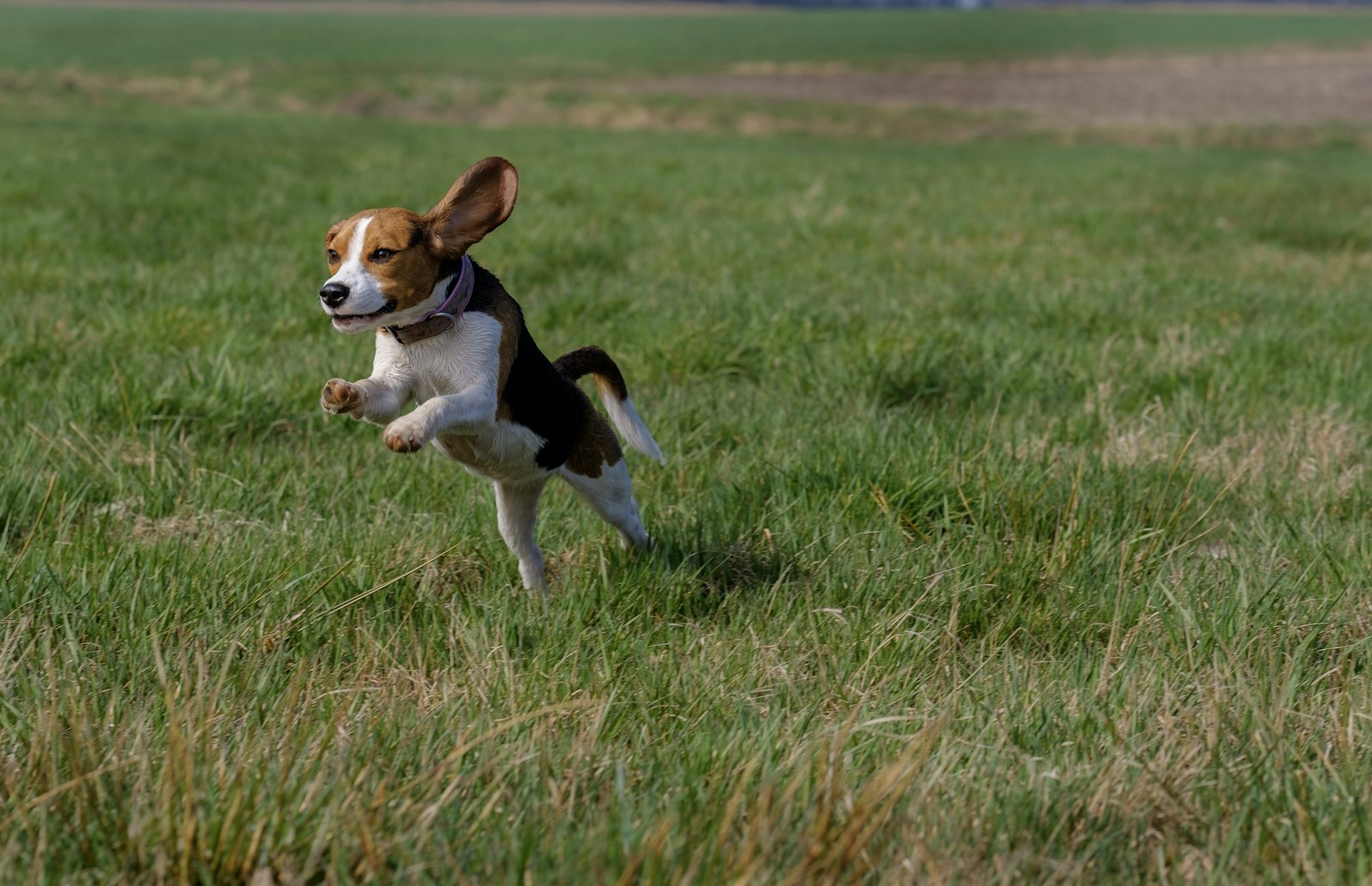
They need at least 60 minutes of daily exercise including walks, play, and scent games. Beagles excel at nose work, tracking, and agility activities that engage their natural abilities.
Beagles are food-motivated, which aids training but also makes them prone to obesity. Measure portions carefully and avoid excessive treats. Their love of food also makes them skilled counter surfers — keep food out of reach!
At a Glance
Ownership Guide
Beagles need 60+ minutes of daily exercise. They excel at scent games, tracking, and hiking. A secure fence is mandatory — they follow their nose everywhere.
Feed measured portions of high-quality food. Beagles are food-obsessed and prone to obesity. Avoid free-feeding and limit treats.
Low-maintenance coat — brush weekly and bathe as needed. Check ears regularly for infections due to their floppy ear structure.
Use food rewards and positive reinforcement. Be patient — their scent drive can override commands. Start training early for best results.
Beagles are naturally social but benefit from early exposure to various people, animals, and environments to prevent fearfulness.
Schedule annual exams. Monitor weight closely. Discuss ear care, dental health, and breed-specific screenings with your vet.
Wellness
Beagles are generally healthy dogs with a lifespan of 12-15 years. Their robust constitution makes them excellent family pets.
Beagles are gentle and patient with children, making them one of the best family dog breeds.
Beagles love food and are prone to weight gain. Monitor portions and maintain regular exercise to prevent obesity-related issues.
Their long, floppy ears trap moisture and debris. Clean ears weekly and watch for signs of infection.
Some Beagles are prone to idiopathic epilepsy. Work with your vet if your dog experiences seizures.
Beagles can develop back problems. Maintain healthy weight and avoid activities that stress the spine.
Further Reading
What it's really like to share your life with a Beagle. Daily routines, family dynamics, exercise needs, and building a strong bond with your merry hound.
Read articleComplete Beagle grooming guide covering brushing, bathing, ear cleaning, nail care, and dental hygiene for a healthy, happy hound.
Read articleExpert training guide for Beagle owners. Learn effective techniques for house training, obedience, recall, and managing their powerful scent drive.
Read articleComprehensive guide to Beagle health problems including obesity, ear infections, epilepsy, and preventive care strategies for a long, healthy life.
Read articleLearn what to feed your Beagle for optimal health. Complete nutrition guide covering food types, portion control, and managing their food obsession.
Read articleComplete care guide for Beagle owners covering exercise, grooming, nutrition, training, and health. Learn how to keep your merry hound happy and healthy.
Read articleYou May Also Like


