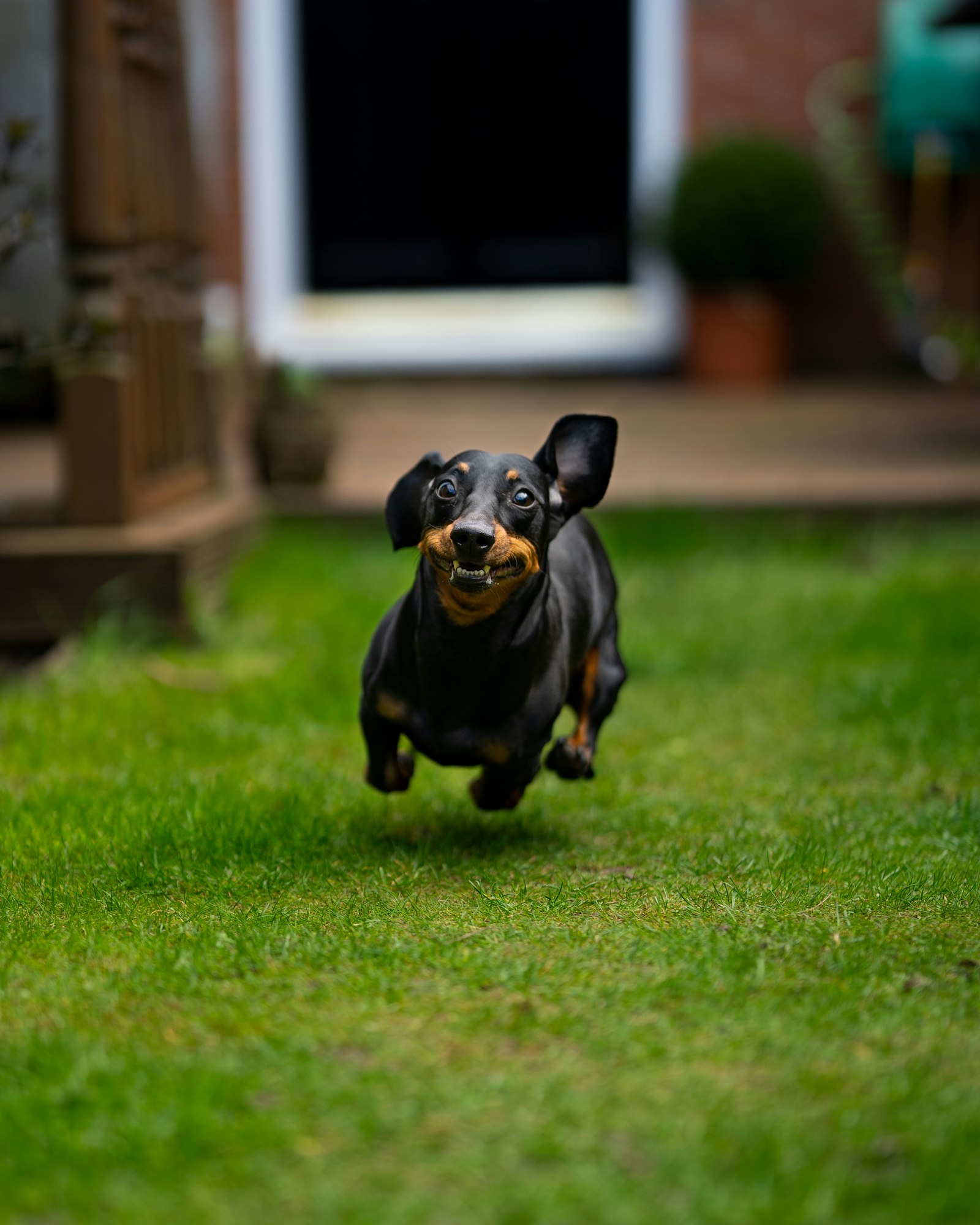
Training a Dachshund requires patience, humor, and an understanding that you're working with a dog bred to think independently. They're not disobedient — they're just very good at evaluating whether a command is worth their while.
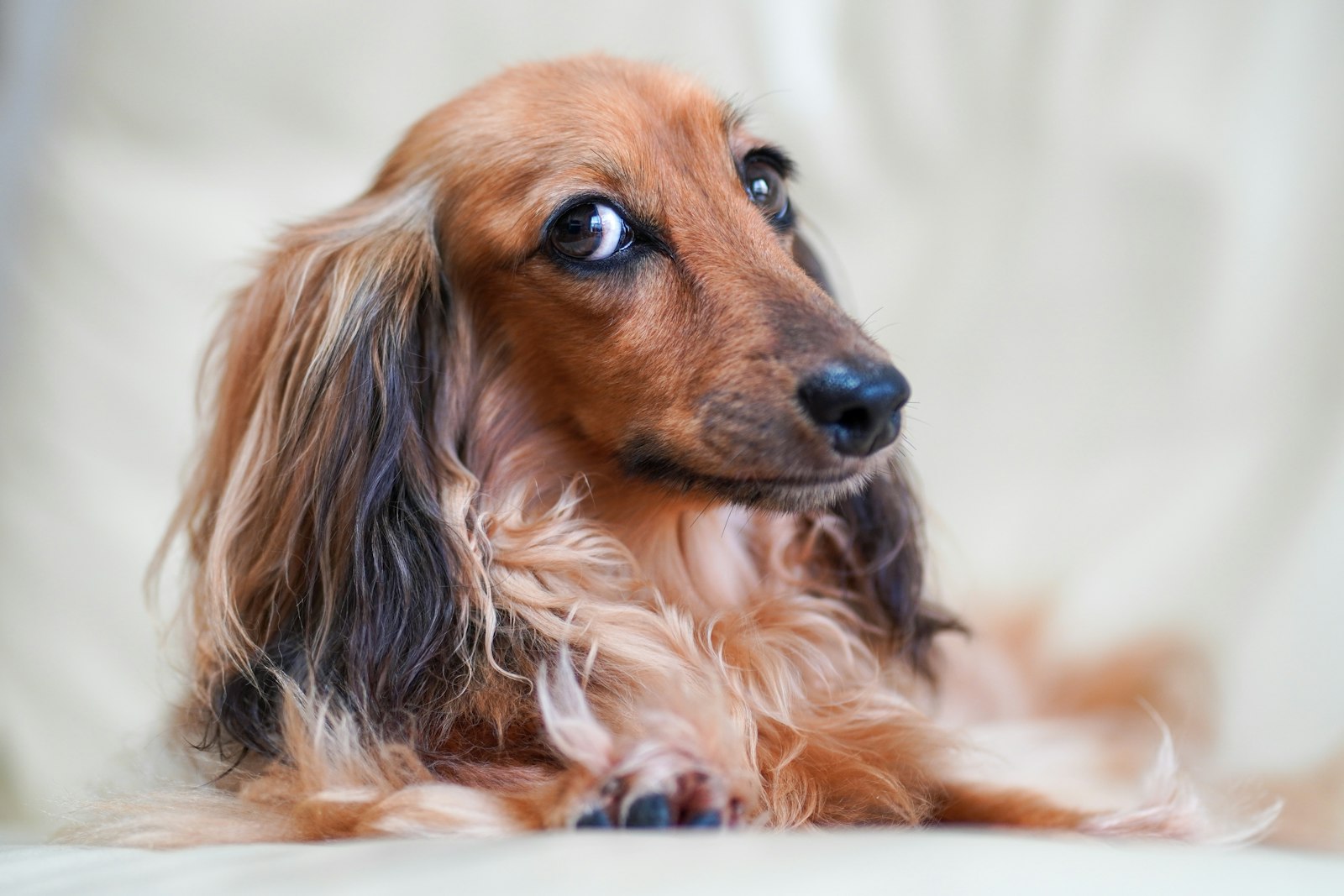
Understanding Dachshund Behavior
Dachshunds were bred to hunt badgers independently — making decisions without human guidance. This independence is why they seem stubborn. They don't lack intelligence; they lack the desire to please for pleasing's sake.
House Training
Dachshunds can be challenging to house train. They are small (accidents are easy to miss), stubborn, and weather-sensitive — many refuse to go outside in rain or cold.
Establish a strict routine. Take your puppy out every 1-2 hours, after meals, after naps, and before bed. Use a crate when you can't supervise. Reward outdoor elimination generously.

Bark Management
Dachshunds are vocal dogs. They alert bark, demand bark, and bark at nothing. Train a "quiet" command using positive reinforcement. Don't yell — they'll think you're barking too.
[tip]Teach "speak" and "quiet" together. Once your Dachshund can bark on command, you can teach them to stop on command. It's much easier than trying to eliminate barking entirely.[/tip]Positive Reinforcement
Food rewards work exceptionally well with Dachshunds. Use small, high-value treats for training. Keep sessions short (5-10 minutes) and end on a positive note. They respond poorly to harsh correction.
Socialization
Early and ongoing socialization prevents fearfulness and aggression. Expose your Dachshund puppy to various people, dogs, sounds, and environments. Well-socialized Doxies are confident and well-mannered.