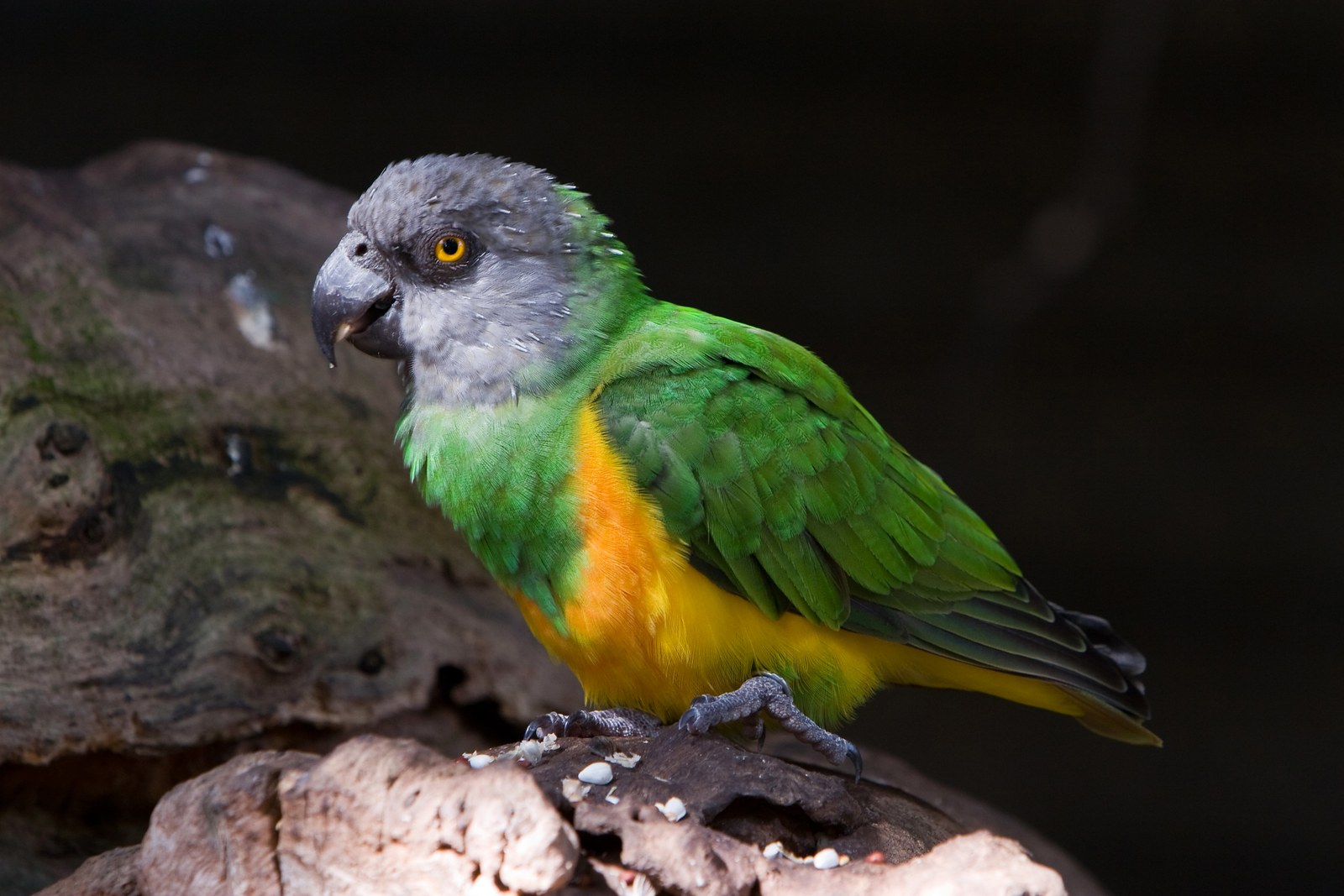
Senegal Parrot health problems are not always announced by a dramatic symptom. A bird may stop greeting the household, leave a favorite food untouched, or spend longer resting while its feathers still look tidy. Because plumage can conceal weight loss and birds may mask illness, noticing small changes is valuable. This guide describes observations and safe next steps, not a way to diagnose your Senegal or replace an examination by an avian veterinarian.
Learn the baseline while your bird is well
Arrange an initial examination and discuss preventive visits, diet, environmental safety, and testing appropriate to your Senegal's history. Bring previous medical records and an accurate account of food, housing, other birds, and possible exposures. Screening decisions should be individualized; a generic list of tests cannot guarantee that every problem is excluded. Confirm emergency contact details and whether your chosen after-hours service actually treats birds.
Teach voluntary use of a stable gram scale and keep readings taken under similar conditions. A single number does not diagnose disease, but a trend can reveal change that feathers conceal. Record ordinary droppings, activity, vocalizations, and appetite as well. Photographs of abnormal droppings and a short video of an intermittent sign can help the clinic, provided recording does not delay care or require handling a distressed bird. Do not wait for a predetermined percentage of weight loss if the bird is eating poorly, acting unusually, or visibly unwell. The pattern and the patient's condition matter together. Assign one place for the record so observations from different caregivers remain comparable. Distinguish what you actually saw from an interpretation: ate fewer pellets and slept through the usual morning interaction gives the clinic more information than seemed unhappy. Note when the change began and whether it persisted, but do not keep extending an observation period when concerning signs are already present. Calling for triage advice is preferable to guessing how serious a change might become.
Separate urgent signs from observations to discuss promptly
Labored breathing means breathing that appears effortful, particularly at rest, and can include open-mouth breathing or pronounced tail movement with each breath. A bird that is collapsed, bleeding, straining, or sitting weakly on the cage floor needs urgent veterinary attention. Suspected toxin exposure, a serious collision, or contact with a cat or dog also warrants immediate advice, even if the Senegal initially seems alert. Birds can deteriorate quickly, and outward appearance does not reveal internal injury.
Call the receiving clinic while arranging safe transport. Use a secure, ventilated carrier and reduce noise, chasing, and unnecessary handling. Ask the clinic how to accommodate a bird that cannot perch rather than insisting it grip a high perch. Maintain a comfortable environment without direct intense heat, steam, or unmonitored heating devices. Do not force water, food, or medication into the beak.
Address nutrition and body condition without crash diets
Seed-heavy diets can deliver abundant energy while leaving nutrients unbalanced, especially when a bird selectively eats favored ingredients. Limited exercise and frequent rich treats can further affect body condition. Conversely, a parrot that appears round because it is fluffed may actually have lost weight. An avian veterinarian should assess muscle, fat, diet, and possible illness before recommending changes. Neither a photograph nor an approximate species weight provides that assessment.
Bring packaging and a feeding diary rather than describing the menu only as healthy or varied. Include treats supplied by everyone in the household. If a transition to formulated food is appropriate, retain accepted food until sufficient replacement intake is established, and monitor the process. Do not reduce food abruptly to make a Senegal thinner or more willing to eat pellets. Avoid adding vitamins or calcium as insurance without clinical advice; supplements cannot safely substitute for a diagnosis or an appropriate complete diet. A persistent appetite change is a health concern, not merely stubbornness about dinner.
Treat feather, skin, and foot changes as clues
Normal preening and gradual feather replacement differ from bare patches, damaged skin, repeated feather chewing, or an abrupt change in appearance. Feather damage may have medical causes, behavioral contributors, environmental triggers, or several overlapping explanations. Calling every case boredom can postpone needed treatment. Photograph changes over time and note whether new foods, cleaning products, toys, household routines, or other animals appeared before the problem began.
Observe feet and perching without forcing the bird into restraint. Reluctance to bear weight, swelling, sores, or difficulty gripping needs assessment. Review perch stability, texture, cleanliness, and whether the bird has choices rather than one uniform surface. A damaged toy or abrasive perch cover may create an avoidable hazard, but removing that object does not establish that an existing injury has healed. Do not apply human skin creams, oils, essential oils, or over-the-counter feather remedies. A beak that suddenly changes shape or grows abnormally also merits investigation instead of repeated cosmetic trimming.
Recognize reproductive risk in single-bird homes
A female Senegal can produce eggs without living with a male. Reproductive activity is influenced by more than pairing: environmental cues, nutrition, and attachment to a perceived mate can matter. Repeated laying deserves a veterinary discussion because the appropriate response depends on the bird's health and circumstances. Do not assume a bird is male based only on appearance if sex is relevant to interpreting a problem.
Straining, weakness, cage-floor sitting, a swollen-looking abdomen, or breathing difficulty may signal a reproductive emergency or another serious illness. Seek urgent care rather than trying to feel or manipulate an egg. Never massage the abdomen, introduce oil into the vent, or attempt extraction. For prevention, discuss nest-like spaces, access to dark cavities, petting patterns, diet, and daily light routines with the veterinarian. Avoid casually adding a nest box as a bedroom. If eggs are already present, ask for an individualized management plan rather than repeatedly removing them or using unprescribed products to stop laying.
Reduce exposure and make follow-through easier
New birds require a veterinarian-guided quarantine and assessment plan before introductions. Separate airspace where feasible, dedicated equipment, careful handwashing, and care routines that limit cross-contamination are more meaningful than two cages positioned across one room. The appropriate duration and tests depend on history and exposure. Do not assume a bird is infection-free because it is active, captive-bred, or has a reassuring seller description.
Keep practical information ready so an urgent call is useful:
- Current weight records and the timing of appetite or behavior changes.
- Food and supplement names, including recent changes.
- Any possible fume, metal, plant, medication, or predator exposure.
- Previous test results and contact details for the regular clinic.
- A ready carrier and a backup person able to drive.
After an examination, follow the prescribed plan and arrange recommended rechecks. If administering treatment is difficult, tell the clinic promptly so it can demonstrate a safe approach or discuss alternatives; do not improvise restraint or change doses yourself.
Continue reading: Senegal Parrot Training: Trust, Boundaries, and Useful Everyday Skills.
Sources and further reading:
- World Parrot Trust: Senegal Parrot
- MSD Veterinary Manual: Management of Pet Birds
- MSD Veterinary Manual: Feeding a Pet Bird
- MSD Veterinary Manual: Household Hazards for Pet Birds
- MSD Veterinary Manual: Reproductive Diseases of Pet Birds
Photo credits: Arjan Haverkamp (CC BY 2.0 Generic). Images resized and compressed for web display. Each image retains its linked license.
