Lovebird Care Guide: Complete Tips for Small Parrot Owners
Your complete guide to lovebird care — cage setup, socialization, diet basics, and health monitoring for these bold, colorful companion parrots.
Read article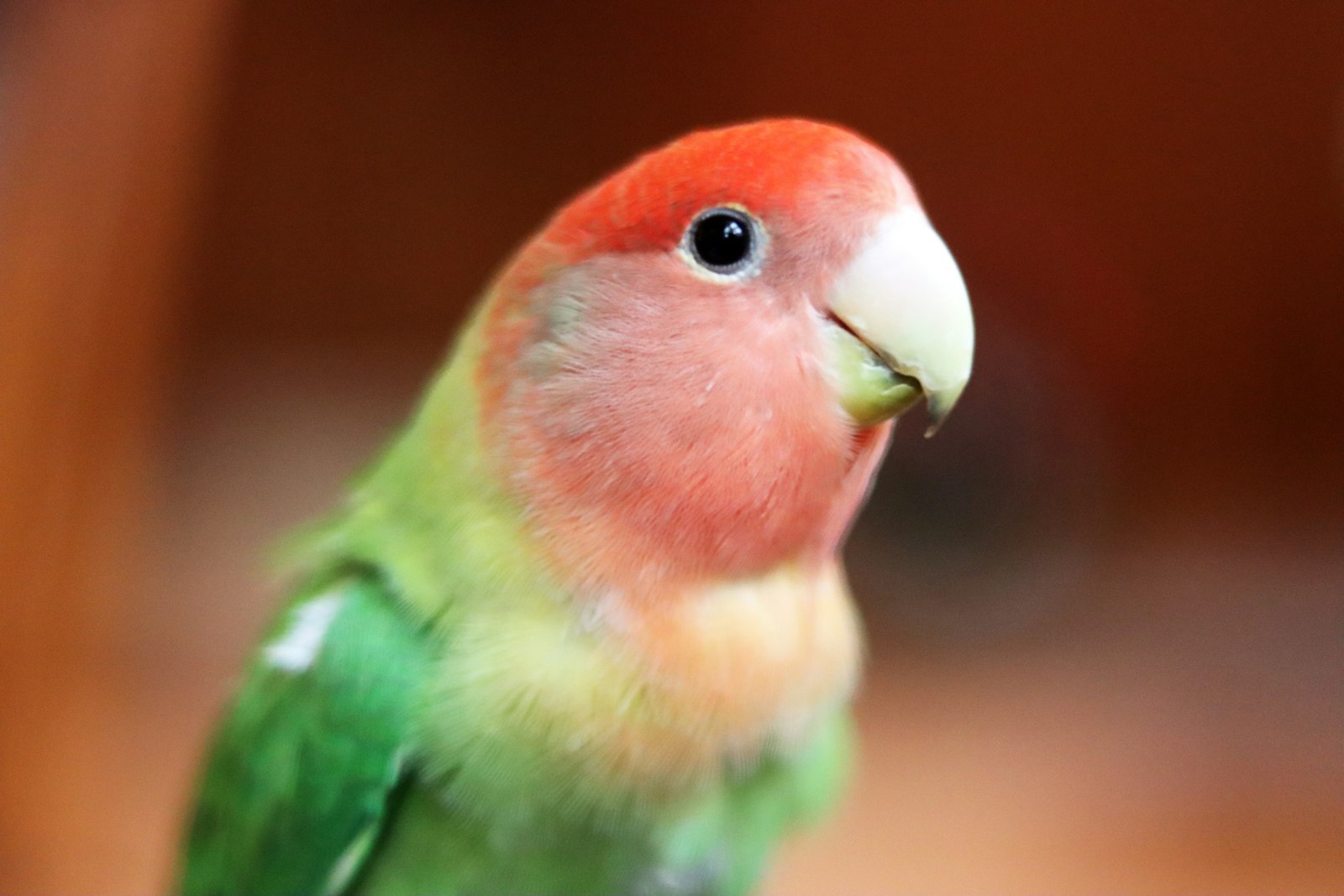
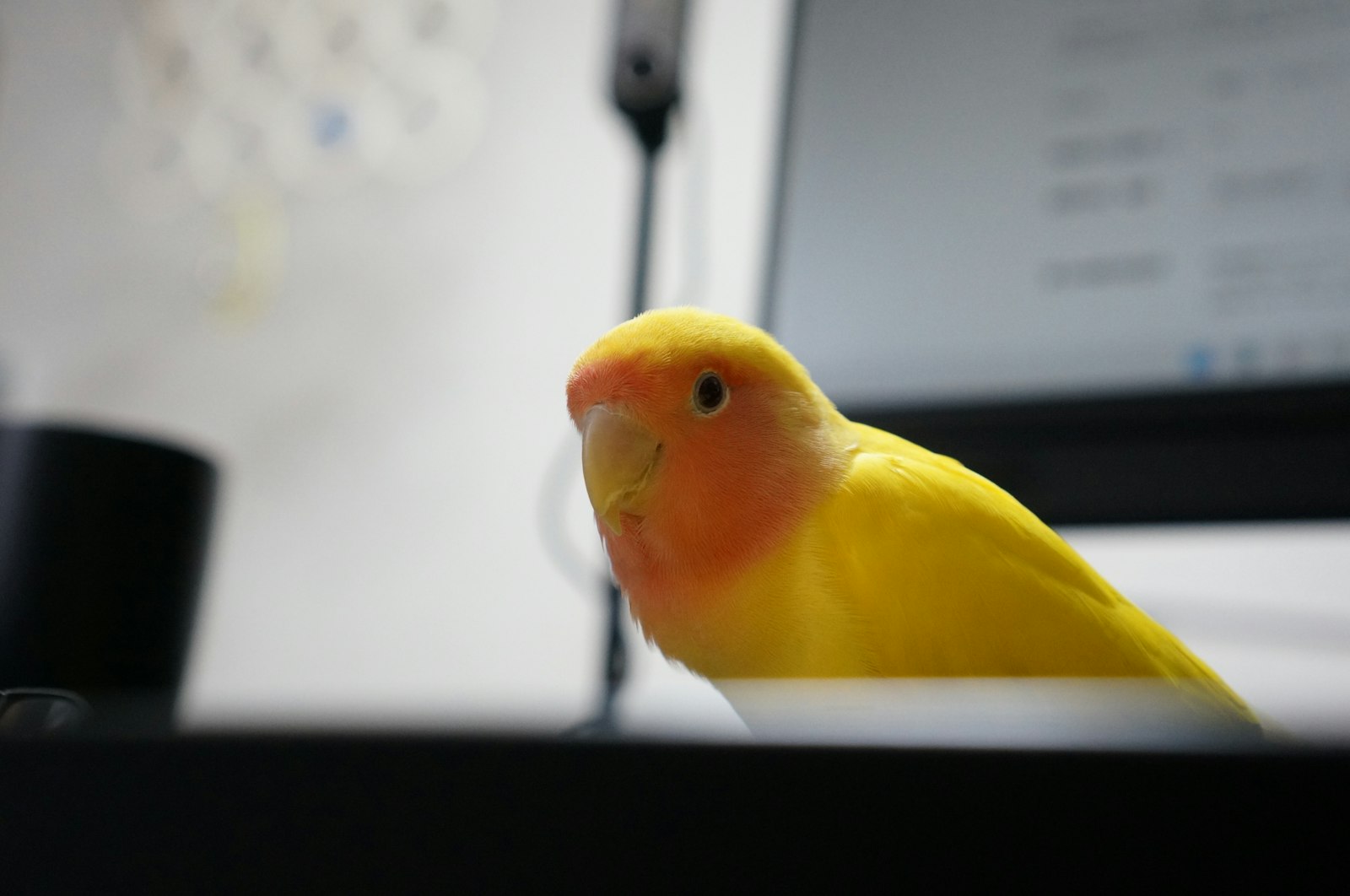
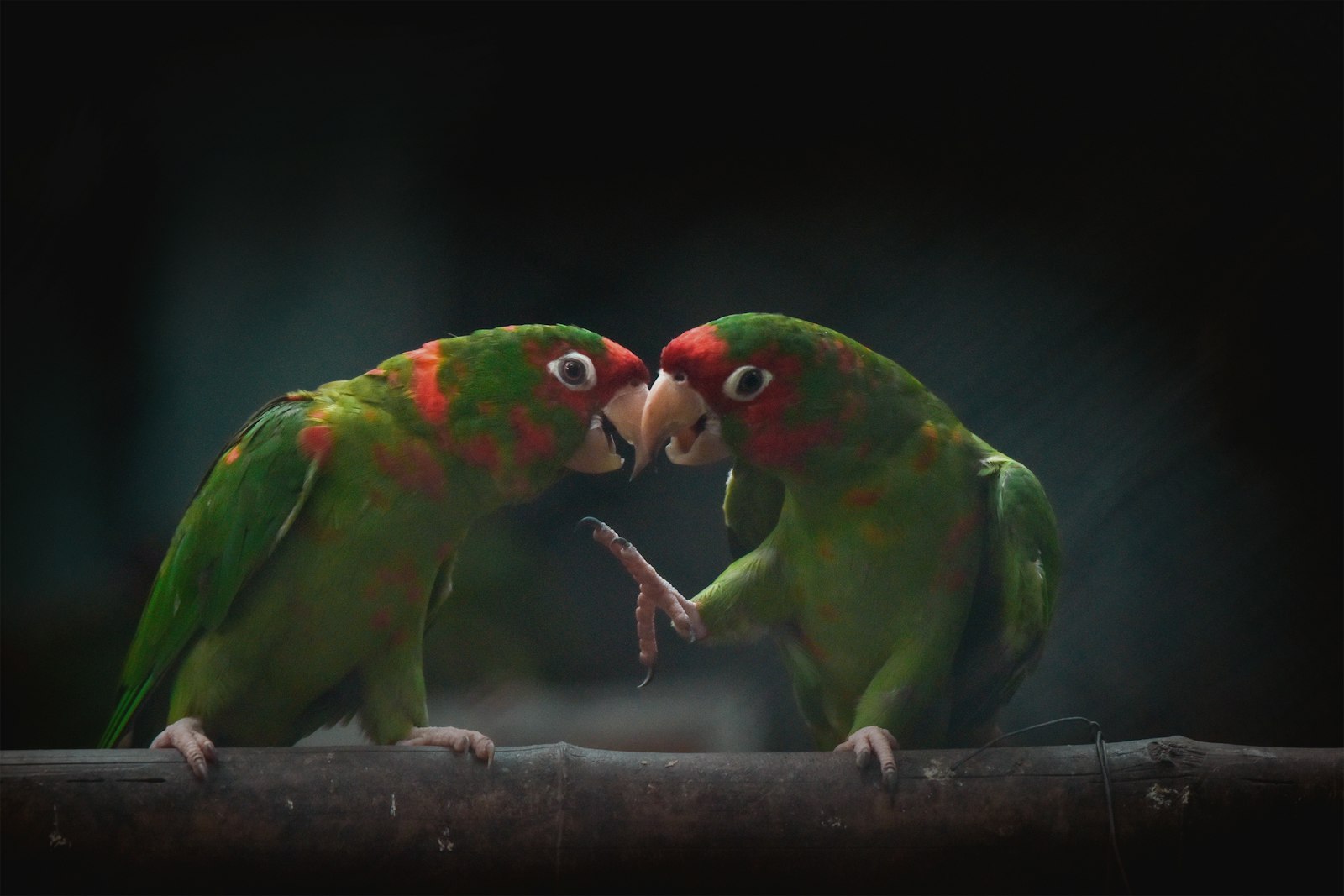
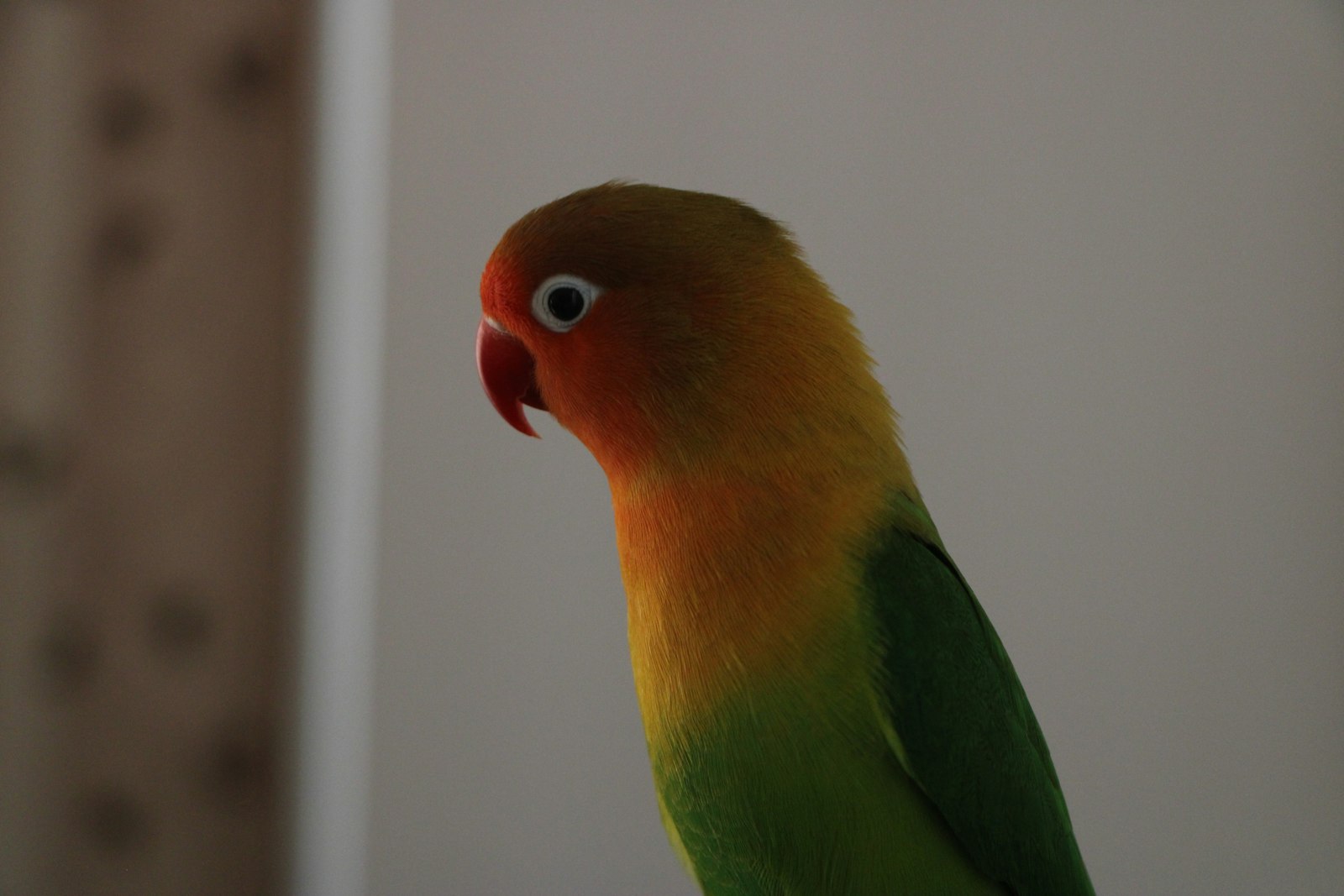
Agapornis
Tiny parrots with big personalities — devoted companions who bond for life.
Deep Dive
Lovebirds (Agapornis) are small parrots native to Africa, with one species (the Madagascan lovebird) native to Madagascar. The genus name Agapornis comes from the Greek words agape (love) and ornis (bird), reflecting their characteristic strong pair bonds. There are nine recognized species, of which the Peach-Faced Lovebird (A. roseicollis), Fischer's Lovebird (A. fischeri), and Masked Lovebird (A. personatus) are the most commonly kept as pets.
In the wild, lovebirds inhabit sub-Saharan Africa, living in flocks in savannas, open woodlands, and agricultural areas. They are fast, agile fliers and are often seen in pairs or small groups. Their vibrant green plumage provides excellent camouflage in their natural habitat. They are considered agricultural pests in some areas due to their fondness for grain crops.
Lovebirds were first imported to Europe in the late 19th century and quickly became popular aviary birds due to their striking colors, compact size, and engaging personalities. Selective breeding in captivity has produced numerous color mutations, particularly in the Peach-Faced and Fischer's species, including lutino, pied, cinnamon, and opaline varieties.
Today, lovebirds are among the most popular small pet parrots worldwide. They are prized for their bold personalities, beautiful colors, and the deep bonds they form with their mates and human caregivers.
Lovebirds pack a surprisingly big parrot personality into their compact 5-6 inch frame. They are bold, curious, feisty, and intensely social — qualities that make them entertaining companions but also require experienced handling.
Their name comes from their strong pair bonds. In the wild, lovebirds mate for life and are rarely seen apart from their chosen partner. They preen each other, roost together, and defend their mate fiercely. This same devotion extends to their human caregivers — a single lovebird can form an incredibly strong bond with their owner, often becoming Velcro birds who want to be physically close at all times.
Lovebirds are feisty and territorial, especially around their cage and nesting area. They can be aggressive toward other birds, even birds much larger than themselves. This territorial behavior is most pronounced in mated pairs and during breeding season. Single lovebirds bonded to their owner may also show jealousy toward other people or pets.
Despite their feisty side, lovebirds are playful and curious. They love to explore, climb, chew, and manipulate objects. They enjoy toys they can shred, climb, and swing on. Their intelligence makes them trainable — they can learn to step up, perform tricks, and some species can even learn to mimic simple words and sounds.
Lovebirds are small, compact parrots measuring 5-6 inches in length and weighing 1.5-2 ounces. They have a stocky build, short rounded tail, and relatively large beak for their size — giving them a bold, confident appearance.
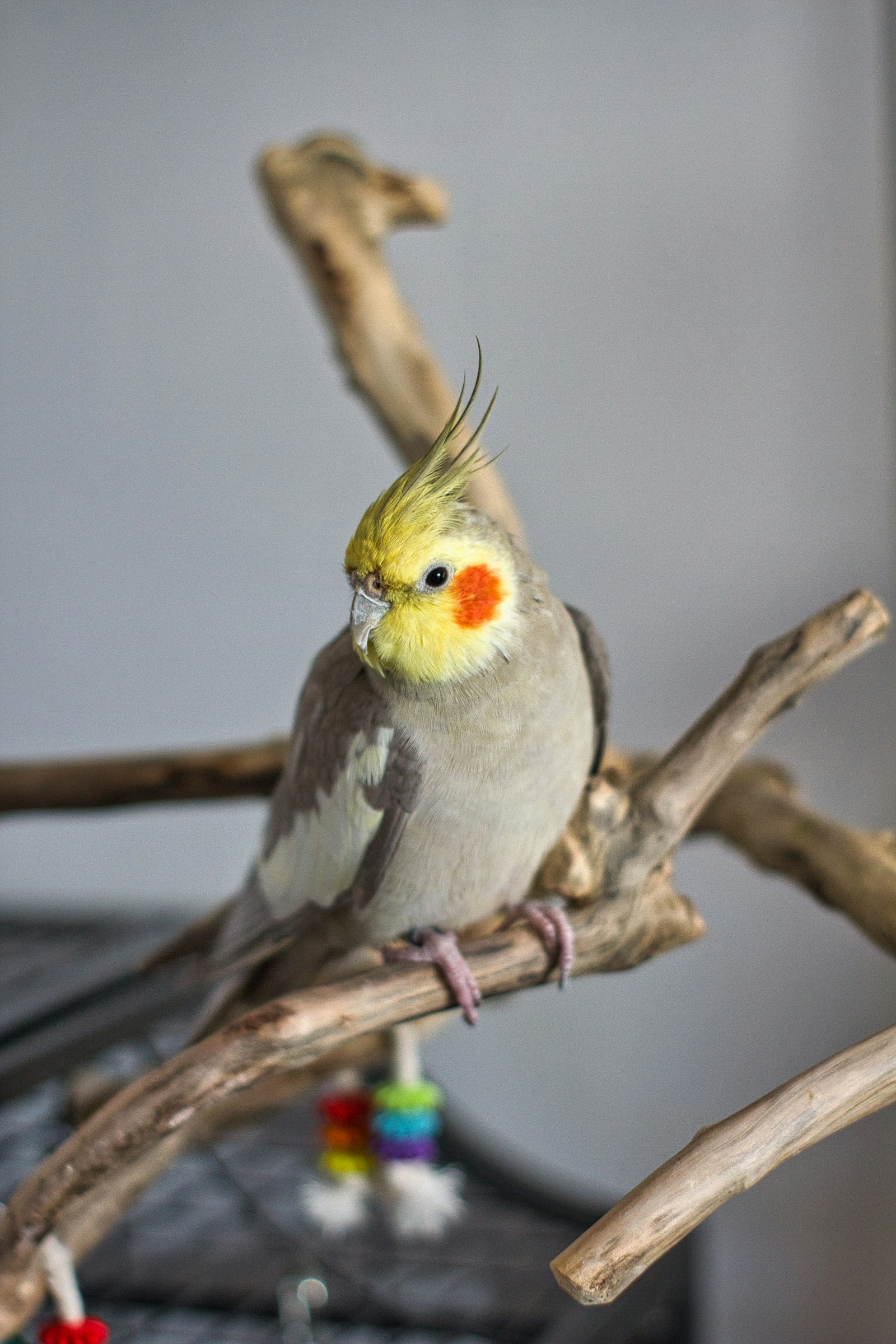
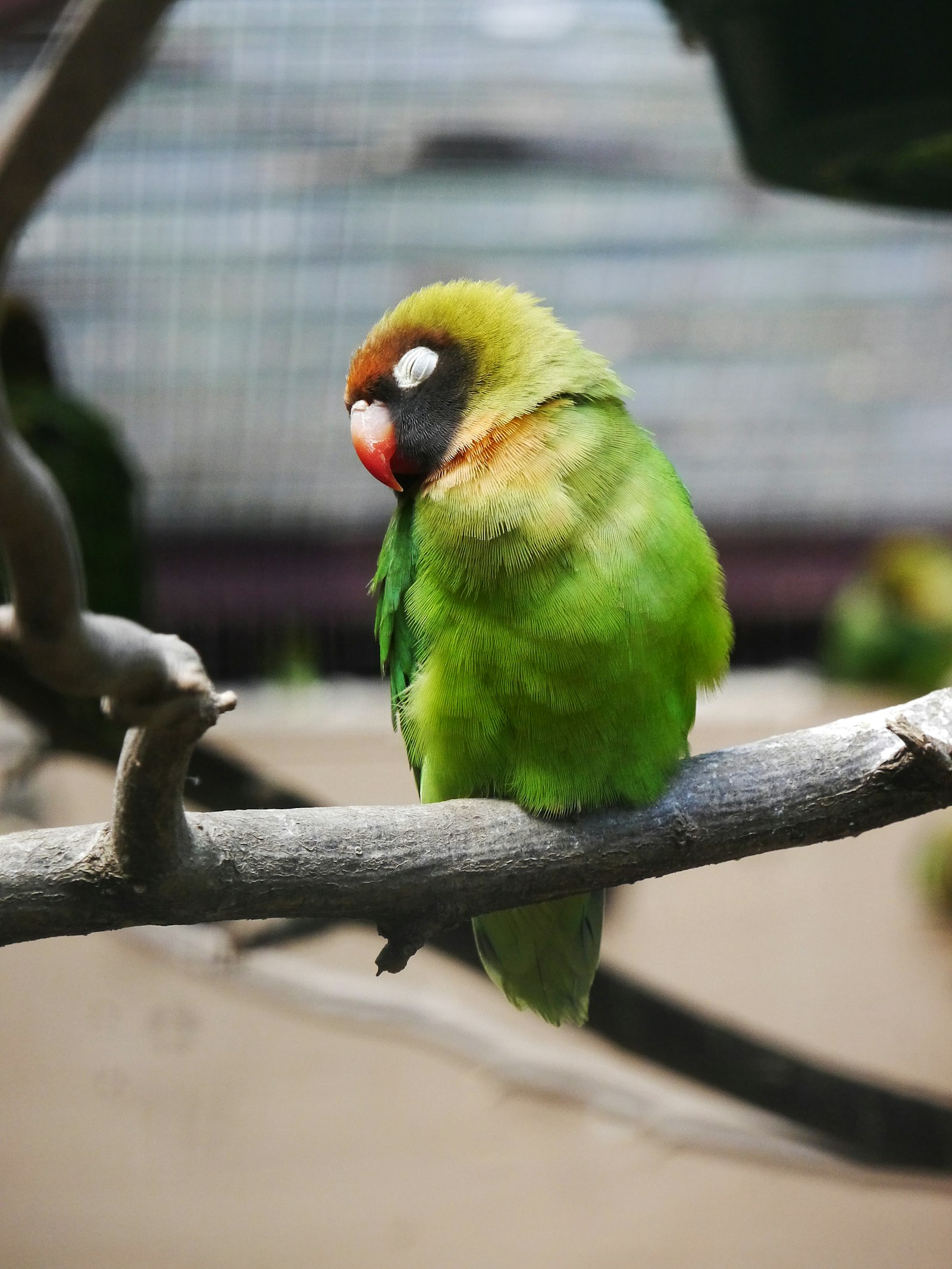
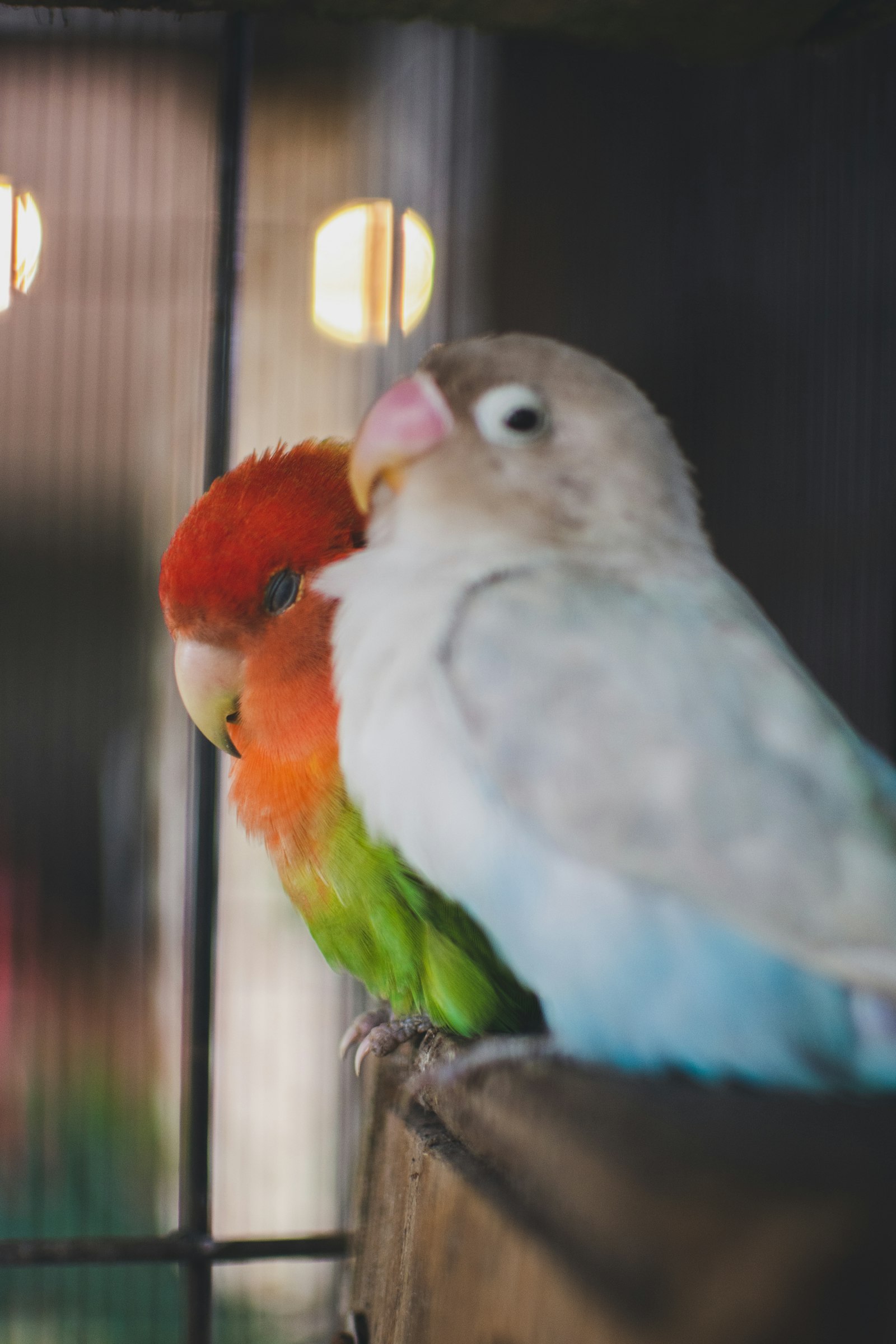
The wild-type coloration is predominantly bright green with species-specific markings. Peach-Faced Lovebirds have a vibrant orange-red face and throat. Fischer's Lovebirds have an orange-red head with a green body. Masked Lovebirds have a black head with a white eye ring and green body.
Captive breeding has produced numerous color mutations, particularly in Peach-Faced Lovebirds: Lutino (yellow/orange with red eyes), Pied (irregular patches of yellow and green), Cinnamon (warm brown tones), Opaline (diluted, pastel colors), Violet (purple-grey tones), and White-headed varieties. These mutations have expanded the visual appeal of lovebirds in aviculture.
Lovebirds have strong, hooked beaks capable of cracking hard seeds and nuts. Their feet are zygodactyl (two toes forward, two toes back), typical of parrots, providing excellent grip for climbing and manipulating objects. Their tails are short and squared-off, unlike the long tails of most other parrots.
Photo credits: @carolinagrants (Unsplash License), @mrpayney (Unsplash License), @jctubelleza (Unsplash License), @kagua (Unsplash License), @bisakhadatta (Unsplash License), @saray_khadangan (Unsplash License)
Living with a Lovebird is a dynamic, engaging experience. These small parrots are full of personality and require committed care, socialization, and enrichment to thrive as pets.
Lovebirds need a spacious cage — minimum 24x18x24 inches — with multiple perches, toys, and enrichment items. They are active climbers and need horizontal bar spacing for climbing. Place the cage in a social area but away from the kitchen (Teflon fumes are deadly).
Daily care includes fresh food and water, cage liner change, and 2-3 hours of supervised out-of-cage time. Lovebirds eat a pellet-based diet (60-70%) supplemented with fresh vegetables, moderate fruit, and small amounts of seeds. They are enthusiastic foragers and enjoy food-based enrichment activities.
Lovebirds are best kept as single birds bonded to their owner if you want a tame, interactive pet. A pair of lovebirds will bond with each other and may become less interested in human interaction. However, if you want breeding pairs or aviary birds, keeping them in pairs is natural and rewarding.
Important considerations: Lovebirds can be territorial and aggressive, especially around their cage. They require consistent handling and socialization from a young age. Their beaks are strong — they can deliver a painful bite. They are not recommended for households with very young children. With a lifespan of 10-15 years, they are a long-term commitment.
At a Glance
Ownership Guide
Provide a spacious cage (minimum 24x18x24 inches) with horizontal bars for climbing. Allow 2-3 hours of supervised out-of-cage time daily. Rotate toys weekly. Provide foraging opportunities and shreddable toys to keep them mentally stimulated.
Pellet-based diet (60-70%) supplemented with fresh vegetables (kale, broccoli, carrot), moderate fruit, and small amounts of seed mix. Always provide fresh water and a cuttlebone. Avoid avocado, chocolate, caffeine, and high-salt foods.
Offer a shallow bath dish or mist shower 2-3 times weekly. Keep nails trimmed with natural branch perches. Wing clipping is optional — consult your avian vet. Lovebirds produce minimal powder down compared to cockatoos.
Lovebirds are trainable using positive reinforcement and millet spray rewards. Teach step-up, target training, and simple tricks. Keep sessions short (5-10 minutes). Start socialization and handling from a young age for best results.
Single lovebirds need 2-3 hours of daily interaction. They bond strongly with their owner and may become aggressive if under-socialized. Handle gently but firmly. If keeping a pair, expect them to bond more with each other than with you.
Annual wellness exams with an avian veterinarian. Monitor for feather plucking, egg binding in females, and obesity. Maintain a balanced diet and healthy weight. Signs of illness include fluffed feathers, discharge, lethargy, and changes in vocalization.
Wellness
Lovebirds are prone to feather plucking — often caused by stress, boredom, lack of socialization, or medical issues. Provide ample enrichment, toys, and social interaction. Address underlying causes rather than just the symptom.
Female lovebirds are prone to egg binding, especially if calcium-deficient or chronically egg-laying. Symptoms include straining, lethargy, and sitting on the cage floor. Provide cuttlebone and remove nesting materials if chronic laying occurs.
Lovebirds can be territorial and aggressive, especially around their cage and during breeding season. Consistent handling, proper socialization, and environmental management help reduce aggression. Never punish — redirect unwanted behavior.
Overweight lovebirds are at risk for fatty liver disease and reduced lifespan. Feed a pellet-based diet with fresh vegetables. Limit high-fat seeds (sunflower, safflower). Ensure adequate exercise with a spacious cage and out-of-cage time.
Lovebirds are generally hardy, adaptable birds when provided with proper care. They tolerate a range of household environments and are relatively resistant to common bird illnesses when maintained on a balanced diet.
Lovebirds can live 10-15 years with proper care — some have exceeded 20 years. They are a long-term commitment but reward you with decades of bold, colorful, entertaining companionship.
Lovebirds are among the most entertaining small pet birds. Their bold, curious nature, playful antics, and strong pair bonds make them endlessly fascinating to watch and interact with.
Further Reading
Your complete guide to lovebird care — cage setup, socialization, diet basics, and health monitoring for these bold, colorful companion parrots.
Read articleLearn the ideal diet for your lovebird — pellet-based nutrition, fresh vegetables, safe fruits, seed management, and toxic foods for these colorful parrots.
Read articleUnderstand the health risks facing lovebirds — from feather plucking and egg binding to obesity — and learn evidence-based prevention strategies.
Read articleDiscover how to train your lovebird — step-up commands, taming techniques, understanding body language, and managing territorial behavior.
Read articleComplete guide to lovebird grooming — bathing techniques, nail trimming, feather maintenance, and beak care for these colorful small parrots.
Read articleDiscover what daily life with a lovebird is really like — from their bold personalities to care routines, the joys and considerations of these colorful companions.
Read articleYou May Also Like