Cockatiel Care Guide: Complete Tips for Happy Birds
Your complete guide to cockatiel care — cage setup, daily routine, socialization, and health monitoring for the world's most popular pet parrot.
Read article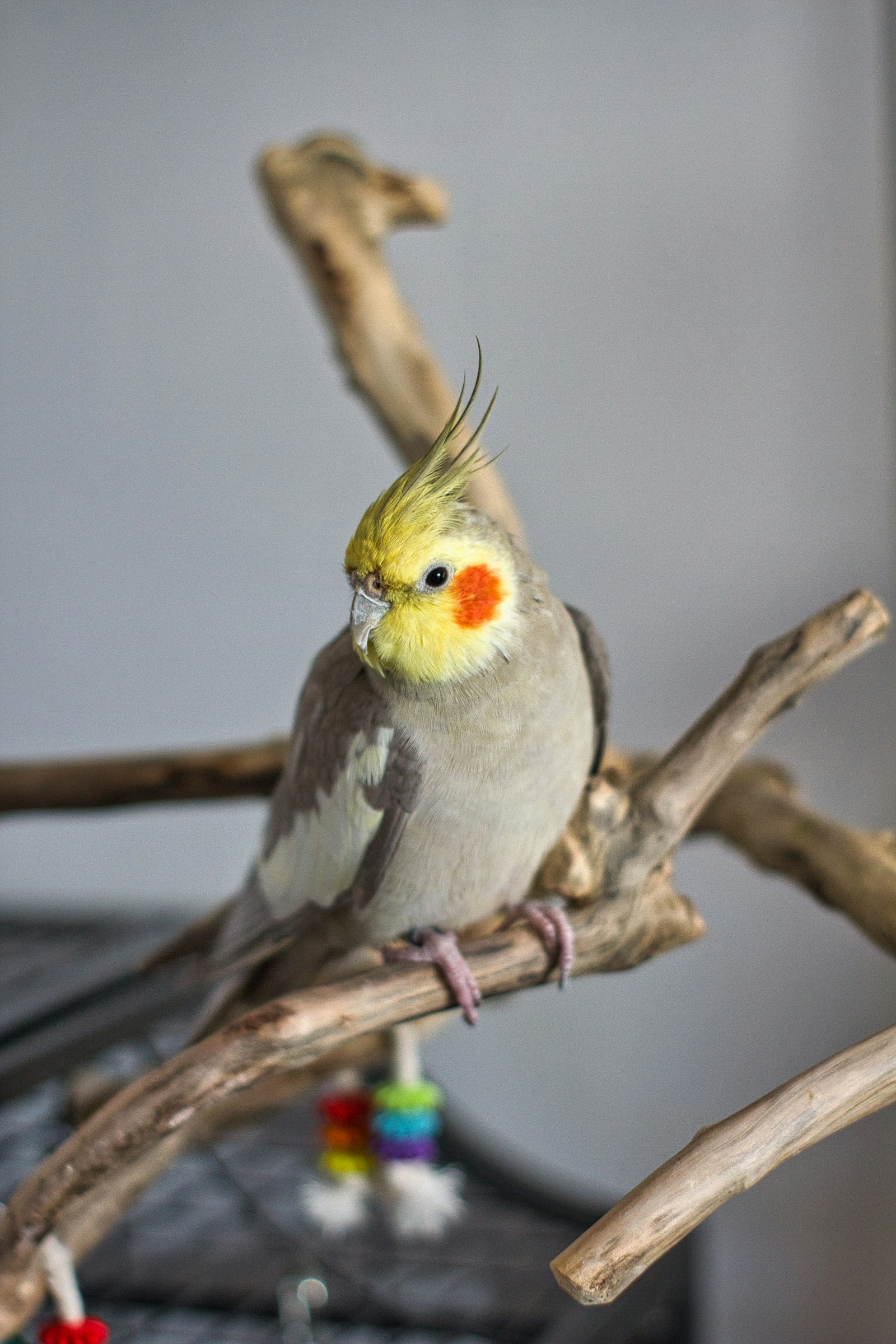
Nymphicus hollandicus
The whistling companion — a crest-headed charmer who fills your home with music.
Deep Dive
The Cockatiel (Nymphicus hollandicus) is native to the arid and semi-arid interior of Australia. They are the only member of the genus Nymphicus and were once classified as a crested parakeet, but genetic studies have since placed them in their own unique genus. In the wild, cockatiels roam in flocks across the Australian outback, traveling in search of water and food.
Cockatiels were first described by European naturalists in the late 18th century after explorers encountered them in Australia. Naturalist John Gould formally classified them in 1884. Their hardy nature and adaptability made them popular exports, and by the early 20th century, they had become established as cage birds in Europe and North America.
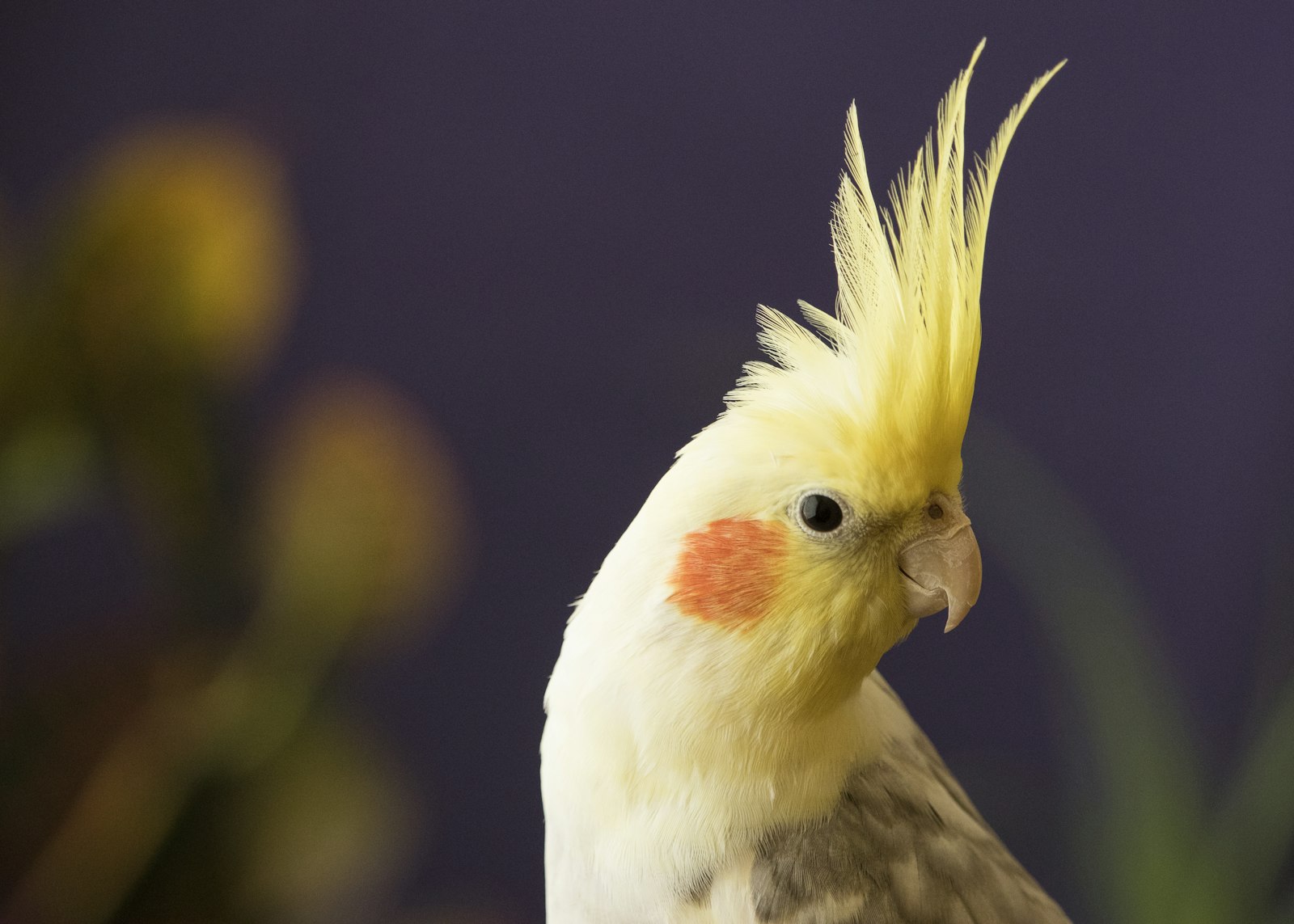
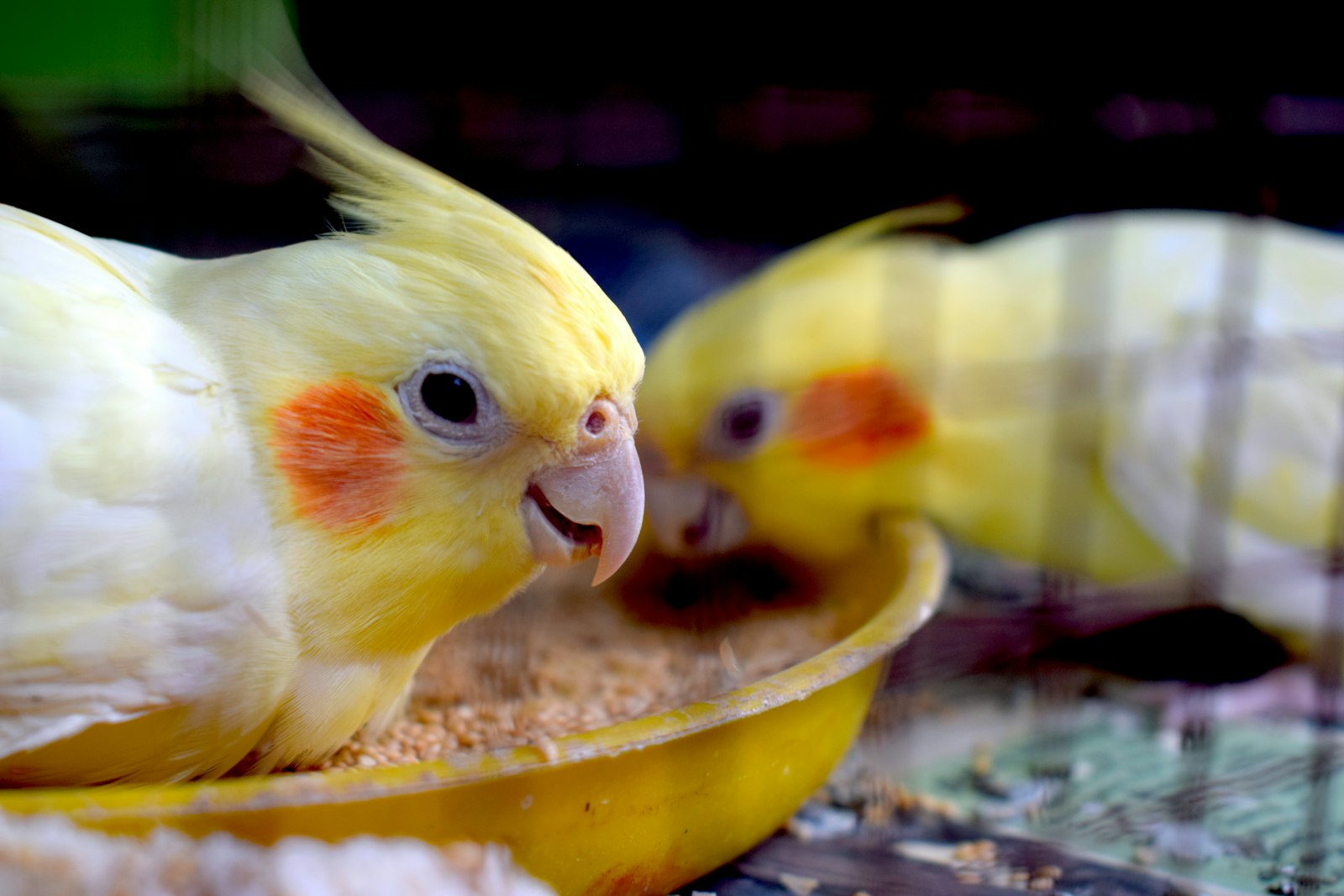
Over decades of selective breeding in captivity, cockatiels have developed numerous color mutations beyond the wild-type grey. Popular mutations include Lutino (yellow/white with orange cheeks), Pearl (laced feather pattern), Pied (irregular color patches), Cinnamon (warm brown tones), and Whiteface (no orange cheek patches). Despite these variations, all cockatiels retain the distinctive crest and charming personality of their wild ancestors.
Today, cockatiels are the most popular pet parrot in the world, beloved for their gentle temperament, musical ability, and relatively manageable care requirements compared to larger parrots.
The Cockatiel is an affectionate, social, and remarkably musical bird that forms strong bonds with their human family. Unlike larger parrots, cockatiels have a gentle, easygoing temperament that makes them ideal for first-time bird owners, families with children, and apartment dwellers.
Cockatiels are famous for their whistling and singing ability. Males are particularly talented whistlers and can learn to mimic tunes, melodies, and even short phrases. While females tend to be quieter, both sexes can learn to whistle on cue and will serenades their owners with impromptu performances. Their vocal ability is one of the main reasons they are so beloved as pets.
These birds are highly social and thrive on interaction. A cockatiel kept as a single pet will bond closely with their owner and may become distressed if left alone for long periods. They enjoy riding on shoulders, being gently petted (especially around the head and crest), and participating in household activities. They are not as demanding as larger parrots but still require 2-3 hours of daily social interaction.
Cockatiels are intelligent and trainable. They can learn to step up on command, perform simple tricks, and even play with small toys. Their curiosity and playful nature make them entertaining companions. They are generally non-aggressive and rarely bite hard — their beaks are small compared to larger parrots, making them safe around older children.
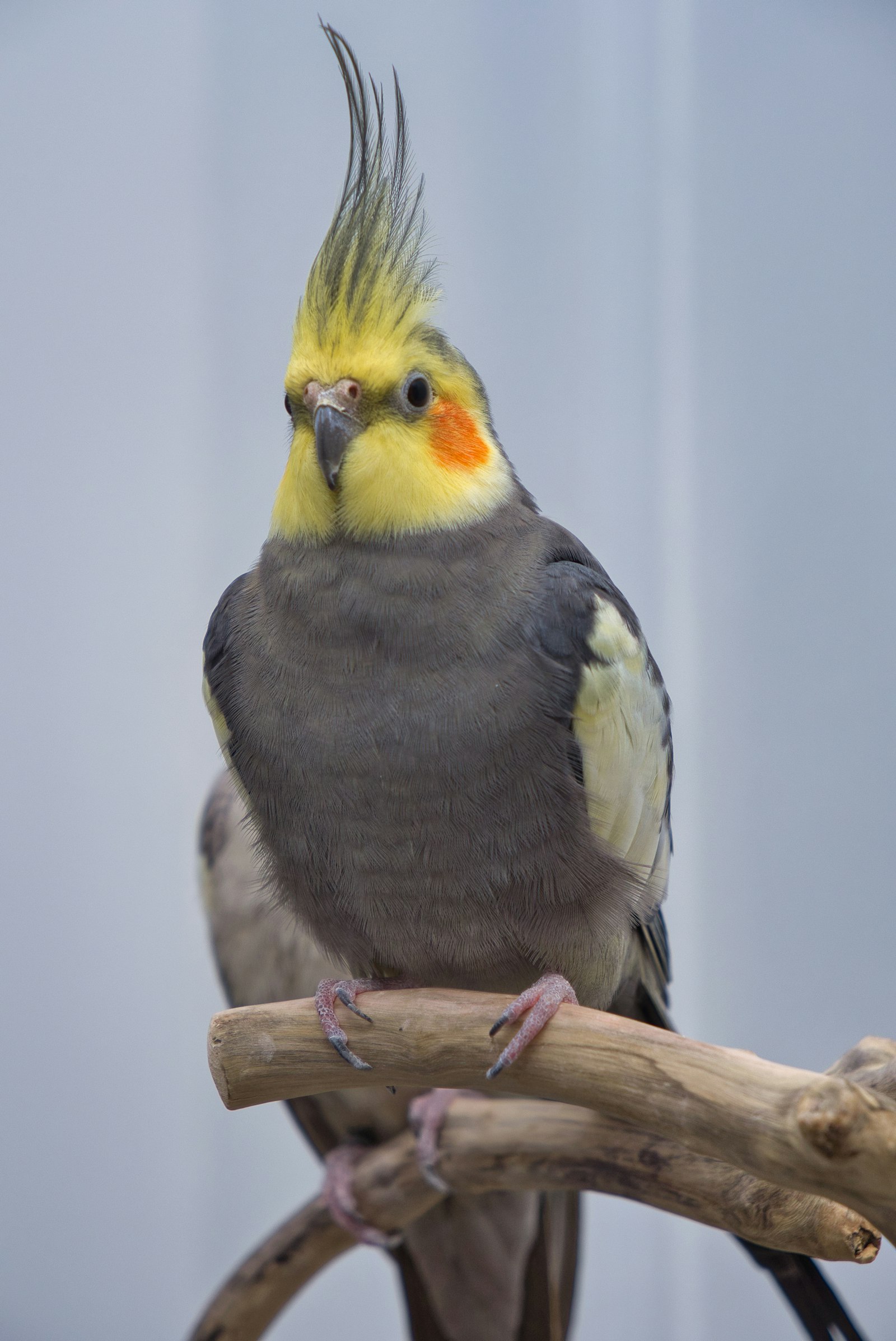
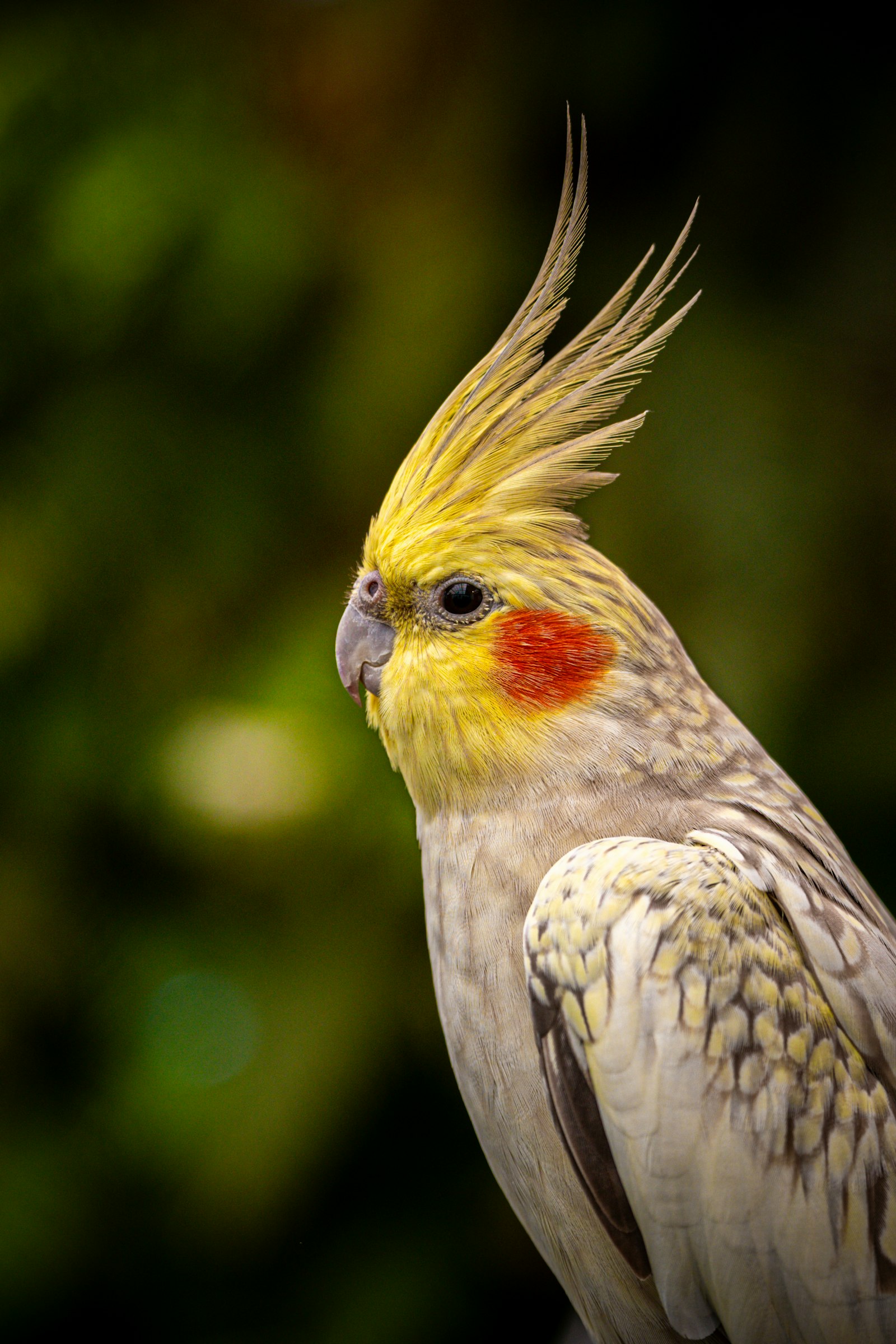
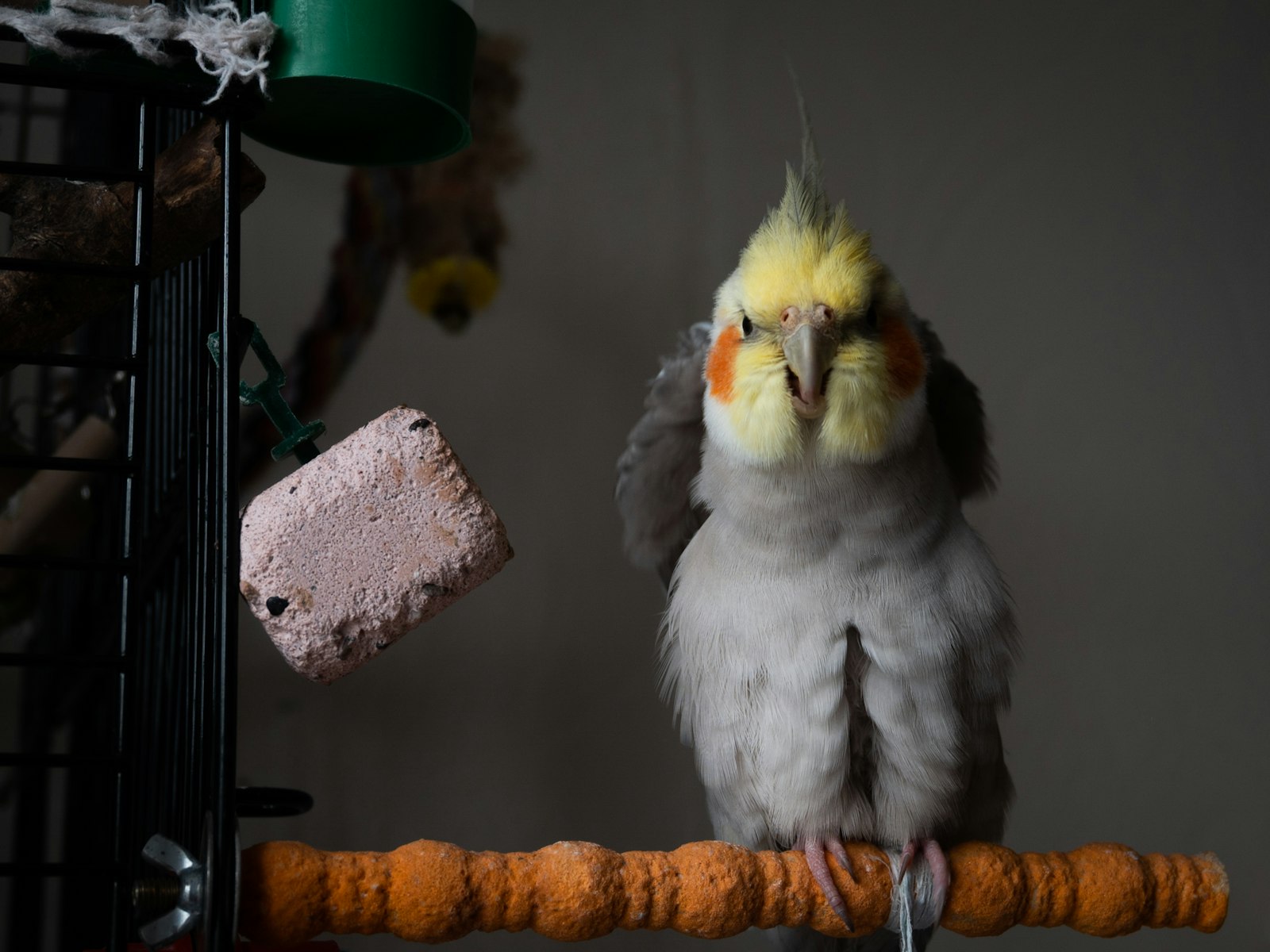
The Cockatiel is a medium-sized parrot measuring 12-13 inches from head to tail and weighing 3-4 ounces. Their most distinctive feature is the erectile crest — a fan of feathers on top of the head that raises when the bird is excited, curious, or startled. The crest is one of the most expressive features in the parrot world, functioning as a visual mood indicator.
The wild-type (normal grey) cockatiel has a uniform grey body, white wing patches, orange cheek patches, and a yellow face with grey crest. Males have brighter yellow faces and more vivid orange cheeks than females. The tail is long and grey with yellow barring underneath.
Captive breeding has produced numerous color mutations: Lutino (white/yellow body, orange cheeks, red eyes), Pearl (each feather edged with a contrasting color), Pied (random patches of yellow and grey), Cinnamon (warm brown instead of grey), Whiteface (no yellow or orange pigment), and Pastel Face (softened orange cheek patches). Each mutation retains the characteristic crest and body shape.
Cockatiel plumage is soft and powder-down based — like all cockatoos, they produce fine powder down that keeps their feathers waterproof and conditioned. This means cockatiels can be dusty, which may affect people with allergies. Regular bathing helps manage dust levels.
Photo credits: @clembazard (Unsplash License), @ugsdreamer (Unsplash License), @daymnous (Unsplash License), @katasha (Unsplash License), @deva_prasanna08 (Unsplash License), @demidroid (Unsplash License)
Living with a Cockatiel is a joyful, interactive experience that is well-suited to a wide range of lifestyles. Cockatiels are adaptable, relatively quiet (compared to larger parrots), and thrive in both apartments and houses. They are the perfect bridge between a low-maintenance pet and an interactive companion.
Cockatiels need a spacious cage — minimum 24 inches wide by 18 inches deep by 24 inches tall. The cage should include multiple perches of varying diameters, food and water dishes, cuttlebone, and several toys for enrichment. Place the cage in a social area where the bird can interact with the family, but away from the kitchen (Teflon fumes are deadly) and drafty areas.
Daily care includes fresh food and water, cage liner change, and 2-3 hours of out-of-cage time for exercise and socialization. Cockatiels eat a pellet-based diet (60-70%) supplemented with fresh vegetables, moderate fruit, and a small amount of seed mix. Seeds should be treated as treats, not the main diet.
Cockatiels are ideal for first-time bird owners, families, and people who want an interactive pet without the intensity of a larger parrot. They are gentle enough for children (with supervision), quiet enough for apartments, and social enough to be a true family companion. Their 15-25 year lifespan means a long-term commitment, but the reward is decades of whistling, cuddling, and playful companionship.
At a Glance
Ownership Guide
Provide a spacious cage (minimum 24x18x24 inches) with multiple perches and toys. Allow 2-3 hours of supervised out-of-cage time daily for flight and exercise. Rotate toys weekly to prevent boredom. Bird-safe play gyms are excellent for enrichment.
Pellet-based diet (60-70%) supplemented with fresh vegetables (kale, broccoli, carrot), moderate fruit, and small amounts of seed mix as treats. Always provide fresh water and a cuttlebone. Avoid avocado, chocolate, caffeine, and high-salt foods.
Offer a shallow bath dish or mist shower 2-3 times weekly to manage powder down and keep feathers healthy. Keep nails trimmed with natural branch perches or manual trimming. Wing clipping is optional — consult your avian vet for recommendations.
Cockatiels are highly trainable using positive reinforcement. Teach step-up command, target training, and simple tricks using millet spray as a reward. Males excel at learning to whistle tunes. Keep training sessions short (5-10 minutes) and consistent.
Cockatiels are social birds that need 2-3 hours of daily interaction. They enjoy riding on shoulders, head scratches, and participating in family activities. Consider a companion bird if you are away frequently. Hand-tame from a young age for best results.
Annual wellness exams with an avian veterinarian. Monitor for respiratory issues, egg binding in females, and fatty liver disease. Maintain a balanced diet and healthy weight. Signs of illness include fluffed feathers, discharge, lethargy, and changes in vocalization.
Wellness
Cockatiels are prone to respiratory infections caused by bacteria, fungi, or environmental irritants. Symptoms include sneezing, nasal discharge, labored breathing, and tail bobbing. Keep the environment well-ventilated and free from aerosols, Teflon fumes, and dust.
Female cockatiels are prone to egg binding — a life-threatening condition where an egg becomes stuck in the reproductive tract. Symptoms include straining, lethargy, and sitting on the cage floor. Ensure adequate calcium intake and consult a vet immediately if suspected.
Overweight cockatiels, especially those on seed-heavy diets, are at risk for hepatic lipidosis. Symptoms include obesity, lethargy, and overgrown beak/nails. Feed a pellet-based diet with fresh vegetables and limit high-fat seeds.
Cockatiels are prone to night frights — sudden panic episodes in the dark where they thrash around the cage. This is thought to be an instinctive response to predator threats. A dim night light near the cage can significantly reduce night fright episodes.
Cockatiels can live 15-25 years with proper care — some have exceeded 30 years. They are hardy, adaptable birds when provided with a balanced diet, regular exercise, and routine veterinary care. A long-term but rewarding commitment.
Cockatiels are widely considered the best pet parrot for beginners. They are gentle, easy to care for, relatively quiet, and highly trainable. Their manageable size and friendly nature make them suitable for families, apartments, and first-time bird owners.
Cockatiels are exceptional whistlers and can learn to mimic tunes, melodies, and short phrases. Their musical ability, combined with their affectionate nature, makes them one of the most rewarding pet bird companions available.
Further Reading
Your complete guide to cockatiel care — cage setup, daily routine, socialization, and health monitoring for the world's most popular pet parrot.
Read articleLearn the ideal diet for your cockatiel — pellet-based nutrition, fresh vegetables, safe fruits, seed management, and foods to avoid for a healthy, vibrant parrot.
Read articleUnderstand the health risks facing cockatiels — from respiratory infections and egg binding to night frights — and learn evidence-based prevention strategies.
Read articleDiscover how to train your cockatiel — step-up commands, whistle training, understanding body language, and building a trusting relationship with your parrot.
Read articleComplete guide to cockatiel grooming — bathing techniques, nail trimming, feather maintenance, powder down management, and beak care for a healthy parrot.
Read articleDiscover what daily life with a cockatiel is really like — from their cheerful whistling to simple care routines, the joys of sharing your home with this charming parrot.
Read articleYou May Also Like


