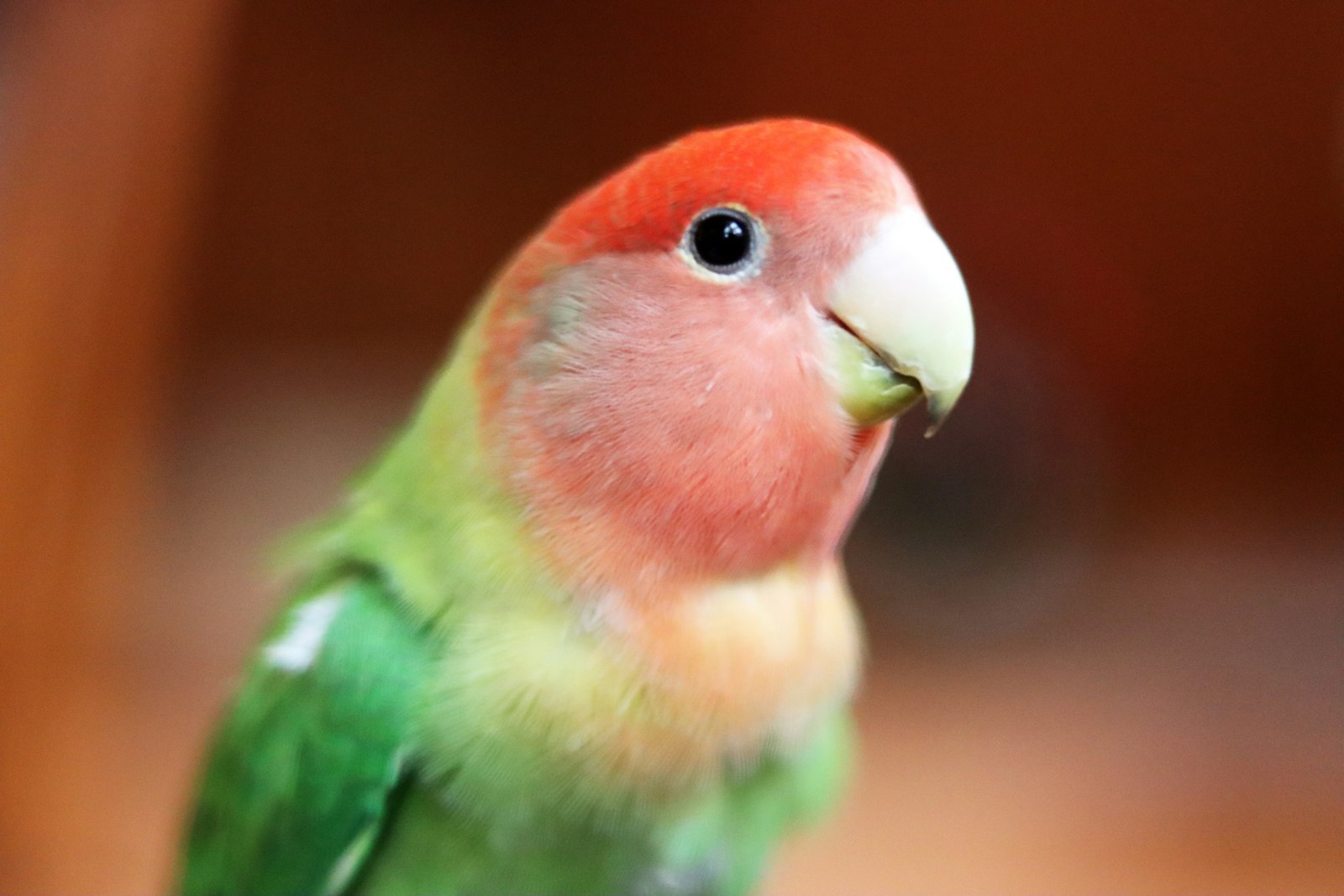
Lovebirds are among the most popular small pet parrots — and for good reason. These compact, colorful birds pack a big parrot personality into a tiny 5-6 inch frame. They are bold, playful, fiercely loyal, and endlessly entertaining. But their small size should not fool you — lovebirds require committed, experienced care to thrive.
Cage Setup
Lovebirds are active, climbing birds who need a spacious cage. Choose a cage minimum 24 inches wide by 18 inches deep by 24 inches tall, with horizontal bar spacing to allow climbing. Bar spacing should be 1/2 inch to prevent escape or injury.
Essential cage setup:
- Multiple perches — Varying diameters and textures. Natural wood branches are ideal
- Food and water dishes — 3 dishes: pellets, fresh food, water. Stainless steel preferred
- Toys — Shreddable toys, climbing ropes, bells, foraging toys. Lovebirds are aggressive chewers — provide plenty
- Cuttlebone — Essential calcium source
- Cage liner — Newspaper or paper towels for easy daily cleaning
Place the cage in a social area at eye level, away from the kitchen and drafty areas. Lovebirds are social birds who want to be near their family.
Daily Routine
Lovebirds thrive on consistent routines. A structured day helps them feel secure.
- Morning — Fresh food and water, cage liner change, morning interaction
- Midday — Fresh vegetables, out-of-cage exercise (2-3 hours), training session
- Evening — Second food check, quiet wind-down, cover cage for 10-12 hours of sleep
Lovebirds need 10-12 hours of uninterrupted sleep. Sleep deprivation leads to irritability and aggression.
Socialization
Lovebirds are intensely social and need 2-3 hours of daily interaction. Single lovebirds bond strongly with their owner and may become aggressive or depressed without adequate socialization.
Key socialization tips:
- Handle from a young age — Early handling produces the tamest adults
- Be consistent — Daily interaction is essential, not optional
- Respect boundaries — Lovebirds can be moody. If they show aggression, give them space and try later
- Positive reinforcement — Reward calm, friendly behavior with treats and praise
[tip]If you cannot commit to 2-3 hours of daily interaction, consider getting a pair of lovebirds. They will keep each other company, though they may bond more with each other than with you.
Safety
Lovebirds are curious and fearless, which makes them prone to household accidents.
- No Teflon cookware — Fumes are instantly fatal
- No aerosols or scented candles — Respiratory irritants
- Supervise out-of-cage time — Lovebirds can chew electrical cords, fly into windows, or fall into open toilets
- Remove toxic plants — Many houseplants are toxic to birds
[warning]Lovebirds are fearless and curious — they will chew anything they can reach. Remove all hazardous items from their play area and always supervise out-of-cage time.
Lovebird care requires commitment but is deeply rewarding. With proper cage setup, daily interaction, and a balanced diet, your lovebird will be a bold, colorful companion for 10-15 years or more.