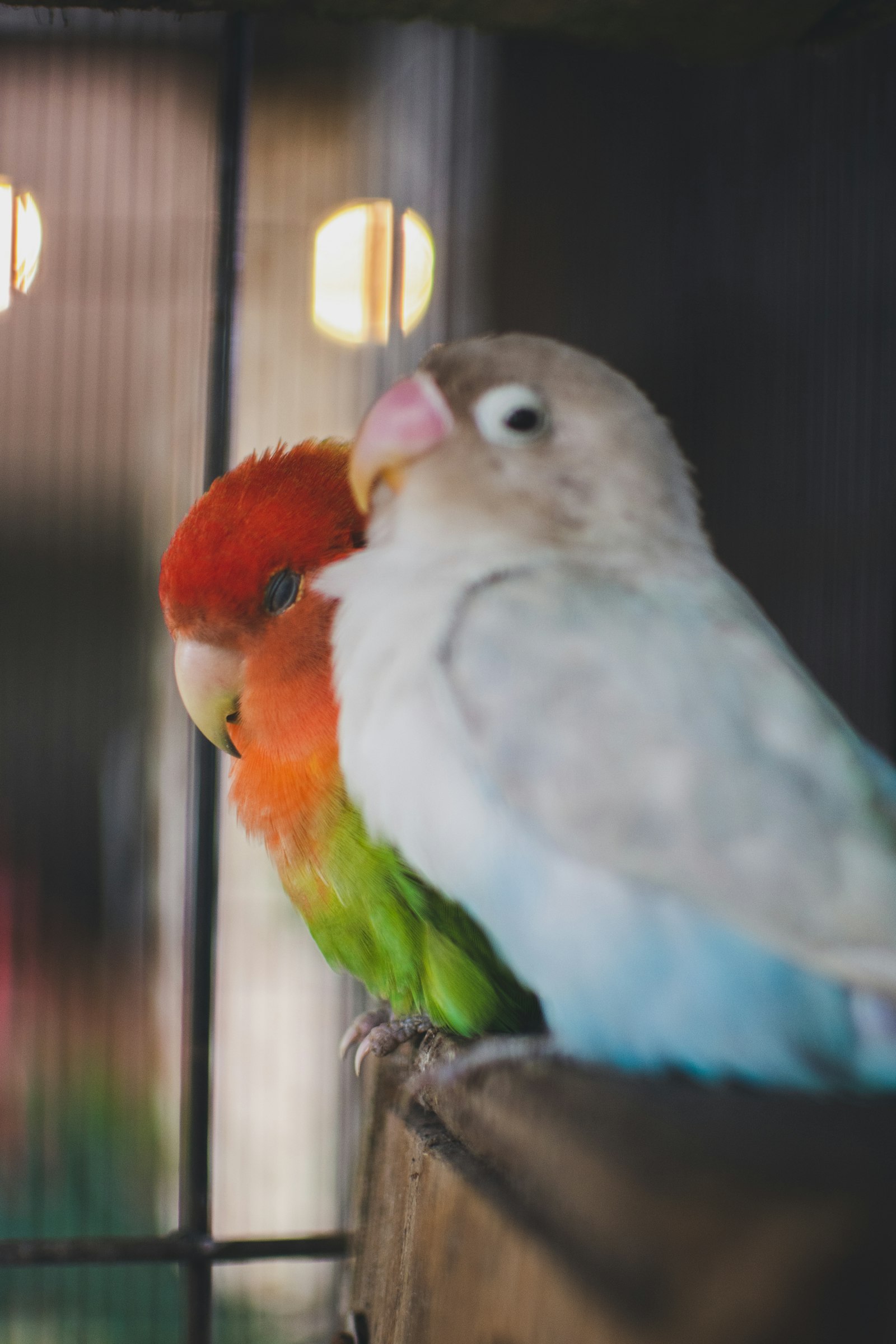
Lovebirds are active, energetic birds with specific nutritional needs. A proper lovebird diet supports their vibrant plumage, strong immunity, and bold personality. Understanding what to feed your lovebird is essential for their health and longevity.
Base Diet: Quality Pellets
A high-quality pelleted diet should form 60-70% of your lovebird's daily intake. Pellets provide balanced nutrition in every bite, preventing selective eating.
Choose pellets formulated for small parrots or lovebirds specifically. Look for no artificial colors, low fat (under 12%), and 14-16% protein. Offer 1.5-2 tablespoons daily.
Fresh Vegetables and Fruits
Fresh vegetables should make up 20-25% of the diet:
- Dark leafy greens — Kale, spinach (moderation), dandelion greens, romaine
- Orange vegetables — Carrot, sweet potato (cooked), pumpkin
- Other vegetables — Broccoli, zucchini, bell peppers, peas
- Fruits (moderation) — Apple (no seeds), banana, berries, melon. Limit to 5%
Remove uneaten fresh food after 2-3 hours.
Seed Management
Seeds should be treats, not the main diet. Limit to 10-15% of total intake. Use millet spray as training rewards. Avoid high-fat seeds like sunflower.
[warning]A seed-only diet leads to obesity, fatty liver disease, and vitamin deficiencies. Transition gradually to pellets if your lovebird currently eats only seeds.
Foods to Avoid
- Avocado — Highly toxic
- Chocolate — Contains theobromine
- Caffeine — Cardiac arrhythmia
- Onion and garlic — Red blood cell damage
- Salt — Dehydration and kidney damage
- Apple seeds — Cyanide compounds
Supplements
Always provide a cuttlebone for calcium. Fresh water should be changed at least twice daily. Most lovebirds on a balanced diet do not need additional supplements.
Proper nutrition keeps your lovebird colorful, energetic, and healthy for 10-15 years or more.