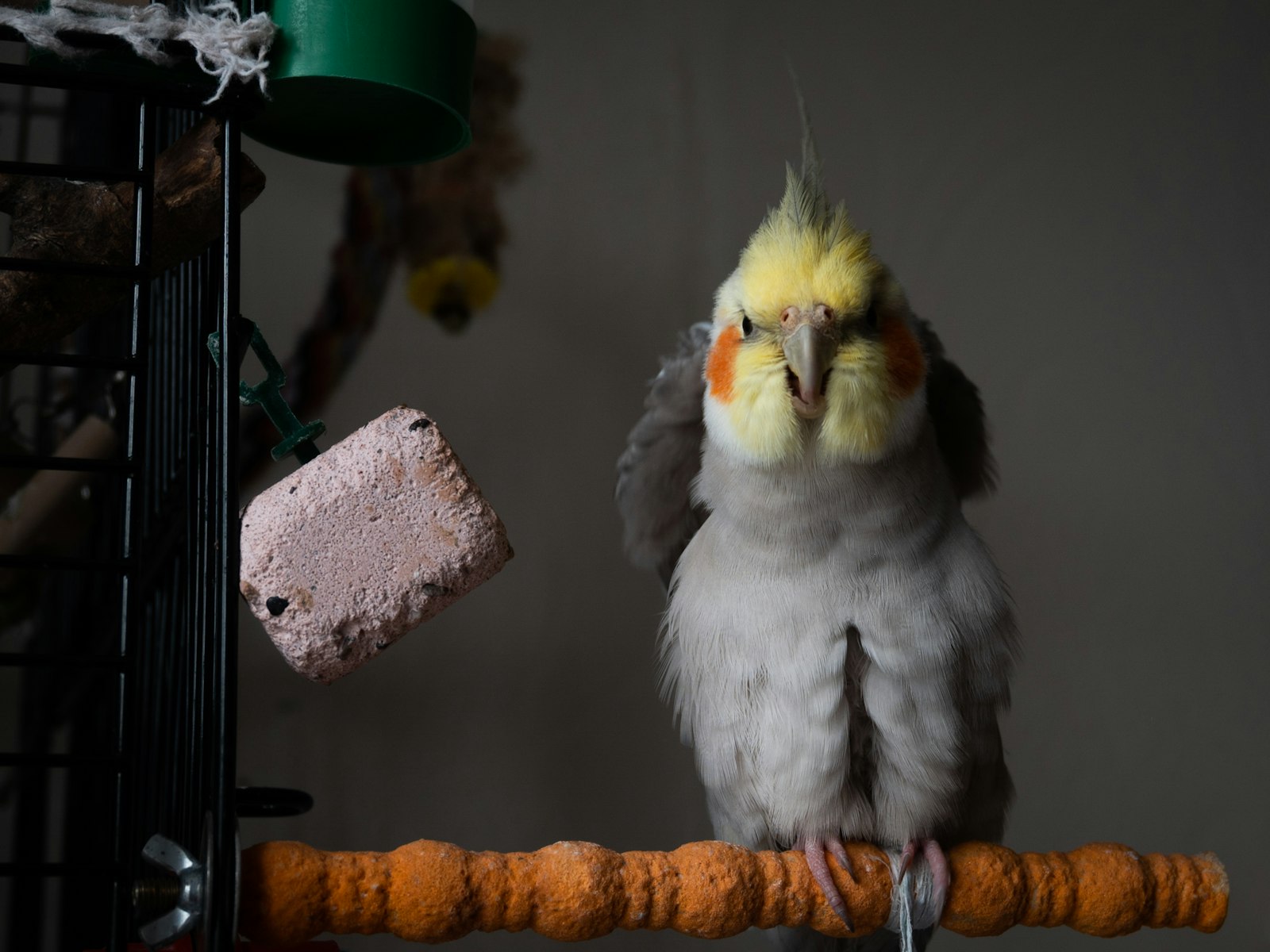
The Cockatiel is a hardy, adaptable bird with a lifespan of 15-25 years when properly cared for. However, like all pets, they are prone to specific health concerns that owners should monitor proactively. Cockatiels hide illness instinctively — by the time symptoms are visible, the bird may be seriously unwell.
Respiratory Infections
Respiratory infections are among the most common health problems in cockatiels. They can be caused by bacteria, fungi, viruses, or environmental irritants. Cockatiels' respiratory systems are highly sensitive to airborne toxins.
Symptoms include:
- Sneezing — Occasional sneezing is normal; frequent sneezing indicates a problem
- Nasal discharge — Clear or colored discharge from nostrils
- Labored breathing — Open-mouth breathing or tail bobbing with each breath
- Wheezing — Audible breathing sounds
- Lethargy — Reduced activity and fluffed feathers
Prevention focuses on air quality. Never use Teflon-coated cookware near birds. Avoid aerosol sprays, scented candles, and cigarette smoke. Keep the environment well-ventilated and clean. If respiratory symptoms appear, consult an avian veterinarian immediately — respiratory issues can progress rapidly.
Egg Binding in Females
Egg binding (dystocia) is a life-threatening emergency in female cockatiels. It occurs when an egg becomes stuck in the reproductive tract and cannot be passed naturally.
Symptoms include:
- Straining — Visible effort to pass an egg without success
- Lethargy — Sitting on the cage floor, fluffed feathers
- Swollen abdomen — Visible distension near the vent
- Difficulty breathing — The egg presses on the lungs
Prevention strategies:
- Adequate calcium — Always provide a cuttlebone. Calcium deficiency is the primary cause
- Proper nutrition — Pellet-based diet with fresh vegetables
- Avoid chronic egg laying — Remove nesting materials and limit light exposure if your female lays repeatedly
- Regular vet checkups — Annual exams can identify risk factors early
[warning]Egg binding is a veterinary emergency. If your female cockatiel shows signs of straining or lethargy, seek immediate veterinary care. Without treatment, egg binding can be fatal within hours.
Fatty Liver Disease
Hepatic lipidosis (fatty liver disease) is common in overweight cockatiels, especially those on seed-heavy diets. The liver accumulates fat, impairing its function and eventually leading to liver failure.
Symptoms include obesity, lethargy, overgrown beak and nails, yellow-green droppings, and sudden death. Prevention includes a pellet-based diet, regular exercise, and maintaining a healthy weight.
Night Frights
Night frights are sudden panic episodes that occur in the dark. Cockatiels thrash around the cage, potentially injuring themselves — breaking blood feathers, damaging their crest, or causing bleeding.
Night frights are thought to be an instinctive response to perceived predator threats. They are more common in cockatiels than other parrot species.
Prevention:
- Night light — A dim night light near the cage helps cockatiels orient themselves if they wake suddenly
- Cover the cage — A light cage cover provides a sense of security
- Reduce shadows — Remove objects that cast moving shadows near the cage
- Check for predators — Ensure cats, rodents, or insects cannot approach the cage at night
Feather and Skin Issues
Cockatiels produce powder down — fine dust particles that keep feathers waterproof and conditioned. Excessive powder down can cause respiratory irritation in sensitive owners. Regular bathing helps manage dust levels.
Feather problems to watch for:
- Feather plucking — Often caused by stress, boredom, nutritional deficiency, or medical issues
- Blood feathers — New growing feathers with a blood supply. If broken, they bleed profusely. Apply styptic powder and consult a vet
- French molt — Abnormal feather loss or failure to regrow. May indicate viral infection or nutritional deficiency
Preventive Care
Follow this health monitoring routine:
- Daily observation — Check feathers, breathing, droppings, activity level
- Weekly weighing — Normal weight is 3-4 ounces (80-120 grams)
- Annual vet visit — Wellness exam with an avian veterinarian
- Cage hygiene — Clean cage, perches, and dishes regularly
Cockatiels are generally healthy, hardy birds whose health concerns are manageable with proactive care. A balanced diet, clean environment, and regular monitoring ensure your cockatiel thrives for 15-25 years or more.