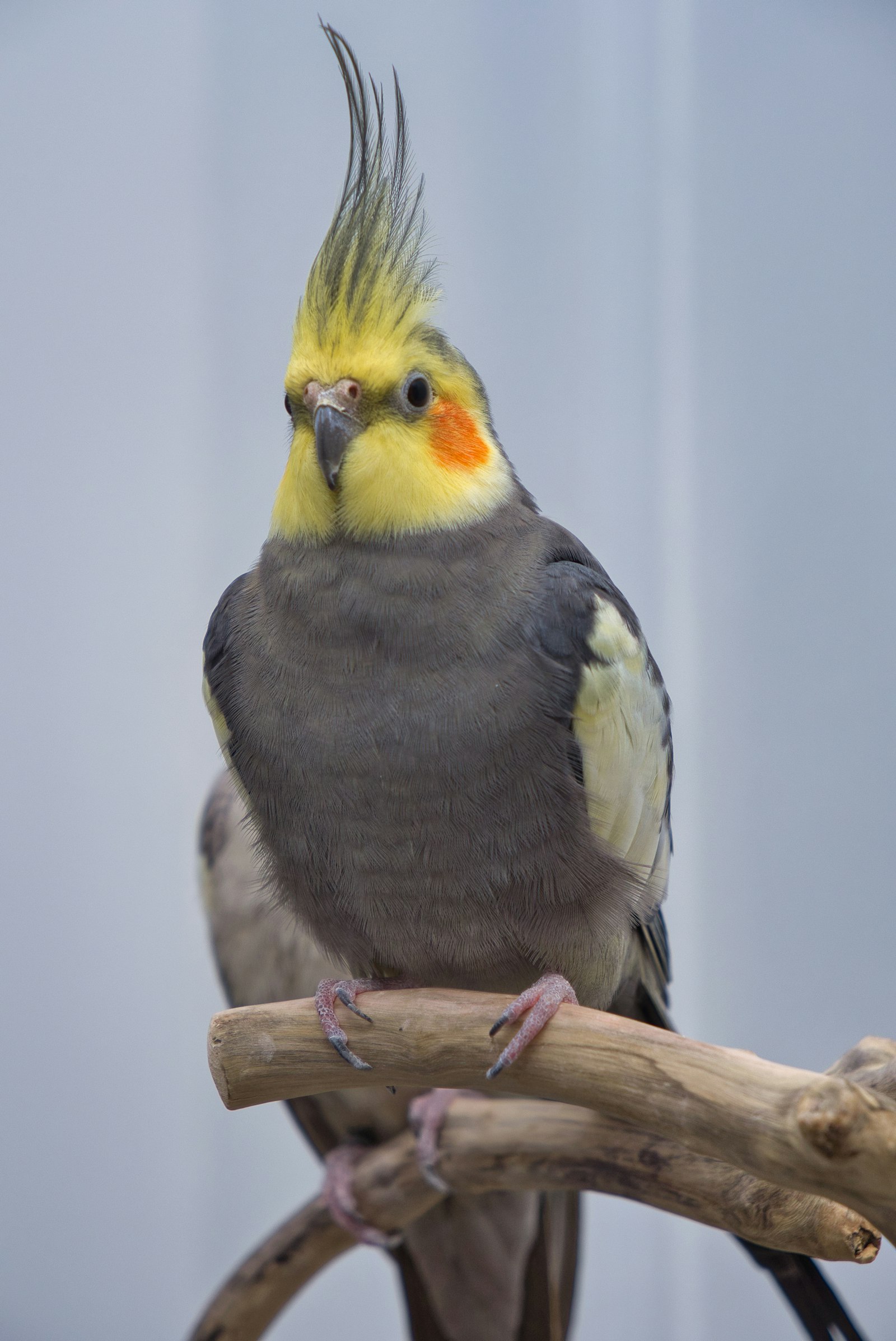
Proper nutrition is the foundation of your cockatiel's health. A well-fed cockatiel has vibrant plumage, strong immunity, consistent energy, and a lifespan of 15-25 years or more. Unfortunately, many cockatiels are fed an inappropriate diet of all-seeds, leading to obesity, vitamin deficiencies, and shortened lifespans.
Base Diet: High-Quality Pellets
A high-quality pelleted diet should form 60-70% of your cockatiel's daily food intake. Pellets are nutritionally complete — each bite provides balanced vitamins, minerals, protein, and carbohydrates. This eliminates the selective eating problem that occurs with seed mixes.
Recommended pellet features:
- Small pellet size — Cockatiel-specific or small parrot pellets
- No artificial colors — Natural ingredients without synthetic dyes
- Low fat — Less than 12% fat content to prevent obesity
- High protein — 14-16% protein for maintenance
Offer approximately 1.5-2 tablespoons of pellets daily. Replace uneaten pellets each morning to ensure freshness.
Fresh Vegetables and Fruits
Fresh vegetables should make up 20-25% of your cockatiel's diet. They provide essential vitamins, minerals, and enrichment:
- Dark leafy greens — Kale, spinach (in moderation), dandelion greens, Swiss chard, romaine
- Orange vegetables — Carrot, sweet potato (cooked), pumpkin, butternut squash
- Other vegetables — Broccoli, zucchini, bell peppers, peas, corn, green beans
- Fruits (moderation) — Apple (no seeds), banana, berries, melon, papaya. Limit to 5% due to sugar
Offer fresh food daily in a separate dish. Remove uneaten fresh food after 2-3 hours to prevent bacterial growth.
Seed Management
Seeds should be treated as treats, not the main diet. A seed-only diet is one of the most common causes of health problems in cockatiels. Seeds are high in fat and low in essential vitamins.
If using seeds:
- Limit to 10-15% of total daily intake
- Use as training rewards — Millet spray is an excellent training motivator
- Choose healthy seeds — Oat groats, canary seed, and small amounts of sunflower
- Avoid high-fat seeds — Limit sunflower and safflower seeds
[warning]A seed-only diet leads to obesity, fatty liver disease, vitamin A deficiency, and shortened lifespan. If your cockatiel currently eats only seeds, transition gradually to pellets over 2-4 weeks by mixing increasing amounts of pellets with decreasing seeds.
Foods to Avoid
Several common foods are toxic to cockatiels:
- Avocado — Highly toxic. Even small amounts can cause heart failure
- Chocolate — Contains theobromine, toxic to birds
- Caffeine — Coffee, tea, soda cause cardiac arrhythmia
- Onion and garlic — Can cause digestive upset and red blood cell damage
- Salt — Excessive salt causes dehydration and kidney damage
- Apple seeds and fruit pits — Contain cyanide compounds
- Xylitol — Artificial sweetener found in sugar-free gum and candy
Supplements and Water
Most cockatiels on a balanced pellet diet do not need additional supplements. However:
- Cuttlebone — Always provide. Essential calcium source, especially for females
- Vitamin drops — During molt or if diet is inadequate
- Fresh water — Changed at least twice daily. Cockatiels often dunk food in water, contaminating it quickly
Proper nutrition is the key to a long, vibrant life. A balanced diet of pellets, fresh vegetables, and limited seeds keeps your cockatiel healthy, colorful, and whistling happily for decades.