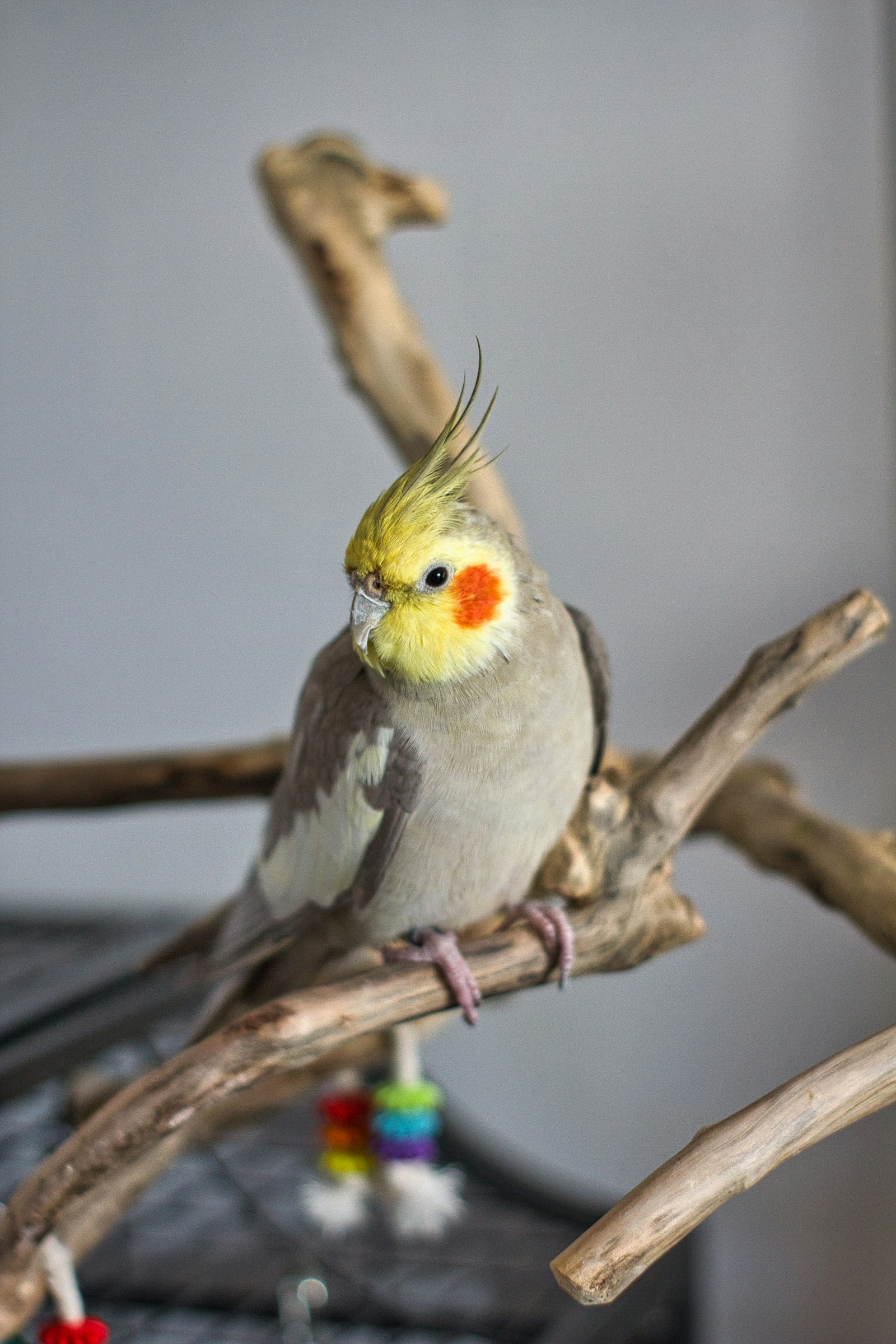
The Cockatiel is the world's most popular pet parrot — and for good reason. These charming, crest-headed birds are affectionate, musical, and relatively easy to care for. Whether you are a first-time bird owner or an experienced parrot enthusiast, understanding proper cockatiel care is essential for ensuring your feathered friend thrives.
Cage Setup and Environment
Your cockatiel's cage is their home base. Choose a spacious cage — minimum 24 inches wide by 18 inches deep by 24 inches tall. Larger is always better, especially if your cockatiel spends significant time inside while you are away.
Essential cage setup includes:
- Multiple perches — Varying diameters and textures (natural wood branches are ideal). Place perches at different heights to encourage climbing and exercise
- Food and water dishes — 3 dishes: pellets, fresh food, and water. Stainless steel or ceramic preferred for easy cleaning
- Cuttlebone — Essential calcium source, especially for females
- Toys — Foraging toys, shreddable toys, bells, and mirrors. Rotate toys weekly to prevent boredom
- Cage liner — Newspaper or paper towels for easy daily cleaning
Place the cage in a social area of your home at eye level or higher. Cockatiels are social birds who want to be near their family. Keep the cage away from the kitchen (Teflon fumes are deadly), drafty windows, and direct sunlight.
Daily Routine
Cockatiels thrive on consistent daily routines. A structured day helps them feel secure and promotes healthy behavior.
- Morning — Remove cage cover, fresh food and water, cage liner change, morning interaction time
- Midday — Fresh vegetables, out-of-cage exercise time (2-3 hours total), training or play session
- Evening — Second food check, quiet wind-down time, cover cage for 10-12 hours of sleep
Cockatiels need 10-12 hours of uninterrupted sleep in a dark, quiet environment. Sleep deprivation leads to irritability, screaming, and weakened immune function.
Socialization and Interaction
Cockatiels are highly social birds that form strong bonds with their human family. They need 2-3 hours of daily interaction outside the cage. Without adequate socialization, cockatiels can become depressed, feather-destructive, or excessively vocal.
Interaction activities include:
- Shoulder time — Cockatiels love riding on shoulders and being near their owner's face
- Head scratches — Most cockatiels enjoy gentle head and neck petting, especially around the crest
- Training sessions — Short 5-10 minute sessions teaching tricks, step-up, or whistling
- Play time — Interactive toys, foraging games, and supervised exploration of bird-safe rooms
[tip]If you work during the day, consider getting two cockatiels so they can keep each other company. A bonded pair will still bond with you but will be less distressed during your absence.
Safety Considerations
Cockatiels are curious and vulnerable to household dangers. Essential safety rules:
- No Teflon/non-stick cookware — Overheated Teflon releases fumes that are instantly fatal to birds
- No aerosols — Air fresheners, hairspray, and cleaning sprays cause respiratory distress
- No scented candles — Use unscented alternatives or bird-safe diffusers
- Cover mirrors and windows — Cockatiels can fly into glass and mirrors at full speed
- Supervise all out-of-cage time — Ceiling fans, open toilets, and other pets are hazards
[warning]Cockatiels are small and fragile. Even a brief exposure to Teflon fumes, aerosol sprays, or cigarette smoke can be fatal. Maintain a strictly clean, well-ventilated environment at all times.
Health Monitoring
Like all birds, cockatiels hide illness until they are seriously unwell. Regular monitoring is essential:
- Daily observation — Check for fluffed feathers, discharge, labored breathing, changes in droppings
- Weekly weighing — Normal weight is 3-4 ounces (80-120 grams). Sudden weight loss is a critical warning sign
- Annual vet visits — See an avian veterinarian for wellness exams and preventive screening
Cockatiel care is rewarding and manageable. With proper cage setup, daily interaction, a balanced diet, and routine health monitoring, your cockatiel will be a happy, whistling companion for 15-25 years or more.