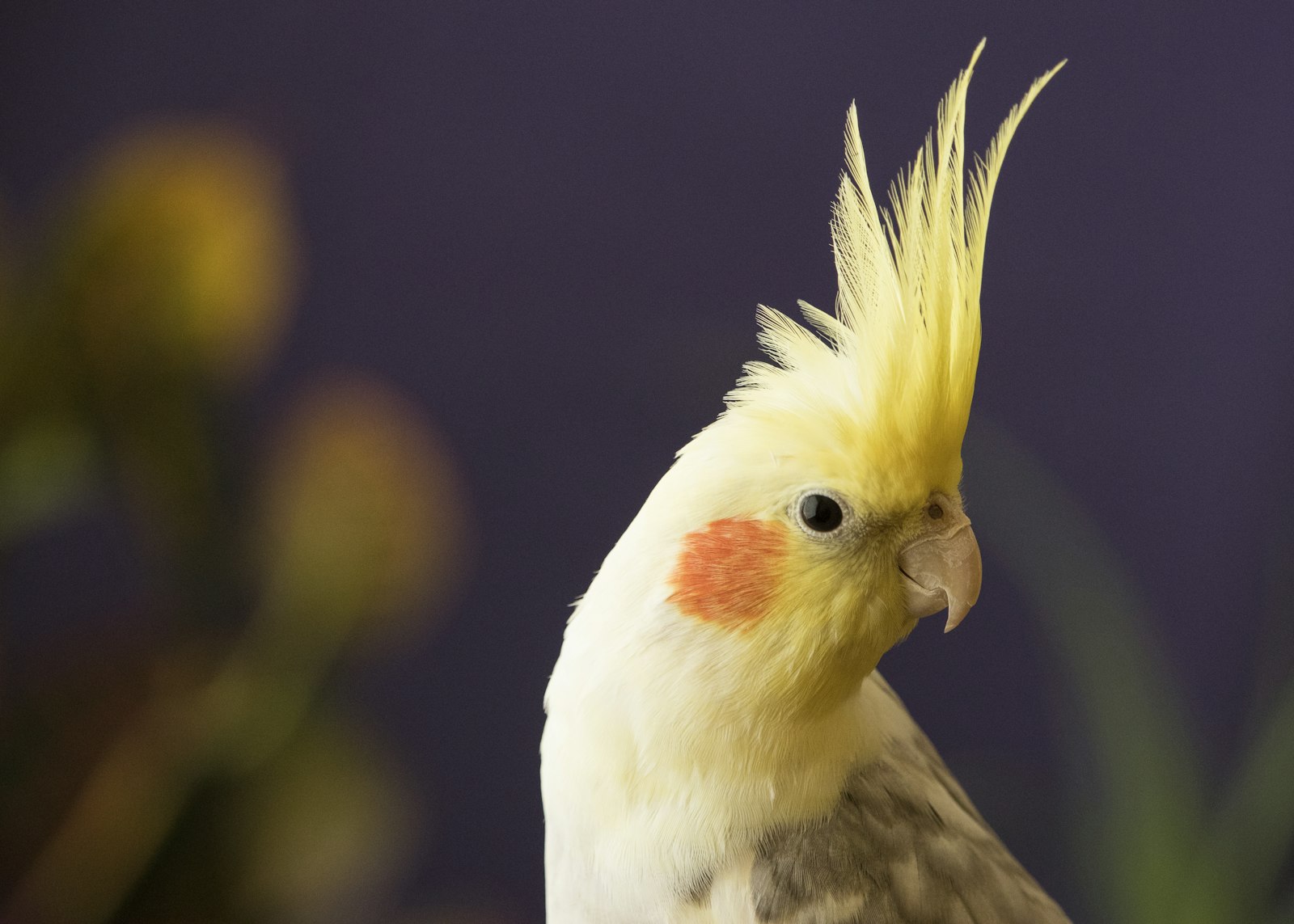
Cockatiels are naturally clean birds who spend a significant portion of their day preening. However, responsible owners need to support their grooming routine with regular bathing, nail care, and feather maintenance. Proper grooming keeps your cockatiel comfortable, healthy, and looking their best.
Regular Bathing
Cockatiels enjoy bathing and should be offered bathing opportunities regularly. Bathing removes dust, keeps feathers clean and flexible, and provides enrichment.
Bathing methods:
- Shallow dish — Provide a shallow ceramic dish with 1-2 inches of lukewarm water. Many cockatiels love splashing in a dish
- Mist spraying — Use a clean spray bottle with lukewarm water. Mist gently above the bird, not directly in the face. Many cockatiels enjoy a gentle shower
- Shower perch — A specialized perch that attaches to your shower head. Let your cockatiel join you in the shower (no soap near them)
- Frequency — 2-3 times weekly. Daily is fine during warm weather or molt
[tip]If your cockatiel is hesitant about bathing, try placing a shallow dish in their cage and letting them discover it on their own. Some prefer a dish, others prefer mist. Experiment to find their preference.
Managing Powder Down
Like all cockatoos, cockatiels produce powder down — fine dust particles from specialized feathers that keep their plumage waterproof and conditioned. This is natural and healthy for the bird, but can affect owners with allergies or respiratory sensitivities.
Managing powder down:
- Regular bathing — The most effective way to reduce dust. Bathing removes loose powder and keeps feathers healthy
- Air purifier — A HEPA air purifier near the cage helps reduce airborne dust
- Regular cleaning — Vacuum and dust the area around the cage frequently
- Hand washing — Wash hands after handling your cockatiel, especially before touching your face
Nail Trimming
Cockatiel nails grow continuously and may need trimming if they become overgrown. Overlong nails can catch on fabrics, cause discomfort, and affect perching.
Nail care strategies:
- Natural branch perches — Varying diameters and textures help wear nails naturally
- Concrete perches — Sandpaper or concrete perch covers file nails during normal perching
- Manual trimming — Use small bird nail clippers. Avoid the quick (blood vessel inside the nail). Have styptic powder ready in case of bleeding
[warning]If you are uncomfortable trimming your cockatiel's nails, have an avian veterinarian handle it. Cutting the quick is painful and can bleed significantly. It is better to have a professional do it than risk injury.
Feather Care
Cockatiels spend 30-40% of their waking hours preening. This natural behavior distributes preen oil across all feathers. Support healthy preening:
- Clean environment — A dirty cage leads to dirty feathers. Clean weekly
- Proper humidity — Maintain 40-60% humidity. Very dry air makes feathers brittle
- No feather sprays — Never apply products to feathers. These interfere with natural preening
- Blood feathers — New growing feathers have a blood supply. If broken, they bleed profusely. Apply styptic powder to the base and consult a vet
Beak Care
Cockatiel beaks grow continuously and normally wear through eating and preening. Provide a cuttlebone and mineral block for natural beak wear. If the beak becomes overgrown or misaligned, consult an avian vet — never trim it yourself.
Regular grooming keeps your cockatiel comfortable and healthy. Make bathing, nail care, and feather maintenance part of your routine. A well-groomed cockatiel displays vibrant plumage, perches confidently, and enjoys a higher quality of life.