Reptile heating and lighting equipment should be selected as a connected system, not a collection of impressive labels. A lamp, fixture, thermostat, probe, enclosure, and room all influence the result. This buying guide compares functions and procurement checks rather than brands, prices, or purported product tests. Start with the conditions your chosen species needs, then buy equipment capable of producing and verifying them.
Write a species-specific equipment brief
List the habitat's required daytime air gradient, relevant basking surface conditions, overnight conditions, lighting schedule, and UVB provision separately. A supplier cannot make a reliable recommendation from the word reptile alone. Include enclosure dimensions, material, ventilation, and typical room conditions when requesting advice.
The five common choices lead to different design priorities:
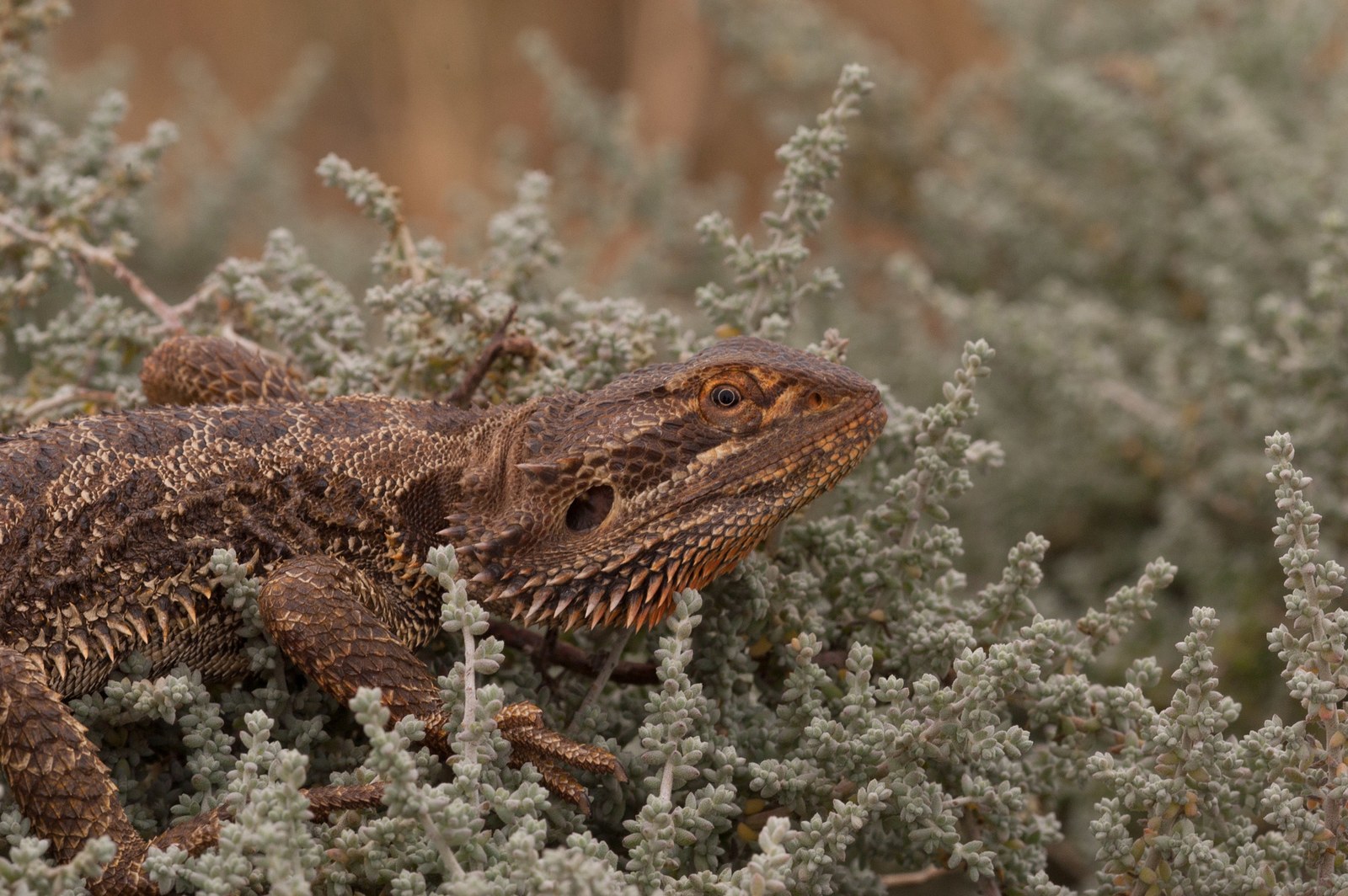
- Bearded dragon: suitable daytime basking and UVB coverage over a usable area, with access to cooler shelter.
- Leopard gecko: a ground-level thermal gradient, cover, and appropriately planned UVB rather than copying a dragon's installation.
- Crested gecko: a vertically structured habitat with careful overheating prevention and safe conditions along climbing routes.
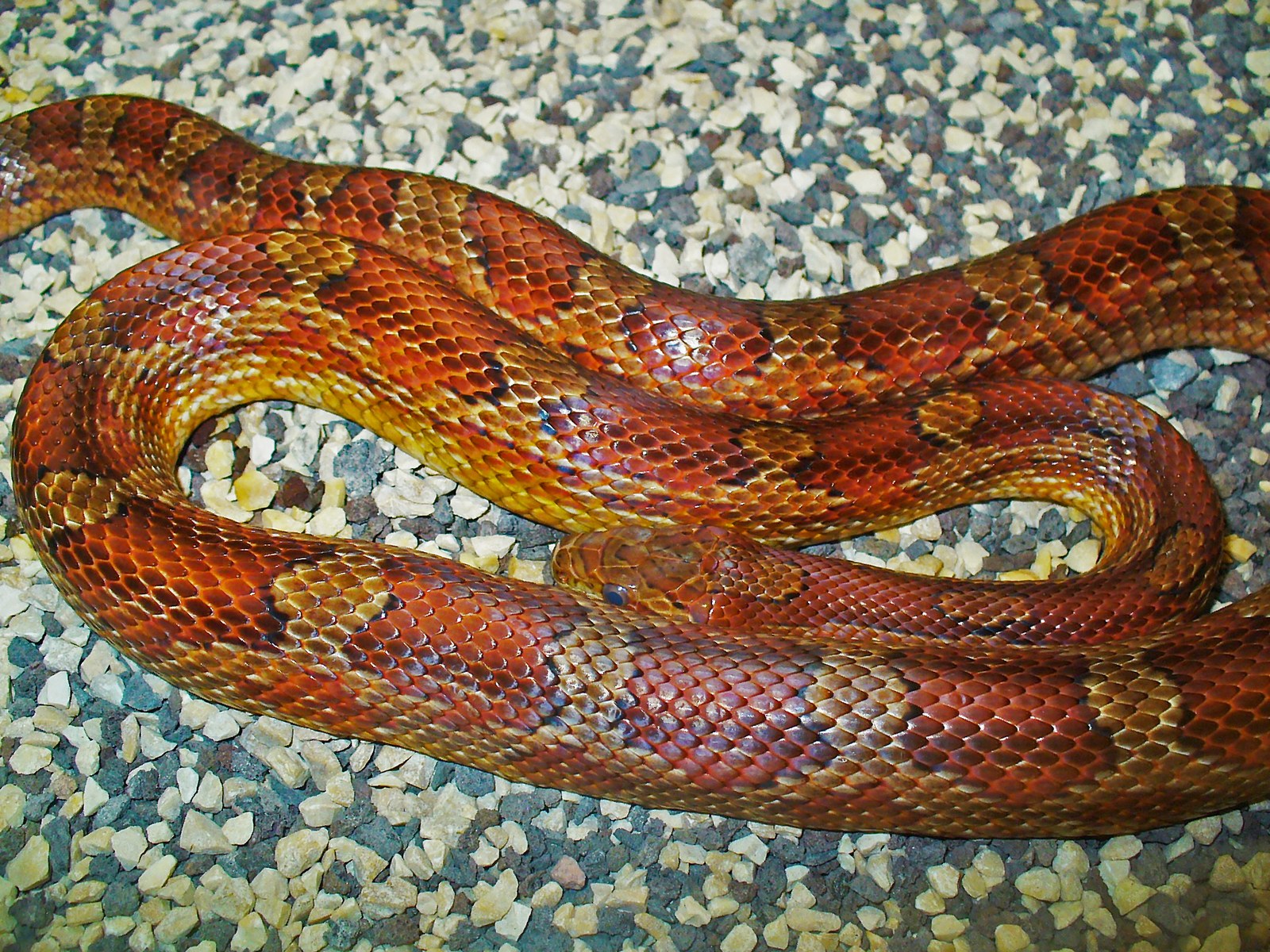
- Corn snake: useful environmental variation across an enclosure containing cover and climbing opportunities.
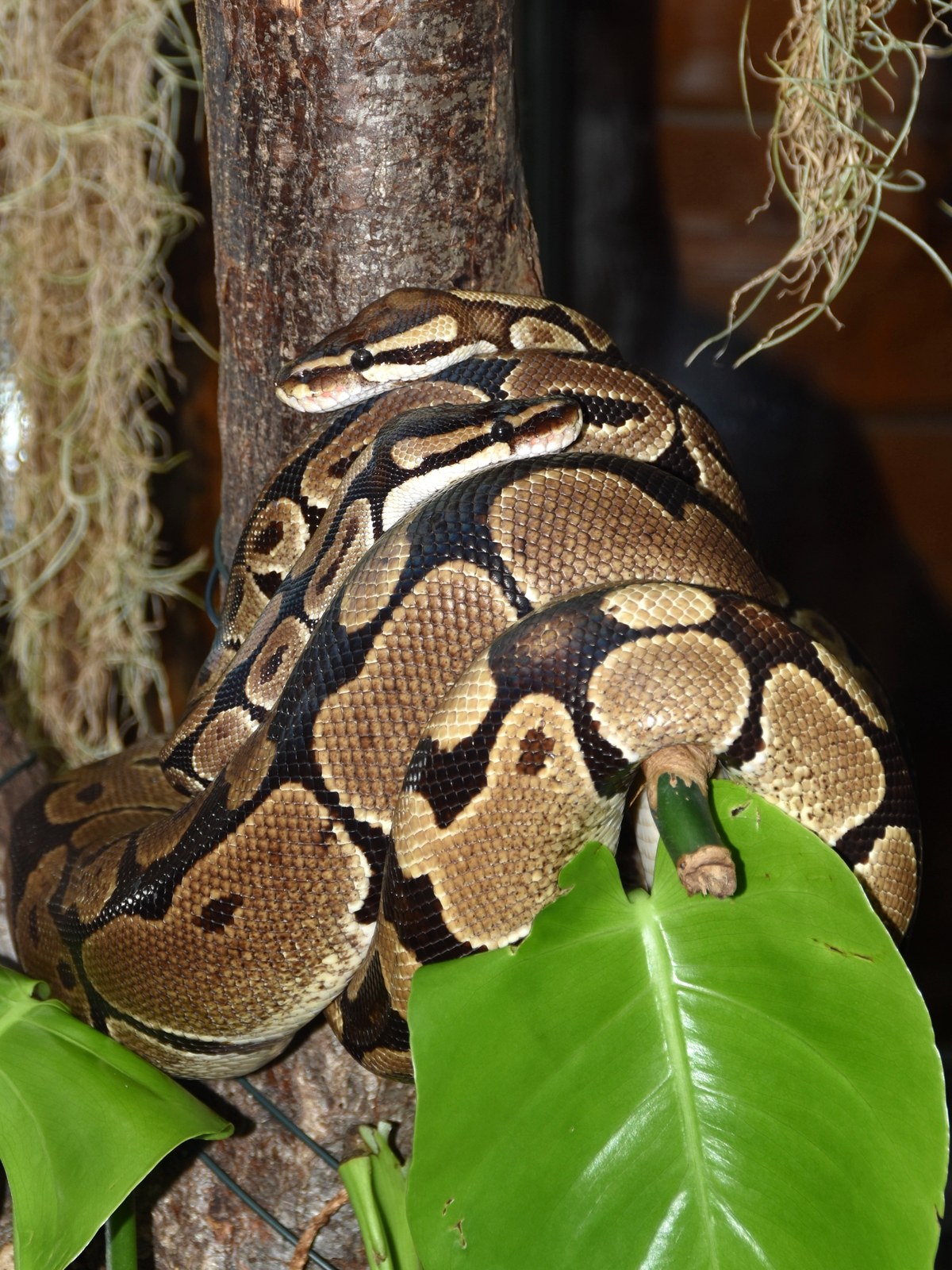
- Ball python: stable, controlled warmth with secure retreats and humidity management considered alongside ventilation.
Buy to the installed result, not a universal bulb wattage or one temperature printed on a starter-kit box.
Compare heating formats by their limitations
A basking lamp provides radiant heat and visible light together. Check beam coverage, fixture compatibility, clearances, and whether its light suits the intended operating period. A bright daytime source is not a solution for overnight heating, and a narrow hot spot may fail to warm a larger animal appropriately.
Non-light-emitting heaters can provide heat without illuminating the enclosure, but they still require compatible control, secure mounting, and protection from contact. Their heat distribution differs from a basking lamp, so purchasing one does not automatically reproduce the same conditions.
Heat mats warm through contact with surfaces and have placement and ventilation restrictions. They may not produce the required air gradient, especially in some taller installations. Evaluate their suitability for the specific enclosure instead of treating them as a universal primary heater.
For every option, inspect the manufacturer's approved mounting orientation, fixture rating, guard requirements, and permitted enclosure materials. Avoid heated rocks. If nighttime heat is needed, use an appropriate controlled source without colored night lighting that disrupts darkness.
Match the thermostat to the heater
A thermostat responds to its probe reading and controls the heater. A thermometer only measures conditions, and a timer only controls a schedule. None of these functions automatically replaces the others.
Compare the controller's supported heater types, control method, electrical load rating, probe design, and behavior after a power interruption. Dimming control can suit compatible light-emitting heat sources; pulse or on/off control must only be used where both the controller and heater documentation permit it. Not every lamp can be dimmed or repeatedly switched.
Probe placement is part of the installation, not an afterthought. Follow the equipment instructions and secure the probe so the animal cannot shift or cover it in a way that causes unsafe output. Verify the accessible habitat independently after installation.
Assess UVB as a complete lighting installation
UVB provision depends on the animal's biology and how the lamp is installed. Compare lamp type, fixture and reflector, illuminated area, mounting distance, screening, and accessible shade. A UVB percentage on packaging does not tell you the exposure at the animal's back.
For a linear lamp, check that the usable light zone and shaded retreats fit the enclosure layout. For any concentrated source, examine whether the coverage creates an appropriate zone rather than a small area the animal cannot use safely. Heat output and UVB output are separate purchasing questions.
Glass and other barriers can substantially block useful UVB. Mesh can reduce it too, with effects depending on the material and installation. Use the manufacturer's guidance for the exact fixture and barrier arrangement, then verify suitable exposure with a reptile-appropriate UV Index meter when possible.
Place branches and platforms before final checks: adding a higher perch changes exposure. Follow replacement guidance and measured output rather than assuming a lamp still provides adequate UVB because it visibly lights up.
Choose instruments that answer different questions
Buy digital thermometers with probes suitable for the locations you need to monitor. Warm-side and cool-side air readings reveal a gradient that one central dial cannot describe. Check readability, measurement range, stated accuracy, probe security, and whether minimum and maximum readings are retained.
An infrared thermometer measures surfaces, not air. Compare its measurement spot size with the surface being checked, and follow instructions concerning distance and reflective materials. A tiny target read from too far away may include surrounding surfaces and give a misleading result.
A hygrometer helps track relative humidity, including daily variation where relevant. Check placement and moisture exposure limits; a sensor repeatedly soaked by misting may not represent the surrounding air accurately. A UV Index meter measures a different property again and cannot be replaced by an ordinary light meter.
Commission the system and plan replacements
Test the complete furnished enclosure before adding the reptile. Check daytime operation, nighttime operation, room temperature changes, and equipment restart behavior. Do not simulate dangerous failures with an animal present. Keep operating instructions and record the final mounting positions and measured results.
Use a procurement checklist before accepting the setup:
- Every heater has appropriate compatible control and safe installation.
- Fixtures, cables, and electrical protection suit the location and local requirements.
- The animal can reach suitable warmth while retaining access to shade and retreat.
- Independent instruments confirm relevant conditions at animal level.
- Replacement lamps and compatible spare components can be sourced reliably.
Recheck after changing substrate depth, moving decor, replacing lamps, or adjusting ventilation. Seasonal room changes also matter, especially for crested geckos in warm homes. The best equipment purchase is a system you can measure, maintain, and explain to a backup caregiver.
Continue reading: Essential Products Reptile Owners Need: A Practical Checklist.
Sources and further reading:
- Caring for reptiles and other exotic pets — RSPCA
- Management and Husbandry of Reptiles — MSD Veterinary Manual
- Reptiles and Amphibians — CDC Healthy Pets, Healthy People
- How To Care For a Leopard Gecko — RSPCA
- Caring for your Crested Gecko — RSPCA
Photo credits: H. Zell (CC BY-SA 3.0 Unported), NasserHalaweh (CC BY-SA 4.0 International), Rolf Lawrenz (CC BY 4.0 International). Images resized and compressed for web display. Each image retains its linked license. The ball python photograph shows two animals in a zoo display, not a recommended home-housing arrangement. House pet ball pythons individually.


