A beginner's guide to reptiles should start before the animal comes home. Your main job is to maintain an environment in which a reptile can choose warmth, shade, shelter, and appropriate activity. That is different from simply providing a cage and food. Build a repeatable routine first, then choose an animal whose needs you can meet consistently.
Understand which reptile you are preparing for
Reptiles are ectotherms: their surroundings strongly influence body temperature and normal functions such as digestion. They are not interchangeable pets. This guide compares central bearded dragons, leopard geckos, crested geckos, corn snakes, and ball pythons, also called royal pythons. These are alternative choices, not enclosure companions.
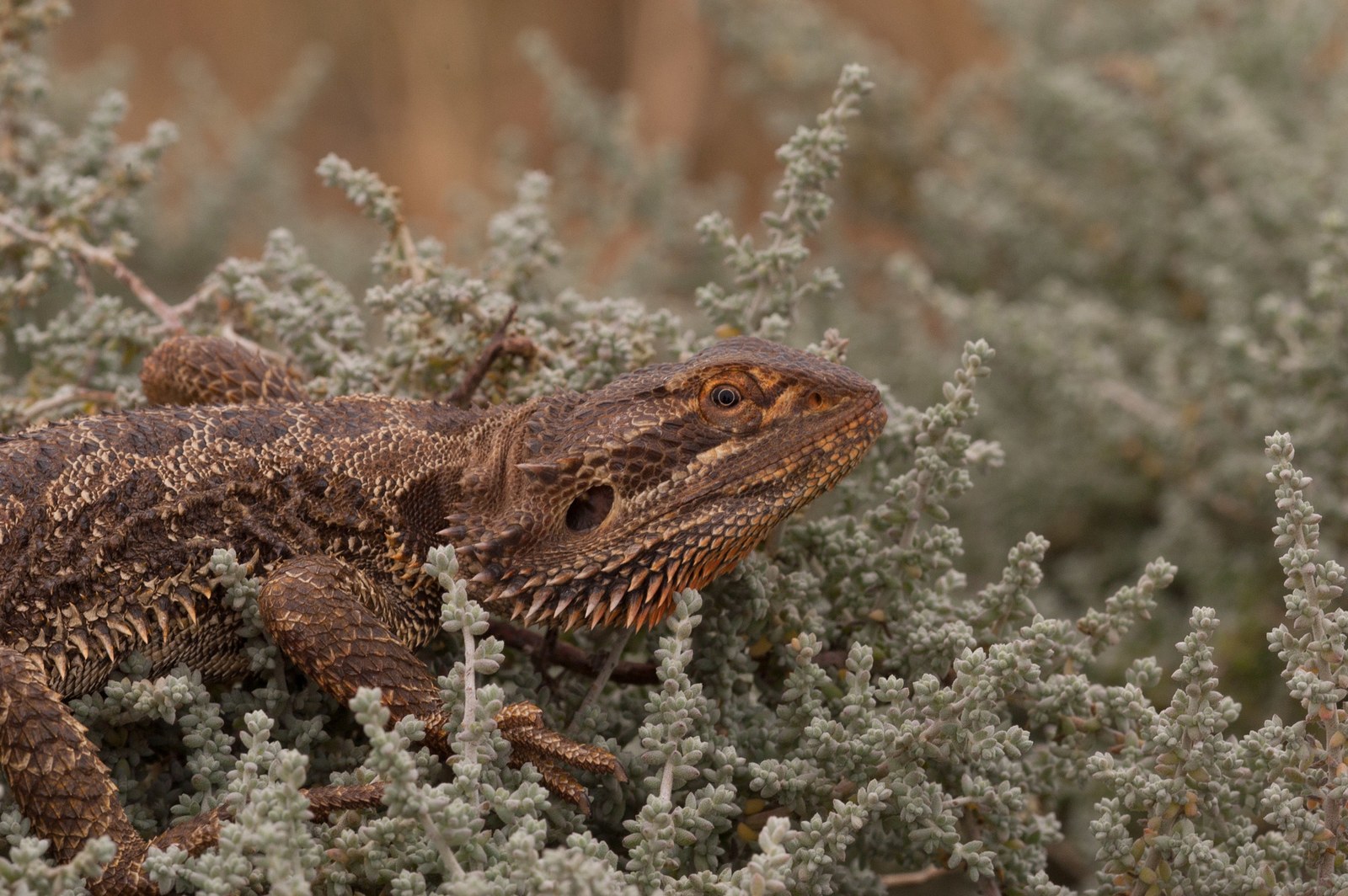
- Bearded dragon: a daytime lizard needing substantial usable floor space, basking opportunities, appropriate UVB, insects, and plant foods in proportions suited to its life stage.
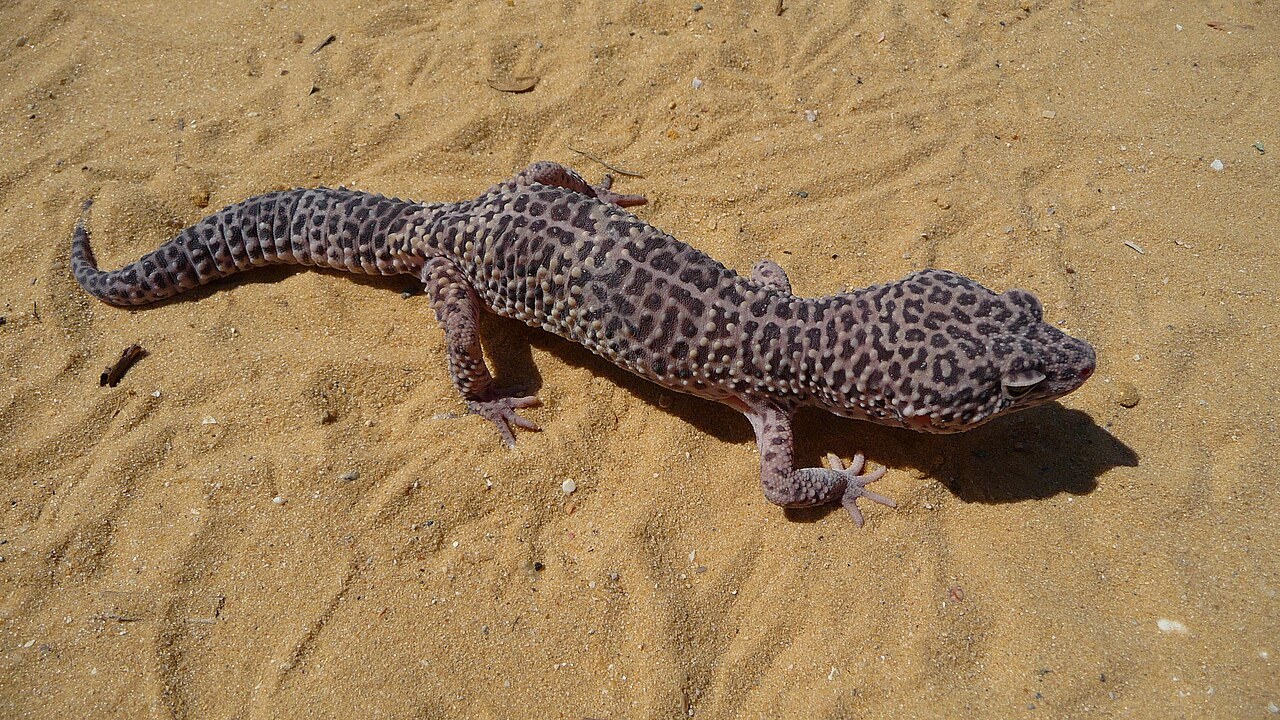
- Leopard gecko: a mainly evening or nighttime insect eater needing ground-level cover, a thermal gradient, and a humid hide within an otherwise appropriately managed enclosure.
- Crested gecko: a climbing lizard needing usable height, foliage, appropriate humidity variation, and particular attention to avoiding overheating.
- Corn snake: an active explorer needing secure housing, cover, climbing opportunities, and appropriately sized whole prey.
- Ball python: a snake needing secure retreats, suitable humidity, whole prey, and careful interpretation of appetite changes.
Choose the species before purchasing equipment. A tall planted enclosure and a broad basking enclosure solve different problems.
Build and test the habitat before collection
Make a written habitat plan using a current species care guide. Record daytime warm and cool air conditions, the relevant basking surface, overnight conditions, humidity patterns, and lighting requirements separately. There is no useful single temperature for all five species, and a surface reading cannot substitute for an air reading.
Fit compatible thermostatic control to heat sources and prevent contact burns with suitable guards and placement. Use independent thermometers to verify conditions, rather than assuming the thermostat display describes the whole habitat. Position hides and cover so the animal can retreat without abandoning every suitable temperature zone.
Run the finished enclosure through complete day and night cycles before collection. Repeat checks after moving a lamp, adding a climbing branch, or adjusting ventilation. Check the room during warm weather too: switching off a heater cannot cool an already overheated room.
Organize food around the species and life stage
A feeding plan should specify the food, preparation method, portion guidance, and review schedule. It should also explain how age and body condition change the plan. Avoid copying an adult animal's feeding routine for a growing juvenile.
Bearded dragons need both suitable vegetation and insects, with the balance changing as they mature. Leopard geckos need appropriately sized feeder insects; maintain those insects well and follow a species-specific gut-loading and supplementation plan. A bowl of dried insects is not an equivalent replacement for a planned diet.
For crested geckos, distinguish a properly formulated complete diet from fruit treats or supplement powders, and discuss suitable insects and variety with your reptile veterinarian. Fruit alone is not a balanced feeding program. Corn snakes and ball pythons ordinarily receive appropriately sized, fully thawed, pre-killed whole prey. Keep preparation equipment separate from human food utensils.
Coordinate calcium, vitamin D3, and UVB rather than adding overlapping supplements at random. Supply clean water and remove spoiled food promptly.
Make arrival quiet and predictable
Arrange collection only after confirming the animal's recent feeding history, current diet, and any known health concerns. Ask the seller or rescue for written records rather than relying on a claim that the reptile is easy to keep. Locate a veterinarian who actually sees that species before an emergency develops.
Transport the animal in a secure, ventilated carrier appropriate to its size and the weather. Plan the route, avoid unnecessary stops, and keep the carrier out of direct sun. The enclosure at home should already be operating normally.
During the initial settling period, prioritize observation over handling. Give the animal shelter, predictable lighting, and minimal disturbance. Record food offered, food eaten, droppings, and activity without repeatedly rearranging its surroundings. A hidden animal may be using its shelter normally; that does not mean it needs to be brought out for entertainment.
If you already keep reptiles, use separate accommodation and equipment for the newcomer and agree a quarantine plan with your veterinarian.

Turn daily checks into a short care routine
Make observations at consistent times, including when your species is normally active. An evening check tells you more about a leopard gecko than repeatedly disturbing it at midday. Compare observations with the individual's baseline, not an internet video of another animal.
- Confirm lights and controllers are operating and inspect accessible temperature readings.
- Check fresh water, humidity conditions, and the state of moist areas or hides.
- Remove waste and spoiled food, then inspect doors, locks, and cable openings.
- Observe posture, movement, breathing, and visible skin without forcing an examination.
- Record meals and unusual changes, and follow the feeding plan rather than automatically feeding every day.
Review growth and body condition with veterinary guidance, using consistent weighing methods when weighing is appropriate. Keep notes useful: the date, what changed, and measured conditions are more informative than writing that the animal seemed strange.
Plan for a safe household and long-term care
Reptile ownership includes electricity, replacement lighting, food, veterinary care, and help during holidays. Prepare a written handover explaining equipment controls, feeding, cleaning, and emergency contacts. Ask a potential sitter to demonstrate the routine before you leave.
Keep other pets away from the enclosure and provide a calm location where doors can be opened safely. Maintain a transport plan and an emergency fund. Reptiles can be rewarding animals to observe and care for, but none of these five species is a maintenance-free decoration. A stable, species-specific routine is the foundation of a good first year.
Continue reading: Reptile Health Essentials: Daily Checks and Veterinary Care.
Sources and further reading:
- Caring for reptiles and other exotic pets — RSPCA
- Management and Husbandry of Reptiles — MSD Veterinary Manual
- Reptiles and Amphibians — CDC Healthy Pets, Healthy People
- How To Care For a Leopard Gecko — RSPCA
- Caring for your Crested Gecko — RSPCA
Photo credits: Rolf Lawrenz (CC BY 4.0 International), George Chernilevsky (Public domain (copyright holder release; PD-self, not CC0)), Lennart Hudel (CC BY 4.0 International). Images resized and compressed for web display. Each image retains its linked license.


