Essential reptile products should make correct care easier, not simply fill an enclosure. Start with safe housing, environmental control, shelter, food preparation, and cleaning, then add items that support natural behavior. This guide compares useful specifications and buying checks without brand endorsements or price claims. A good shopping list changes with the species and the animal's adult size.
Choose an enclosure that works when fully furnished
Compare usable internal dimensions, door access, ventilation, secure closures, and compatibility with the intended heating and lighting. Enclosure volume alone cannot tell you whether a reptile can move, hide, climb, or choose suitable conditions. Check the manufacturer's installation requirements before buying a stand or drilling any fittings.
Match the layout to the five common species:
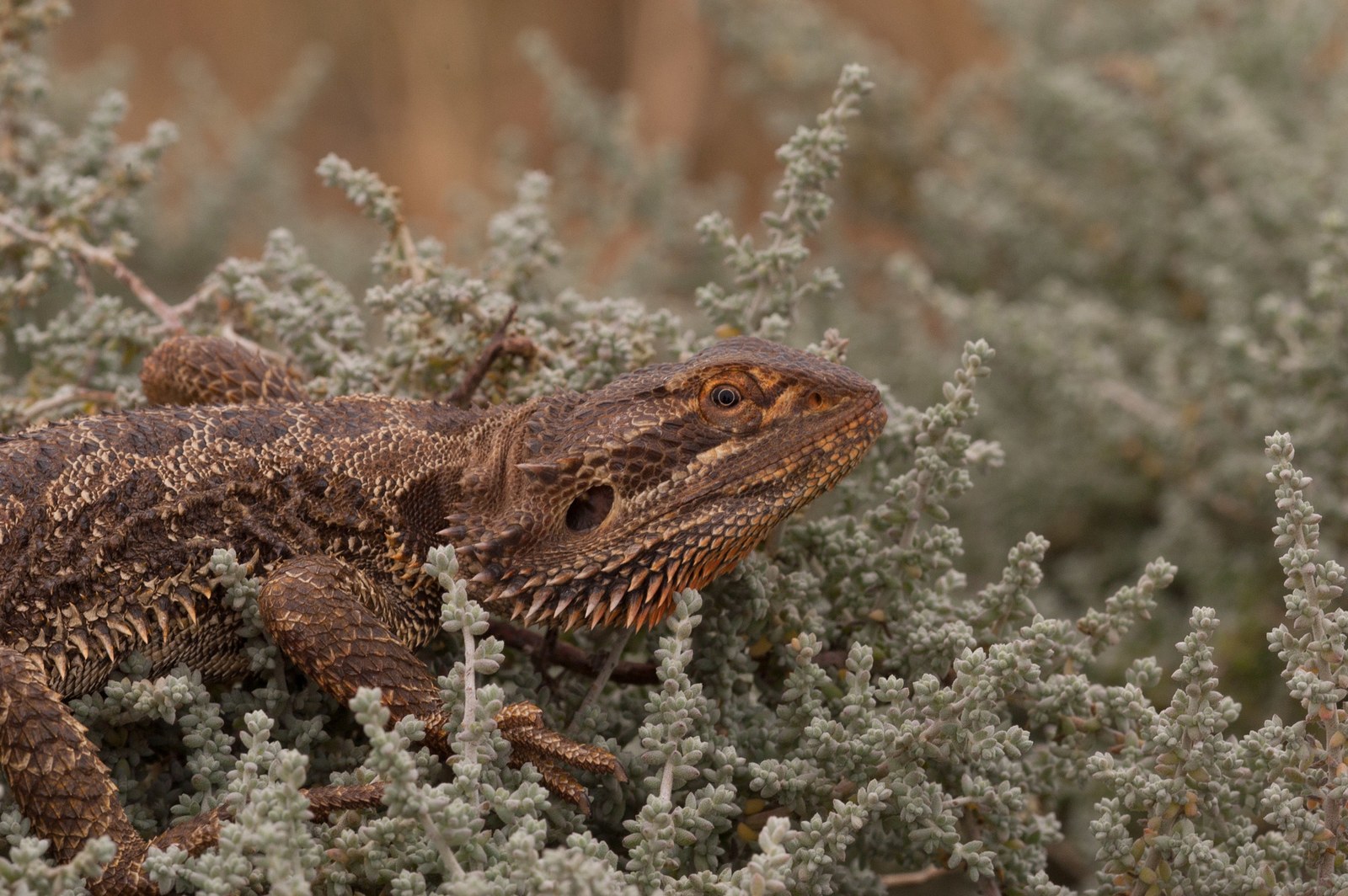
- Bearded dragon: substantial floor area, accessible basking space, and enough room for retreat away from the warmest area.
- Leopard gecko: useful ground-level space with secure shelters and an appropriate humid hide.
- Crested gecko: usable height, supported climbing routes, foliage, and ventilation compatible with humidity management.
- Corn snake: secure gaps and doors, room to explore, and stable climbing and hiding structures.
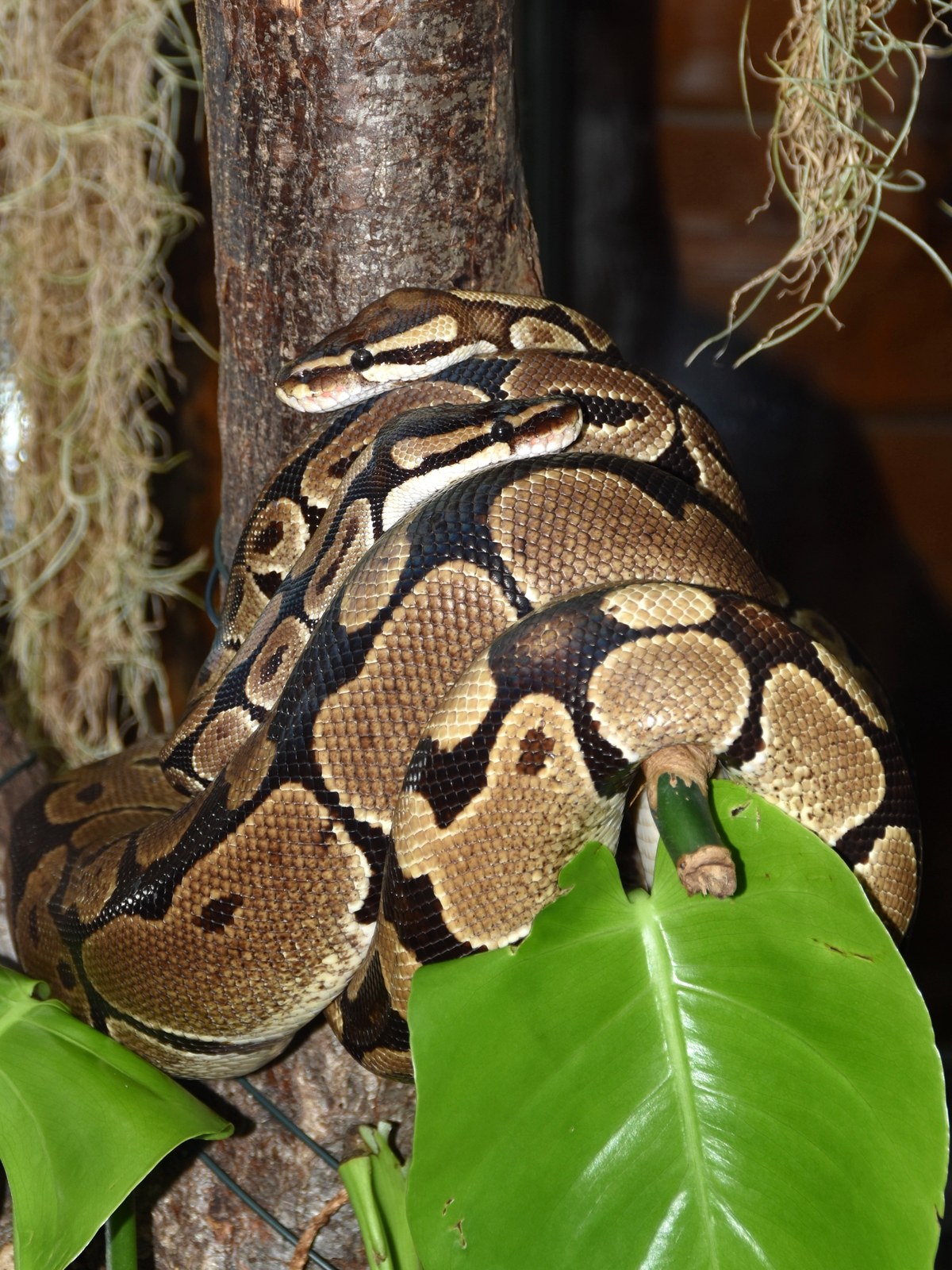
- Ball python: suitably sized secure retreats, useful movement space, and enclosure construction that supports the required humidity without stagnation.
Inspect cable ports and lid fittings as carefully as the main door. Confirm the enclosure can be cleaned without dismantling every essential fixture or leaving escape routes open.
Buy shelter and substrate for function
A hide should provide genuine cover while allowing safe entry and exit. Compare internal space, opening size, stability, smooth edges, and cleanability. Multiple appropriately placed retreats let an animal choose conditions without becoming exposed whenever it changes location.
For climbing species, select branches and platforms that support the animal securely. Crested geckos need usable routes rather than one decorative vertical stick; corn snakes also benefit from stable climbing opportunities. Secure heavy decor so digging or movement cannot undermine it, and check that added height does not create unsafe access to lamps.
Substrate selection depends on species, life stage, enclosure conditions, hygiene, and health. Compare dust, moisture behavior, ingestion concerns, and how readily waste can be located. A moist-hide filling is not automatically suitable as flooring throughout a leopard gecko enclosure.
Simple disposable lining can make observations easier during a veterinarian-advised quarantine period. More elaborate naturalistic or bioactive systems may be appropriate later, but they still require monitoring and waste management. Do not buy them as a substitute for learning basic husbandry.
Assemble food and water equipment around the diet
Buy stable, cleanable water containers that the animal can use safely. Check how easily you can remove and refill them without spilling water into electrical equipment or leaving doors unsecured. An elevated feeding station may suit a crested gecko, whereas other species need accessible ground-level placement.
For insect-eating lizards, plan feeder accommodation, ventilation, suitable feeder food, and tools that let you offer insects without crushing them. Store calcium and other supplements according to their labels, and avoid buying multiple overlapping products before establishing a coordinated feeding plan.
Bearded dragon owners also need dedicated equipment for preparing appropriate vegetables. Crested gecko owners should distinguish complete species-formulated foods from treats and measure and mix them according to instructions. Remove uneaten food before it deteriorates.
Corn snake and ball python supplies include secure storage and dedicated preparation tools for frozen, pre-killed whole prey. Label these items clearly and keep them separate from human food utensils. Buy food in quantities you can store and use safely rather than prioritizing the largest package.
Make cleaning and monitoring easy to repeat
A practical cleaning kit includes dedicated waste-removal tools, washable containers, disposable supplies where appropriate, and a suitable disinfectant with clear instructions. Compare surface compatibility, required contact time, rinsing requirements, ventilation needs, and safe storage. Cleaning removes debris; disinfection is a separate step when indicated.
Ask your veterinarian about the correct approach for quarantine or known disease. Some organisms require specific products and procedures, so a general-purpose reptile label is not proof that a disinfectant solves every problem. Never mix cleaning chemicals.
Independent thermometers, appropriate humidity monitoring, and a care log are essentials, not decorative extras. A suitable scale can help track an animal's condition when used at an appropriate frequency. Choose a stable weighing container and a scale suited to the animal's size, then record results consistently rather than reacting to every minor fluctuation.

Prepare transport and equipment contingencies
Purchase a secure, ventilated transport container before you need a veterinary visit. Compare closure strength, escape resistance, size, cleanability, and the ability to provide suitable lining. A display enclosure is usually awkward and unsafe to move with all its furnishings and the animal inside.
Plan transport around the species, weather, journey length, and veterinary advice. Keep the container away from direct sun and avoid unmonitored heat sources. Store veterinary contacts, care records, and basic instructions where another adult can find them quickly.
For equipment failures, identify which compatible replacement components you can keep and which need a supplier. Record the exact fixture, controller, and lamp specifications instead of relying on a vague shopping description. Check whether a planned backup power device actually supports the equipment and operating period you need.
Do not improvise a hot container during an outage. A species-specific emergency plan should cover safe monitoring, suitable temporary accommodation if needed, and when to contact a veterinarian or move to a prepared location.
Buy in stages without postponing essentials
Separate your shopping list into required functions and optional upgrades. Essential heating, lighting, control, and measurement must be selected together and tested before the animal arrives. Attractive decor can wait if it does not provide necessary cover or climbing opportunities.
Use this final purchasing sequence:
- Confirm the species and adult enclosure plan.
- Buy housing, secure fittings, and the complete environmental system.
- Add required shelter, substrate, water, and feeding equipment.
- Prepare cleaning supplies, records, transport, and emergency contacts.
- Test the furnished habitat, then assess optional enrichment or automation.
Check accessibility and replacement availability before choosing proprietary accessories. A modest, complete, maintainable setup is more useful than a crowded collection of products that leaves a basic care need unmet.
Continue reading: Beginner's Guide to Reptiles: Plan Your First Weeks.
Sources and further reading:
- Caring for reptiles and other exotic pets — RSPCA
- Management and Husbandry of Reptiles — MSD Veterinary Manual
- Reptiles and Amphibians — CDC Healthy Pets, Healthy People
- How To Care For a Leopard Gecko — RSPCA
- Caring for your Crested Gecko — RSPCA
Photo credits: NasserHalaweh (CC BY-SA 4.0 International), Rolf Lawrenz (CC BY 4.0 International), George Chernilevsky (Public domain (copyright holder release; PD-self, not CC0)). Images resized and compressed for web display. Each image retains its linked license. The ball python photograph shows two animals in a zoo display, not a recommended home-housing arrangement. House pet ball pythons individually.


