Choosing your first reptile is a matching exercise, not a search for the animal with the fewest needs. The right choice fits your available space, feeding preferences, household, and willingness to maintain equipment. Compare central bearded dragons, leopard geckos, crested geckos, corn snakes, and ball pythons by the work involved, then evaluate the individual animal you may bring home.
Start with household limits rather than appearance
Write down your non-negotiables before browsing animals. How much adult enclosure space can you provide? Can you maintain a stable room environment through summer and winter? Who will manage daily checks when you travel? A striking color or small purchase size does not answer these questions.
Be realistic about food. Some people enjoy reptile observation but cannot manage feeder insects or store frozen whole prey safely. That is a valid reason to pause, not a reason to substitute an unsuitable diet. Try learning the feeding routine before committing.
Consider the household's health needs too. CDC guidance identifies young children, older adults, and people with weakened immune systems as higher-risk groups for reptile-associated infections. Children younger than five should not touch reptiles or their environments.
Finally, decide what kind of interaction you want. Reptiles can learn predictable routines, but none of these species should be chosen on a promise of cuddling or constant handling. Observation may be the most rewarding part of ownership.
Compare the three lizards by daily workload
Bearded dragons suit owners interested in a daytime animal with visible basking and feeding behavior. The practical commitments include substantial floor space, a carefully designed basking and UVB arrangement, suitable vegetables, and insects. Juvenile and adult feeding plans differ, so ask what the next growth stage will require.
Leopard geckos may appeal if you enjoy evening observation and can maintain feeder insects. Their ground-oriented habitat needs secure hides, an appropriate thermal gradient, and localized humidity. Smaller body size does not mean a bare box is sufficient, and daytime hiding should not be treated as a behavioral fault.
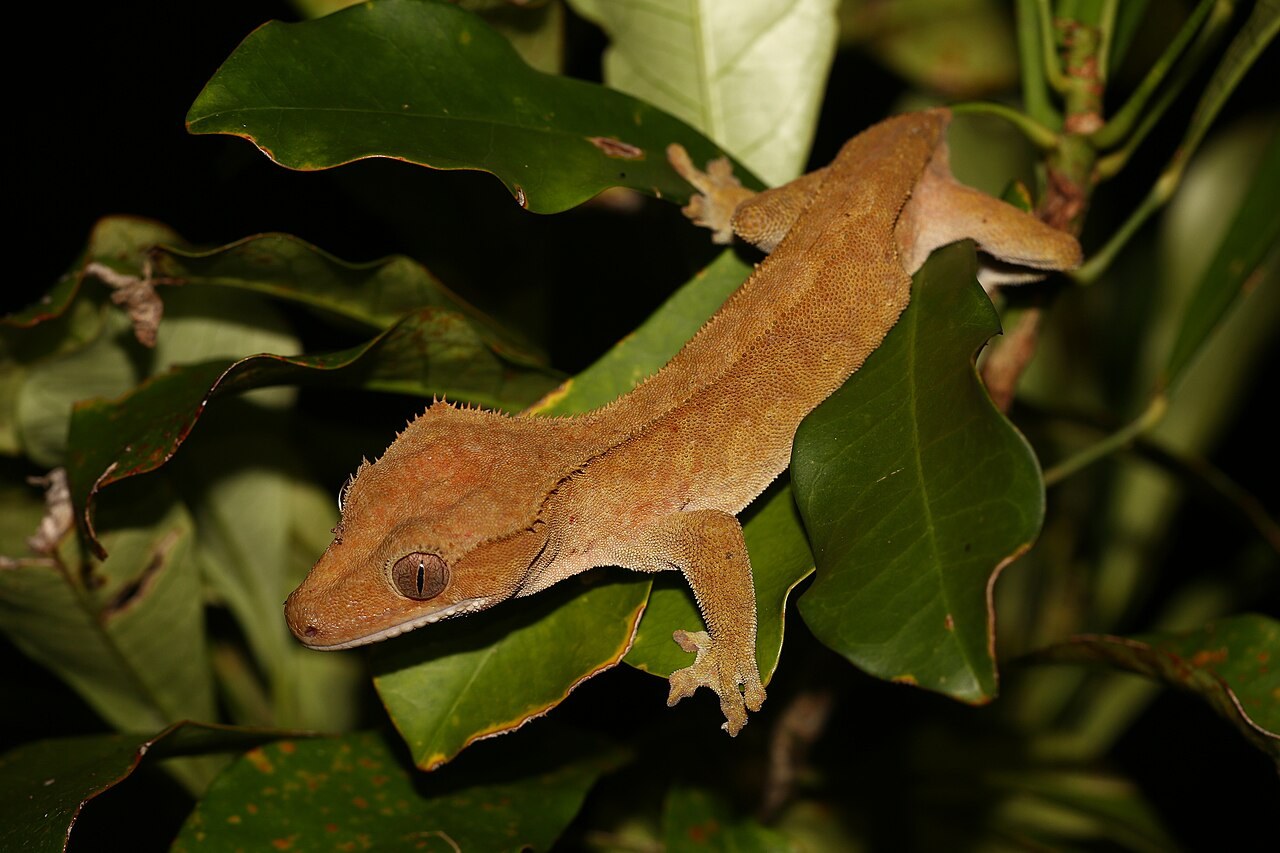
Crested geckos suit an owner who can provide usable vertical space, climbing routes, and foliage. Their care involves managing humidity variation, ventilation, food freshness, and overheating risk. Species-formulated diets require careful label reading; a fruit snack is not nutritionally interchangeable with balanced food.
All three need species-specific environmental plans. A bearded dragon's basking arrangement is not suitable evidence for how to heat either gecko, and leopard gecko and crested gecko humidity routines should not be copied between enclosures.
Compare corn snakes and ball pythons honestly
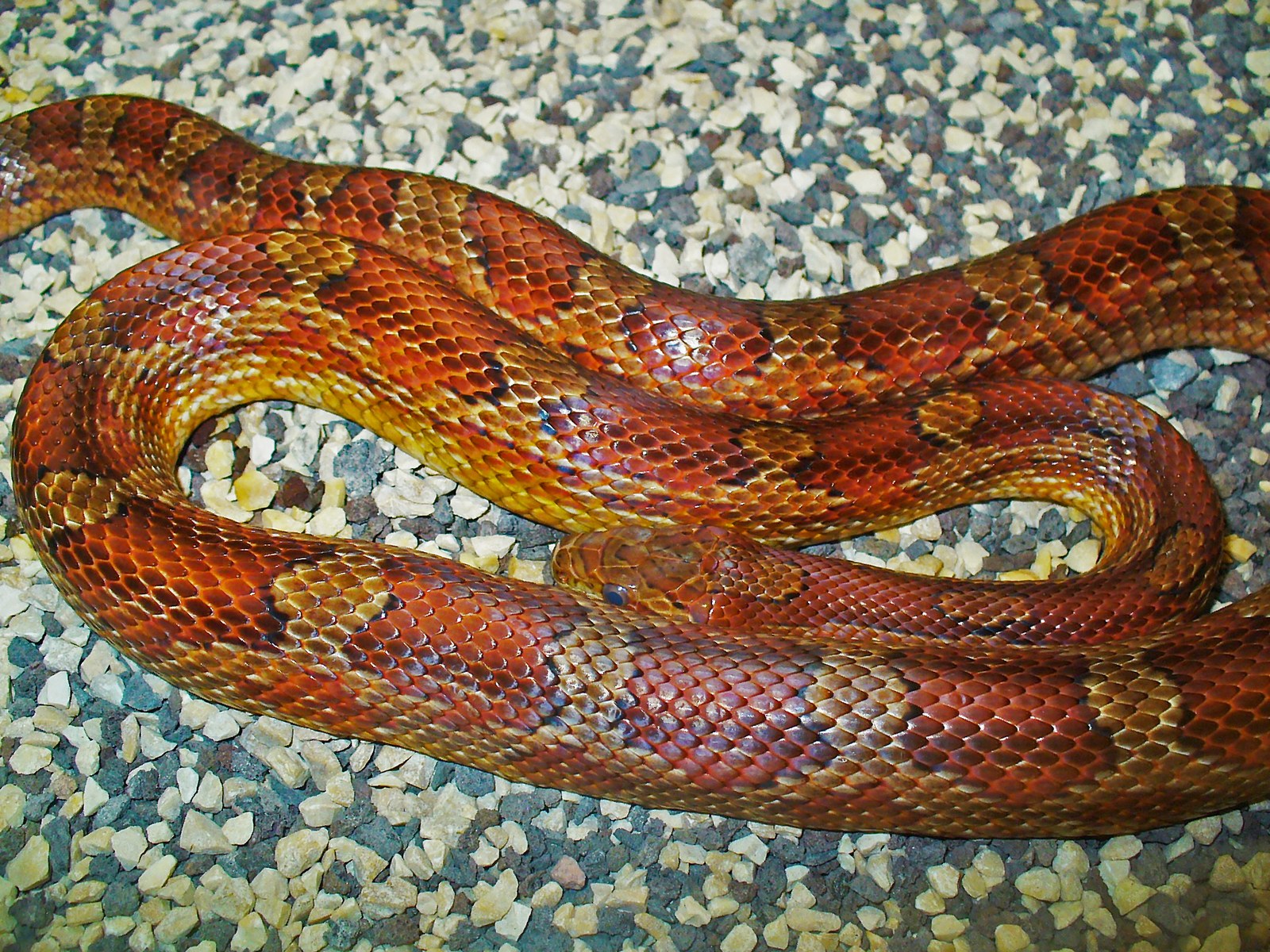
Corn snakes are active explorers that benefit from cover, suitable climbing opportunities, and enough usable space to move normally. Inspect door gaps, ventilation openings, and cable entries carefully. Their ability to use small escape routes makes enclosure security a continuing task, not a one-time purchase decision.
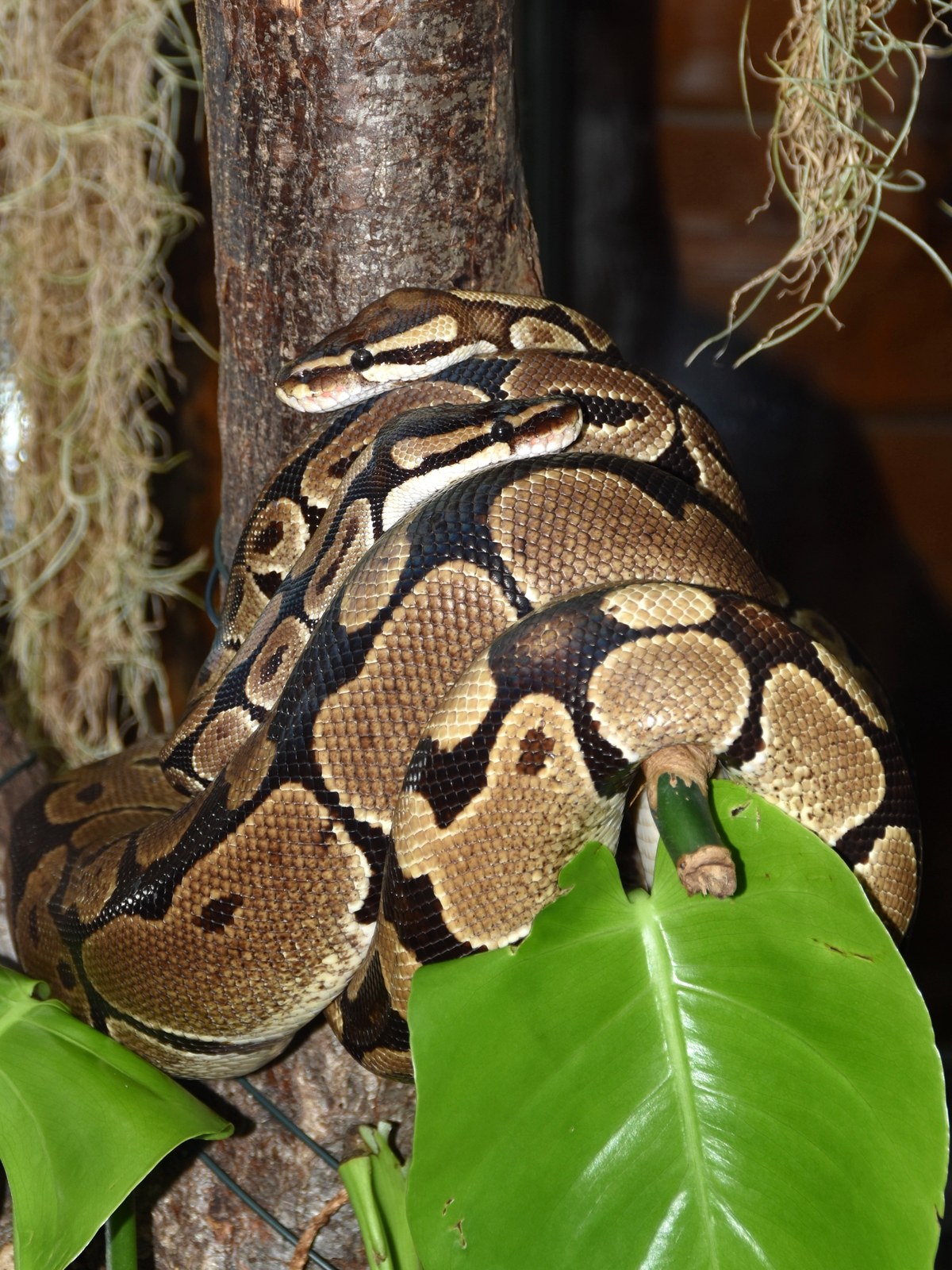
Ball pythons, also called royal pythons, need secure retreats and appropriately managed humidity. Their quieter presentation can appeal to owners, but apparent calmness is not proof that the environment is suitable. Ask for detailed feeding history and be prepared to track body condition if appetite changes.
Both snakes ordinarily eat appropriately sized, fully thawed, pre-killed whole prey. Decide in advance whether your household accepts that feeding and storage routine. Less frequent meals than many lizards need do not eliminate daily water, equipment, security, and health checks.
Neither snake should be selected solely because it is described as docile. Individual responses to contact vary. Plan brief, supported handling at appropriate times, rather than expecting any snake to remain comfortable during long social sessions.
Calculate the adult commitment before the purchase
Measure the space available for the finished adult enclosure, including door access, electrical clearances, and room to clean safely. Compare usable internal dimensions rather than relying only on an enclosure's volume. Floor area, height, and furnishing layout contribute differently for a climbing gecko and a ground-oriented lizard.
Build a budget in three parts:
- Initial setup: enclosure, secure fixtures, controls, measuring instruments, hides, food equipment, and transport.
- Recurring care: electricity, food, substrate or cleaning materials, replacement lighting, and routine veterinary visits.
- Contingencies: urgent veterinary care, equipment failure, holiday care, and future housing changes.
Check access to a reptile veterinarian before buying. A nearby clinic may not treat every reptile, and emergency coverage may be farther away than routine appointments.
These animals can require care for many years. Think beyond your current room or work schedule: moving home, changing shifts, or starting a family can affect whether the care arrangement remains realistic.
Evaluate the source and the individual animal
Consider a reputable rescue or a transparent captive-breeding source. Ask about the animal's origin, identification, approximate age, feeding history, shedding, medical care, and reason for sale or rehoming. Check applicable ownership or import rules, especially when an animal's background is unclear.
Useful questions are specific: What did it last eat? Was that meal confirmed eaten? Which foods has it accepted consistently? What equipment and environmental conditions has it been kept under? Are there records of recent weight changes or treatment?
Look for clear eyes, comfortable movement, and an environment that supports normal behavior, but remember that a visual inspection cannot certify health. Arrange an appropriate veterinary assessment after acquisition. An established animal with documented feeding can be a more understandable starting point than a very young animal with an uncertain history.
Use a final decision checklist
Narrow your choice to the species whose actual routine you can demonstrate. Visit or speak with experienced keepers or a rescue, and practice reading equipment instructions and food labels. Do not use someone else's successful enclosure as a substitute for measuring conditions in your own home.
Before agreeing to collect an animal, confirm that:
- The adult housing plan fits your space and expected future circumstances.
- You accept the complete diet and can source it reliably.
- Equipment is installed, guarded, controlled, and tested.
- A capable veterinarian and a backup caregiver are identified.
- Everyone understands handling boundaries and hygiene rules.
Waiting is a successful decision when the match is not right. A prepared home matters more than choosing the reptile that happens to be available today.
Continue reading: Reptile Heating and Lighting Equipment: A Buyer's Checklist.
Sources and further reading:
- Caring for reptiles and other exotic pets — RSPCA
- Management and Husbandry of Reptiles — MSD Veterinary Manual
- Reptiles and Amphibians — CDC Healthy Pets, Healthy People
- How To Care For a Leopard Gecko — RSPCA
- Caring for your Crested Gecko — RSPCA
Photo credits: Lennart Hudel (CC BY 4.0 International), H. Zell (CC BY-SA 3.0 Unported), NasserHalaweh (CC BY-SA 4.0 International). Images resized and compressed for web display. Each image retains its linked license. The ball python photograph shows two animals in a zoo display, not a recommended home-housing arrangement. House pet ball pythons individually.


