
Living with a German Shorthaired Pointer can mean enthusiastic outdoor companionship followed by an affectionate dog resting close by. It can also mean muddy floors, careful gate routines, and arranging help when work runs late. The important question is not whether the breed looks compatible with your ideal weekend, but whether your household can meet one dog's needs on an ordinary difficult Tuesday.
Choose the individual as well as the breed
Meet dogs in realistic circumstances and ask detailed questions about their daily routines. A breeder should discuss relatives, health screening, temperament, and the demands of the particular line rather than describing every puppy as equally suitable. A rescue can explain what is known about an adult's behavior, existing training, medical history, and response to being alone. Missing background information should be acknowledged honestly, not replaced by certainty about appearance.
The breed's versatile hunting heritage often brings high activity needs and strong scent interests, but individual variation remains substantial. An adult with a known household history may offer a clearer picture than a puppy whose mature behavior is still developing. Neither choice removes the need for training and adjustment. The published 10-12-year lifespan estimate is not a guaranteed duration; consider how care would continue through relocation, illness, work changes, or a longer life. Everyone responsible for the dog should agree before adoption.
Design the home around safe movement and rest
Floor area alone does not determine whether a home works. A smaller home with reliable outings, secure management, and quiet rest may be more suitable than a large property where the dog is left to entertain itself. Check tenancy rules, access to safe walking areas, stair arrangements, and transport. A garden is useful, but fencing and gates must withstand a motivated dog investigating scent beyond the boundary.
Inside, provide a comfortable bed away from busy pathways, protect access to bins and food preparation areas, and prevent slippery routes from becoming high-speed play tracks. Use gates when needed to separate visitors, children, or pets. Teach doorway manners while maintaining real containment. A cue is not a substitute for a closed barrier. Agree on what happens during deliveries and gardening, when usual boundaries are most likely to be interrupted. Predictable rest matters as much as places to play, especially for a growing puppy.
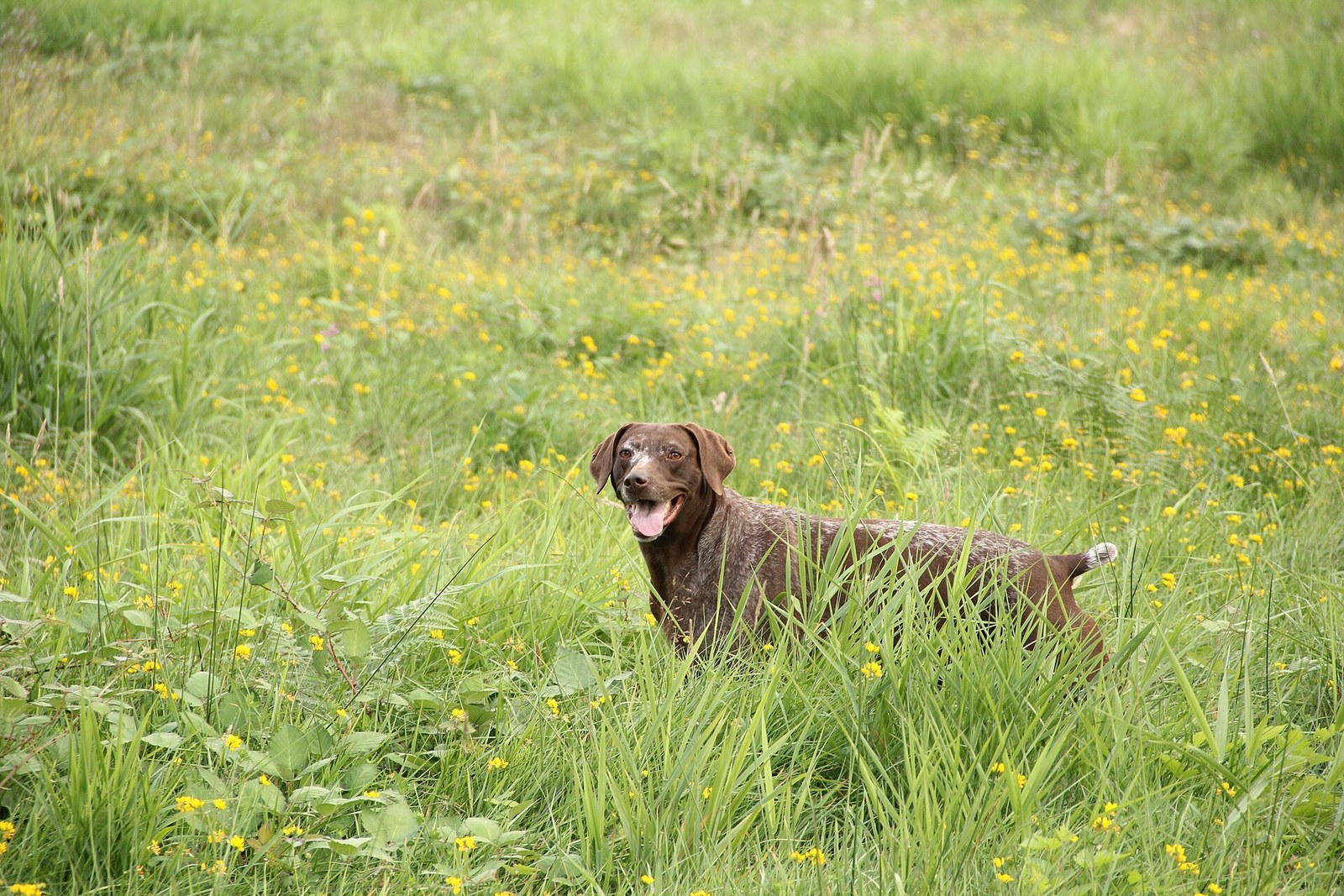
Make family and other-pet boundaries explicit
Many GSPs enjoy family interaction, but a powerful, excited dog can knock over a child without intending harm. Adults should supervise directly and end games before either participant becomes overwhelmed. Teach children to leave resting dogs alone, avoid reaching into bowls, and invite interaction rather than grabbing. Use physical separation when adults cannot actively supervise. The dog's willingness to tolerate rough treatment is not a measure of family suitability.
Other pets require individual assessment and realistic expectations. A dog that lives peacefully with one cat may chase an unfamiliar or running cat. Give cats dog-free routes and refuges, manage early meetings carefully, and obtain help if fixation develops. Rabbits, rodents, and birds need secure physical separation rather than supervised experiments. Hunting behavior can appear after earlier calm encounters. Do not buy a second dog to solve boredom or separation distress; assess compatibility and the resources required for each animal independently.
Plan for workdays without relying on exhaustion
Comfortable independence develops through gradual experience. Begin with brief absences the dog can manage, monitor behavior where possible, and return before distress escalates. A dog that paces, vocalizes, drools, or attempts escape needs support rather than an assumption that it will eventually give up. Consult a veterinarian and an appropriately qualified behavior professional when necessary. A crate may be useful for a dog already comfortable in it, but it is not treatment for panic.
Choose help based on the individual. A trusted walker, sitter, or suitable daycare arrangement may bridge a workday, but a busy group environment can overwhelm some dogs. Check handling methods, containment, transport safety, and how illness or conflict is managed. An exhausting session is not automatically a good session. Make backup arrangements for late meetings and illness rather than expecting the dog to absorb every schedule change. Shared household responsibilities should name a person, not vaguely assume that someone will manage.
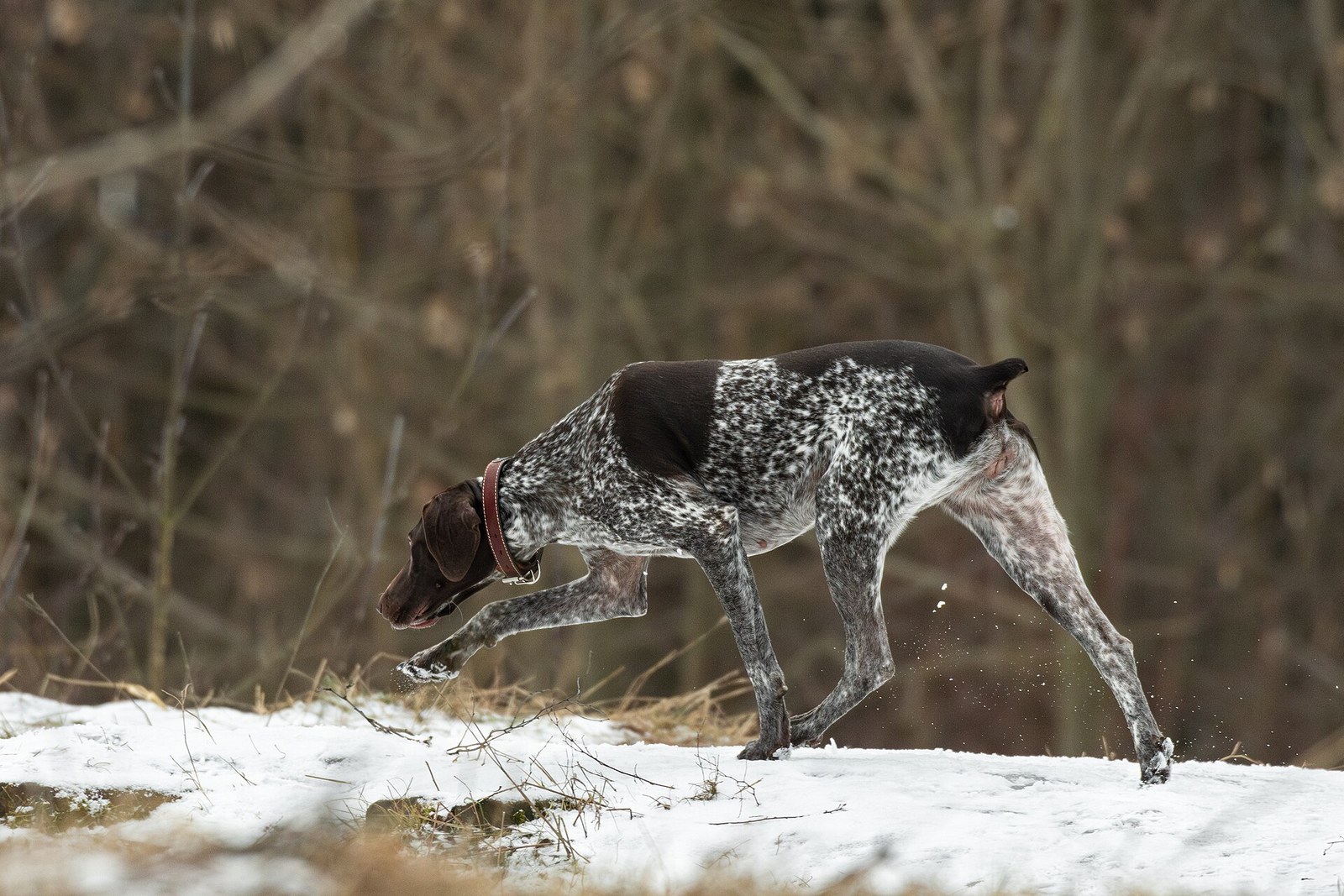
Prepare for weather, travel, and practical costs
Outdoor plans need alternatives when heat, storms, illness, or unsafe conditions interrupt the usual route. Use gentle indoor scent searches and short training sessions while preserving toileting and rest. Do not replace a missed hike with frantic repetitive ball throwing indoors. Adjust outings to weather and fitness, carry water, and turn back when the dog's condition changes. A short coat does not make a dog immune to cold, and enthusiasm does not protect it from heat illness.
For travel or holiday care, prepare information a caregiver can actually use:
- The normal food, measured allowance, and current medicines.
- Recall limitations, wildlife triggers, and containment rules.
- Veterinary contacts and the nearest emergency service.
- Identification details and secure transport equipment.
- Permission and practical arrangements for urgent treatment.
Never leave the dog in a parked vehicle. Budget for training, routine veterinary care, preventive products, food, replacement equipment, and unexpected investigations. Check insurance exclusions or establish an emergency fund without relying on a generic online price estimate. Costs depend on location and the individual dog's health.
Adapt expectations as your companion changes
Adolescence can bring stronger distraction and a temporary mismatch between physical strength and self-control. Revisit easier training and management rather than interpreting every lapse as a challenge to authority. Later, an older GSP may choose gentler exploration and longer rest while still enjoying scent games and family involvement. Provide non-slip surfaces and accessible beds if mobility changes, and ask about pain when the dog stops doing something previously enjoyed.
Reduced activity, appetite changes, or night-time restlessness should not automatically be labeled normal aging. Arrange veterinary assessment and review the routine. Learn emergency signs as well: unproductive retching, abdominal distress, drooling, weakness, or collapse can indicate GDV and require immediate veterinary care. A reliable household partnership is built by adjusting, not by requiring the dog to remain the same forever. When activity, safety, affection, and realistic support fit together, everyday life can be rewarding without pretending the breed is effortless.
Continue reading: German Shorthaired Pointer Care: Activity With Purpose.
Sources and further reading:
- GSPCA: The German Shorthaired Pointer Illustrated Standard, hosted by AKC
- Royal Kennel Club: German Shorthaired Pointer
- PetMD: German Shorthaired Pointer
- American College of Veterinary Surgeons: Gastric Dilatation-Volvulus
- WSAVA Global Nutrition Committee: Guidelines on Selecting Pet Foods
Photo credits: TruckMatt (CC0), ~riley (CC BY-SA 4.0), Горбунова М.С. (CC BY-SA 4.0). Images resized and compressed for web display. Each image retains its linked license. Image carries a small camera date stamp in the lower-right corner; accepted unchanged because the licence is CC0 and the breed is clearly identifiable.


