Living With a Sphynx Cat: The Hairless Companion
What it's really like to share your life with a Sphynx cat — their warmth, personality, and the unique experience of hairless cat ownership.
Read article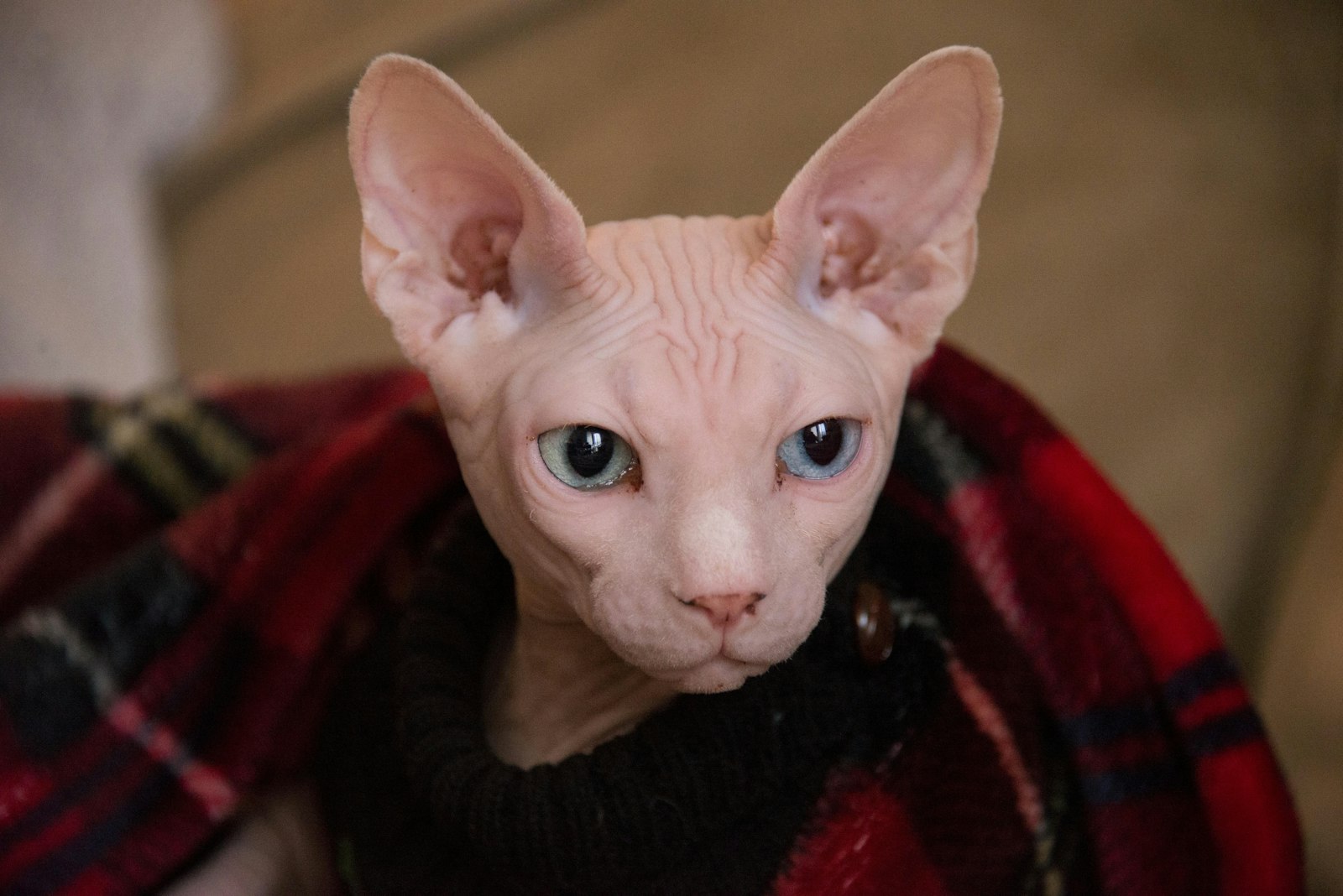
Felis catus
The hairless extrovert — warm, wrinkled, and wonderfully weird
Deep Dive
The Sphynx breed began in 1966 in Toronto, Canada, when a hairless kitten named Prune was born to a normal domestic cat. The owner, impressed by the unique appearance, began a breeding program.
Early breeding attempts were challenging due to the small gene pool and genetic complexities. The hairless gene is recessive, meaning two carriers must mate to produce a hairless kitten. Breeders crossed hairless cats with coated cats to maintain genetic diversity, then back to produce more hairless offspring.
The breed was officially recognized by the CFA in 2002. Despite their unusual appearance, Sphynx cats have become one of the most popular breeds, particularly among allergy sufferers. However, they are not truly hypoallergenic — they still produce allergenic proteins in their saliva and skin oils.
Sphynx cats are the extroverts of the cat world. They are outgoing, energetic, and love being the center of attention. They greet visitors enthusiastically, perform for attention, and will insert themselves into whatever you're doing.
They are often described as part cat, part dog, part monkey, and part child. They play fetch, learn tricks, open doors, and get into everything. Their intelligence and mischievous nature keep their owners constantly entertained.
Sphynx are extremely affectionate and seek warmth — both physical and emotional. They love to cuddle under blankets, burrow into laps, and sleep pressed against their humans. Their body temperature runs higher than most cats, making them warm, living hot water bottles.
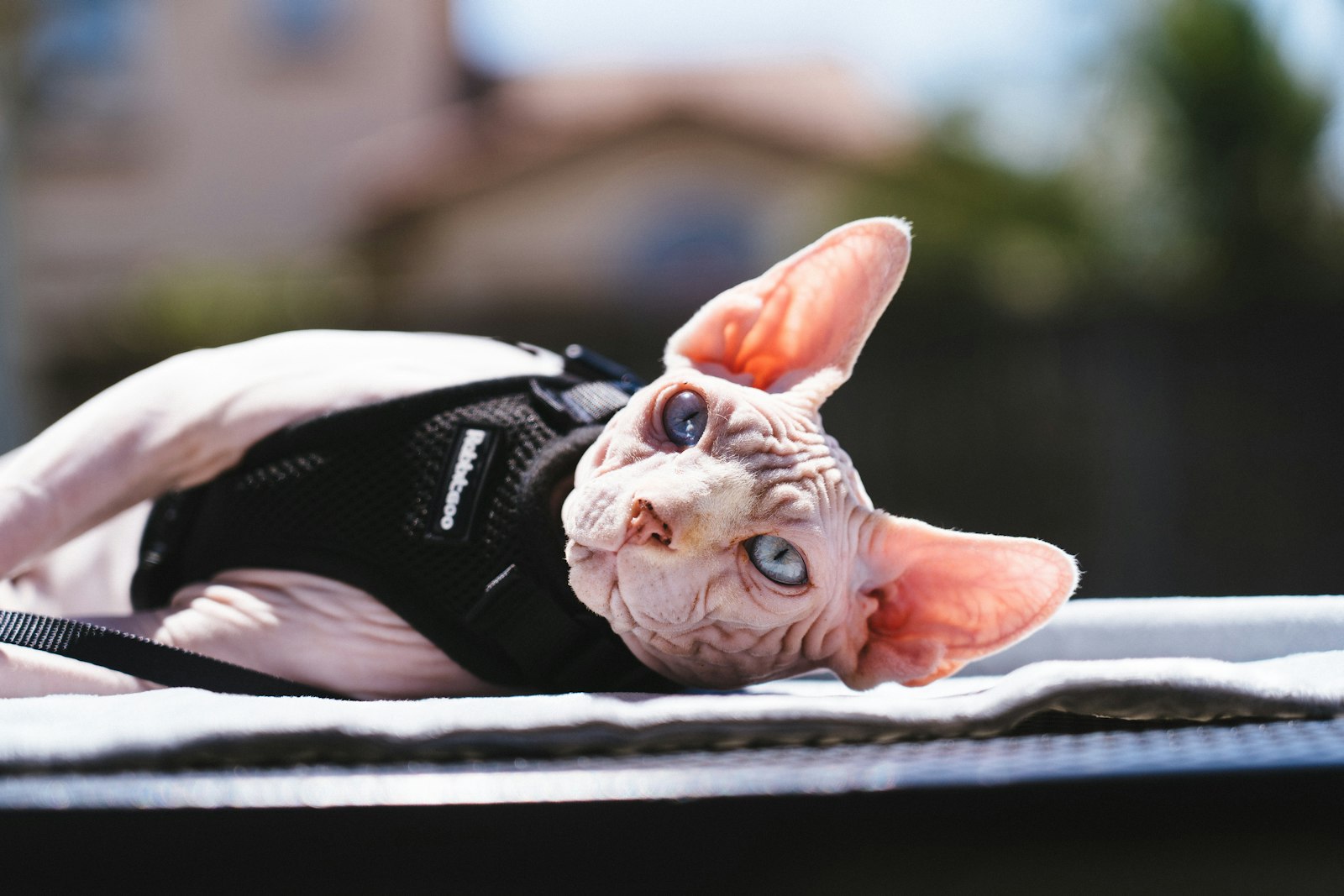
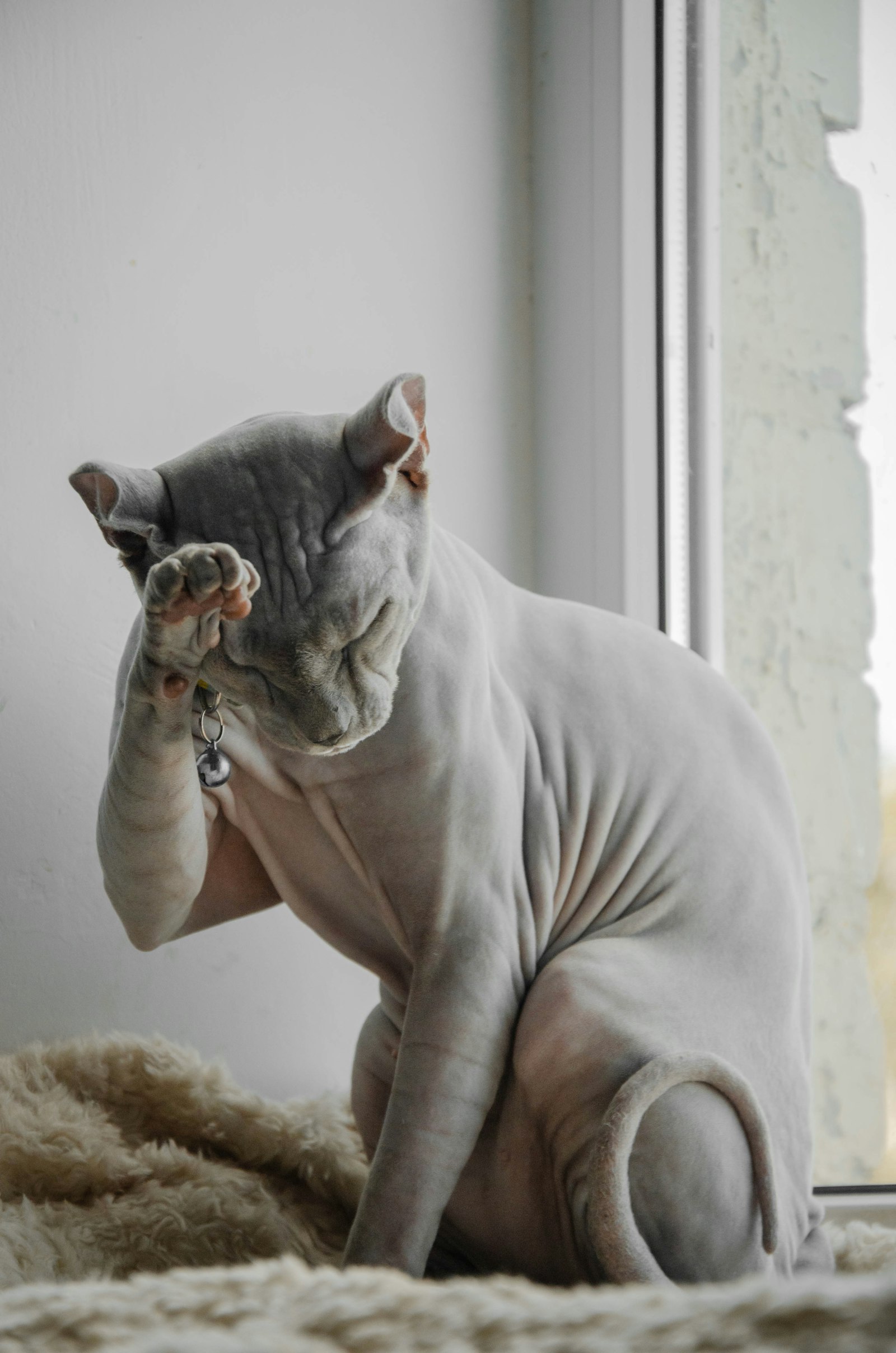
Despite being called "hairless," Sphynx cats are actually covered in a fine layer of downy fuzz — like a peach. This gives their skin a warm, suede-like texture that is surprisingly pleasant to touch.
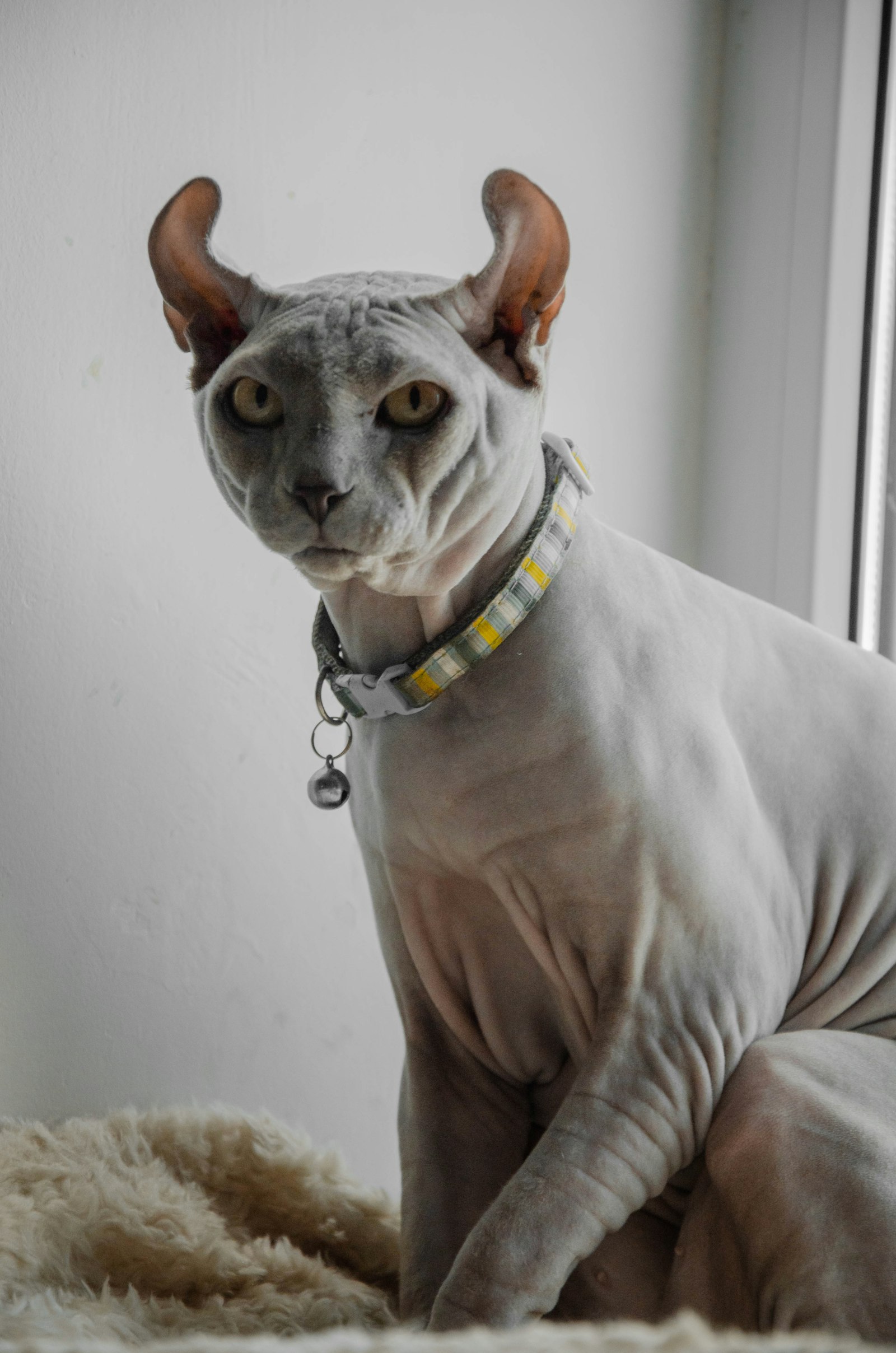
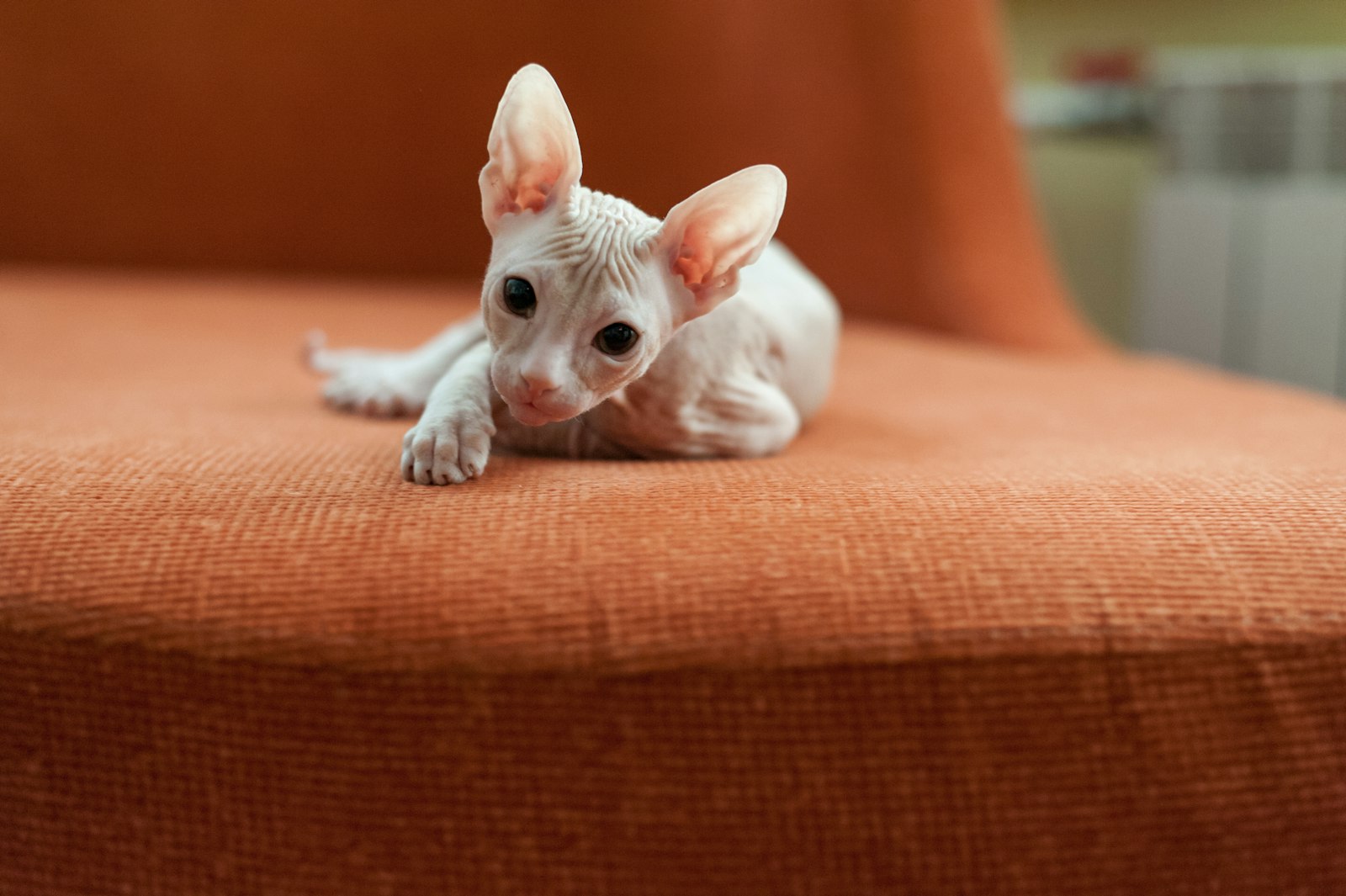
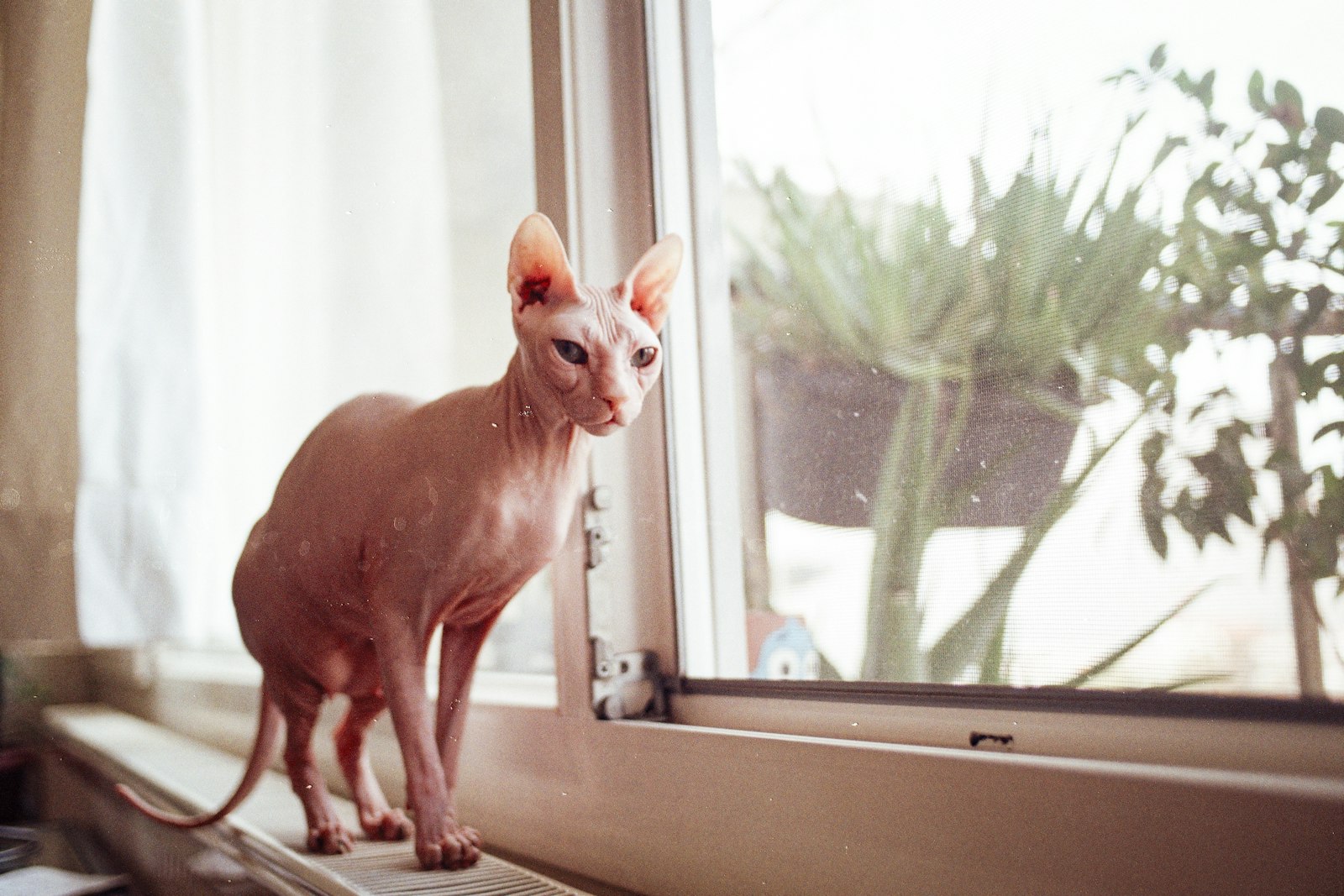
They have wrinkled skin, especially on the face, ears, and body. Their large, bat-like ears give them an alien-like appearance. Their eyes are large, lemon-shaped, and come in virtually every color.
Sphynx come in every color and pattern — solid, tabby, tortoiseshell, colorpoint, and more. Their bodies are medium-sized, muscular, and surprisingly heavy for their size. They have a round belly often called a "pot belly" that is normal for the breed.
Photo credits: @theamazingdjw (Unsplash License), @chudilovski_ph (Unsplash License), @nyximao (Unsplash License), @chudilovski_ph (Unsplash License), @photofixation (Unsplash License), @ddography (Unsplash License)
Living with a Sphynx is never boring. These cats are active, mischievous, and demanding of attention. They need interactive toys, play sessions, and constant companionship.
Their lack of fur creates unique care needs. They need weekly baths to remove oil buildup from their skin. They get cold easily and may need sweaters or heated beds. They also get sunburned, so limit direct sun exposure.
Sphynx are not cats for people who want a low-maintenance pet. They need regular bathing, ear cleaning, skin care, and lots of attention. But in return, they give you the most entertaining, affectionate, and unique companionship of any cat breed.
At a Glance
Ownership Guide
Weekly baths are essential to remove skin oil buildup. Use a gentle cat shampoo. Their skin produces oils that would normally be absorbed by fur.
Sphynx have high metabolisms to maintain body heat. Feed high-quality, calorie-appropriate food. They eat more than most cats of similar size.
Wipe skin daily with a damp cloth. Clean ears weekly — they accumulate wax. Apply pet-safe sunscreen before sun exposure. Provide sweaters in cold weather.
Highly intelligent and trainable. They excel at fetch, tricks, and leash walking. Use positive reinforcement. Keep them mentally challenged or they create their own fun.
Extremely social — need constant companionship. Get a second cat if you work long hours. They get along with everyone: children, dogs, other cats.
Annual wellness exams. Discuss skin health, heart screening (HCM), and dental care. Their unique skin requires monitoring for infections or irritation.
Wellness
Sphynx are robust cats with good overall health when from responsible breeders.
While not truly hypoallergenic, they produce less dander and are better tolerated by allergy sufferers.
Hypertrophic cardiomyopathy affects some lines. Request cardiac screening from breeders.
Their exposed skin is prone to sunburn, oil buildup, and fungal infections. Regular bathing helps.
Large ears accumulate wax quickly. Clean weekly to prevent infections.
They get cold easily and can get sunburned. Provide warmth in winter and sun protection in summer.
Further Reading
What it's really like to share your life with a Sphynx cat — their warmth, personality, and the unique experience of hairless cat ownership.
Read articleComplete Sphynx grooming guide covering weekly bathing, skin care, ear cleaning, nail care, and temperature management.
Read articleExpert training guide for Sphynx cats covering their intelligence, mischievous nature, tricks, and social behavior.
Read articleComprehensive guide to Sphynx cat health including skin conditions, heart disease, ear care, and temperature sensitivity.
Read articleComplete nutrition guide for Sphynx cats covering their high metabolism, diet needs, and feeding tips for this unique breed.
Read articleComplete care guide for Sphynx cats covering bathing, skin care, nutrition, exercise, and health for this unique hairless breed.
Read articleYou May Also Like