Living With a Siamese Cat: The Ultimate Companion
What it's really like to share your life with a Siamese cat — their vocal personality, deep bonds, and the joy of living with this remarkable breed.
Read article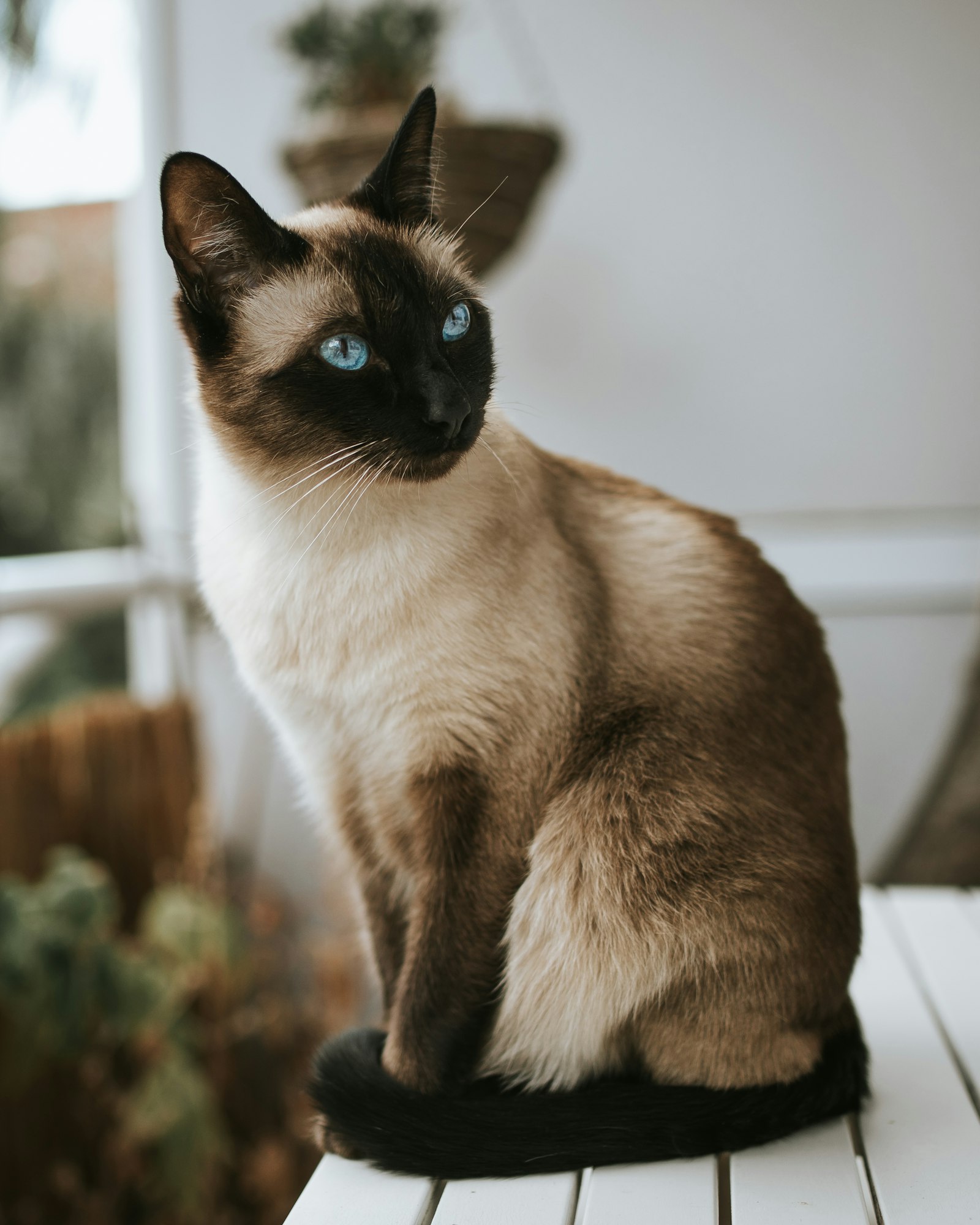
Felis catus
The world's most talkative cat — strikingly beautiful and endlessly social
Deep Dive
The Siamese cat is one of the oldest recognized cat breeds, originating from Siam (now Thailand). They were considered sacred and kept by Buddhist monks and Thai royalty for centuries. The first recorded mention appears in ancient Thai manuscripts dating back to the 14th century.
Siamese cats were introduced to the Western world in the 1880s when the British Consul-General in Bangkok received a pair as a gift. They quickly captivated European and American cat fanciers with their exotic appearance and personality.
The modern Siamese has evolved significantly from the rounder-faced "applehead" type of the early 20th century to the extreme wedge-shaped head and elongated body of today's show cats. Despite these changes, their personality remains unmistakably Siamese — vocal, social, and deeply bonded to their humans.
Siamese cats are famously vocal. They have a loud, low-pitched voice — often compared to a crying baby — and they use it constantly. They will "talk" to you about everything: their hunger, boredom, opinions on your activities, and their desire for attention.
These cats are extremely social and form intense bonds with their people. They follow their owners from room to room, demand to be involved in everything, and become depressed when left alone for long periods. Many experts recommend getting two Siamese if you work long hours.
Siamese are highly intelligent and can be trained to fetch, walk on a leash, and perform tricks. They are athletic jumpers and climbers who need vertical space and interactive toys to stay entertained.
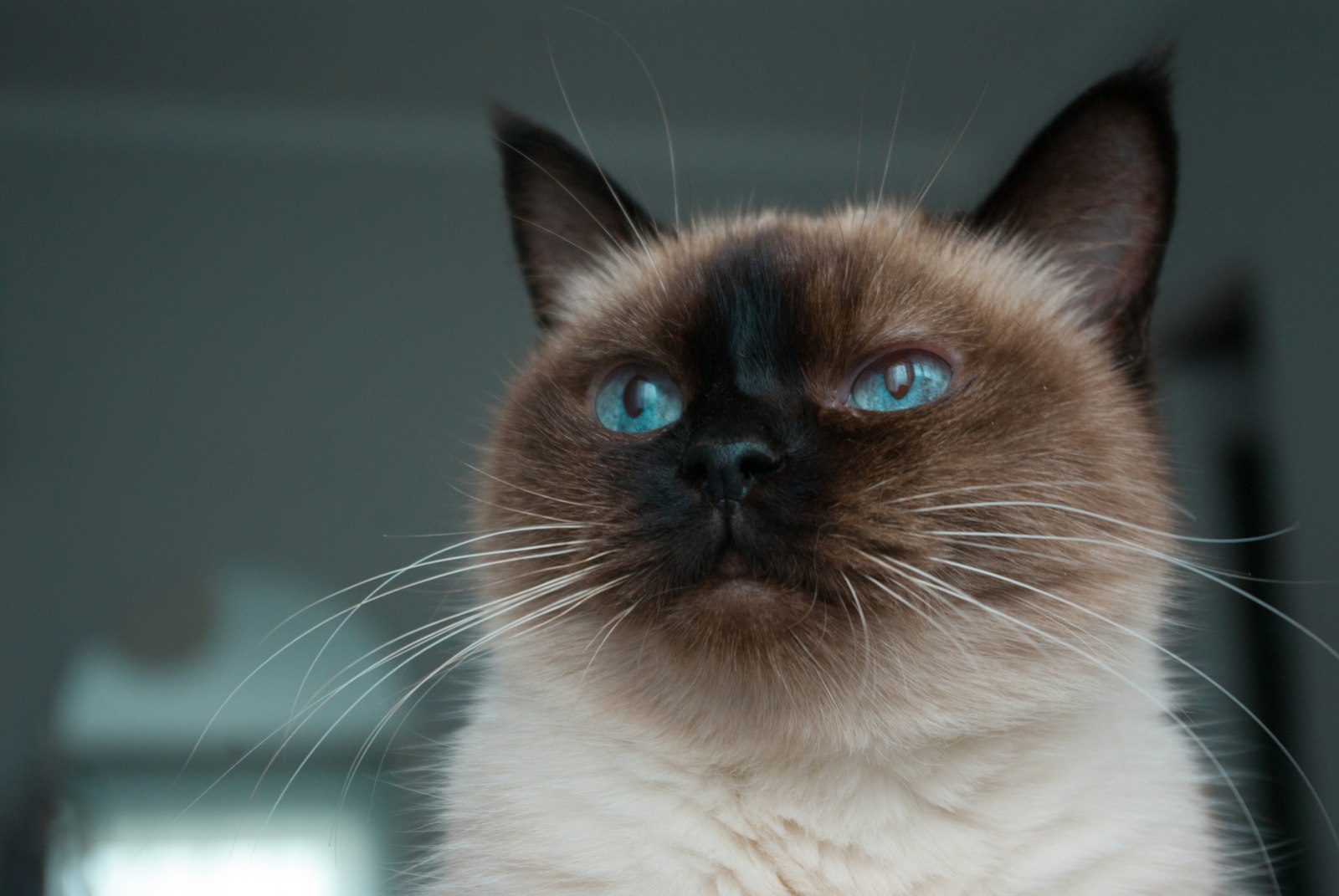
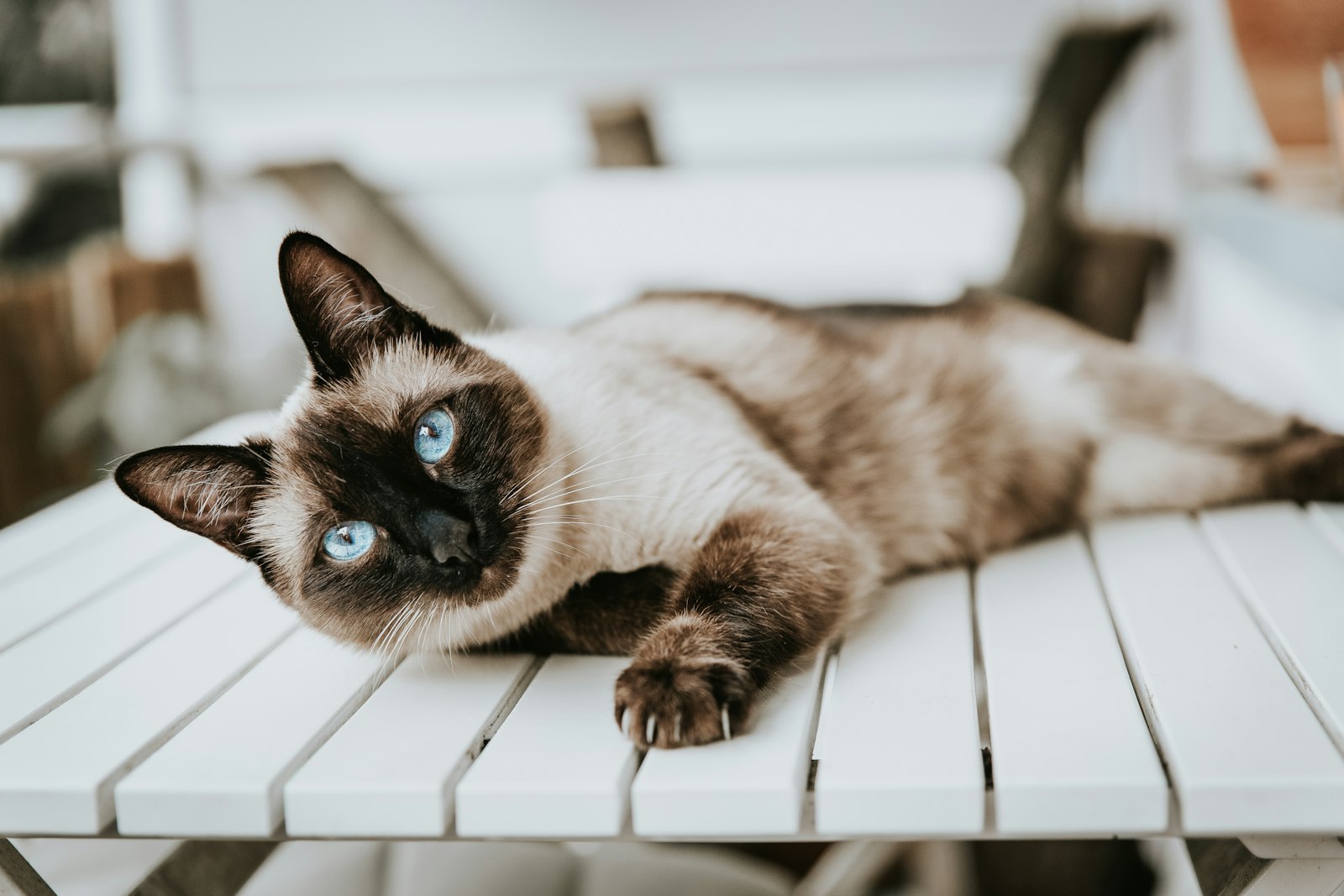
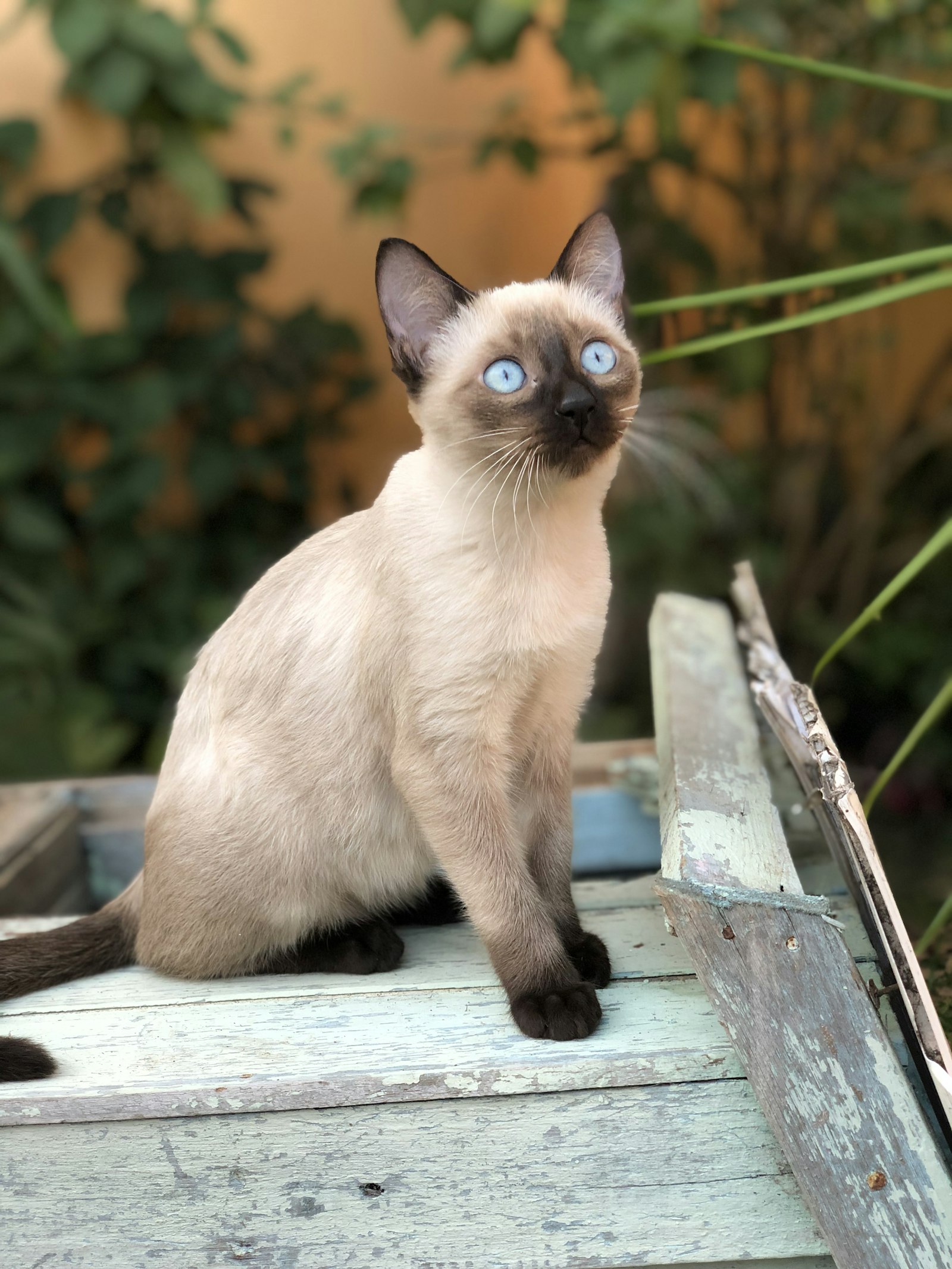
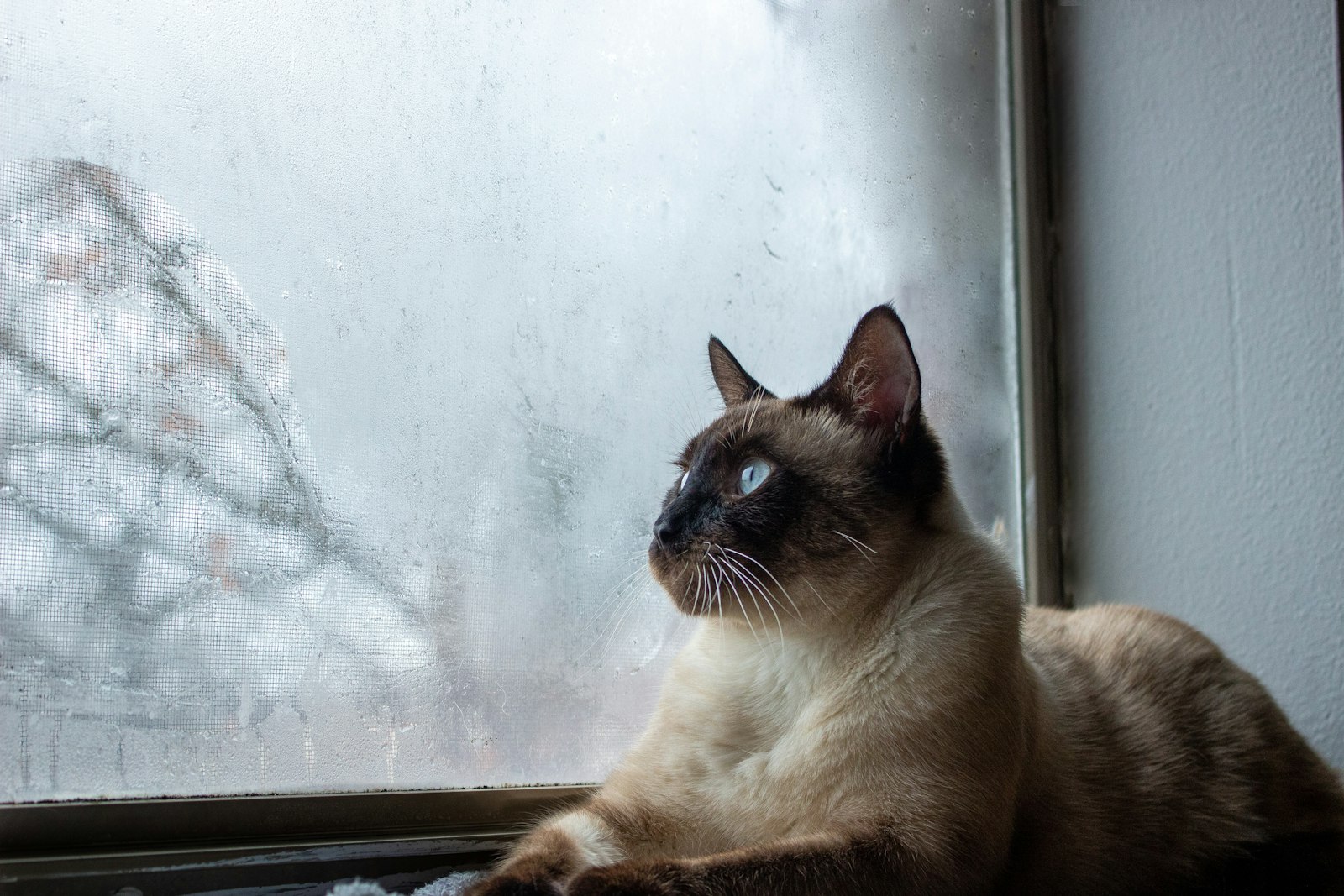
Siamese cats are instantly recognizable with their sleek, angular bodies, wedge-shaped heads, and striking blue almond-shaped eyes. Their bodies are long and muscular with a fine, short coat that lies close to the body.
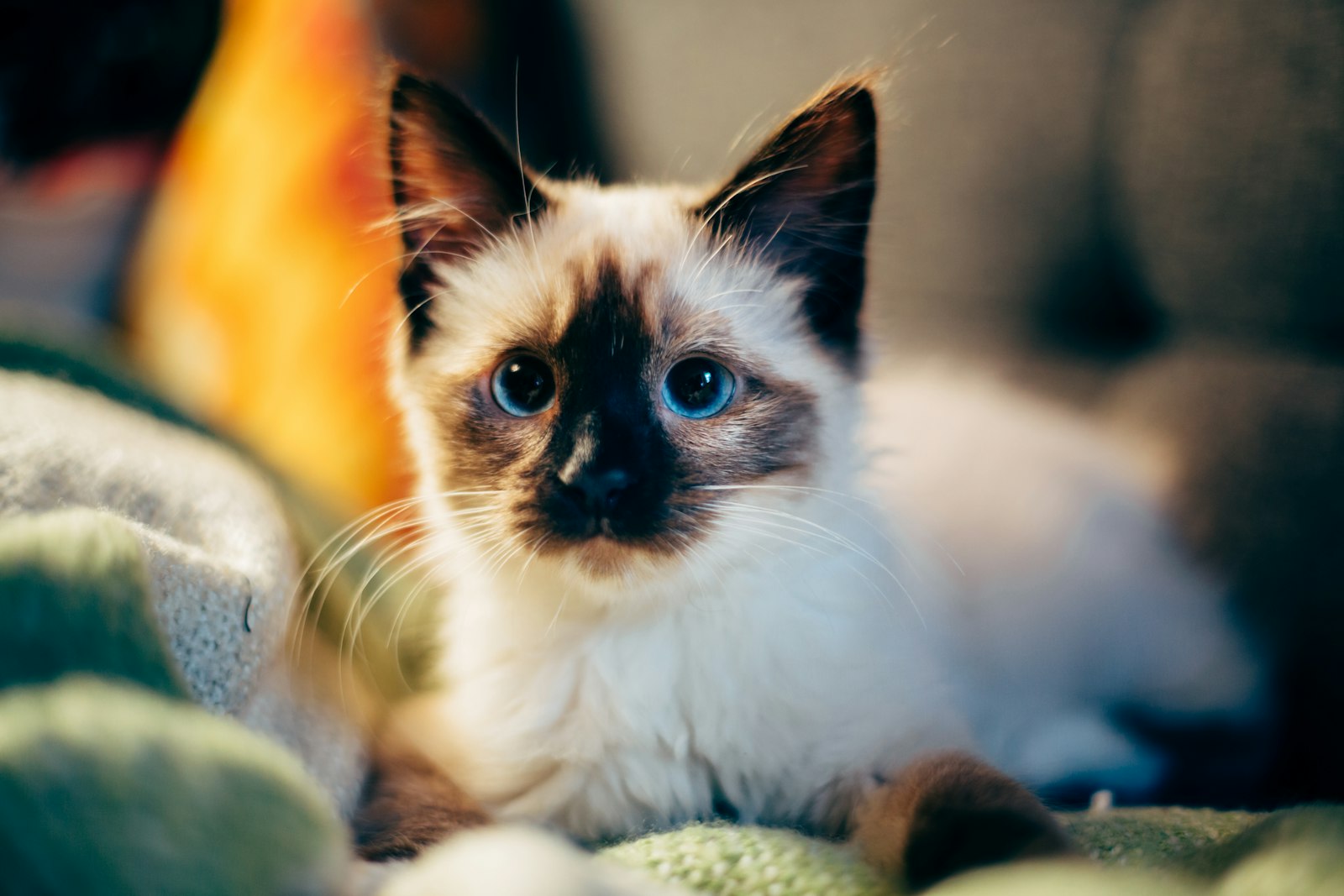
Their most distinctive feature is their color-point pattern: a pale body with darker "points" on the ears, face, legs, and tail. Points come in seal (dark brown), blue (gray), chocolate, and lilac. All Siamese kittens are born white and develop their points in the first few months.
Their eyes are always a vivid blue — a trait linked to their color-point genetics. Modern show Siamese have an extremely angular, elegant appearance with large ears set wide on a narrow head.
Photo credits: @alexmeier19 (Unsplash License), @moonmoons_days (Unsplash License), @alexmeier19 (Unsplash License), @vitorgcarrilho (Unsplash License), @nirzar (Unsplash License), @hanako87 (Unsplash License)
Living with a Siamese is like living with a very opinionated roommate. They will tell you what they think, demand your attention, and insert themselves into whatever you're doing. If you want a quiet, independent cat, the Siamese is not for you.
They thrive on interaction and mental stimulation. Puzzle toys, fetch games, leash walks, and cat companions keep them happy. A bored Siamese will become vocal and destructive.
Siamese are generally healthy and exceptionally long-lived — 15-20 years is common. They need high-quality food, regular vet checkups, and lots of love. In return, you get one of the most devoted and entertaining companions in the cat world.
At a Glance
Ownership Guide
High energy cats that need daily play sessions. They excel at fetch, leash walking, and interactive puzzle toys. Provide cat trees and vertical climbing space.
Feed high-quality protein-rich food. Siamese are active cats with high metabolism. Monitor weight and adjust portions. Fresh water always available.
Low-maintenance short coat — brush weekly to remove loose hair. Regular nail trimming, ear cleaning, and dental care. Minimal shedding.
Highly trainable — learn fetch, leash walking, and tricks. Use positive reinforcement. They need mental challenges or they create their own entertainment.
Need constant companionship. Consider a second cat if you work long hours. Early socialization helps them adapt to various people and situations.
Annual wellness exams. Discuss breed-specific concerns including dental disease, amyloidosis, and respiratory conditions. Keep vaccinations current.
Wellness
Siamese are among the longest-lived cat breeds, commonly reaching 15-20 years with proper care.
Most Siamese are robust cats with few breed-specific health issues when from responsible breeders.
Siamese are prone to periodontal disease. Regular dental care and professional cleanings are essential.
A protein deposit disease affecting the liver, more common in Siamese. Regular blood work helps detect early.
Some lines are prone to asthma and upper respiratory conditions. Watch for persistent coughing or breathing difficulty.
A genetic trait in some Siamese. While not harmful, it indicates the breed's unique genetics. Not all Siamese have this.
Further Reading
What it's really like to share your life with a Siamese cat — their vocal personality, deep bonds, and the joy of living with this remarkable breed.
Read articleComplete Siamese cat grooming guide covering their short coat, dental care, nail trimming, and ear cleaning for a healthy, beautiful cat.
Read articleExpert training guide for Siamese cats covering their intelligence, vocal communication, tricks, leash training, and behavior management.
Read articleComprehensive guide to Siamese cat health including dental disease, amyloidosis, respiratory conditions, and tips for their exceptional longevity.
Read articleComplete nutrition guide for Siamese cats covering high-protein diets, hydration, weight management, and feeding tips for this active breed.
Read articleComplete care guide for Siamese cat owners covering their vocal nature, exercise needs, grooming, nutrition, and health tips.
Read articleYou May Also Like