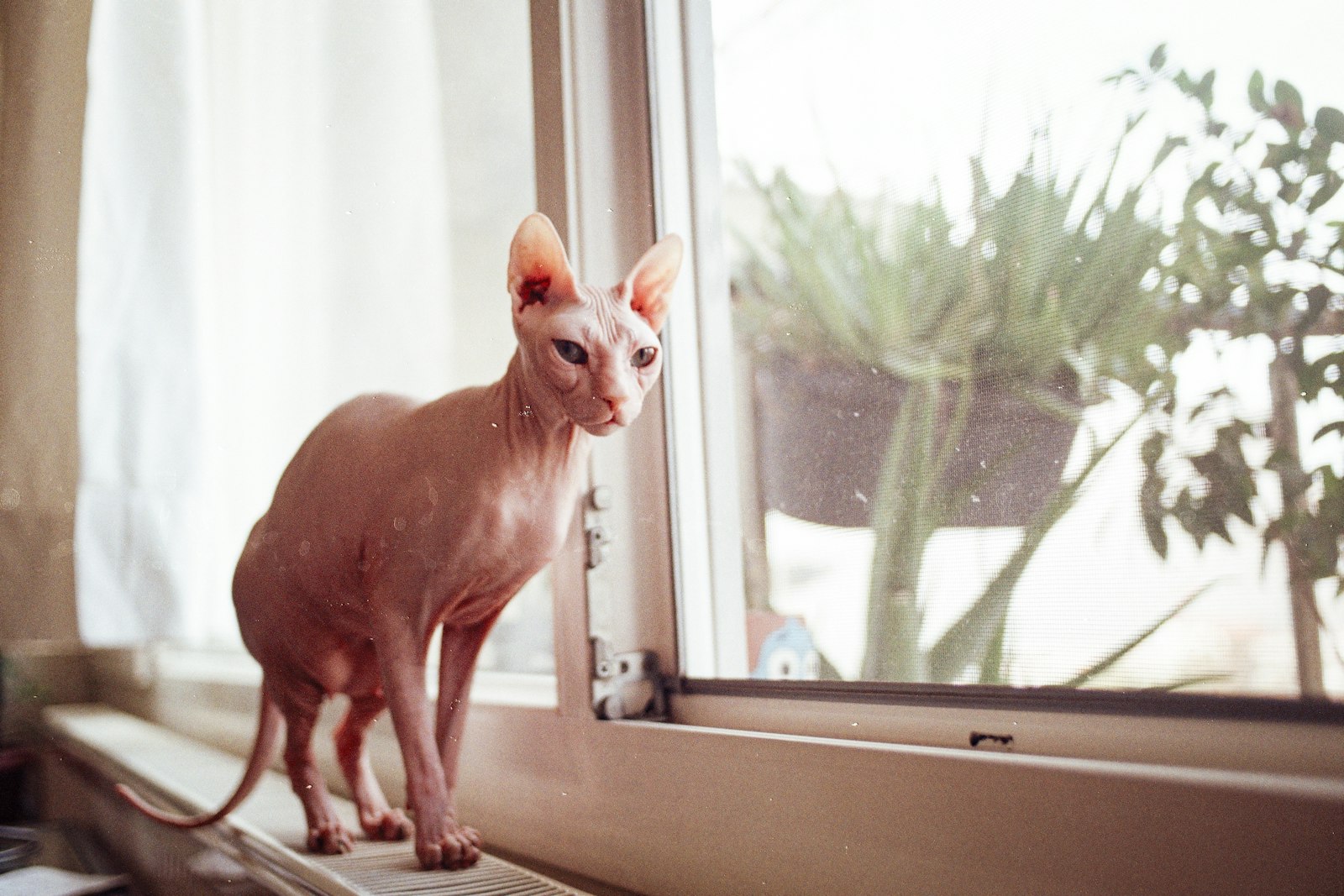
Sphynx cats have unique health considerations due to their lack of fur. Their exposed skin, high metabolism, and genetic background all require specific attention.
Skin Conditions
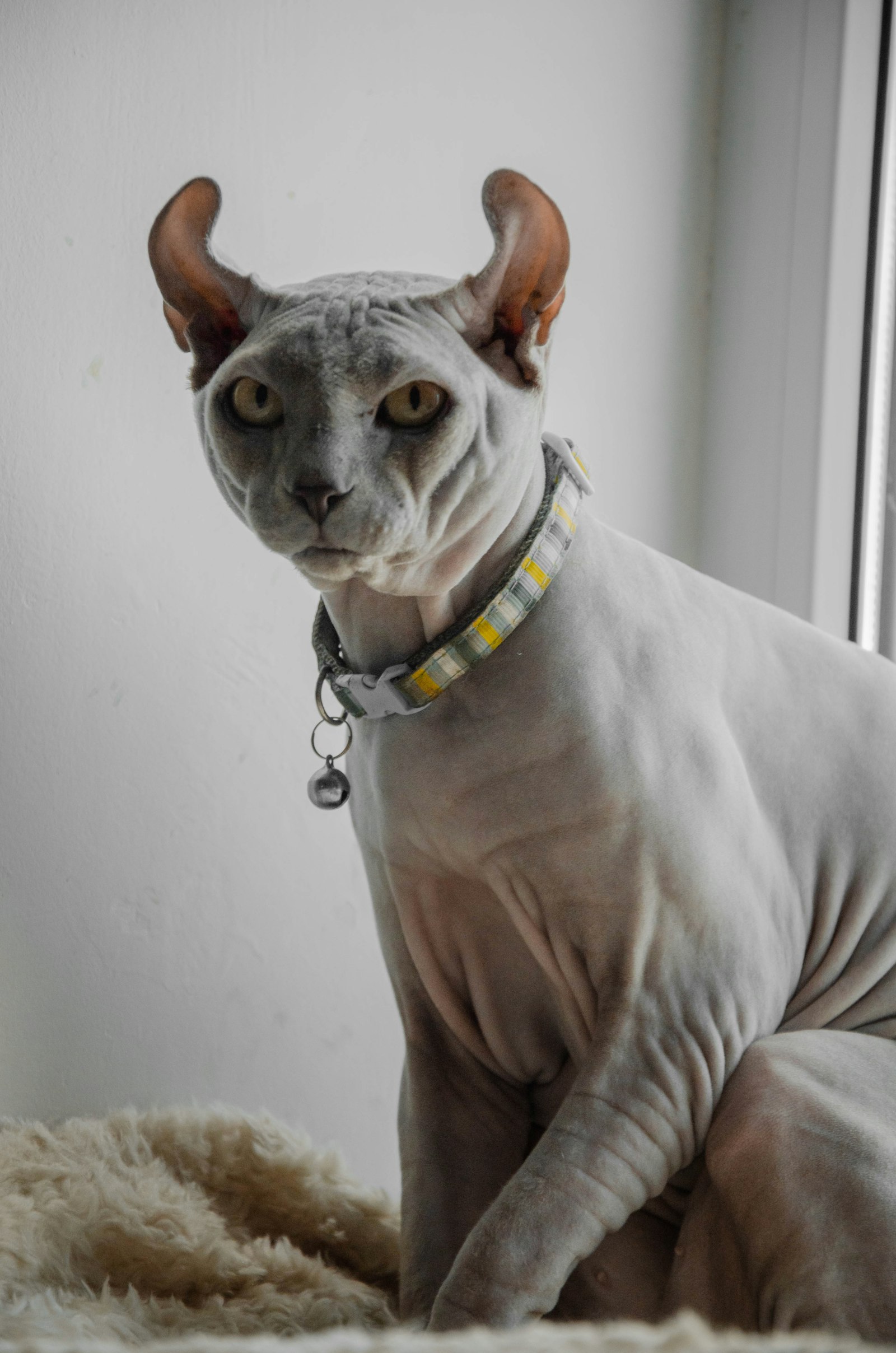
Without fur, Sphynx skin is exposed to environmental factors. Oil buildup can cause acne-like bumps. Sun exposure causes sunburn. Cold causes dryness. Regular bathing and skin care prevent most issues.
Heart Disease
HCM (hypertrophic cardiomyopathy) affects some Sphynx lines. Request cardiac screening from breeders. Annual cardiac exams help detect issues early.
Ear Issues
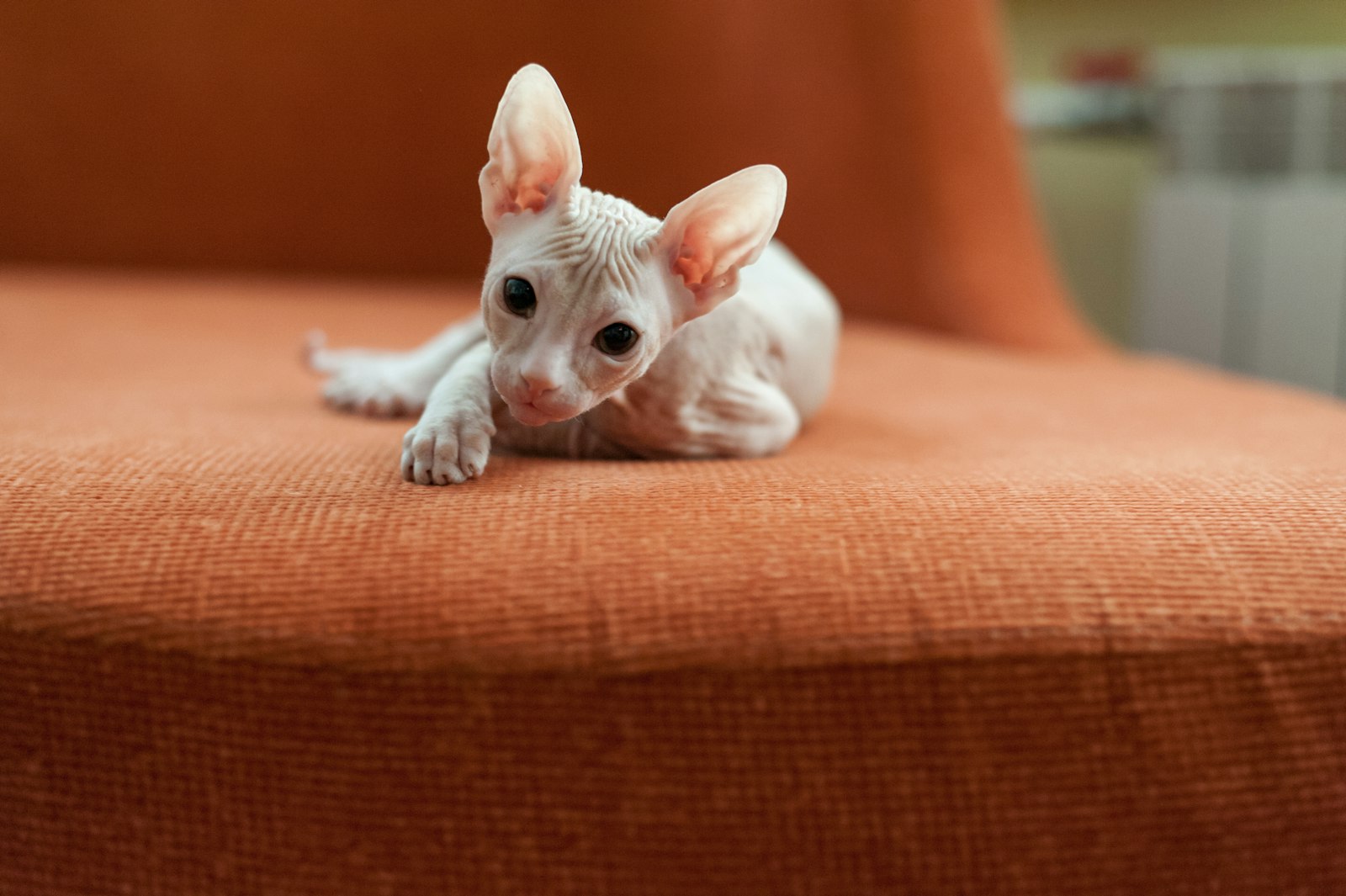
Their large ears accumulate wax quickly. Clean ears weekly to prevent infections. If you notice redness, odor, or excessive wax, consult your vet.
[warning]Sphynx cats can get sunburned. Limit direct sun exposure, especially on light-colored skin. Use pet-safe sunscreen for outdoor time.[/warning]Temperature Sensitivity
Sphynx are sensitive to both heat and cold. In cold weather, provide sweaters and heated beds. In hot weather, ensure shade and hydration. Their skin can burn and their bodies can't regulate temperature as well as coated cats.
Dental Health
Sphynx are prone to dental disease. Brush teeth regularly and schedule professional cleanings. Dental issues can lead to systemic health problems.
Preventive Care
Weekly baths, ear cleaning, skin monitoring, annual vet exams, and cardiac screening keep your Sphynx healthy and happy.