Living With a Scottish Fold: Daily Life & Charm
What it's really like to share your life with a Scottish Fold — their adorable quirks, gentle nature, and the joy of living with this unique breed.
Read article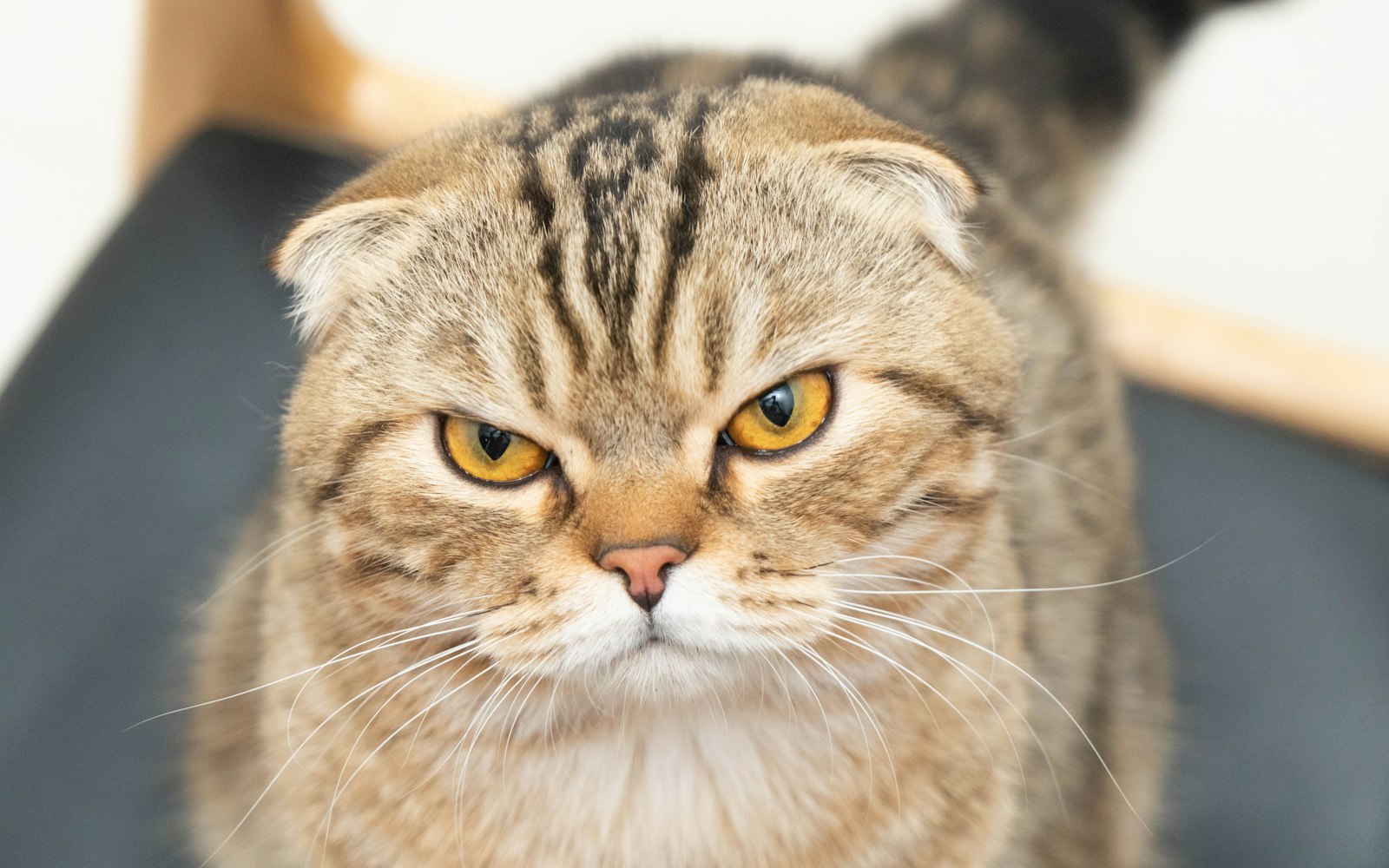
Felis catus
The owl of the cat world — sweet-natured, adorable, and endlessly charming
Deep Dive
The Scottish Fold breed began with a single white barn cat named Susie, discovered on a farm in Perthshire, Scotland in 1961. Susie had unusual folded ears caused by a natural genetic mutation affecting cartilage throughout her body.
A local shepherd and a geneticist began a breeding program, crossing folded-ear cats with British Shorthairs and other breeds. The mutation was found to be dominant — kittens from just one folded-ear parent can inherit the trait.
The breed was not accepted for showing in Britain due to health concerns about the cartilage mutation. However, American breeders continued the program, and the CFA recognized the Scottish Fold in 1978. Today, they are beloved worldwide for their unique appearance and sweet temperament.
Scottish Folds are remarkably sweet-natured cats. They are gentle, calm, and adaptable — making them excellent companions for various living situations. They bond closely with one person but are friendly with everyone.
They are not overly vocal or demanding. Scottish Folds prefer to be near their people rather than on their laps. They have a soft, chirping voice and use it sparingly compared to breeds like the Siamese.
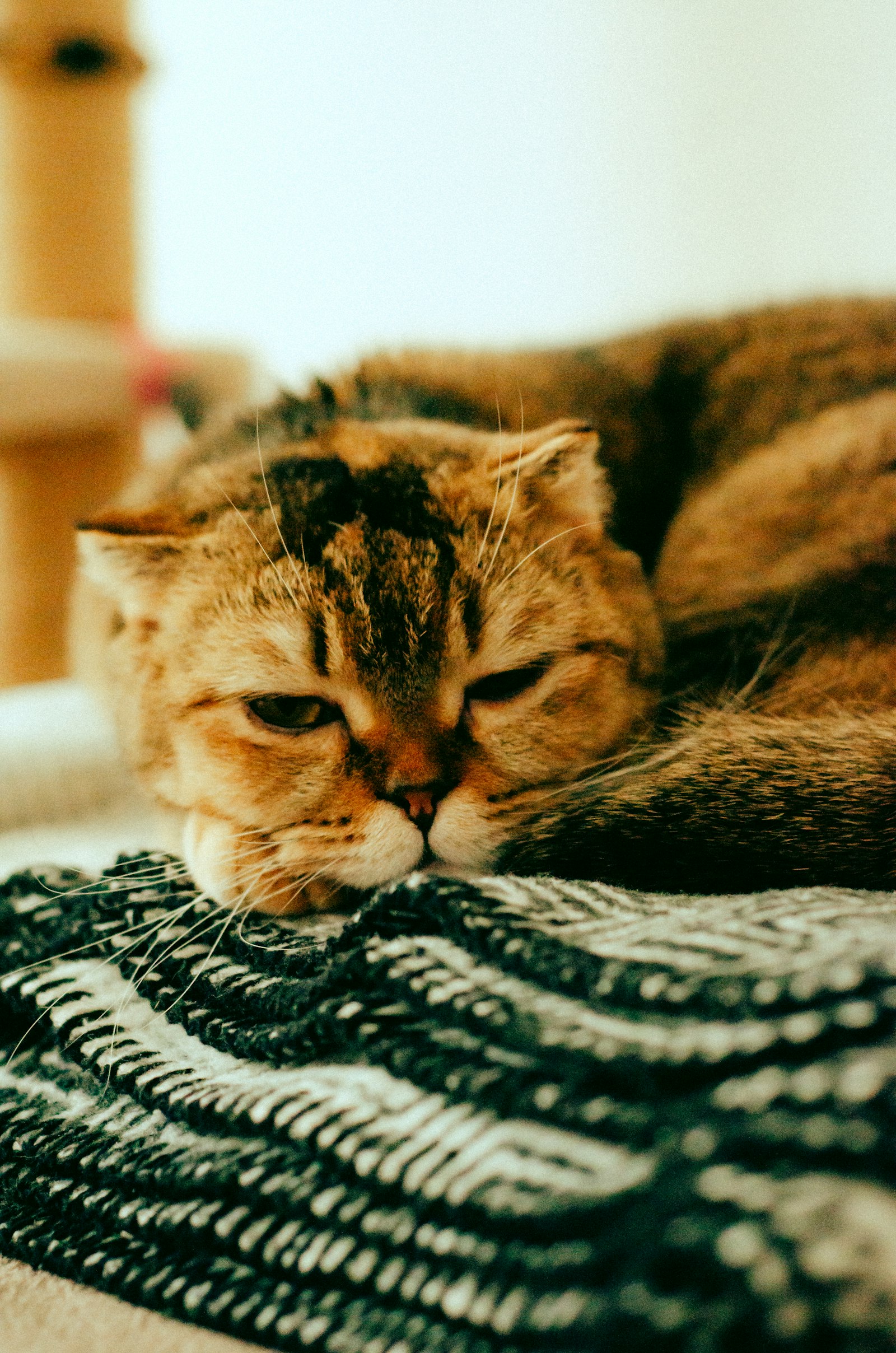
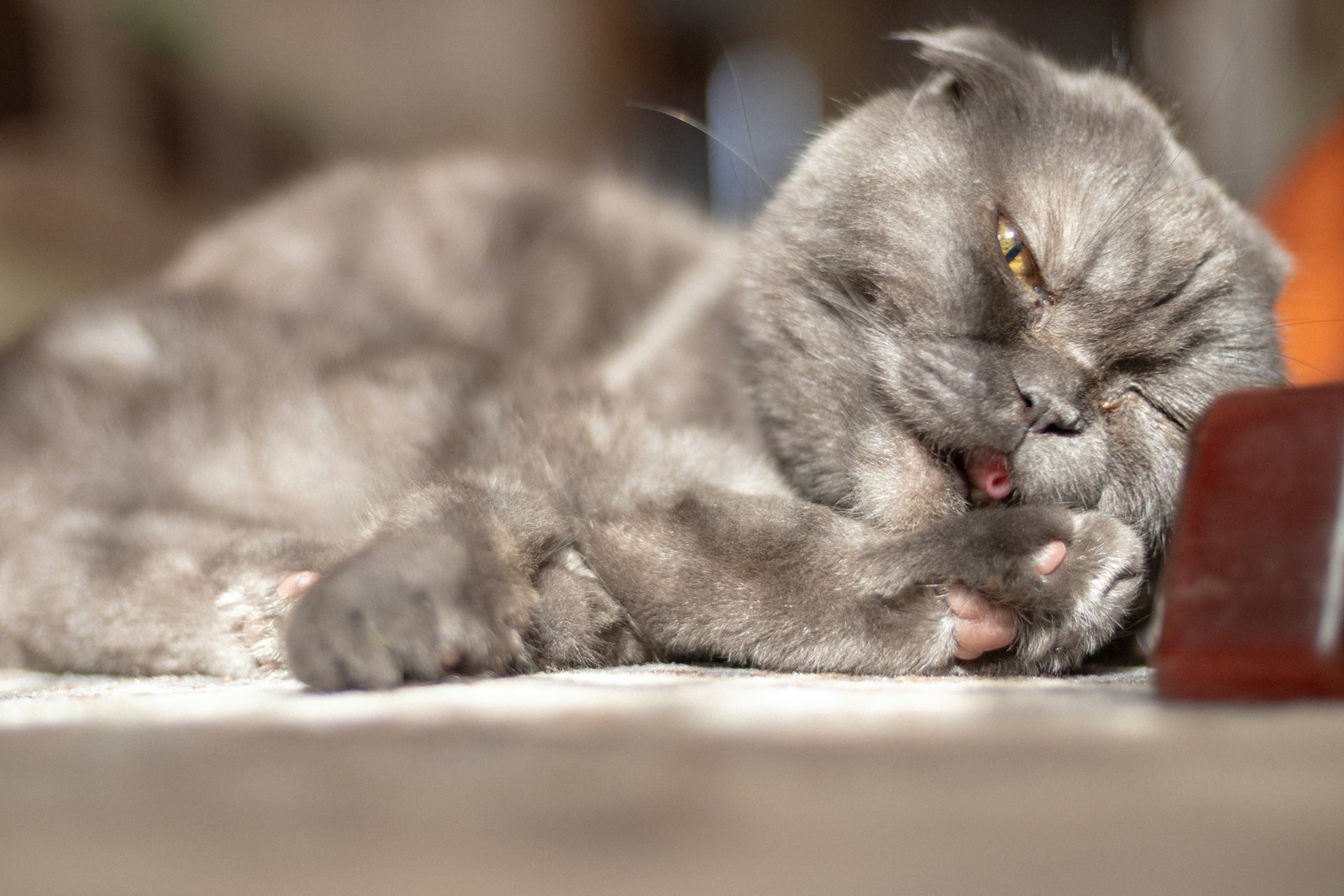
Scottish Folds are known for their unusual sitting positions — they often sit upright like a Buddha or lie on their backs with paws in the air. They are playful but not hyperactive, enjoying interactive toys and gentle play sessions.
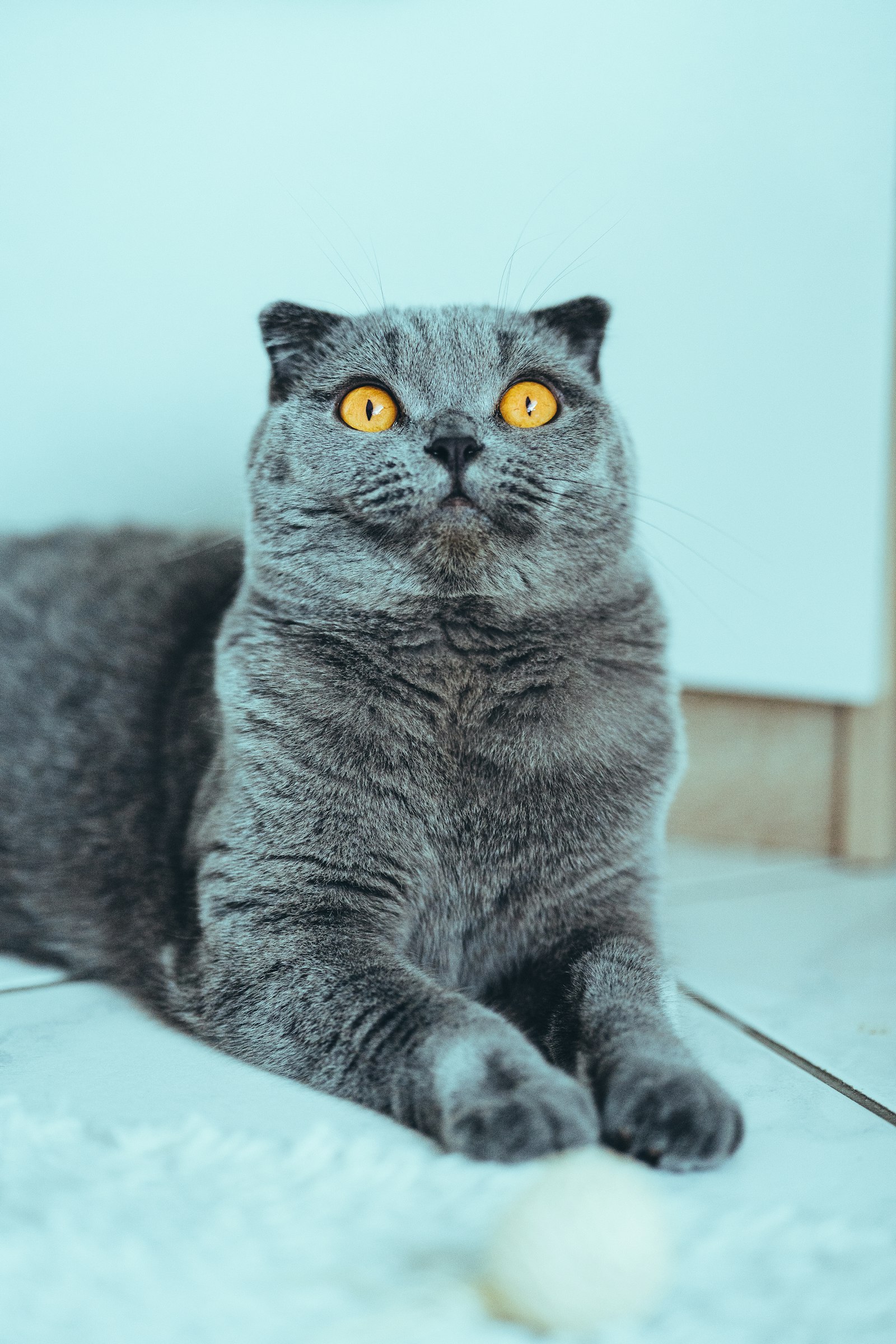
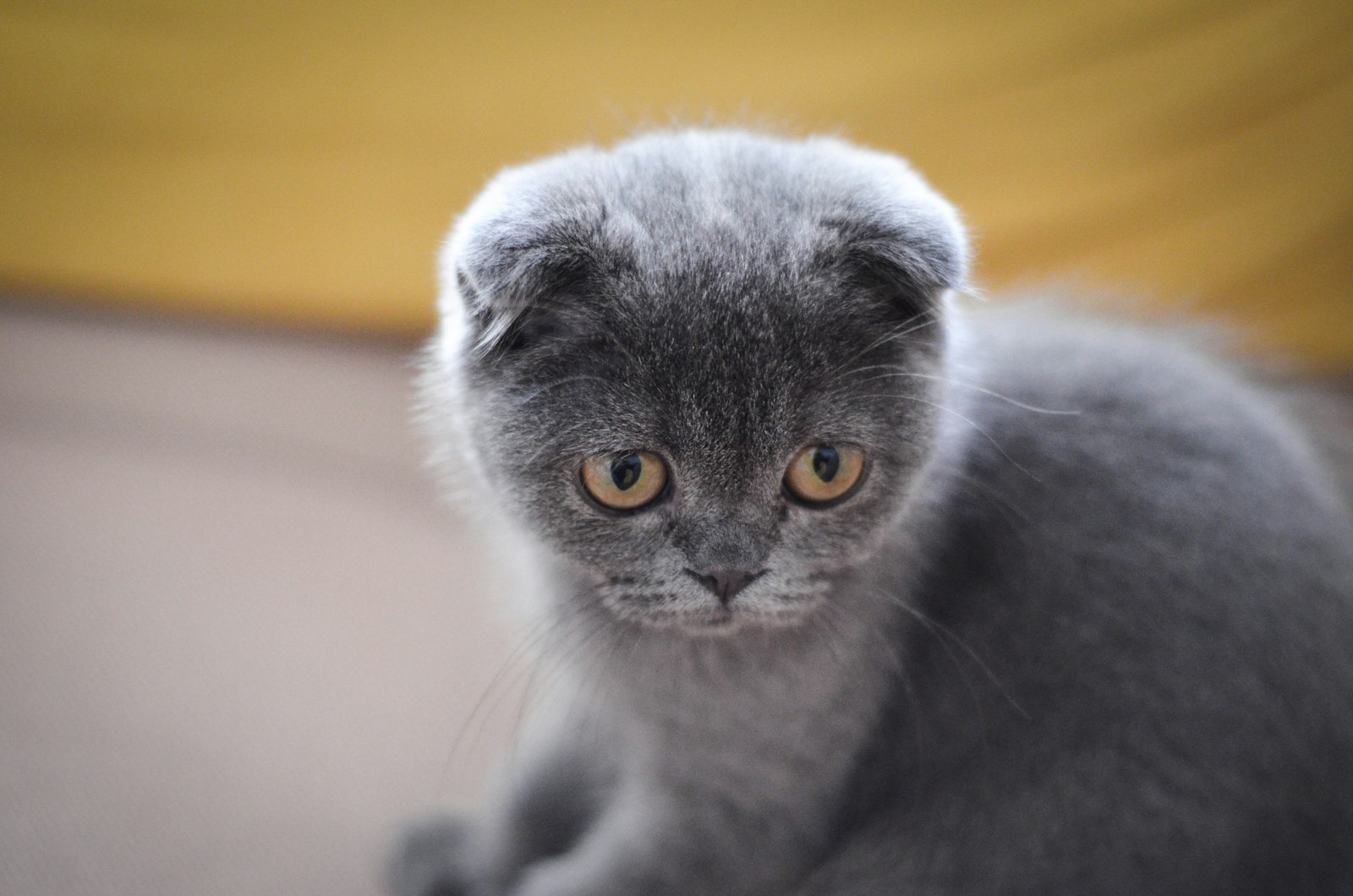
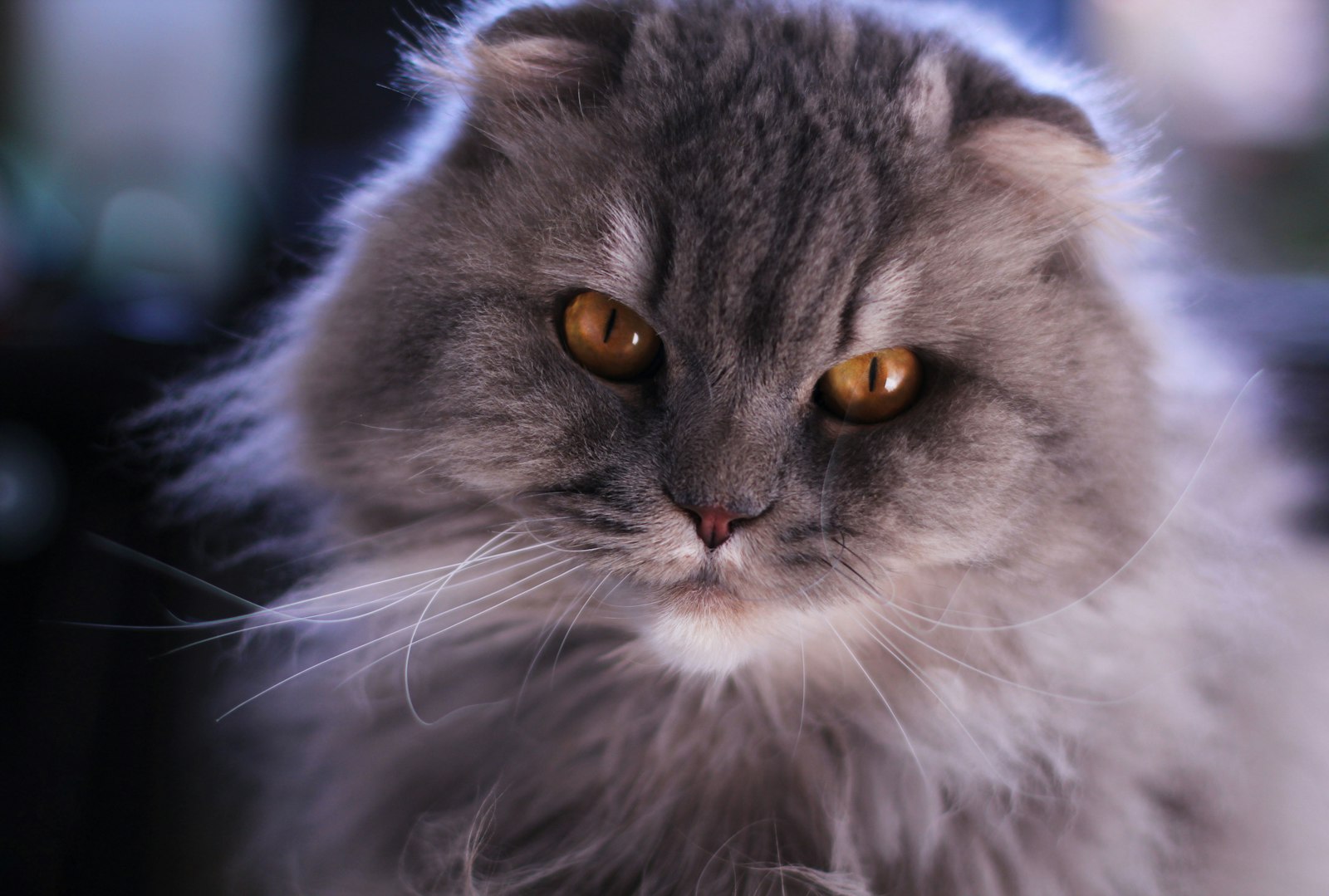
The Scottish Fold's most distinctive feature is their folded ears, which give them an owl-like appearance. Kittens are born with straight ears that fold forward within 3-4 weeks if they carry the gene.
They have a round face with large, round eyes set wide apart. Their body is medium-sized with a rounded, muscular build. The coat can be short or long, and comes in virtually every color and pattern.
Interestingly, not all kittens in a Scottish Fold litter will have folded ears. Those with straight ears are called "Straights" and are indistinguishable from other cats, but they carry the fold gene and can produce folded-ear kittens.
Photo credits: @dongphuchaitrieu (Unsplash License), @omarvellous14 (Unsplash License), @ddography (Unsplash License), @alex095rr (Unsplash License), @ddography (Unsplash License), @ankumpan (Unsplash License)
Scottish Folds are excellent house cats. They are calm, adaptable, and do well in apartments and homes alike. They get along with children, other cats, and cat-friendly dogs when properly introduced.
They need regular play sessions and interactive toys to stay mentally and physically stimulated. However, they are equally happy lounging and observing their environment from a comfortable perch.
Their folded ears need regular checking for mites and wax buildup. The folds can trap debris and moisture, so gentle cleaning is important. Scottish Folds also should not be bred to other Folds — only to straight-eared cats to avoid severe skeletal problems.
At a Glance
Ownership Guide
Moderate exercise needs — daily interactive play sessions and puzzle toys. They enjoy gentle games but are equally happy lounging. Provide cat trees for climbing.
Feed high-quality cat food appropriate for age and activity level. Monitor weight — Scottish Folds can become overweight if overfed. Fresh water always available.
Brush short-haired Folds weekly, long-haired daily. Clean ear folds gently every 2 weeks. Regular nail trimming and dental care essential.
Respond well to gentle, positive training. They are not as demanding as some breeds but enjoy learning tricks and interacting with puzzle toys.
Naturally social and adaptable. Early exposure to various people and situations helps them develop into confident, well-adjusted adults.
Annual wellness exams. Discuss joint health screening and ear care. The cartilage mutation can affect joints — monitor for stiffness or reluctance to jump.
Wellness
Scottish Folds are robust cats with good overall health when from responsible breeders who test for genetic conditions.
Well-bred Scottish Folds have stable, gentle temperaments making them excellent family companions.
The cartilage mutation causing folded ears can also affect joint development. Responsible breeding minimizes this risk.
Folded ears can trap wax and debris, leading to infections. Regular gentle cleaning is essential.
Joint stiffness can develop with age. Joint supplements and weight management help maintain mobility.
Hypertrophic cardiomyopathy can occur. Regular cardiac screening is recommended.
Further Reading
What it's really like to share your life with a Scottish Fold — their adorable quirks, gentle nature, and the joy of living with this unique breed.
Read articleComplete Scottish Fold grooming guide covering ear fold cleaning, coat brushing, nail care, and dental hygiene.
Read articleExpert training guide for Scottish Fold cats covering their gentle nature, play preferences, tricks, and behavior management.
Read articleComprehensive guide to Scottish Fold health focusing on osteochondrodysplasia, ear problems, heart disease, and preventive care.
Read articleComplete nutrition guide for Scottish Fold cats covering joint-supporting diet, weight management, and feeding tips for this unique breed.
Read articleComplete care guide for Scottish Fold cats covering ear care, joint health, exercise, nutrition, and grooming for this unique folded-ear breed.
Read articleYou May Also Like