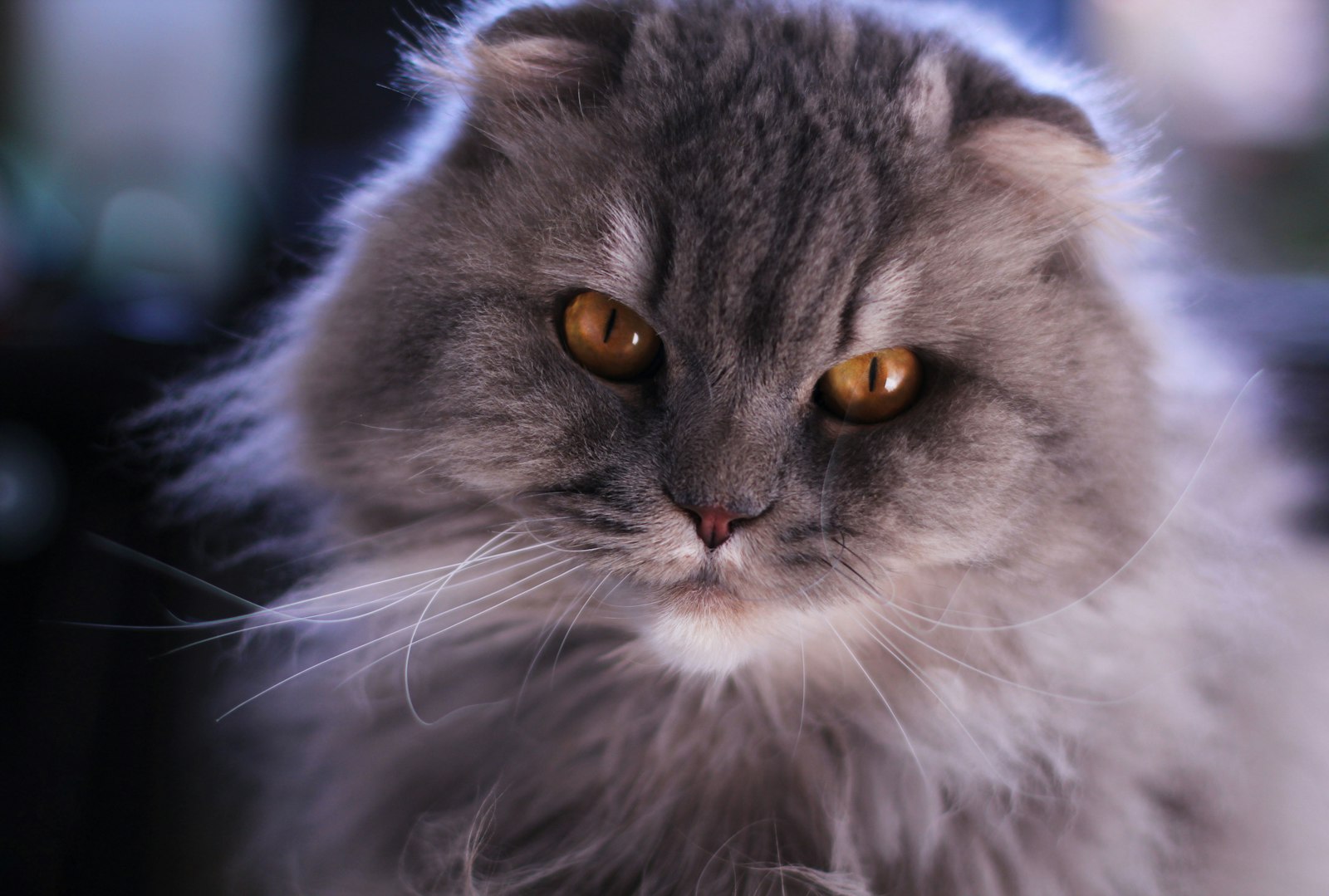
Scottish Folds are generally healthy cats, but their unique genetic mutation brings specific health considerations. Understanding these helps you provide the best preventive care for your Fold.
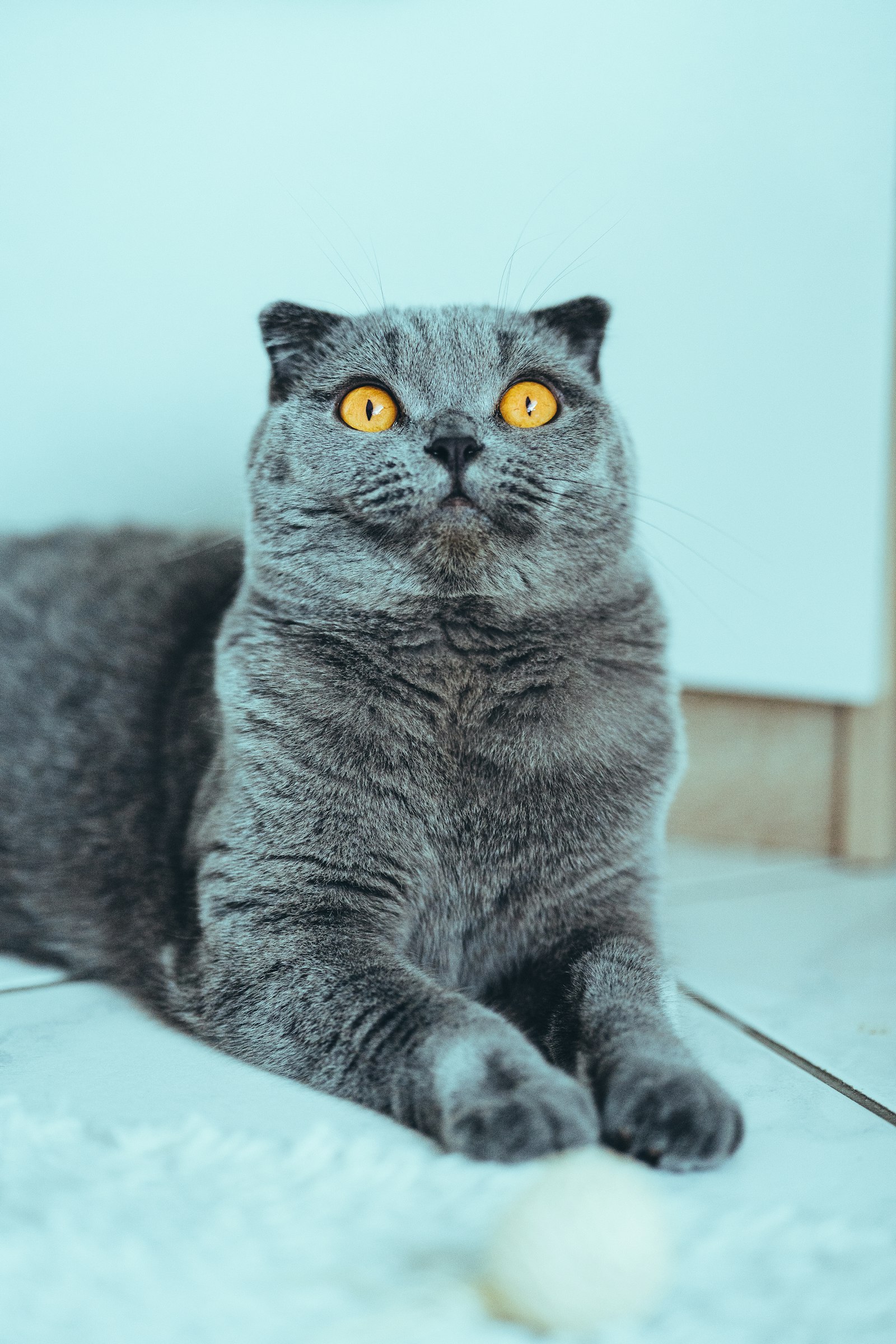
Osteochondrodysplasia
This is the most significant health concern. The same cartilage mutation that causes the ear fold affects cartilage throughout the body, particularly in the joints. It can cause progressive arthritis, stiffness, and pain.
Responsible breeders avoid breeding two Folds together — Fold × Straight matings produce healthier kittens. Even with proper breeding, some Folds develop joint issues.
Ear Problems
Folded ears trap wax and debris, increasing infection risk. Check ears weekly for redness, odor, or excessive wax. Clean gently with vet-approved solution.
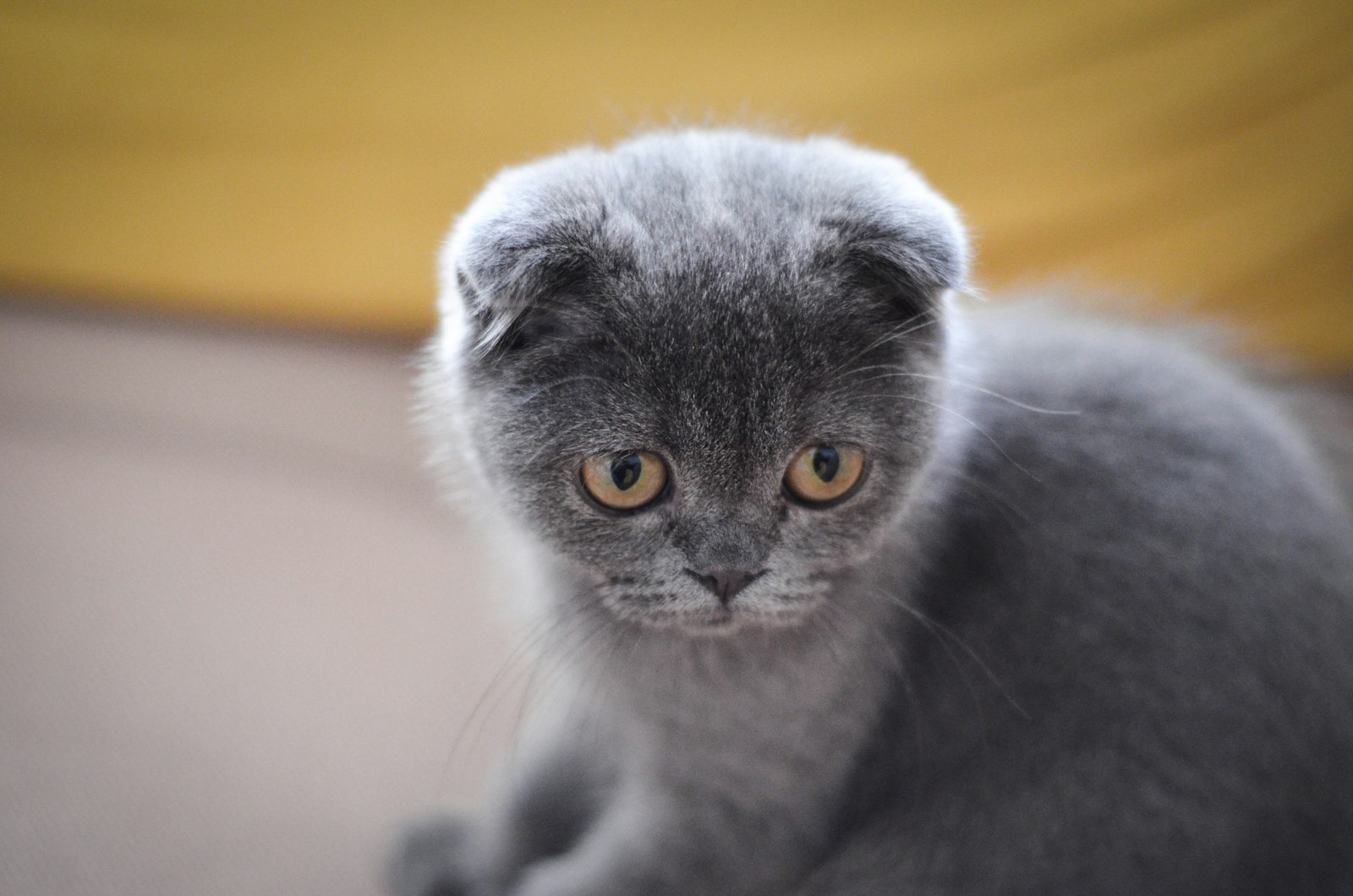 [warning]If your Scottish Fold shows signs of joint pain — stiffness, reluctance to jump, limping, or unusual sitting positions — consult your vet promptly. Early intervention can significantly improve quality of life.[/warning]
Heart Disease
Hypertrophic cardiomyopathy (HCM) can affect Scottish Folds. Regular cardiac screening helps detect issues early. Watch for lethargy, rapid breathing, or sudden weight loss.
Preventive Care
- Annual wellness exams with joint assessment
- Weight management to reduce joint stress
- Joint supplements from an early age
- Regular ear cleaning and checking
- Cardiac screening annually
Lifespan
With proper care, Scottish Folds live 11-15 years. Some live longer with excellent joint management and regular veterinary care.