Persian Care Guide: Everything You Need to Know
Your complete guide to Persian cat care — from daily grooming routines and eye cleaning to health screening and creating the ideal environment for this luxurious breed.
Read article


Felis catus
The ultimate luxury lap cat — glamorous, gentle, and wonderfully calm.
Deep Dive
The Persian cat is one of the oldest and most storied breeds in the feline world. Their ancestors originated in Persia (modern-day Iran), where long-haired cats were discovered by European travelers and explorers in the 1600s. These exotic, fluffy cats were brought back to Italy and France, where they immediately captivated aristocracy and nobility.
Persian cats quickly became favorites among European royalty and the upper class. Their luxurious coats and dignified demeanor made them perfect companions for wealthy households. The breed was formally recognized by the Cat Fanciers' Association (CFA) in 1895, and they have remained one of the most popular pedigree breeds ever since.
The modern Persian has evolved significantly from their ancestors. Selective breeding has produced the distinctive flat face (brachycephalic structure), round eyes, and extremely long, luxurious coat that defines the breed today. The "peke-face" or ultra-flat Persian type became popular in the mid-20th century and remains the show standard, though many pet Persians have a less extreme "doll-face" structure.
The Persian cat is the epitome of feline elegance and tranquility. They are calm, sweet-tempered, and exceptionally gentle cats who thrive on a peaceful, predictable routine. Persians are not demanding or vocal — they communicate with soft, delicate meows and prefer to express affection through quiet companionship rather than active engagement.
Persians are devoted lap cats who form strong bonds with their favorite people. They enjoy being held, petted, and cuddled, and they will follow their owners from room to room with a quiet, dignified presence. They are not as playful or active as many breeds — they prefer to survey their domain from a comfortable cushion or sunny windowsill.
Despite their regal appearance, Persians are surprisingly adaptable to apartment living and smaller spaces. They are not climbers or jumpers — their low energy level and moderate size make them ideal for quiet households. They get along well with gentle children and calm dogs, but they prefer a serene environment without loud noises or chaotic activity. Persians are the perfect companion for someone who wants a beautiful, loving cat who asks for nothing more than gentle attention and a warm lap.
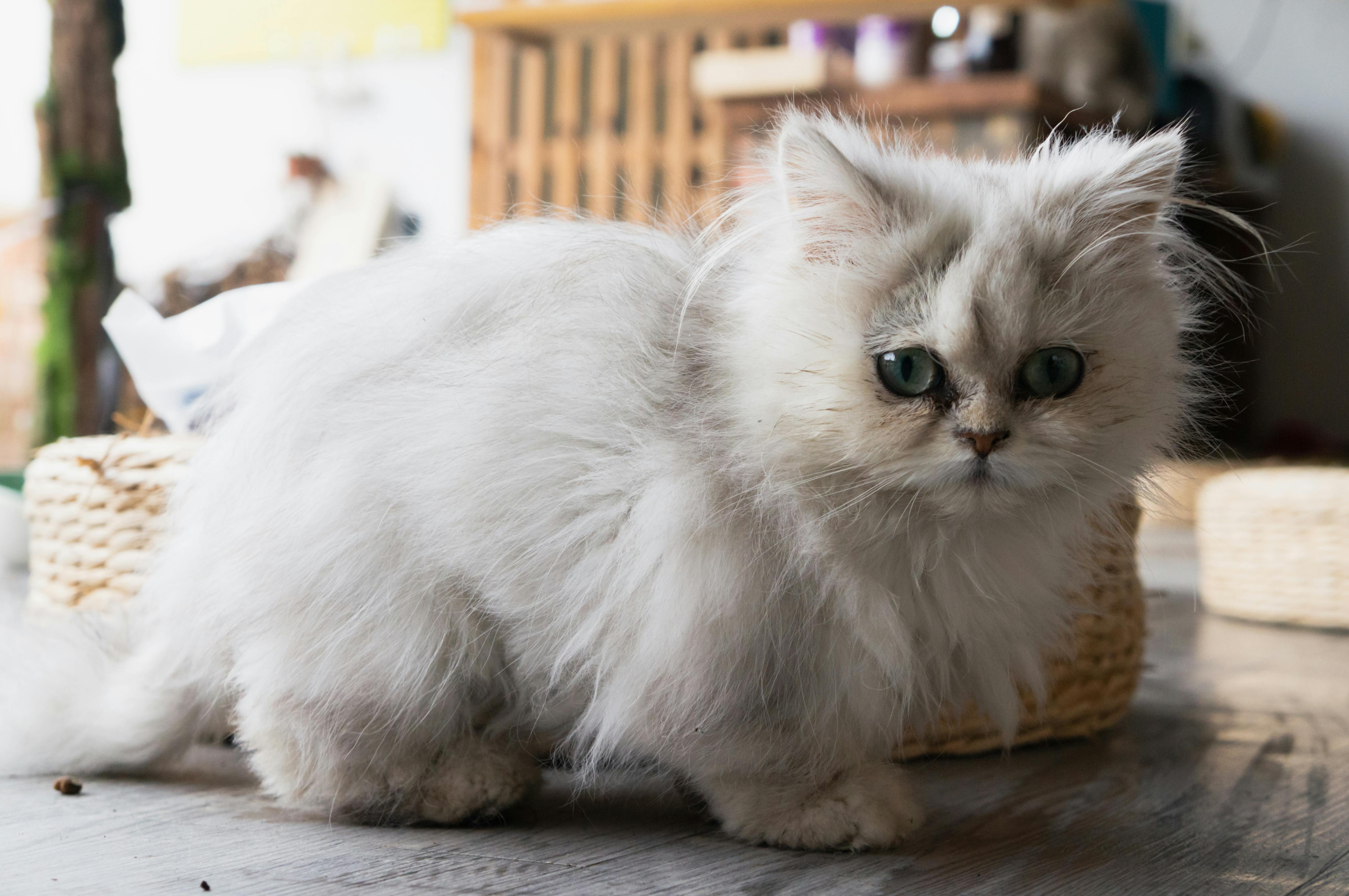
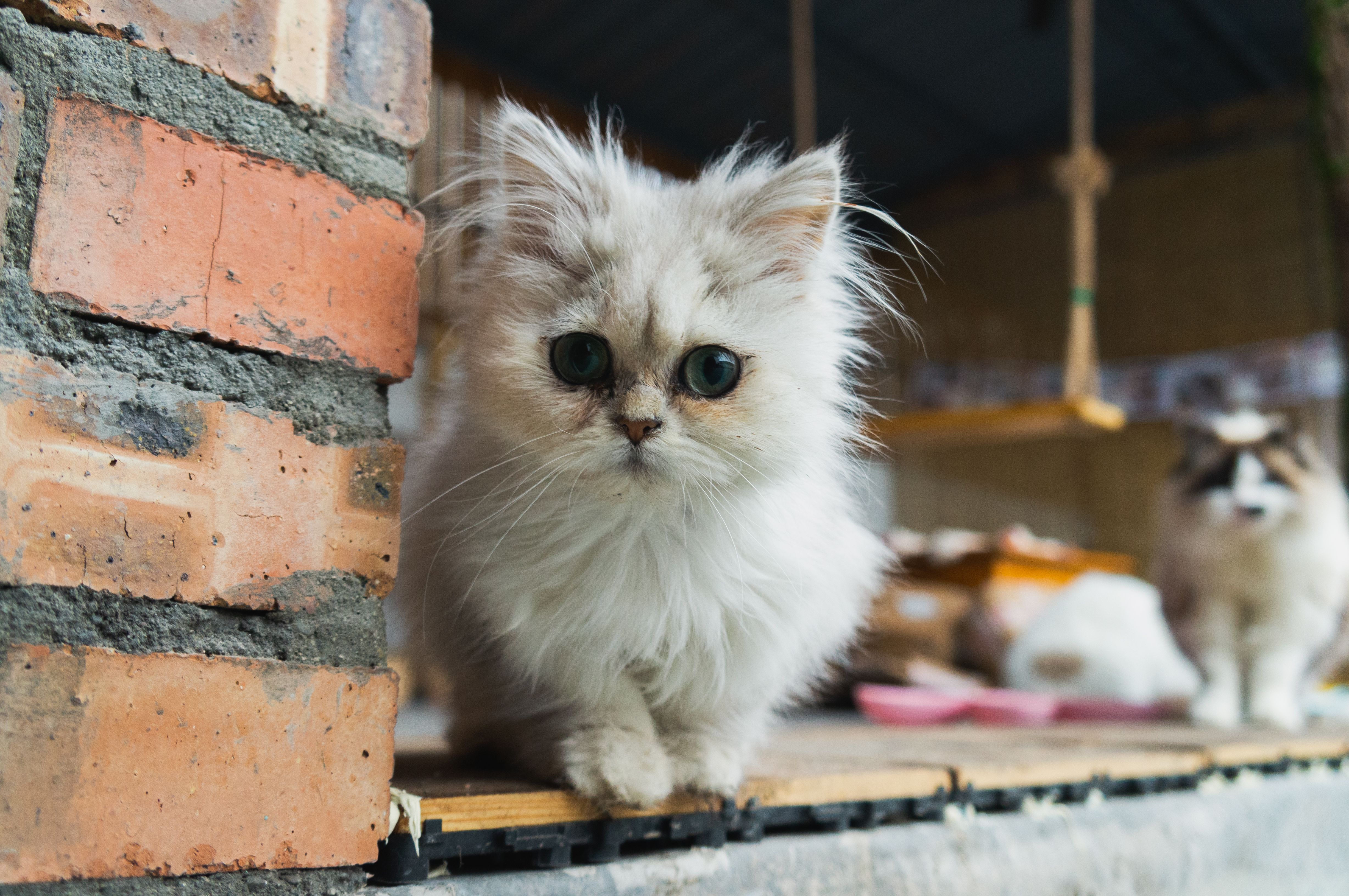
The Persian cat is instantly recognizable by their distinctive flat face, round eyes, and extraordinarily long, luxurious coat. They are a medium-sized cat with a cobby, muscular build — broad chest, short legs, and a round, solid body. Males typically weigh 9–14 pounds; females are smaller at 7–11 pounds.
Their long, thick double coat is the breed's crowning glory. The coat is fine-textured, silky, and can grow to impressive lengths, especially around the neck (forming a magnificent ruff), the hindquarters (creating "britches"), and between the toes (tufted paws). The breed is accepted in over 80 color and pattern combinations, including solid white, black, blue, cream, red, silver, golden, smoke, tabby, calico, and bicolor.
Their brachycephalic (flat) face is the breed's most distinctive feature. Large, round, wide-set eyes in copper, blue, or odd-eyed varieties give them a sweet, innocent expression. The nose is short and snubbed, with a pronounced stop between the eyes. Small, rounded ears sit low on a broad, round head. This facial structure, while beautiful, requires special attention to eye care and breathing health.
Living with a Persian cat is a serene, luxurious experience. These cats are the definition of quiet companionship — they do not demand attention, climb curtains, or create chaos. Instead, they offer a calm, graceful presence that transforms any home into a peaceful sanctuary. Persians are ideal for people who want a beautiful, loving cat with a gentle, undemanding personality.
Persians are low-energy cats who are perfectly content with a sedentary lifestyle. They enjoy short play sessions with gentle toys (feather wands, soft balls) but spend most of their day lounging on cushions, cat beds, or their owner's lap. They are not climbers or jumpers — provide low, comfortable perches rather than tall cat trees. Their quiet nature makes them excellent apartment cats and ideal companions for seniors or people who work from home.
The most demanding aspect of living with a Persian is their extensive grooming needs. Their long coat requires daily brushing to prevent matting and tangling. Regular eye cleaning is essential due to their flat facial structure, which causes tear overflow. Many owners choose to have their Persian's coat professionally clipped short (a "lion clip") to reduce grooming demands while maintaining the breed's elegant appearance.
Persians are prone to several health concerns related to their brachycephalic structure and genetics. Polycystic kidney disease (PKD) is a significant concern in the breed — responsible breeders test for the PKD1 gene mutation. Respiratory difficulties, eye problems, and dental issues are common due to their flat face. Regular veterinary care and proactive health screening are essential for maintaining your Persian's quality of life.
At a Glance
Ownership Guide
Low energy needs — 5–10 minutes of gentle play daily. Persians prefer leisurely wand toy sessions and soft balls over intense activity. Provide low perches and comfortable resting spots. They are not climbers or jumpers.
Feed 1/4–1/3 cup high-quality dry food twice daily, supplemented with wet food. Persians can be picky eaters. Their flat face makes picking up kibble difficult — choose small, flat kibble shapes. Monitor weight carefully.
Daily brushing is essential to prevent matting. Use a wide-toothed metal comb and a slicker brush. Clean eyes daily with a damp cotton ball. Professional grooming every 4–6 weeks. Many owners opt for a short "lion clip".
Persians are not highly trainable but respond to gentle positive reinforcement. They learn basic routines and respond to their name. Keep interactions calm and patient. They are not motivated by high-energy play or complex tricks.
Persians are naturally gentle and accept most people and calm pets. They prefer quiet environments and may be stressed by loud noises or chaotic activity. Early socialization helps, but their calm nature makes them naturally well-adjusted.
Annual wellness exams with emphasis on kidney function (PKD screening), respiratory health, eye care, and dental assessment. Persians require proactive veterinary care due to their brachycephalic structure and genetic health concerns.
Wellness
PKD is a significant genetic concern in Persians — up to 36-49% of the breed may carry the PKD1 gene mutation. DNA testing is available. Responsible breeders test both parents. Annual kidney screening from age 3 onward is recommended.
The flat facial structure causes narrowed nostrils, elongated soft palate, and breathing difficulties. Persians may snore, pant, or struggle in hot weather. Avoid stress, heat, and overexertion. Severe cases may require surgical correction.
Their prominent, round eyes are prone to excessive tearing, entropion (inward-turning eyelids), and cherry eye. Daily eye cleaning with a damp cotton ball is essential. Watch for discharge, redness, or squinting — signs of infection or injury.
Brachycephalic facial structure causes dental crowding and misalignment. Persians are prone to periodontal disease, tooth resorption, and malocclusion. Daily tooth brushing and annual professional dental cleanings are essential.
Their long coat is prone to matting, which can cause skin irritation and infection. Oil gland hyperplasia (stud tail) is common. Ringworm and other fungal infections can develop in matted areas. Regular grooming prevents most issues.
Persians are among the gentlest, most affectionate cat breeds. Their calm, sweet nature makes them ideal companions for quiet households. They form strong bonds with their owners and thrive on gentle attention.
Persians are perfectly suited to indoor life. Their low energy level, moderate size, and quiet nature make them ideal apartment cats. They do not need outdoor access and are content with a comfortable, enriched indoor environment.
Persians are devoted companions who enjoy being held and cuddled. They are patient, tolerant, and gentle — ideal for seniors, quiet families, or anyone seeking a loving, low-maintenance (personality-wise) companion.
Further Reading
Your complete guide to Persian cat care — from daily grooming routines and eye cleaning to health screening and creating the ideal environment for this luxurious breed.
Read article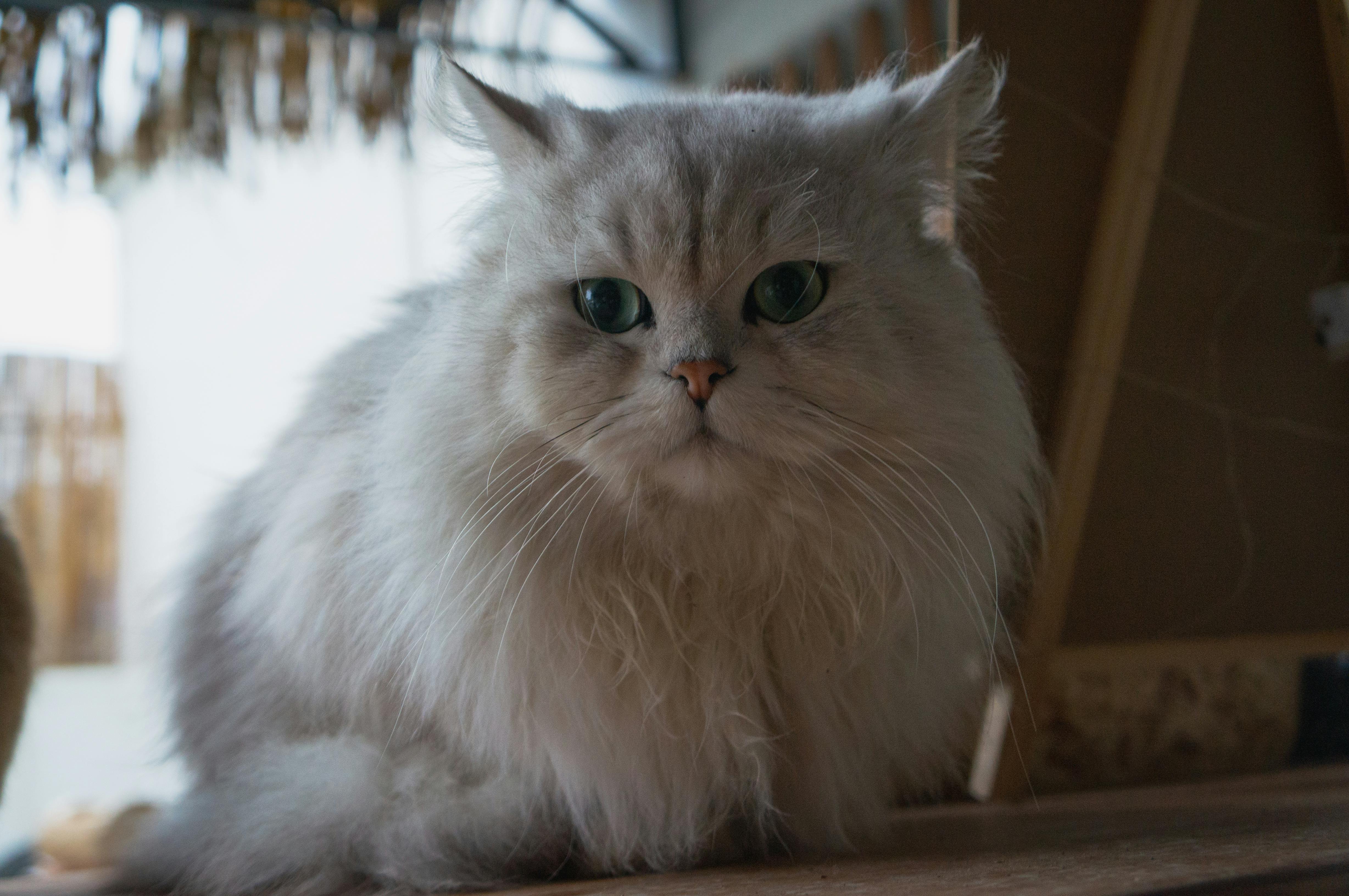
Learn the ideal diet for your Persian cat — picky eating solutions, flat-face feeding tips, kidney health nutrition, and dietary needs at every life stage.
Read article
Understand the health risks facing Persian cats — from PKD and respiratory issues to eye problems and dental disease — and learn evidence-based prevention strategies.
Read article
Discover effective training techniques for Persian cats — from gentle socialization to litter box mastery and managing their quiet, dignified personality.
Read article
Master the art of Persian cat grooming — daily brushing techniques, mat prevention, eye cleaning, professional grooming options, and the lion clip decision.
Read article
What to expect when you bring a Persian cat into your home — daily routines, grooming commitment, personality quirks, and the unique joys of this glamorous breed.
Read articleYou May Also Like

