Birman Care Guide: A Practical Routine for Blue-Eyed Companions
Build a practical Birman care routine with silky coat grooming, measured meals, safe play, social time, and clear signs that your cat needs veterinary help.
Read article


Felis catus
Blue eyes, white gloves, and a silky coat with a companionable spirit
Deep Dive
The Birman's alternative name, Sacred Cat of Burma, introduces a memorable origin story rather than a verified account of how the breed developed. Temple legends connect blue eyes, pale feet, and richly colored points with sacred transformations. They are part of the breed's cultural storytelling, not scientific explanations of coat genetics or evidence that today's pedigree cats descend from an identifiable temple colony. Accounts of the first journey from Burma to France also vary. The Cat Fanciers' Association recounts an early twentieth-century arrival involving a pregnant female, but the firmer ground for discussing the modern breed is its development in France.
European breeders established the recognizable combination of pointed coloring, blue eyes, and white gloves. The population was severely reduced during the Second World War, and recovery involved outcrossing, including to Persians and Siamese, before the breed was re-established. CFA recognition in 1967 provides a clear later milestone. None of this makes a Birman a longhaired Burmese or simply another name for a Ragdoll: those are separate breeds with their own histories and standards. When choosing a companion, registration records and documented parentage matter more than romantic ancestry claims. Even excellent paperwork cannot guarantee temperament or future health, so ask equally careful questions about upbringing, veterinary care, and the individual cat's comfort with people. A family pet's uneven gloves do not diminish its worth.
Birmans are often described as affectionate companions who enjoy participating in ordinary household life. Your cat might follow you to another room, watch a task from a nearby perch, or settle beside you instead of directly on your lap. Soft vocal communication and a moderate activity level are common breed descriptions, not promises about every individual. A kitten can be much busier than a mature adult, while a reserved rescue may need considerable time before seeking contact. PetlyWise trait scores describe editorial tendencies, not measured probabilities, and cannot predict whether a particular Birman will enjoy visitors or being held.
Treat sociability as a reason to provide choices and dependable interaction, not permission to keep touching a cat who wants space. Offer short games, let your Birman initiate affection, and pause when the tail lashes, skin ripples, ears rotate back, or the body becomes tense. Children need supervision and must allow the cat to retreat without being followed. Compatibility with other pets depends on individual histories and gradual introductions, with separate resources and safe resting places throughout. Some Birmans welcome an appropriate feline companion, but adopting another cat is not a guaranteed cure for loneliness. If a normally engaged cat becomes withdrawn, unusually clingy, or irritable, consider pain or illness as well as changes at home. Professional advice is more useful than dismissing the change as a breed quirk.
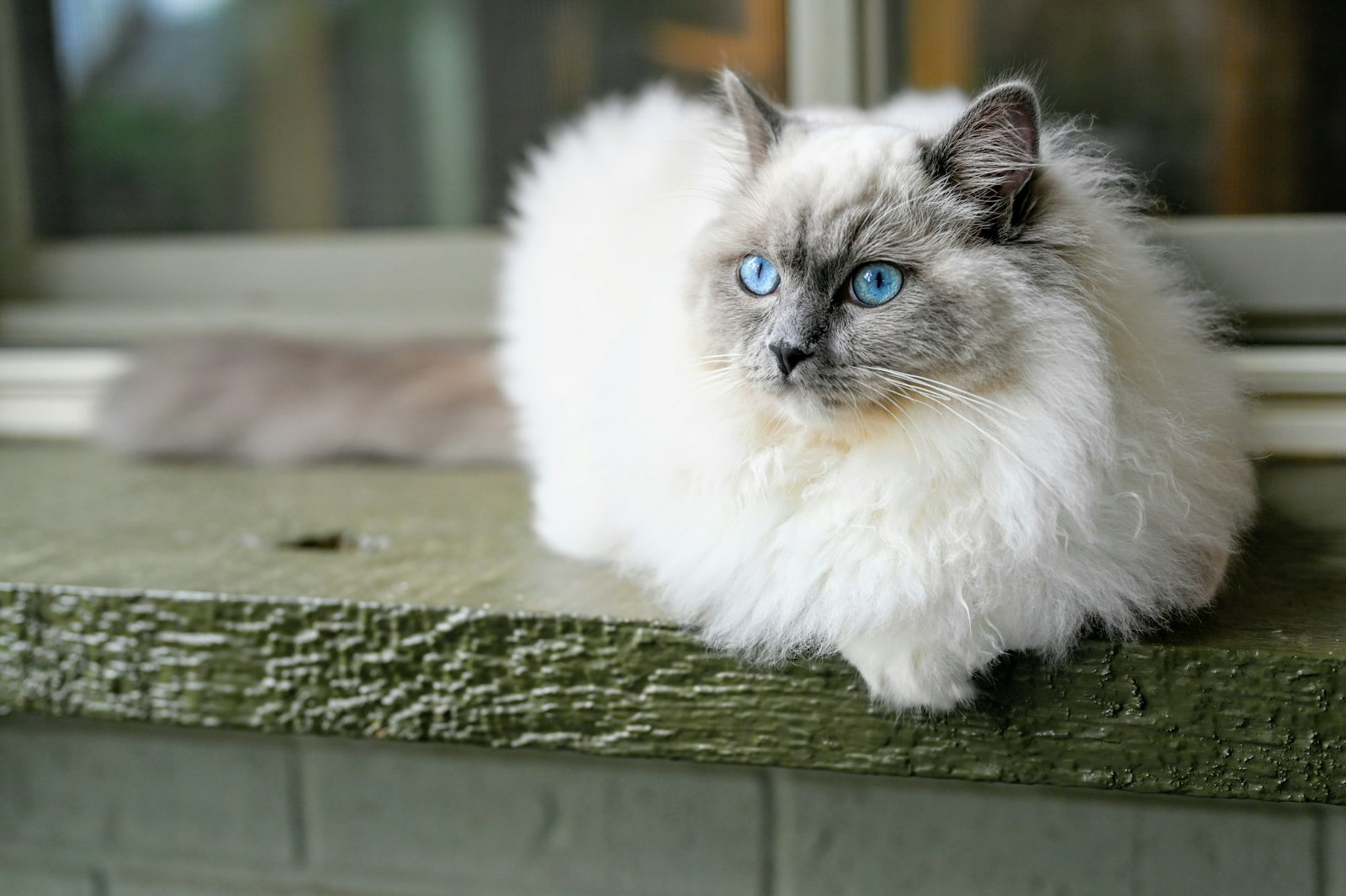
Three features make the Birman especially recognizable: blue eyes, contrasting colored points, and white gloves on all four paws. Points are the darker areas of the face, ears, legs, and tail against a lighter body. The breed standard also describes white extensions up the backs of the hind feet, often called laces. Seal and blue are familiar point colors, but registry standards include additional colors and patterns. Markings alone cannot authenticate a pedigree, and the symmetry prized in a show ring is not a measure of a cat's comfort, personality, or suitability as a companion.
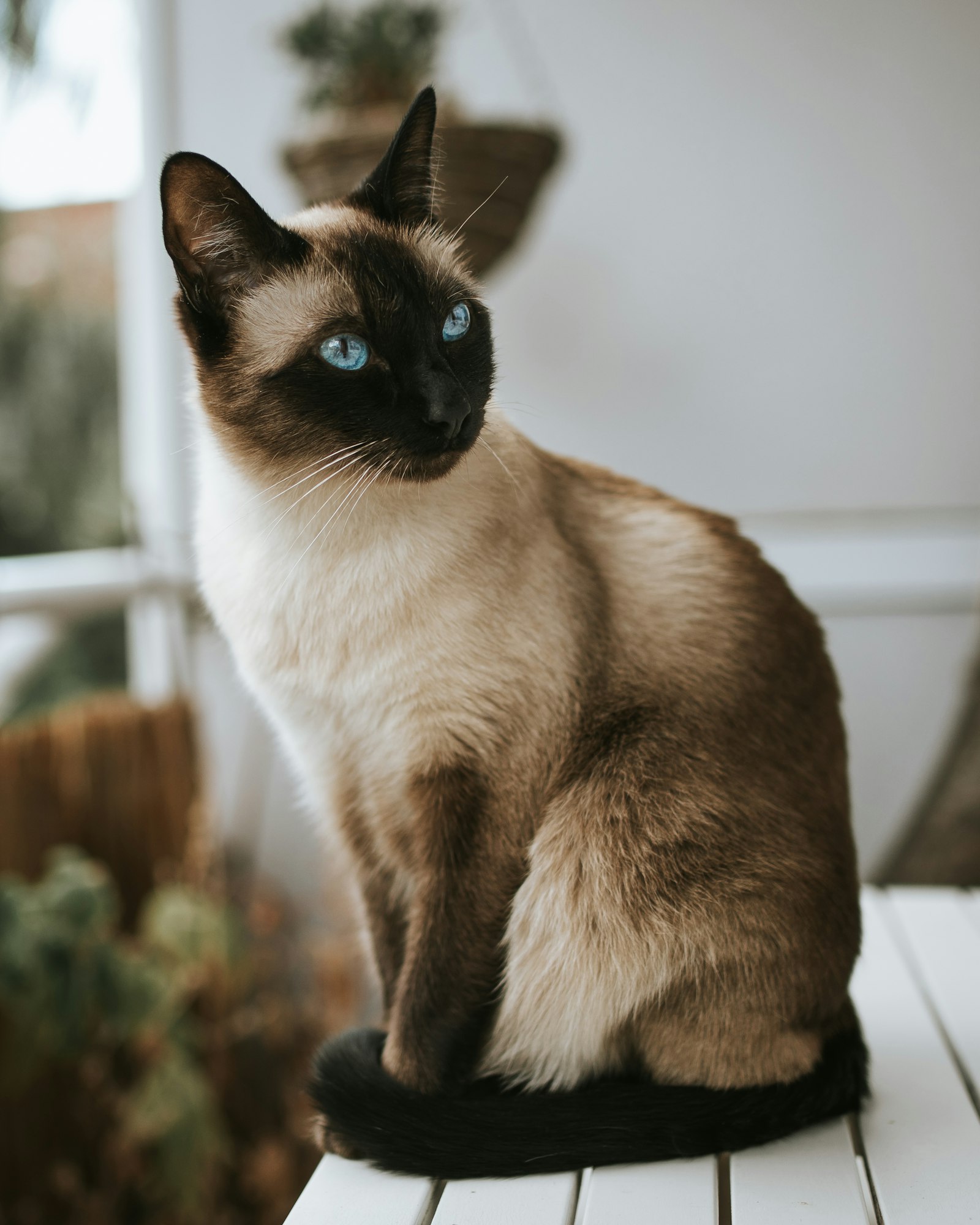
The medium-long coat has a fine, silky texture and lacks the dense undercoat that gives some longhaired cats a much woollier feel. That usually makes maintenance less demanding than the outline suggests, although friction areas can still tangle. A ruff and feathered tail contribute to the full appearance. PetMD describes adults at about twelve pounds, but that figure is a broad reference, not an ideal weight for every Birman. Assess body condition beneath the fur with veterinary guidance. A mitted Ragdoll can look similar, yet Ragdolls have a separate standard and can display other white patterns. The Burmese is also distinct, with a short coat rather than this flowing, gloved appearance. None of these visual differences establishes an allergy-safe choice: Birmans produce allergens, and a silky coat is not a hypoallergenic coat.
Living with a Birman works best when companionship is built into a practical routine rather than saved for occasional long cuddle sessions. Before work, offer a brief hunting game and a measured meal. During quieter hours, provide a stable perch, a hiding place, scratching surfaces, and safe toys the cat can use independently. Store string toys after supervised play. An indoor home can suit this breed well if it offers movement, exploration, and control over social contact. Secure windows and balconies, and use an enclosed outdoor space only when it is genuinely escape-resistant and safe.
Plan for weekly combing as a starting point, then adjust to the actual coat, seasonal shedding, and your cat's ability to groom. Check the white feet for dirt without pursuing cosmetic perfection. A complete feline diet matched to life stage, measured portions, and regular weight checks help you notice changes that the flowing coat can conceal. Keep litter boxes clean and accessible, with extra options in homes shared by several cats. Choose a sitter who will observe eating, urination, and behavior rather than simply refill bowls. Older Birmans may need lower access points and more grooming support, while kittens require closer supervision and more frequent feeding opportunities. The best household match is one that can sustain everyday care, veterinary costs, and respectful interaction across these changing stages, not one that expects the breed label to make care effortless.
At a Glance
Ownership Guide
Offer several short, supervised hunting games and stable climbing options, adjusting activity to age and comfort. Let your Birman catch the toy, then put strings and wands away between sessions.
Choose complete feline food appropriate to life stage and measure portions using the label's calorie information and a veterinary target. Keep treats at no more than 10 percent of daily calories and assess body condition beneath the coat.
Start with a gentle weekly comb-through, checking behind the ears, under the legs, and around the hindquarters more often if needed. The silky coat can still mat, and tight knots need professional help rather than scissors against the skin.
Use tiny food rewards or play to teach carrier entry, a station on a mat, and comfortable handling in small steps. Pause when your Birman withdraws instead of restraining or punishing the cat.
Build predictable interaction into the day while protecting quiet retreat spaces. Supervise children and introduce other pets gradually with separate resources, since breed sociability does not guarantee compatibility.
Arrange an initial examination and an ongoing preventive plan tailored to age, lifestyle, and medical history. Discuss family screening records and the limits of cardiac and kidney testing rather than treating a clear result as lifelong protection.
Wellness
HCM is a relevant Birman health consideration, but no prevalence estimate is implied here. Birman HCM cannot be ruled out with a breed-specific DNA clearance, and your veterinarian can advise whether cardiac imaging is appropriate.
PKD is an inherited kidney condition discussed in Birman health guidance, and genetic testing is available for the tested mutation. Ask for identifiable parental results, while recognizing that a negative result does not exclude every cause of kidney disease.
Painful urination and repeated litter-box visits affect cats of many breeds, not just Birmans. Straining with little or no urine requires immediate veterinary attention because an obstruction can be life-threatening.
A full coat can conceal weight gain or muscle loss, so combine weighing with a hands-on body-condition assessment. Obesity is a general feline concern rather than a claimed Birman-specific disorder.
Drooling, dropping food, or a new preference for softer textures can signal oral pain in any cat. Seek an examination rather than assuming a sociable Birman who still approaches meals has a healthy mouth.
Track appetite, water intake, litter-box habits, activity, and coat condition so subtle changes are easier to describe. Regular examinations support earlier investigation but cannot prevent every inherited condition.
A veterinarian can tailor vaccination, parasite prevention, and dental care to your Birman's circumstances. Predictable routines, safe enrichment, and accessible resources support wellbeing without guaranteeing freedom from disease.
Further Reading

Build a practical Birman care routine with silky coat grooming, measured meals, safe play, social time, and clear signs that your cat needs veterinary help.
Read article
Plan Birman meals using complete cat food, label calories, measured portions, and body condition, with practical guidance for treats, water, and food changes.
Read articleUnderstand Birman heart and kidney screening, everyday feline health concerns, and warning signs, without assuming genetic tests guarantee a healthy cat.
Read article
Teach your Birman carrier confidence, gentle handling, and useful household habits with rewards, while respecting body language, social needs, and quiet space.
Read article
Care for your Birman's silky coat and white gloves with gentle combing, sensible spot cleaning, mat prevention, and clear limits on bathing and home trimming.
Read article
Explore life with a Birman, from workday companionship and family boundaries to other pets, travel plans, and the differences from Ragdoll and Burmese cats.
Read articleYou May Also Like