Living With a Ragdoll Cat: The Ultimate Lap Cat
What it's really like to share your life with a Ragdoll — their gentle nature, puppy-like behavior, and the joy of living with this fluffy giant.
Read article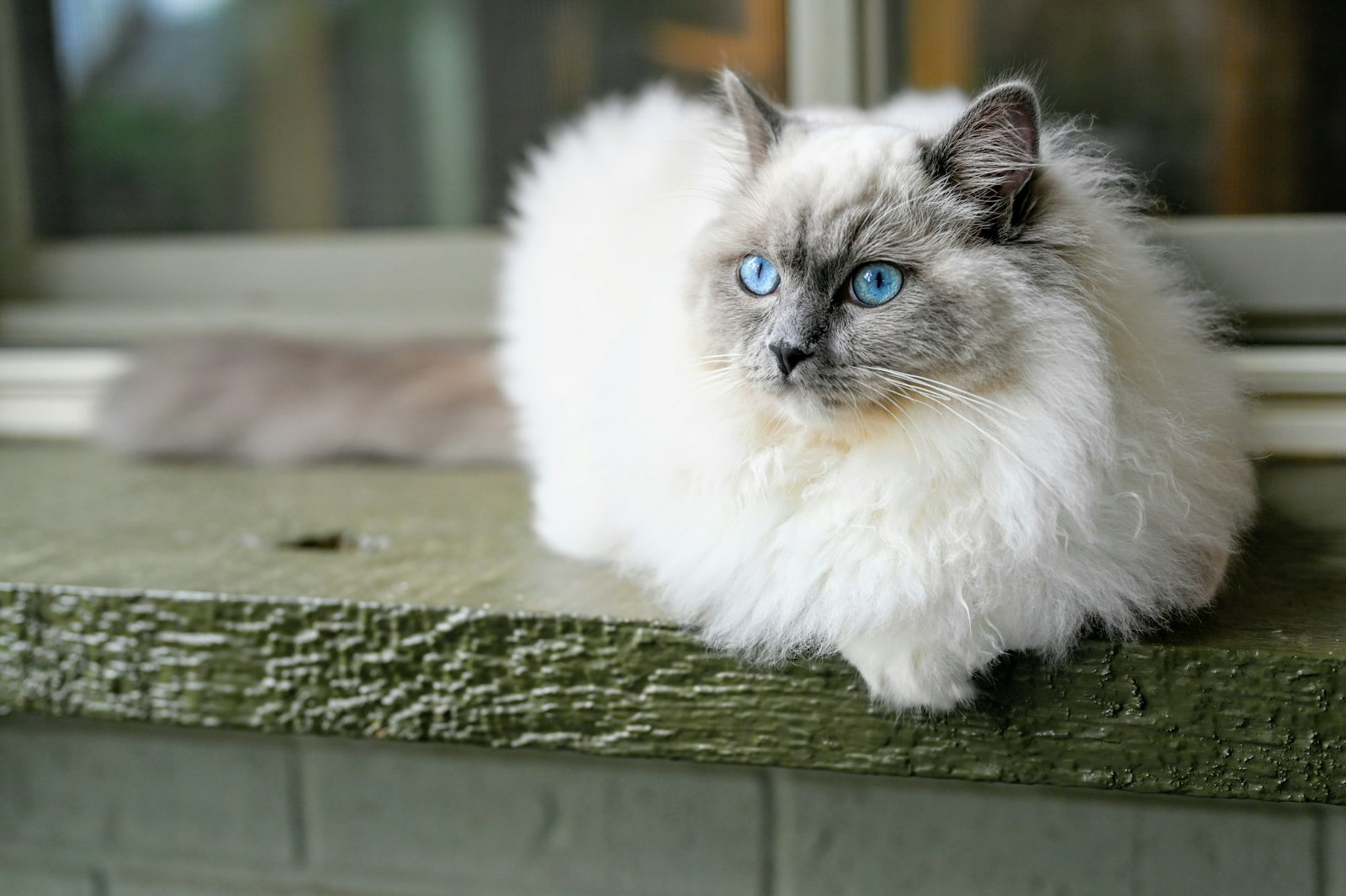
Felis catus
The world's most relaxed giant — gentle, loving, and impossibly fluffy
Deep Dive
The Ragdoll breed was developed in the 1960s by Ann Baker, a breeder in Riverside, California. The founding cat was a white, long-haired female named Josephine, who was described as a "Persian-type" cat. After an accident, Josephine's kittens reportedly displayed an unusually docile, relaxed temperament — going limp when picked up, hence the name "Ragdoll."
Baker selected for this docile temperament and developed the breed using various long-haired cats. The exact breeds used remain somewhat mysterious, but likely included Persian, Birman, and Burmese-type cats.
The Ragdoll was recognized by the CFA in 1993 and has since become one of the most popular cat breeds worldwide. Their combination of large size, beautiful appearance, and exceptionally gentle temperament has earned them the nickname "puppy cats."
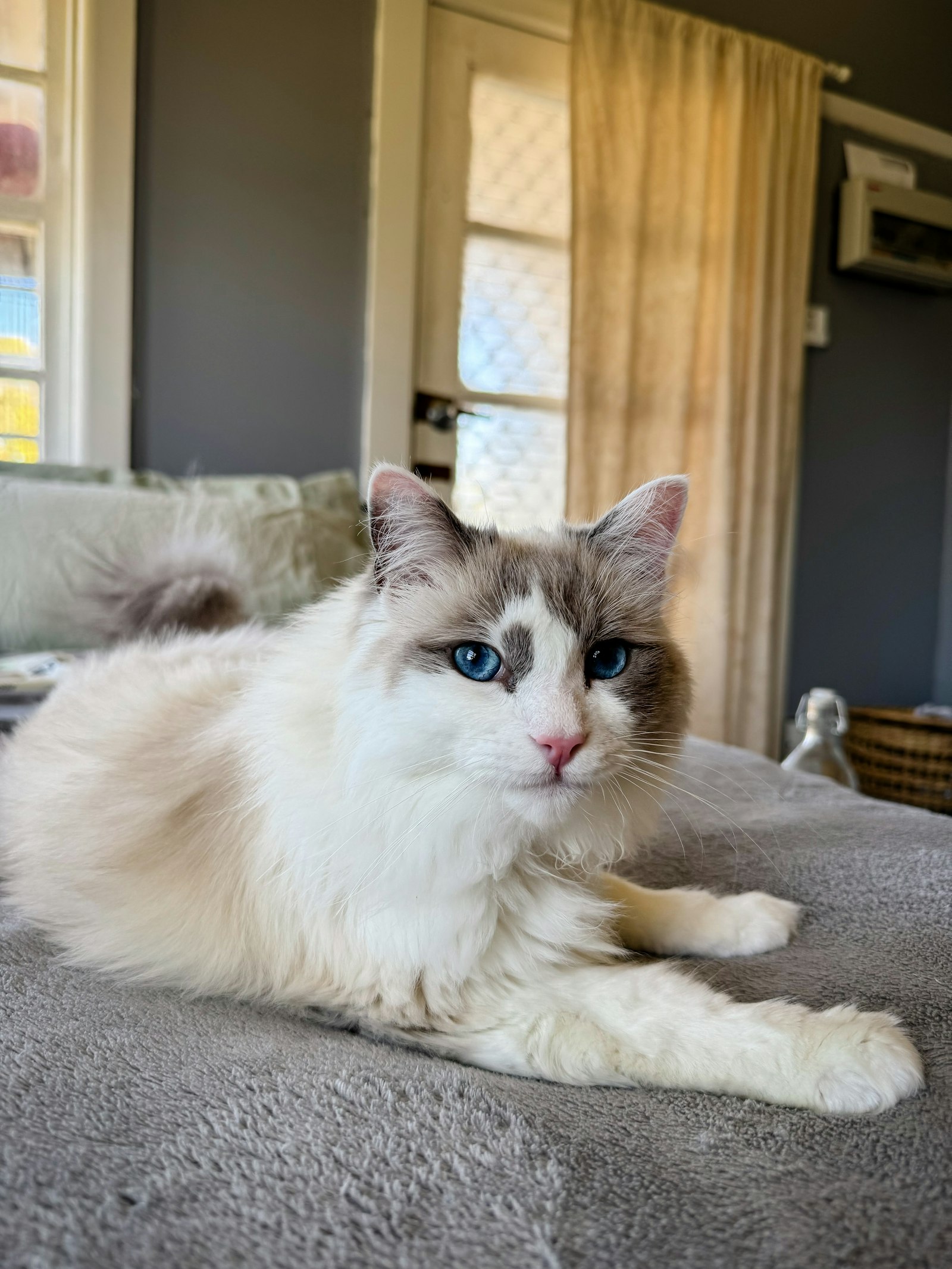
Ragdolls are the ultimate lap cats. They are famous for going completely limp and relaxed when held — their muscles literally relax in your arms. This trait makes them exceptionally easy to handle and wonderful with children.
They are often called "puppy cats" because they follow their owners from room to room, greet visitors at the door, and can even learn to fetch. They are social, people-oriented cats who prefer to be with their humans.
Despite their large size, Ragdolls are not particularly active. They are content to lounge, be carried around, and cuddle. They have a soft, quiet voice and are not demanding or vocal. This makes them ideal for apartments and quiet households.
Ragdolls are one of the largest domestic cat breeds. Males typically weigh 15-20 pounds and females 10-15 pounds. They are slow to mature, not reaching full size until about 4 years of age.
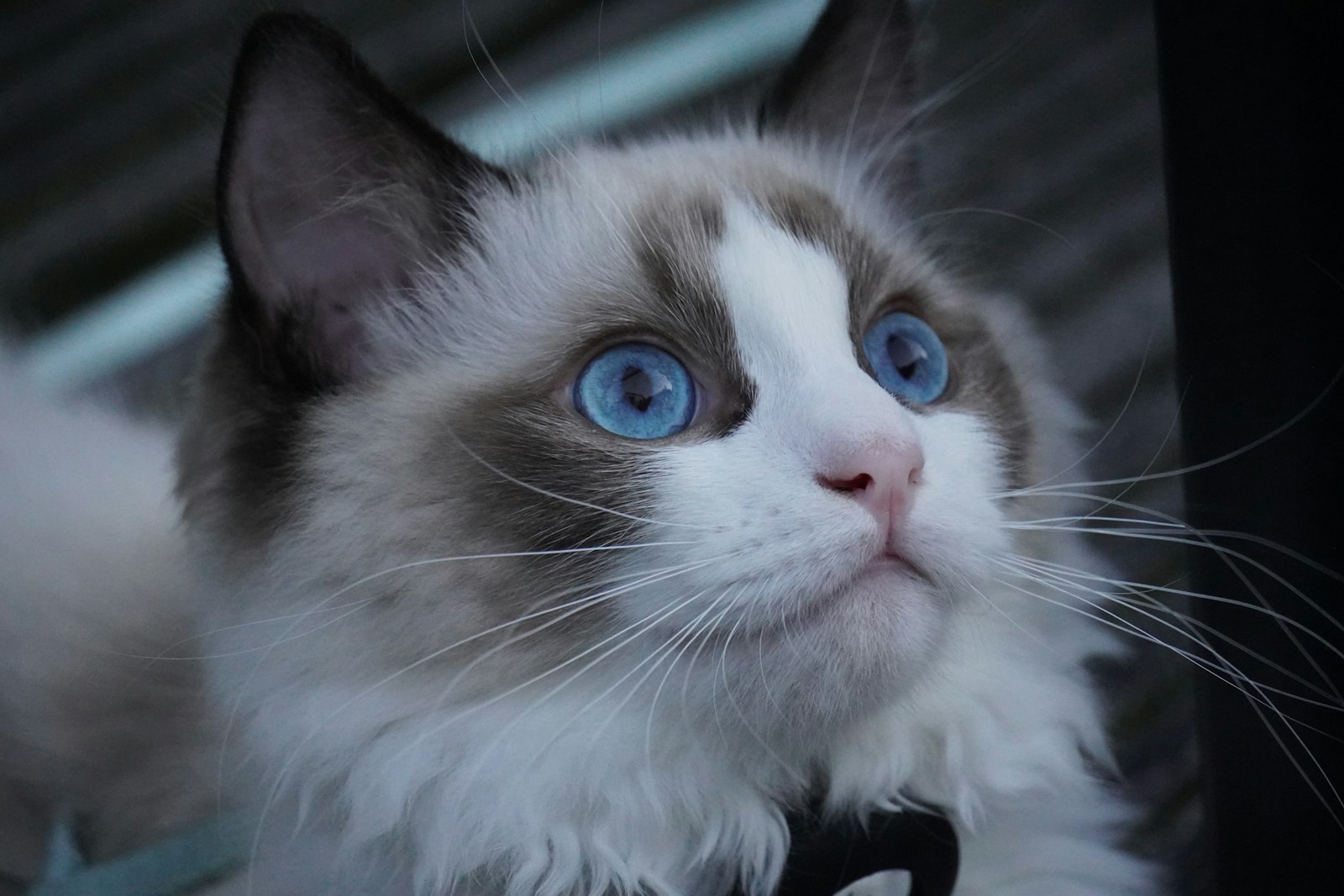
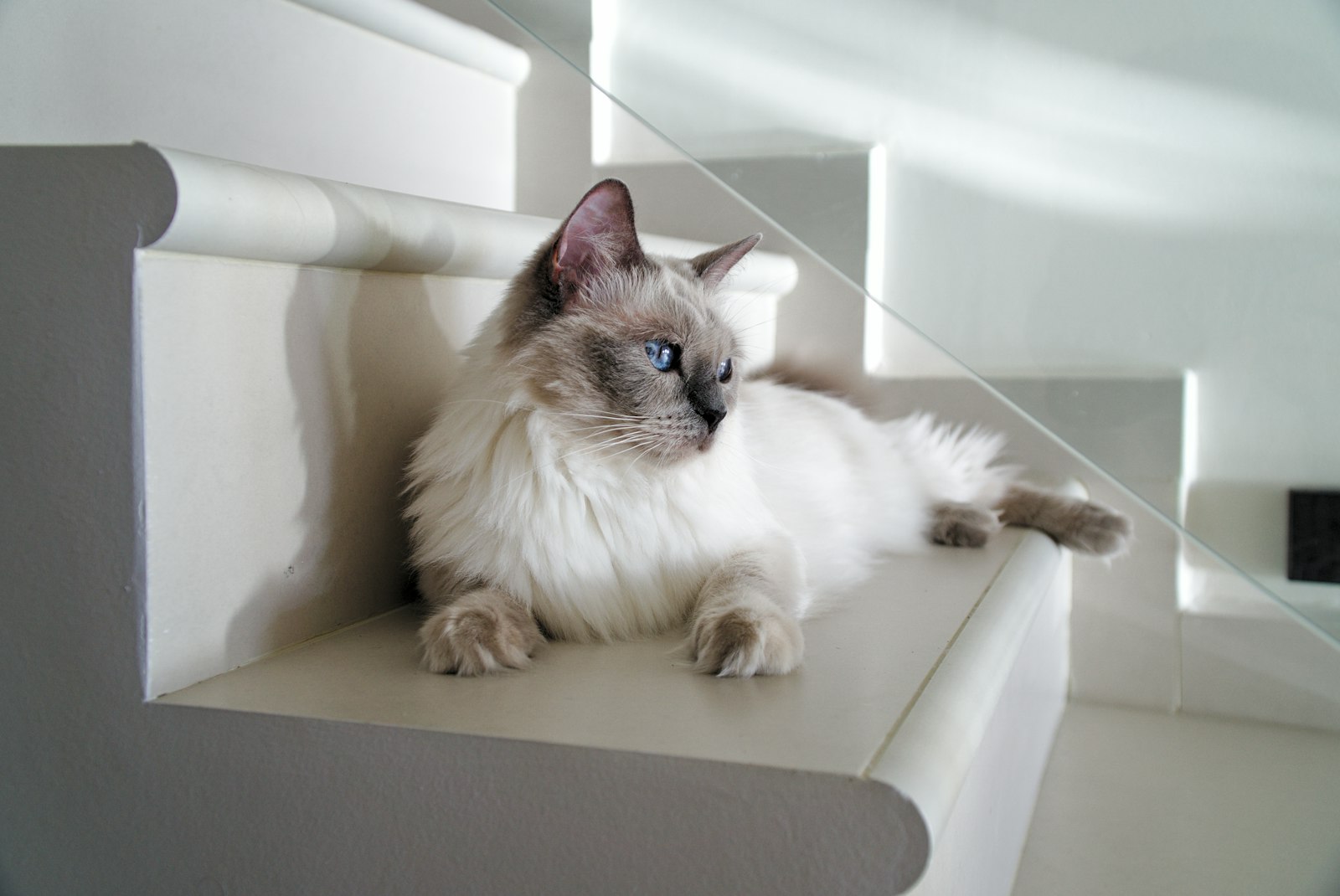
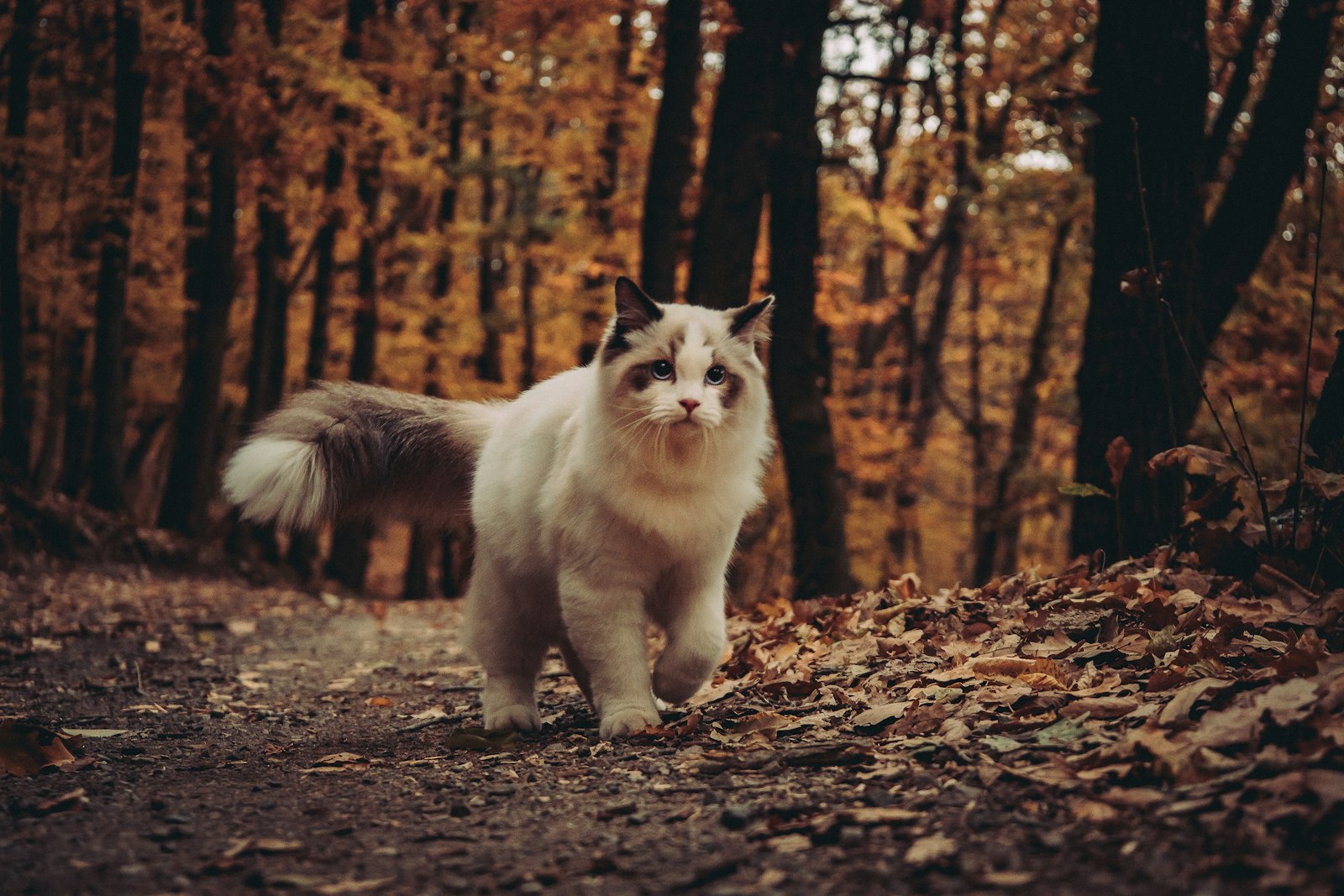
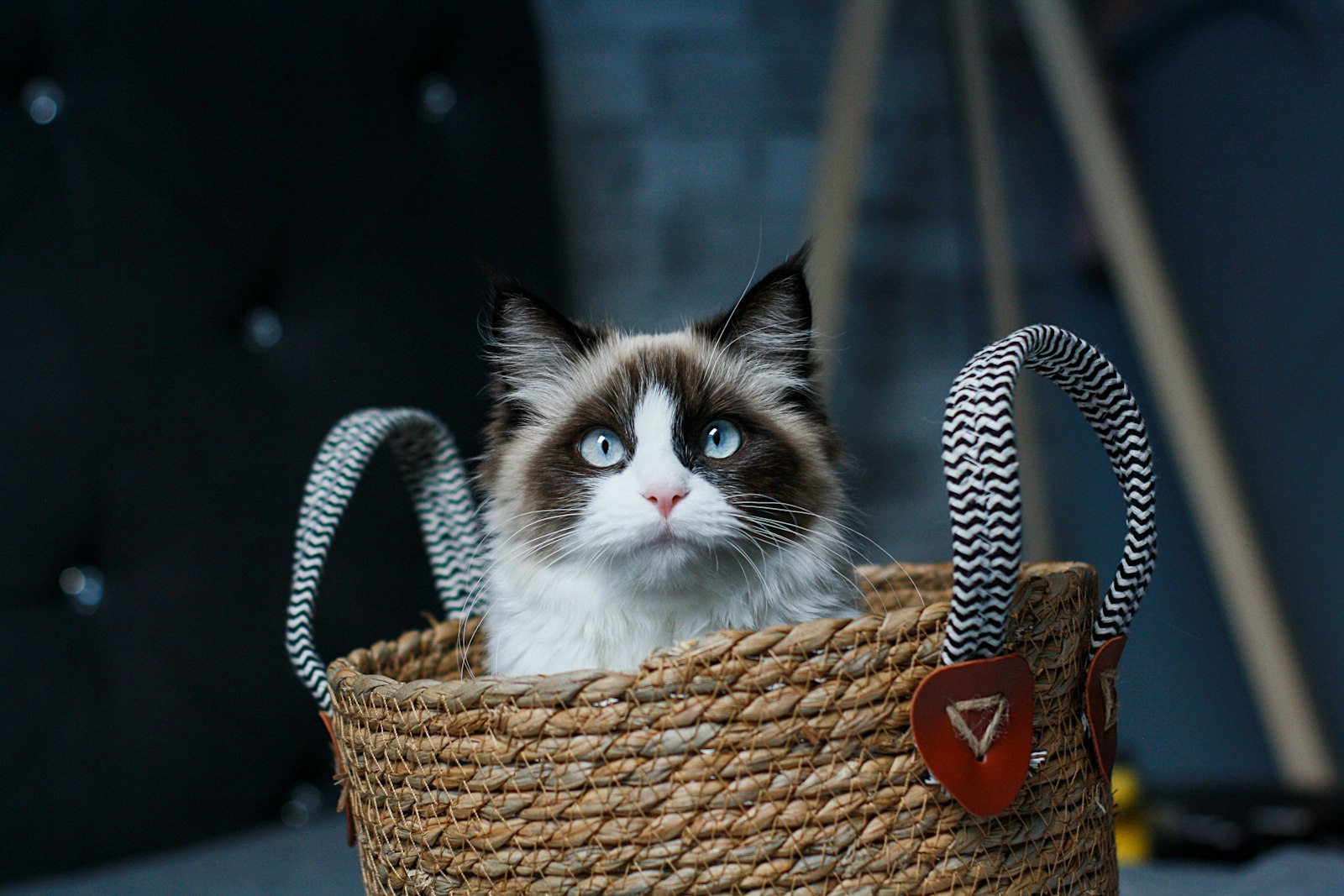
They have a semi-long, silky coat that feels like rabbit fur. The coat is color-point (darker on ears, face, legs, and tail) with striking blue eyes. Common colors include seal, blue, chocolate, and lilac points.
Their bodies are long, muscular, and substantial. They have a broad chest, sturdy legs, and a plush, bushy tail. Despite their size, Ragdolls move with a graceful, relaxed gait that reflects their easy-going nature.
Photo credits: @dbmartin00 (Unsplash License), @mattf96 (Unsplash License), @allewollenalex (Unsplash License), @husqqqy (Unsplash License), @greenmood (Unsplash License), @umarkas1 (Unsplash License)
Ragdolls are ideal house cats. They are not climbers or jumpers — you won't find a Ragdoll on top of your kitchen cabinets. They prefer floor-level activities and comfortable spots to lounge.
Their docile nature means they need protection from outdoor dangers. Ragdolls should be indoor-only cats — they lack the survival instincts and agility of more active breeds.
Grooming is moderate — their semi-long coat needs brushing 2-3 times weekly to prevent matting. They are generally easy-going about grooming and enjoy the attention. Regular nail trimming, ear cleaning, and dental care complete the routine.
At a Glance
Ownership Guide
Low exercise needs — gentle play sessions and interactive toys. They prefer lounging to climbing. Provide comfortable resting spots at floor level.
Feed high-quality food for large breeds. Ragdolls are slow growers — feed kitten food until 12 months. Adults need 1/2 to 3/4 cup premium food daily.
Brush 2-3 times weekly to prevent matting. Their silky coat is relatively low-maintenance. Regular nail trimming, ear cleaning, and dental care essential.
Ragdolls respond well to gentle training. They can learn fetch and basic commands. Positive reinforcement with food rewards works best.
Naturally social and friendly. They get along with everyone — children, dogs, other cats. Early socialization ensures confidence in various situations.
Annual wellness exams. Discuss heart screening (HCM) and urinary health. Large breeds benefit from joint supplements as they age.
Wellness
Ragdolls are robust cats with good overall health when from responsible breeders who test for genetic conditions.
Their docile nature makes them safe and wonderful companions for families with children.
Hypertrophic cardiomyopathy is the most serious concern. Request cardiac screening from breeders.
Bladder stones and urinary tract issues can occur. Ensure proper hydration and discuss diet with your vet.
Their low activity level makes them prone to weight gain. Monitor portions carefully.
PKD can occur in some lines. Genetic testing is available — ask breeders for results.
Further Reading
What it's really like to share your life with a Ragdoll — their gentle nature, puppy-like behavior, and the joy of living with this fluffy giant.
Read articleComplete Ragdoll grooming guide covering their silky semi-long coat, brushing techniques, bathing, and routine care.
Read articleExpert training guide for Ragdoll cats covering their puppy-like behavior, gentle nature, tricks, and building a strong bond.
Read articleComprehensive guide to Ragdoll cat health including heart disease (HCM), urinary issues, obesity, and preventive care strategies.
Read articleComplete nutrition guide for Ragdoll cats covering large-breed diet, weight management, and feeding tips for this gentle giant.
Read articleComplete care guide for Ragdoll cats covering their docile nature, grooming, exercise, nutrition, and health for this gentle giant breed.
Read articleYou May Also Like