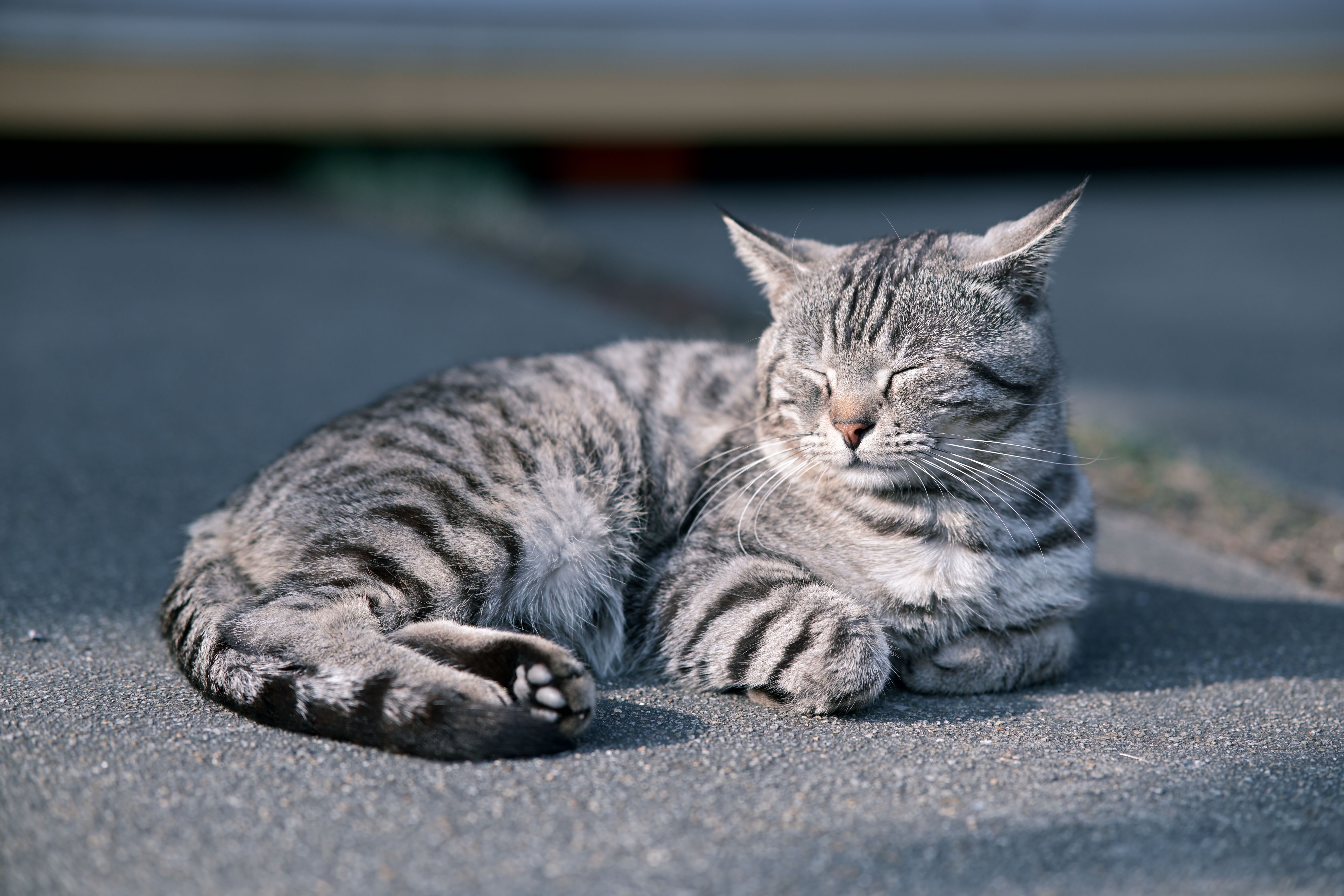
The American Shorthair is a confident, adaptable cat with a moderate level of intelligence and a willingness to interact with their humans. While they are not as intensely trainable as some breeds, their easygoing nature and food motivation make them responsive to positive reinforcement training. Understanding their balanced personality — independent but affectionate, playful but not hyperactive — is the key to successful training.
Understanding American Shorthair Behavior
American Shorthairs are naturally confident and well-adjusted. Their centuries of natural selection in America produced cats who were not only efficient hunters but also tolerant of humans, children, and other animals. This balanced temperament makes them one of the most adaptable breeds available.
They are moderately vocal — they communicate with soft meows and chirps but are not loud or demanding. They are independent enough to entertain themselves for periods but genuinely enjoy companionship and interactive play. They are not lap cats in the extreme — they prefer to sit near you rather than on you — but they are affectionate and attentive.
Litter Box Training
American Shorthairs are straightforward to litter train. Their natural cleanliness and adaptability make this process quick and simple. Provide a large, uncovered litter box with unscented clumping litter in a quiet, accessible location.
- Consistency — Keep the litter box in the same location. Scoop at least once daily
- Cleanliness — American Shorthairs are particular about cleanliness. A dirty box may cause avoidance
- Number — One box per cat plus one extra. Place boxes on different floors in multi-story homes
- Litter type — Use unscented, fine-grain clumping litter. Avoid sudden brand changes
[tip]If your American Shorthair suddenly starts urinating outside the litter box, first rule out medical causes — urinary tract infections and kidney issues are common in this breed. Only after veterinary clearance should you consider behavioral causes.
Basic Tricks and Commands
American Shorthairs respond well to clicker training and positive reinforcement. Their food motivation makes them eager to work for treats. Keep sessions short — 3–5 minutes — and always end on a positive note.
They can learn basic tricks like sit, high-five, and come when called. Many American Shorthairs also enjoy fetch — their hunting instincts make them natural retrievers. Toss a small ball or toy mouse and they will often chase it and bring it back.
Scratching Behavior Management
Scratching is a natural, instinctive behavior for all cats. American Shorthairs are not typically destructive scratchers, but they will damage furniture without appropriate alternatives. Place sturdy scratching posts near their favorite resting spots and in high-traffic areas.
American Shorthairs tend to prefer both vertical and horizontal scratching surfaces. Provide a tall sisal post and a flat cardboard scratcher. Encourage use with catnip sprinkles and rewards. Trim nails every 2–3 weeks to minimize damage.
[warning]Never use spray bottles, yelling, or physical punishment. These methods damage the trust between you and your cat without teaching the desired behavior. Instead, redirect unwanted behavior and reward desired behavior consistently.
Socialization and Confidence
American Shorthairs are naturally social cats who get along with everyone — children, dogs, other cats, and strangers. Their confident, easygoing nature means they are not easily stressed by new situations or new people. This makes them one of the easiest breeds for socialization.
Early exposure to diverse people, sounds, and environments (2–7 weeks) builds confidence, but even adult American Shorthairs typically adapt well to new situations. They are the ideal breed for households with frequent visitors, children's friends, or other pets.
Enrichment and Mental Stimulation
American Shorthairs are moderately intelligent cats who benefit from daily mental stimulation. Puzzle feeders, treat-dispensing toys, and interactive games engage their problem-solving abilities. Their hunting instincts make them particularly responsive to toys that simulate prey.
Rotate toys regularly to prevent boredom. Provide a window perch for bird-watching — this is one of the best forms of environmental enrichment for any cat. American Shorthairs will happily spend hours watching birds, squirrels, and outdoor activity from a comfortable window seat.
Training an American Shorthair is a straightforward, rewarding experience. Their easygoing nature, food motivation, and adaptable personality make them responsive to gentle, consistent training. When you work with their natural abilities, you will discover a surprisingly capable and cooperative companion.