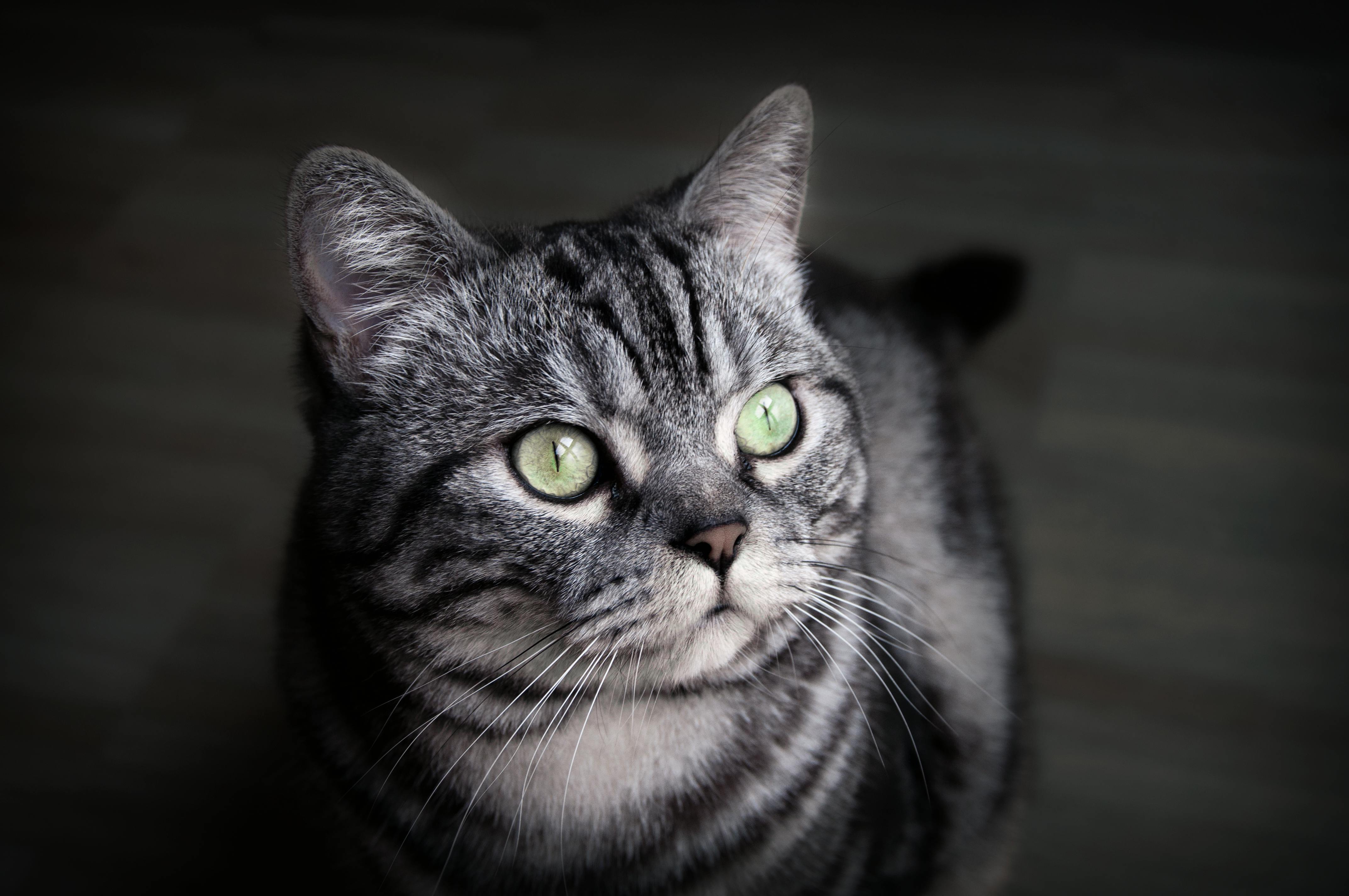
The American Shorthair is a muscular, medium-sized cat with a robust build and moderate metabolic rate. Their working-cat heritage has produced a breed that is hearty and adaptable — but also prone to obesity if overfed. Proper nutrition with careful portion control is the single most important factor in maximizing your American Shorthair's already impressive lifespan.
Understanding Nutritional Needs
American Shorthairs are obligate carnivores who require a diet rich in animal protein. Their ideal diet should contain 30–40% protein, 15–20% fat, and minimal carbohydrates. Their muscular build benefits from adequate protein for muscle maintenance, while their moderate activity level means they do not require the high-calorie diets of more active breeds.
Key nutrients for American Shorthairs include taurine (essential for heart and eye health), omega fatty acids (for coat health and reducing shedding), fiber (for digestive health and weight management), and adequate moisture for urinary tract health.
Portion Guide by Age and Weight
American Shorthairs are prone to obesity, making measured portion feeding essential. Here are specific daily feeding guidelines:
- Kittens (2–6 months) — 3–4 small meals daily, kitten-formula food. Approximately 1/4 cup kibble per meal plus wet food
- Juveniles (6–12 months) — 2–3 meals daily, 1/4–1/3 cup kibble per meal plus wet food supplement
- Adults (1–10 years) — 2 meals daily, 1/4–1/3 cup total dry food plus 1 small can (3 oz) wet food. Adjust for activity level
- Seniors (10+ years) — 2 smaller meals, switch to senior formula with reduced calories and added joint support
[tip]American Shorthairs are food-motivated cats who will beg for treats and table scraps. Resist the temptation — extra calories lead to obesity. Use measured portions of their regular food as training treats instead of high-calorie commercial treats.
Weight Management Strategies
Obesity is the number one health concern for American Shorthairs. These cats have a hearty appetite and will eat enthusiastically if given the opportunity. Free-feeding (leaving food out all day) is particularly dangerous for this breed.
Effective weight management strategies include:
- Measured meals — Always measure food with a standard measuring cup. Never estimate by eye
- Scheduled feeding — Feed at the same times twice daily. Remove uneaten food after 20 minutes
- Treat limits — Treats should not exceed 10% of daily caloric intake
- Interactive feeders — Use puzzle feeders and slow-feed bowls to extend eating time and prevent gulping
- Regular weigh-ins — Weigh your cat monthly and track weight trends
[warning]If your American Shorthair is already overweight, do not implement a crash diet. Rapid weight loss in cats can cause hepatic lipidosis (fatty liver disease), which is potentially fatal. Work with your vet to create a gradual weight-loss plan that reduces calories by 10–15% per month.
Hydration
Adequate hydration is important for all cats. American Shorthairs benefit from a cat water fountain — many prefer running water to stagnant bowls. Place multiple water stations throughout the home and use wide, shallow bowls that do not touch their whiskers.
Supplements and Special Considerations
Most American Shorthairs on a complete, balanced commercial diet do not need supplements. However, seniors may benefit from glucosamine for joints and omega-3 fatty acids for coat health. Probiotics can support digestive health during dietary transitions.
Proper nutrition with careful portion control is the foundation of your American Shorthair's exceptional longevity. By managing portions, choosing quality ingredients, and maintaining adequate hydration, you help your cat thrive for 15–20 years.